Horticulture Resources
-

Results from this study are preliminary, as only 2 years of data have been collected. Research over longer periods of time will be more revealing about how mechanical pruning will impact the perennial crop yield and health of the vineyard. Mechanical pruning is an option for dormant pruning ‘Carlos’ in situations where labor is unreliable and/or there is a low labor-to-acreage ratio which precludes the ability to finish pruning in the dormant period (December through March).
Concerns remain regarding the inaccuracy of mechanical pruning and the resultant amount of diseased and unproductive grapevine wood that remains in the canopy. It therefore may be a good practice to manually prune blocks of the vineyard on a recurring basis in order to reduce canopy congestion and the potential for disease buildup. Mechanical pruning may not be best practice in fresh-market muscadine cultivars, particularly those that produce bronze fruit that are less tolerant of rots and defects than purple fruit.
Mechanical pruning ‘Carlos’ and ‘Noble’ vineyards is worth consideration as these popular juice muscadine cultivars are vigorous and productive and may therefore sustain perennial health under high bud densities. Because of the preliminary nature of this report, it is recommended that mechanical, or “minimal” pruning, be trialed in vineyard blocks or sections before it is widely implemented with confidence.
|
-

This report provides research and extension results for trials conducted by the University of Georgia Vegetable Team and its collaborators in 2021. Contributing authors include county and regional faculty as well as specialists from UGA’s horticulture, plant pathology, crop and soil sciences, and entomology departments. All research has been supported by the Georgia Vegetable Commodity Commission.
|
-

The Georgia Master Gardener Handbook, 8th Edition, is the official reference text produced by the University of Georgia and developed for Master Gardener training. For more information about the Georgia Master Gardener Extension Volunteer Program, visit www.GAmastergardener.org.
This book, published in 2021, is currently available at $95 per copy (including tax). Single copies (no certificate or badge included) may be purchased online with a credit card at the UGA Extension Store website. Delivery will be 7-14 business days from receipt of order. Please include a street address rather than a P.O. box. Sales of books and data are considered final. Materials returned because of damage in shipping will be replaced.
This edition was extensively revised and updated in 2021. This edition also includes an all-new guide to the Master Gardener experience.
This 8.5 x 11″ book is perfect-bound with soft cover and contains 978 pages with color photos.
|
-
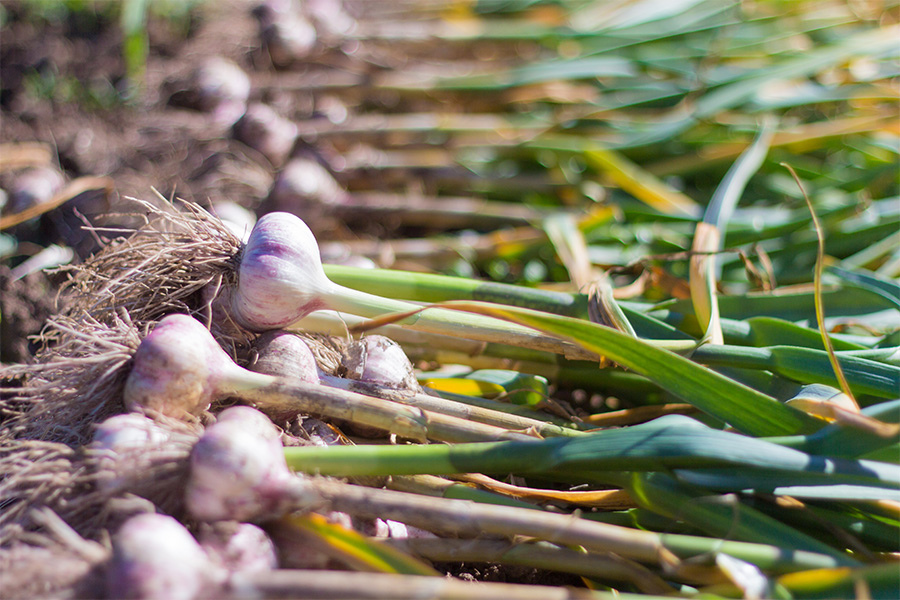
This guide gives gardeners tips to successfully grow garlic.
|
-
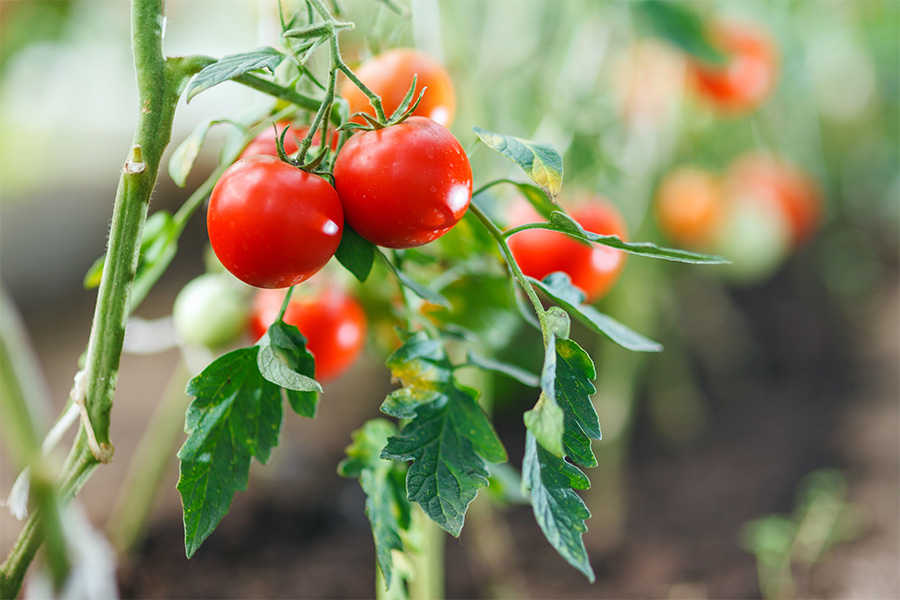
B 1271
Georgia Homegrown Tomatoes
This publication discusses the basics of growing tomatoes successfully, as well as avoiding common problems encountered by the home gardener.
|
-

Georgia growers can reliably produce lettuce in shaded high tunnels to capitalize on summer markets. This publication is an overview of using shading to grow lettuce in a high tunnel during the summer season when it is too hot to grow in the field.
|
-
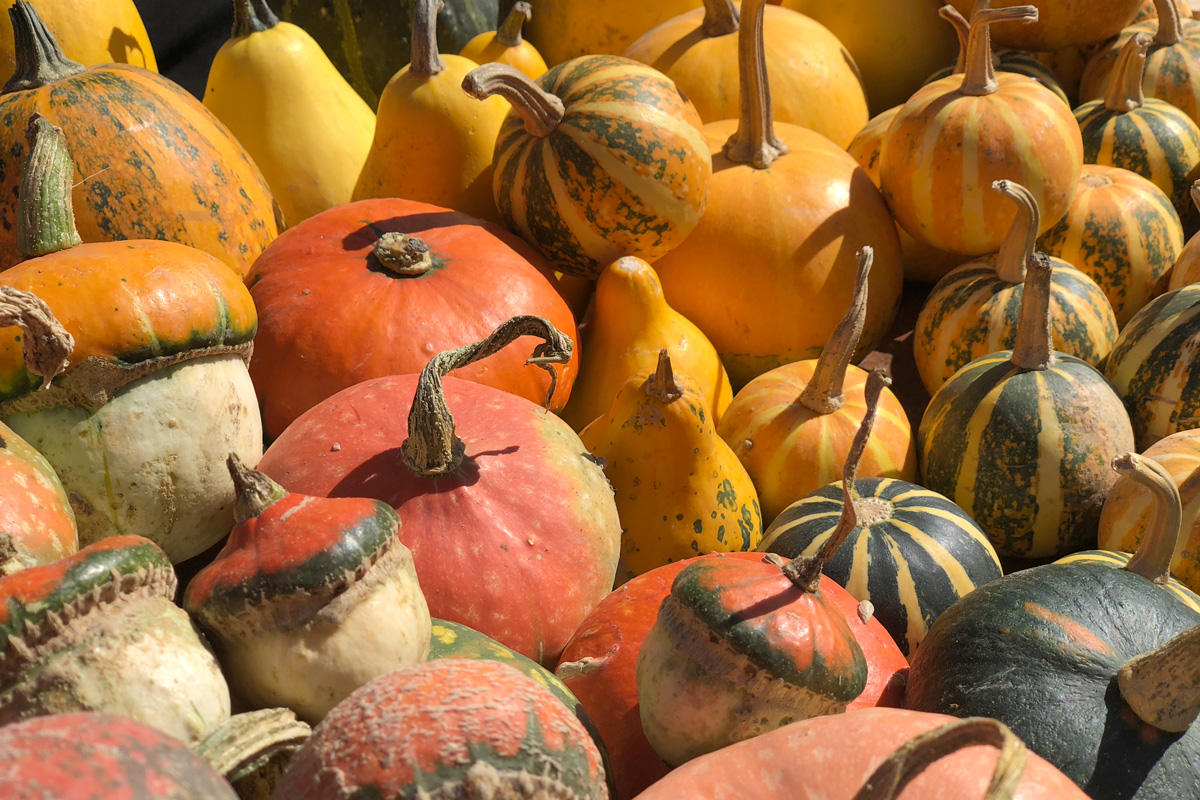
Learn all about growing squash, a nutritious, high-fiber vegetable rich in vitamins A and C. Squash are not difficult to grow, and this resource gives you information on type selection, planting, harvesting, and storage, along with tips on how to deal with insect and disease problems you may encounter.
|
-

C 1232
Homegrown Carrots
Homegrown carrots have a unique freshness and juiciness to them and are much more flavorful than their store-purchased counterparts. This publication covers the basics of how to select and grow carrots in the Georgia garden, including planting, maintenance, problems, and variety selections.
|
-

New ornamentals have long been considered the lifeblood of the green industry. This publication contains recommendations for best-performing new annuals based on research conducted at the Trial Gardens at the University of Georgia, showcasing the plants that were awarded Classic City Awards in 2020.
|