Horticulture
-
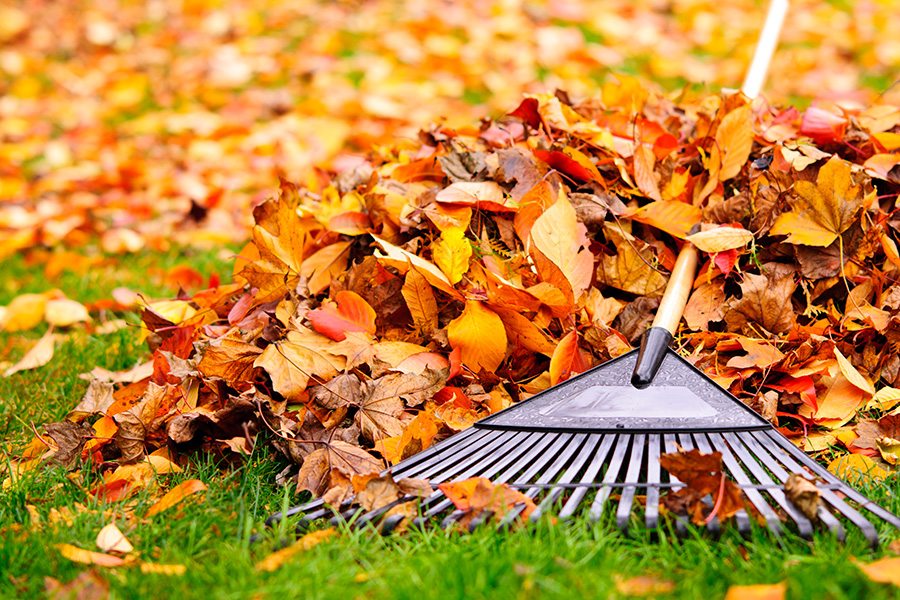
This publication is an annually-updated guide to fall gardening information and resources for Georgia. Topics include planting tall fescue lawns, soil bag flower beds, planting pansies like the pros, planting collards, turnips and cabbage, planting a home fruit orchard, mulching with leaves, gardening chores, cleaning and storing garden tools, treating for fire ants, and additional resources.
|
-

The commercial citrus industry in Georgia has only recently been established, with most groves planted after 2014. Initially,
satsuma mandarins (Citrus unshiu) on trifoliate rootstocks (Poncirus
trifoliata) were planted for their cold-hardiness, seedlessness, and
ease of peeling. Satsuma fruits begin to attain commercial maturity in
early November and usually avoid hard freezes in southern Georgia. As of
2022, approximately 75% of the 3,300 acres of citrus planted in Georgia are
satsumas, but that proportion is trending downward. To strengthen the new
Georgia citrus industry, growers recently have begun to diversify their citrus
varieties. Little is known about how these varieties will perform under Georgia
weather and soil conditions. Therefore, research is necessary to determine what
varieties can best tolerate Georgia’s winter weather and to determine cultural
norms such as maturation time, fruit quality, and insect and disease tolerance. This publication is associated with Annual Publication 127, the annual publication containing each season’s harvest data.|
-

This report provides research and extension results for trials conducted by the University of Georgia Vegetable Team and its collaborators in 2022. Contributing authors include county and regional faculty as well as specialists from UGA’s horticulture, plant pathology, crop and soil sciences, and entomology departments. All research has been supported by the Georgia Commodity Commission for Vegetables.
|
-

The landscape is a very important aspect of a home. Having a beautiful, creative and functional landscape requires some understanding of design principles, plant materials and outdoor structural elements. A landscape installation can be very simple or extremely complicated. Designing irrigation systems, outdoor lighting, stone walls and patios requires skills that go beyond those of the average homeowner. When the job seems too big, it may be time to call in a professional. This publication provides guidelines and suggestions for finding a garden designer.
|
-

C 1032-2
Working with a Garden Designer
Designing a landscape is much like designing the interior of a house. Colors, patterns and textures must be arranged in a manner that is functional and suits the taste of the owner. The one major difference with landscape design is that most of the elements are living, providing seasonal change, forever growing taller and wider, and occasionally dying. An experienced garden designer has the ability to incorporate all this information into the design, but the homeowners must do their homework and be prepared to talk to the designer. This publication will help homeowners develop a plan for working with a landscape designer.
|
-
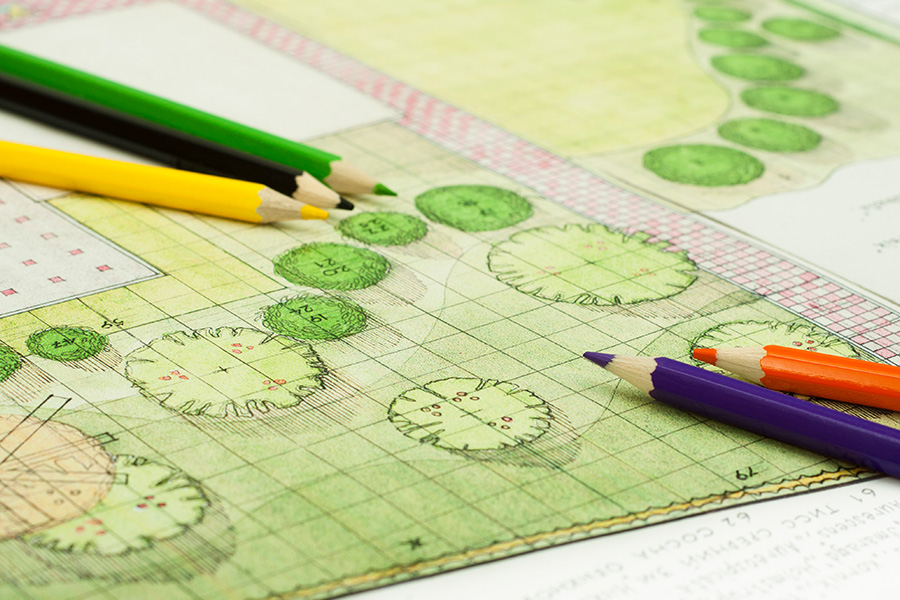
Preparing a landscape plan can be an enjoyable and satisfying experience if you do a little homework and follow a few guidelines. A simple landscape base map can be drawn without a computer, special software or even expensive drafting supplies, and is the first step in developing a landscape plan. The base map is an accurate representation of the existing landscape, scaled to fit the paper, showing information such as house dimensions, distance to street, and the location of trees,
woods, driveways and sidewalks, if these are already present in the landscape. This publication explains how to draw a base map for landscape planning.|
-

Designing a beautiful landscape for the home can be a very enjoyable and satisfying experience. With a little homework, a landscape plan is within reach of most homeowners. Before great ideas can become a plan, you must determine the limitations and assets of the site. This publication briefly describes how to create a site analysis for landscape design.
|
-
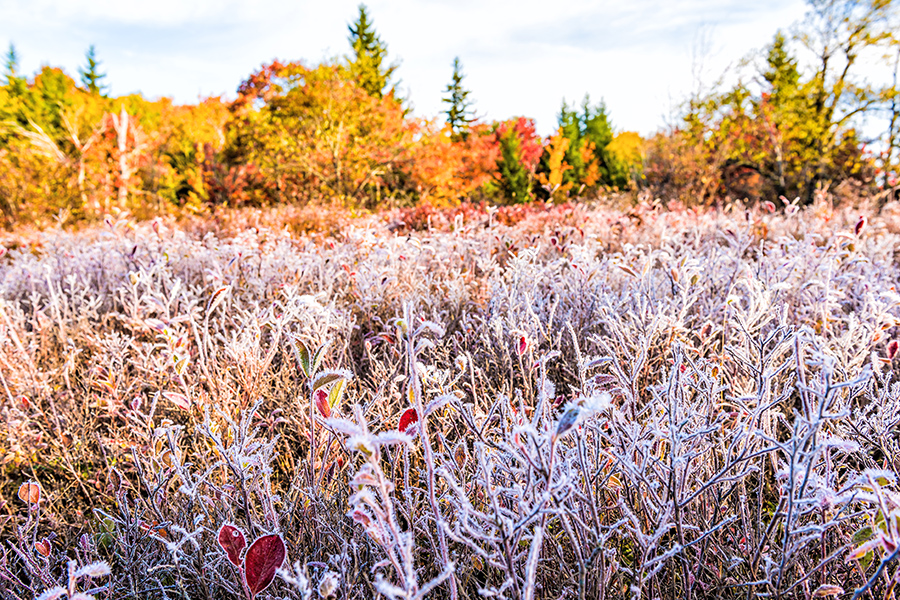
Frost protection systems tremendously benefit commercial blueberry production in Georgia. These systems are expensive and usually configured as overhead irrigation systems. For the system to provide protection, it must operate as soon as it’s needed. The best practice for maintaining a frost protection system is to perform preventative maintenance service every late fall or early winter. This publication offers blueberry growers suggestions on how to prepare their frost protection systems for future operation. Recommendations include a check-off list for maintenance and inspection of overhead irrigation systems, important considerations when preparing for freeze events.
|
-
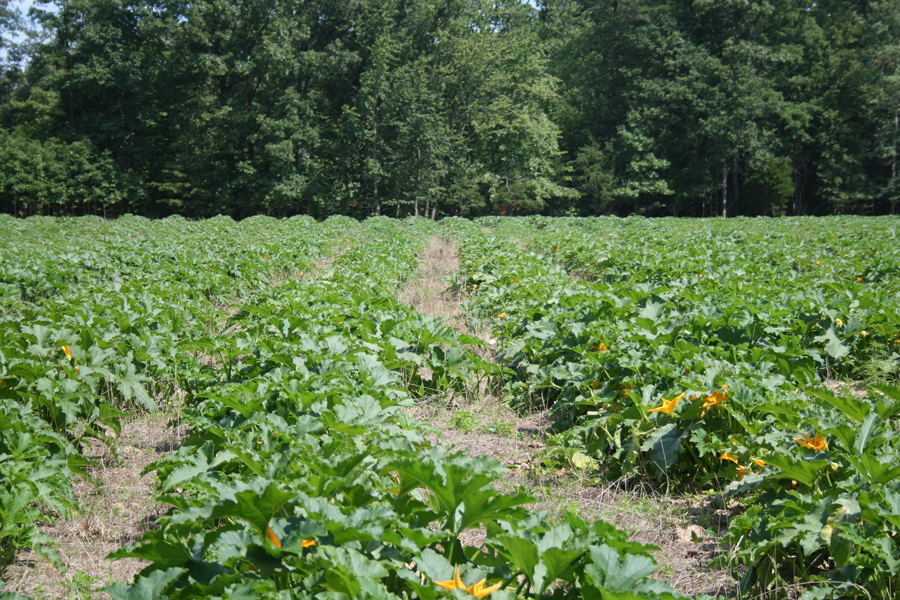
Conservation tillage with agronomic crops (i.e., cotton, corn, soybeans, etc.) has been successful in Georgia production. Such production practices have several benefits, the most notable being the elimination of soil erosion. Other benefits include but aren’t limited to increases in soil organic matter, maintaining a healthy rhizosphere (root-zone soil), reduction of riparian and waterway pollution, and water conservation.
Some examples of conservation tillage practices include no till, ridge till, and strip till. No–till production involves no tillage of field soils and leaves all of the previous crop residue on the soil surface. Ridge–till production involves building a ridge during cultivation, then scalping the ridge and sowing seed. The scalping process moves most of the previous–crop residue to the row middles, leaving a clean row for sowing. Strip–till production is when a narrow strip is tilled for each row that will be planted, leaving the row middles intact with the previous–crop residue. Strip–tillage may reduce yields if weeds in the untilled area are not killed, as these weeds will compete with the crop for water and nutrients. Although the planted row is free of previous crop residue, it may be advantageous to kill the cover crop to prevent it from competing for nutrients and water with the vegetable crop.
|