Horticulture Resources
-

Native plants are a great choice for Georgia landscapes. They provide food and habitat for native insects, birds, and other creatures and allow the gardeners to support local ecosystems. They are well suited to their native environments and many are quite beautiful. However, they are not super plants! They need to be sited in locations that closely match their native habitat, and the general public often assumes they need little or no care. This publication outlines conditions under which native plants need supplemental water and pest protection. Using the guidelines presented here, gardeners will be able to grow healthy native plants in their landscape.
|
-

This field guide is based on a 2-year study of ground-dwelling spiders in blueberry farms in southeastern Georgia and shows the most common spider families and genera found. This guide is for farmers, students, and educators to help them recognize these groups. Spiders are helpful organisms that feed on insects and other small creatures. In many cases, they are among the most effective natural controls of pest insects in gardens, farms, forests, and even inside homes.
|
-
C 1212
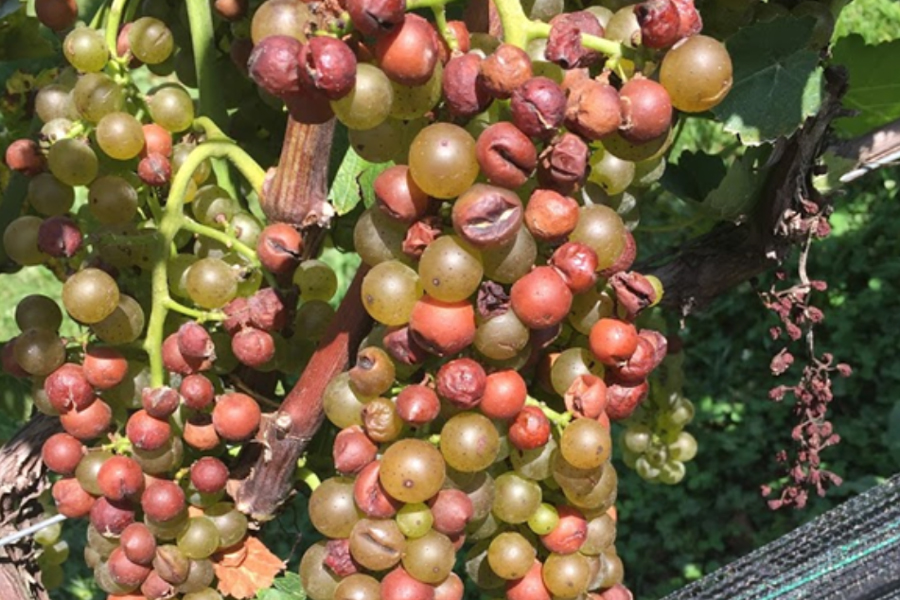
Grape Sour Rot
Although grape sour rot can occur in drier climates, the disease complex tends to be especially problematic during wine grape ripening in wet, humid regions. Browning and disintegrating berries and the aroma of vinegar are a few symptoms that characterize grape sour rot. Sour rot ultimately results in crop yield reduction as damaged berries often “shatter,” or fall off the clusters. Sorting out clusters with sour rot that are not suitable for winemaking causes a further reduction in return revenues as less wine is produced. Sour rot is a prominent concern in Eastern U.S. vineyards as it is consistently observed in vineyards, particularly in white-berried cultivars, and questions remain about how to best manage it, particularly with the threat of insecticide resistance development in targeted fruit flies.
|
-

C 1011
Home Garden Potatoes
This resource details selecting the right types of potatoes, proper planting, maintenance, and troubleshooting problems.
|
-
C 660
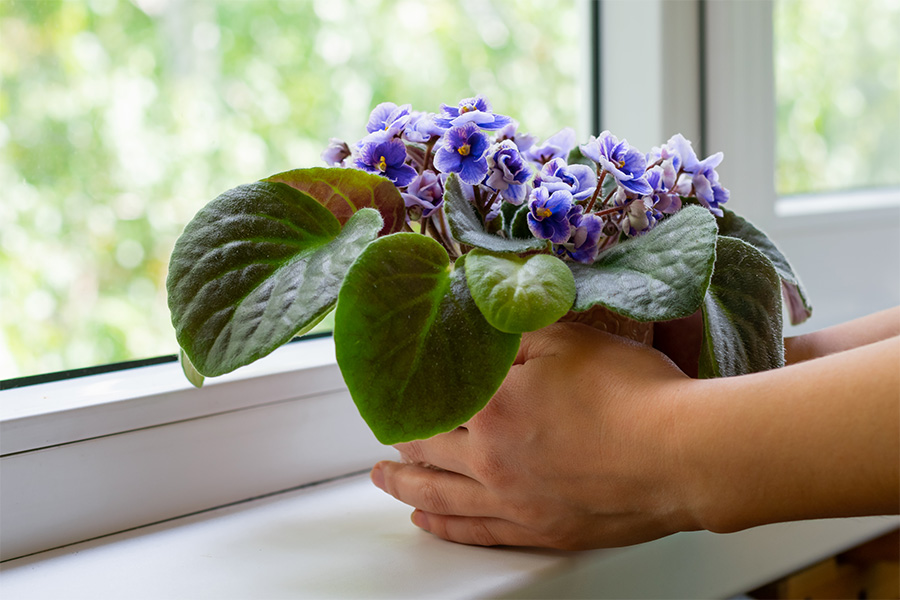
Growing African Violets
African violets are now among the most popular indoor plants. They are easy to grow and offer a wealth of beautiful flowers.
|
-
C 944
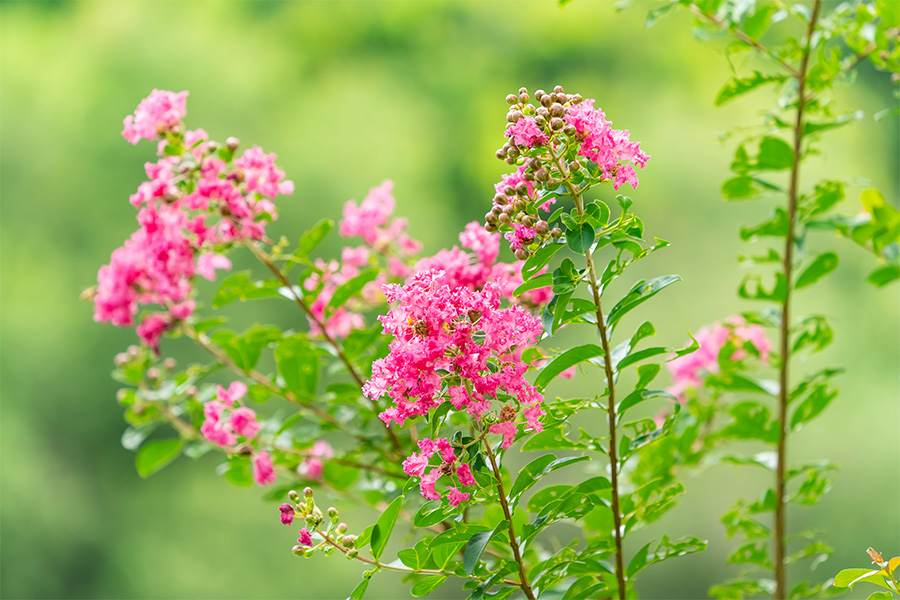
Crape Myrtle Culture
Crape myrtle is one of the most useful flowering shrubs/trees grown in Georgia. It provides abundant summer color with a minimum of maintenance.
|
-

Robotics will soon become a common reality on farms. This Extension resource helps people to understand the basics of robotics for agriculture and the applications of these new machines.
|
-

Research has shown that if you properly select, install, and maintain ornamental plants, you greatly increase their survival and performance in the landscape. Following best management practices will not only conserve moisture in the landscape but also assure overall health and vigor of the ornamental plants.
|
-

Research has shown that a landscape that has been carefully planned and installed and properly managed will be healthier, less prone to insects and diseases, and will require less irrigation. Georgia’s landscape and turf industry and UGA Cooperative Extension are urging citizens to implement inexpensive and easy-to-perform landscape management practices that decrease the need for irrigation and/or lead to greater efficiency of irrigation when it is needed. This publication provides tips about planning, planting and maintaining the landscape to save water.
|