Horticulture Resources
-

This resource offers practical guidance for creating pollinator-friendly habitats on balconies, porches, or patios using potted plants. Designed for those with limited outdoor space, it covers choosing the right containers, selecting native and pollinator-attracting plants, and providing essential resources like water and shelter. Readers will learn how to support bees, butterflies, and other pollinators with seasonal blooms, proper placement, and maintenance tips.
|
-
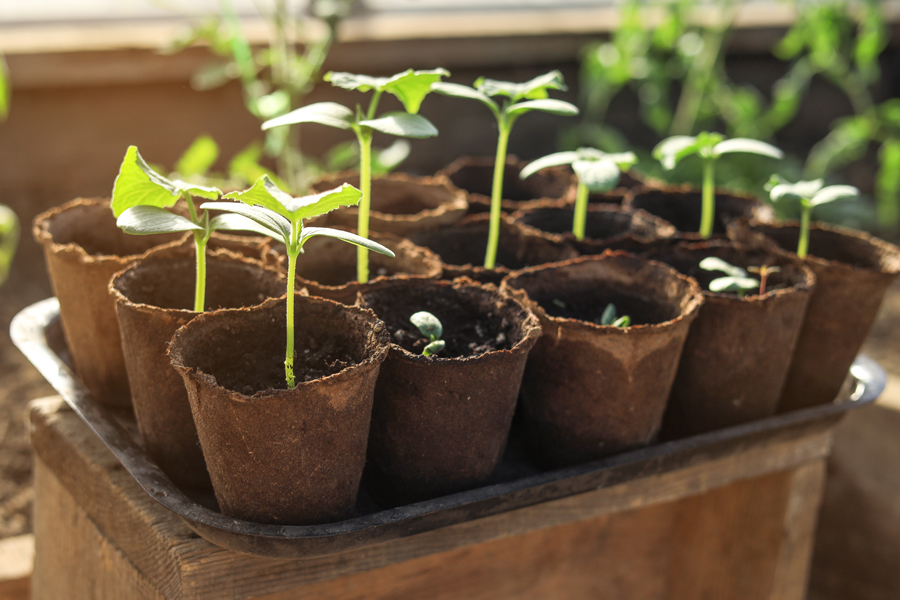
Beginning in the 1970s, container nursery production acreage rapidly increased such that container nursery production is now the dominant method of nursery production. As a standard in the industry, plastic nursery containers are lightweight, durable, familiar to growers, work well with automation, and can be reused or recycled. However, they are limited in their ability to be sustainably eco-friendly. This publication contains information about alternatives to petroleum-based containers for the nursery industry.
|
-
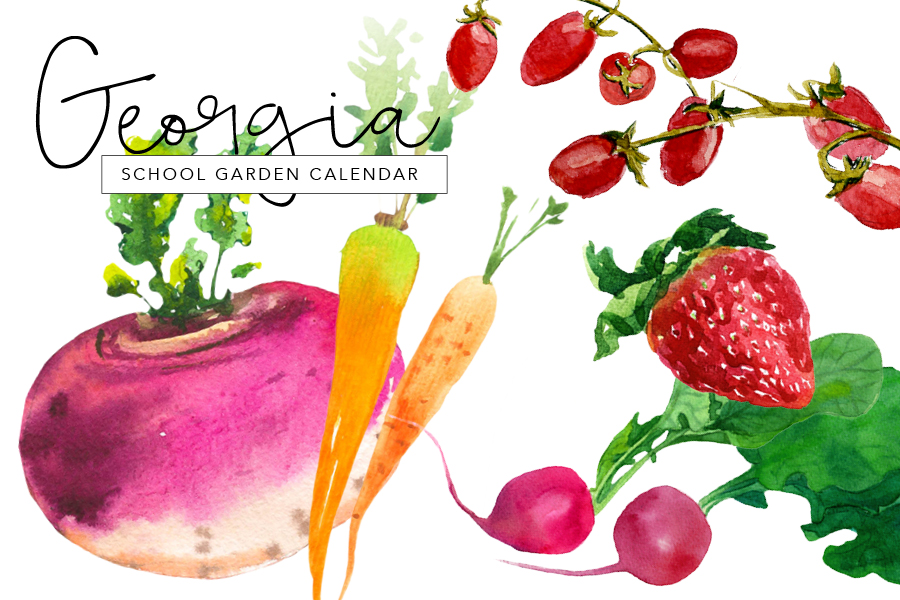
The Georgia School Garden Calendar gives school gardeners month-by-month guidance on growing and using a school garden successfully. Each month, this resource provides information on the horticulture of the school garden, classroom and curriculum ideas, and administrative and organizational tips.
|
-
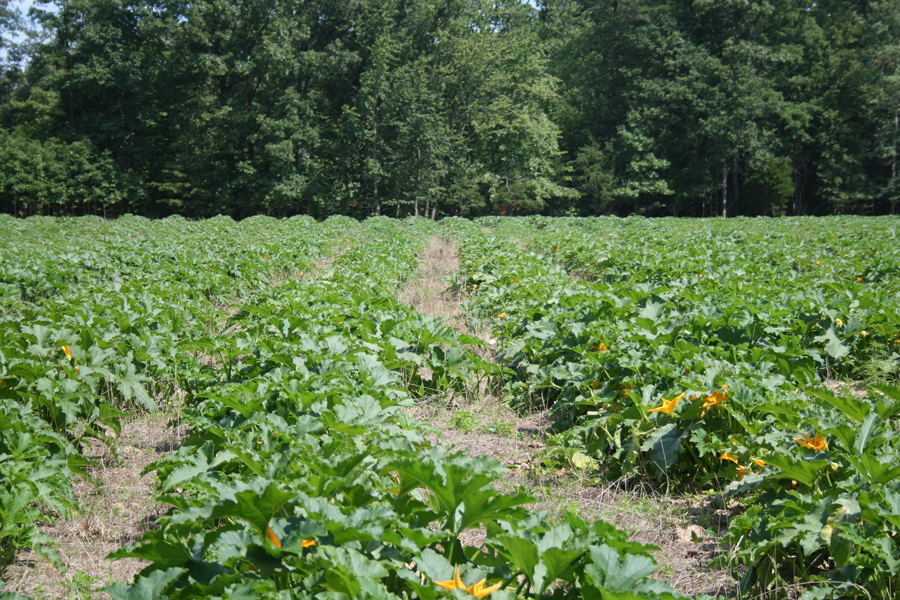
Conservation tillage with agronomic crops has been successful in Georgia production. Such production practices have several benefits, the most notable being the elimination of soil erosion. Other benefits include but aren’t limited to increases in soil organic matter, maintaining healthy root-zone soil, reduction of riparian and waterway pollution, and water conservation.
|
-

C 1081
New Native Little Bluestems
Little Bluestem is a drought-tolerant, low-maintenance native plant. This ornamental warm-season perennial grass tolerates a wide range of soil conditions and is easily grown. Its purplish bronze blooms and vertical clusters of slender leaves make it a lovely addition to any landscape. It is cold hardy in Georgia, although it may suffer moderate damage in cold winters in the North Georgia mountains.
|
-
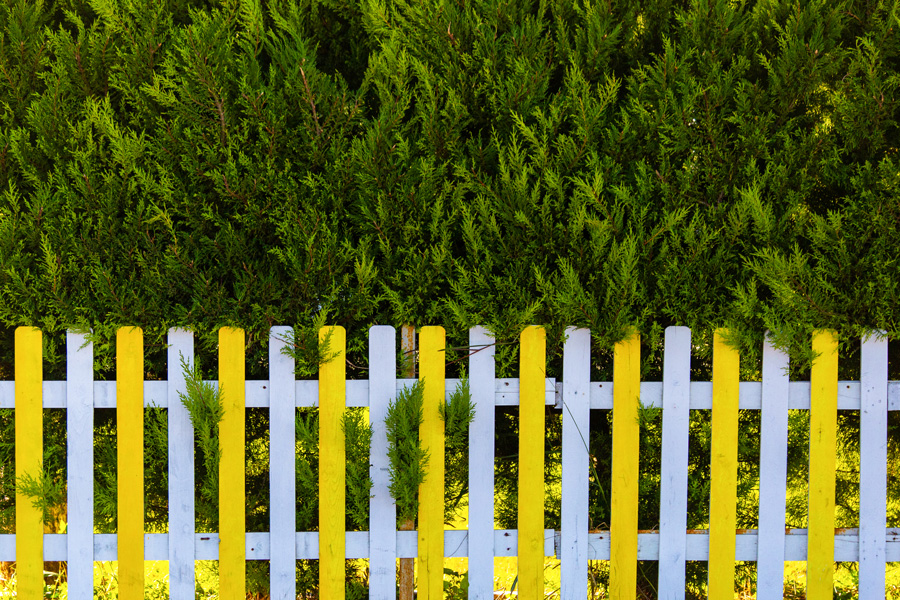
Leyland cypress has become one of the most widely used plants in commercial and residential landscapes across Georgia as a formal hedge, screen, buffer strip or wind barrier. Leyland cypress is a graceful, rapidly growing evergreen tree that is adapted for growth within the 6-10a USDA hardiness zones. Leyland cypress is considered relatively pest-free; however, because of its relatively shallow root system, and because they are often planted too close together and in poorly drained soils, Leyland cypress is prone to root rot and several damaging canker diseases, especially during periods of prolonged drought.
|
-
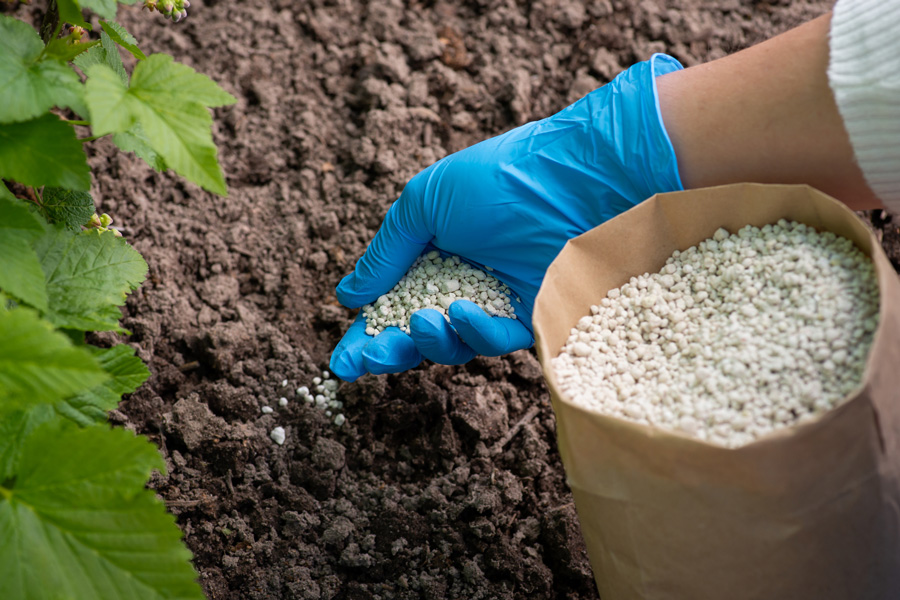
Use this resource to calculate planting densities, fertilizer application rates, sprayer calibration, and soil amendment applications using unit conversions. We demonstrate the “raw math” behind common calculations to provide you with the tools for solving any equation using simple addition, subtraction, multiplication, and division. No longer will you be dependent on having production guides, fertilizer charts, planter manuals, and spray nozzle catalogs to tell you what to do.
|
-
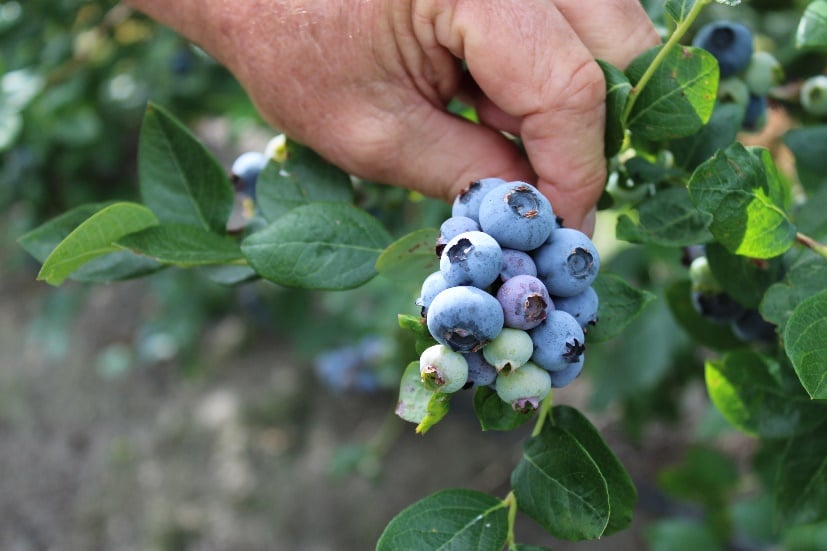
Calcium is an important nutrient if blueberry production. Calcium deficiency can cause fruit quality issues. This resource focuses on quantifying the calcium concentrations at different stages of berry development and within the berry.
|
-
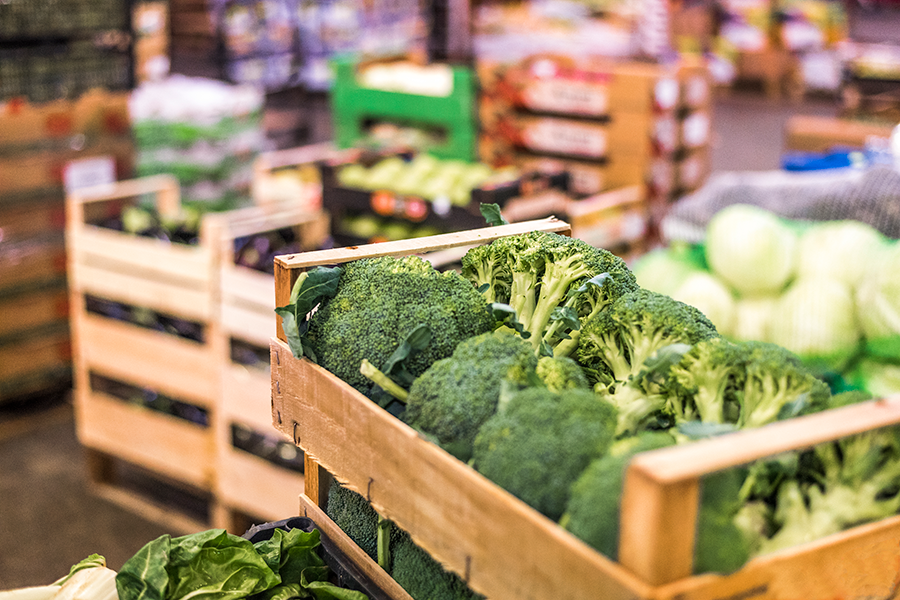
Marketing fresh fruits and vegetables at farmers markets, roadside markets, and pick-your-own farms is an important and growing method of marketing. This resource covers the containers available for retail marketing, which come in a wide range of sizes and materials. In addition, it provides weights and approximate yields for the canning and freezing of fruits and vegetables based on some of the common retail container sizes.
|