Plant Pathology
-

This publication is designed to help county agents, Extension specialists and growers formulate and implement
nematode management recommendations after sending a soil sample and receiving a nematode assay report.|
-

This publication is a monthly guide for professional managers of commercial, recreational, municipal, institutional or private grounds in Georgia.
|
-
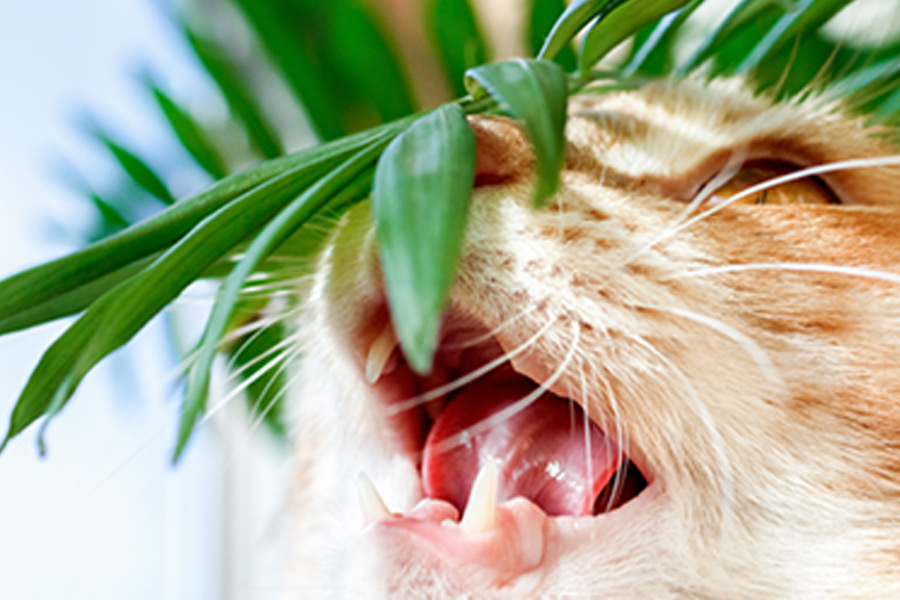
House and garden plants may be toxic to cats and dogs. This visual guide will help pet owners learn which plants are safe, as even common plants can be deadly.
|
-

Stubby-root nematodes, Paratrichodorus minor, are considered an important pest of onions in Georgia. Low to high population densities of this nematode were observed in multiple fields in the Vidalia area causing damage to sweet onions. The most obvious aboveground symptoms of stubby-root nematode nematode infection are poor, stunted growth of onion seedlings. Stubby-root nematodes have a wide host range, including sugar beets, potatoes, corn, cotton, peanuts, wheat, onions, grasses and some other vegetable crops that are commonly grown in Georgia. Fallow crop rotation with non-host cover crops and treating seedbeds with suitable fumigant and non-fumigant nematicides are effective controls for this pest.
|
-

C 1151
Viticulture Management
This phenology-based viticulture management poster provides a reference for sound viticultural, disease, and insect management practices in a digestible format. Viticultural practices optimize vineyard health, profitability, and sustainability and improve crop quantity and quality. Like pest management, viticultural practices should be implemented in a timely fashion throughout the growing season to maximize practice efficiency and benefit gain. Disease control in grapes is critical, as grapes are susceptible to a wide range of pathogens. Implementing timely and adequate cultural practices will greatly help to suppress diseases.
|
-

Operating a chainsaw is inherently dangerous. Chainsaw cuts are always serious, but this is not the only hazard a saw operator faces. Saw operators are often struck by falling limbs and trunks as the tree moves during felling. Saw operators may fall off ladders or out of trees, or they may trip while moving through brush and uneven ground. Even when the tree is on the ground, danger lurks in wood under tension. Spring poles snap and logs roll unexpectedly. Personal protective equipment (PPE) saves lives every day. The Occupational Safety and Health Administration (OSHA) requires that saw operators wear the PPE described in this publication, including head protection, eye protection, ear protection, chainsaw chaps or pants, and suitable footwear.
|
-

Exobasidium leaf and fruit spot, caused by the fungus Exobasidium maculosum, is an emerging disease affecting both southern highbush and rabbiteye blueberries. In addition to direct yield loss due to fruit drop, lesions on remaining fruit compromise the aesthetic qualities of the fruit as well as the taste, rendering them unmarketable. This circular provides the most current knowledge of this important pathogen/disease of blueberry and its management.
|
-

Native plants are a great choice for Georgia landscapes. They provide food and habitat for native insects, birds, and other creatures and allow the gardeners to support local ecosystems. They are well suited to their native environments and many are quite beautiful. However, they are not super plants! They need to be sited in locations that closely match their native habitat, and the general public often assumes they need little or no care. This publication outlines conditions under which native plants need supplemental water and pest protection. Using the guidelines presented here, gardeners will be able to grow healthy native plants in their landscape.
|
-
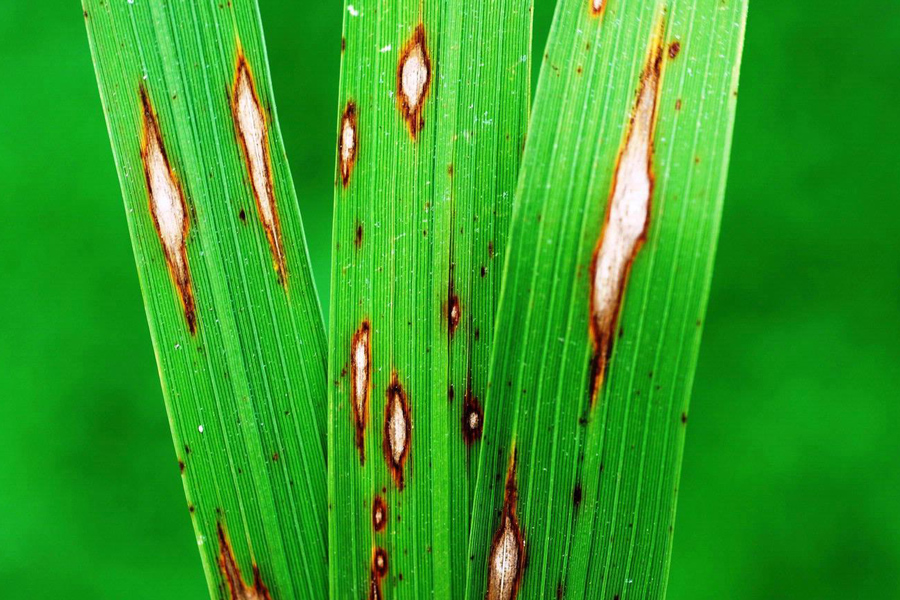
In the state of Georgia, gray leaf spot primarily affects St. Augustinegrass and is particularly chronic and damaging in the coastal area of the state. This publication contains important information on the biology of the causal agent, detailed descriptions and photos of the disease symptoms, information on conditions favoring the disease, as well as cultural, genetic, and chemical methods of control. The publication is intended for turfgrass professionals, consultants, county faculty, homeowners, and the general public.
|