Plant Pests and Diseases Resources
-

Whiteflies are a concern for Georgia’s vegetable industry, both as a direct pest and a vector for viruses. This brief video discusses at risk crops, shows plant damage, and describes what conditions increase the likelihood of whitefly damage.
|
-
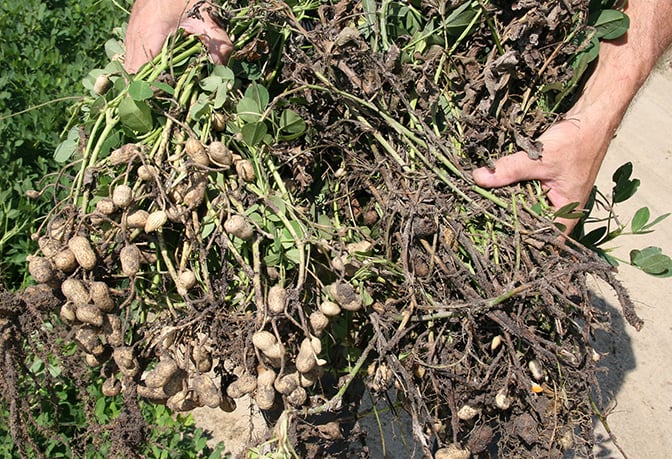
The peanut production guide includes varieties, agronomic practices, pest management, irrigation management, equipment maintenance, maturity, and harvest practices.
|
-
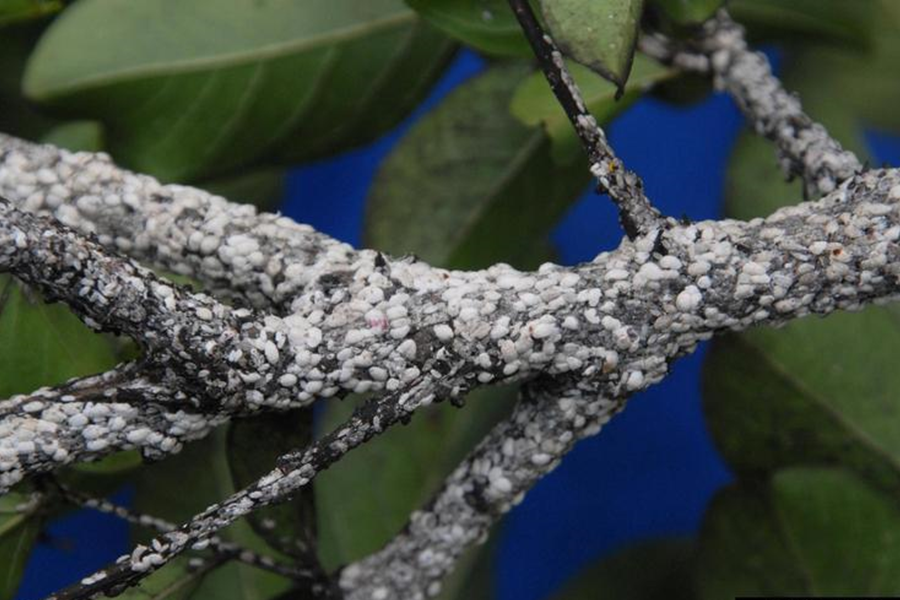
The crape myrtle bark scale (CMBS) is an emerging threat to crape myrtle (Lagerstroemia spp.) in Georgia. As the name indicates, this scale pest attacks the bark of crape myrtle, the only known scale insect that infests crape myrtle bark. A native of Asia, CMBS was first confirmed in Dallas, Texas, in 2004. Since then, the pest has gradually expanded its range to the southeastern states. In Georgia, it was first confirmed in Coweta County in 2014. In 2019, CMBS were found infesting crape myrtles in an ornamental nursery in south Georgia. They can potentially spread in zones 6 to 9.
|
-
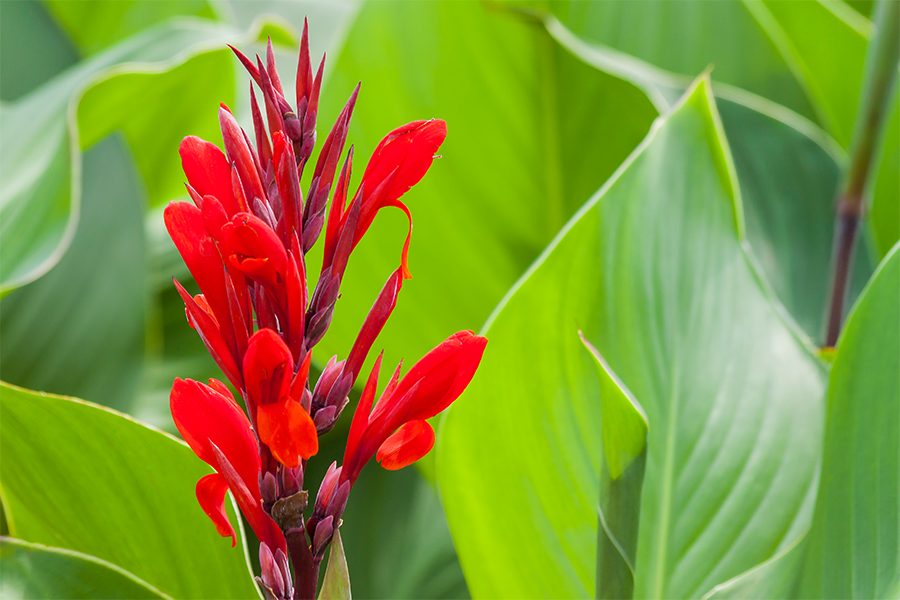
An introduction to the larger canna leafroller, plus information on biology and management.
|
-

2019 plant disease losses, including control costs, amounted to an estimated $832 million. The value of the cropsused in this estimate was approximately $6.64 billion, resulting in a 13.3% relative disease loss across all crops included in this summary. The estimated values for most crops used to compute these disease losses are summarized in the UGA Center for Agribusiness & Economic Development, 2019 Georgia Farm Gate Value Report (AR-20-01). Some estimates for fruits, ornamentals, and turf rely on the specialist’s knowledge of the industry and industry sources for information.
|
-

2018 plant disease losses, including control costs, amounted to an estimated $844 million. The value of the crops used in this estimate was approximately $6,268 million, resulting in a 13.5% relative disease loss across all crops included in this summary.
The estimated values for most crops used to compute these disease losses are summarized in the UGA Center for Agribusiness & Economic Development, 2018 Georgia Farm Gate Value Report (AR-19-01). Some estimates for fruits, ornamentals, and turf rely on specialist’s knowledge of the industry and industry sources for information.|
-

Stubby-root nematodes, Paratrichodorus minor, are considered an important pest of onions in Georgia. Low to high population densities of this nematode were observed in multiple fields in the Vidalia area causing damage to sweet onions. The most obvious aboveground symptoms of stubby-root nematode nematode infection are poor, stunted growth of onion seedlings. Stubby-root nematodes have a wide host range, including sugar beets, potatoes, corn, cotton, peanuts, wheat, onions, grasses and some other vegetable crops that are commonly grown in Georgia. Fallow crop rotation with non-host cover crops and treating seedbeds with suitable fumigant and non-fumigant nematicides are effective controls for this pest.
|
-

Root-knot nematodes are highly adaptable, obligate plant parasites (parasites that cannot reach adulthood without a host) that attack plant roots and establish a prolonged relationship with their hosts. There are three common species of root-knot nematodes known to parasitize watermelon in the U.S.: the southern root-knot, M. incognita, the peanut root-knot, M. arenaria, and the Javanese root-knot, M. javanica. The southern root-knot nematode is ranked first in terms of negative impact on watermelon production, particularly in warm temperate climates. Many watermelon fields in Georgia are infested with one or more species of root-knot nematodes.
|
-

2017 plant disease losses, including control costs, amounted to an estimated $936 million. The value of the crops used in this estimate was approximately $6,634 million, resulting in a 14.1% relative disease loss across all crops included in this summary. The estimated values for most crops used to compute these disease losses are summarized in the 2017 Georgia Farm Gate Value Report (AR-18-01) published by the UGA Center for Agribusiness and Economic Development. Some estimates for fruits, ornamentals, and turf rely on specialists’ knowledge of the industry and industry sources for information.
|