Plant Pests and Diseases Resources
-
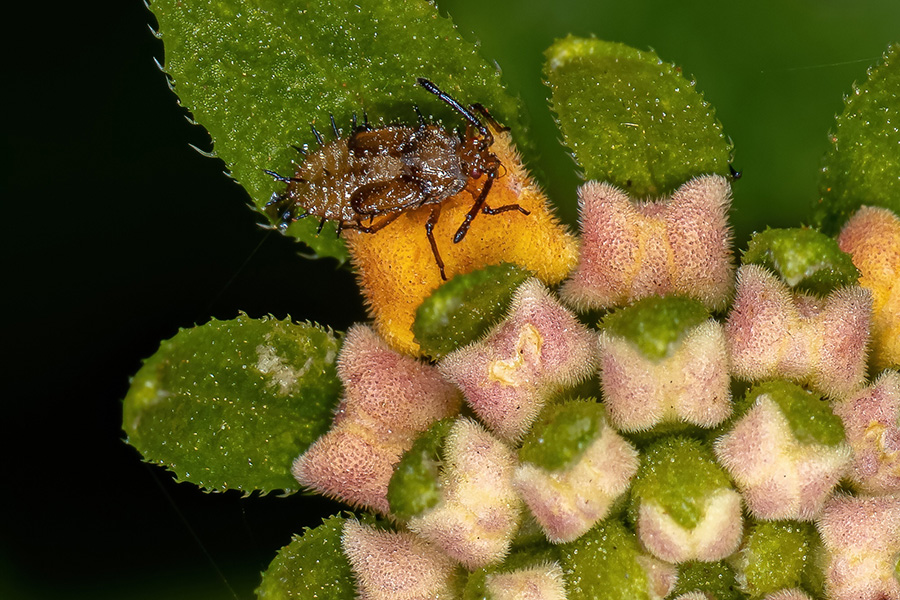
The lantana lace bug is a serious pest of lantana. Although lantana is regarded as an invasive weed both in the United States and worldwide, many popular cultivars continue to be planted in residential and public ornamental landscapes and gardens. Previously, the lantana lace bug was deliberately introduced to several countries as a biological control agent for lantana. This resource covers the identification, biology, symptoms, and management of lantana lace bugs.
|
-

2020 plant disease losses in Georgia, including control costs, amounted to an estimated $806 million. The value of the crops used in this estimate was approximately $6.712 billion, resulting in a 12.01% relative disease loss across all crops included in this summary. The estimated values for most crops used to compute these disease losses are summarized in the 2020 Georgia Farm Gate Value Report (AR-22-01) by the UGA Center for Agribusiness & Economic Development. Some estimates for fruits, ornamentals, and turf rely on specialists’ knowledge of the industry and industry sources for information. Losses covered include: apple, blackberry, blueberry, bunch grape, corn, cotton, muscadine grape, ornamentals, peach, peanut, pecan, soybean, strawberry, turfgrass, vegetables, and wheat.
|
-
C 910
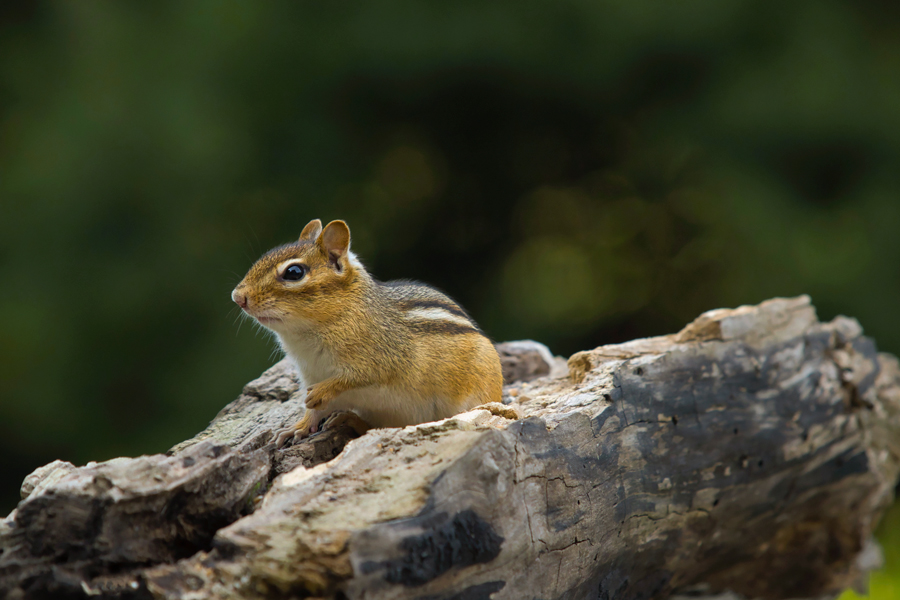
Chipmunk Control
This publication discusses several methods for controlling chipmunks, including exclusion, trapping, poison, repellents, and shooting.
|
-
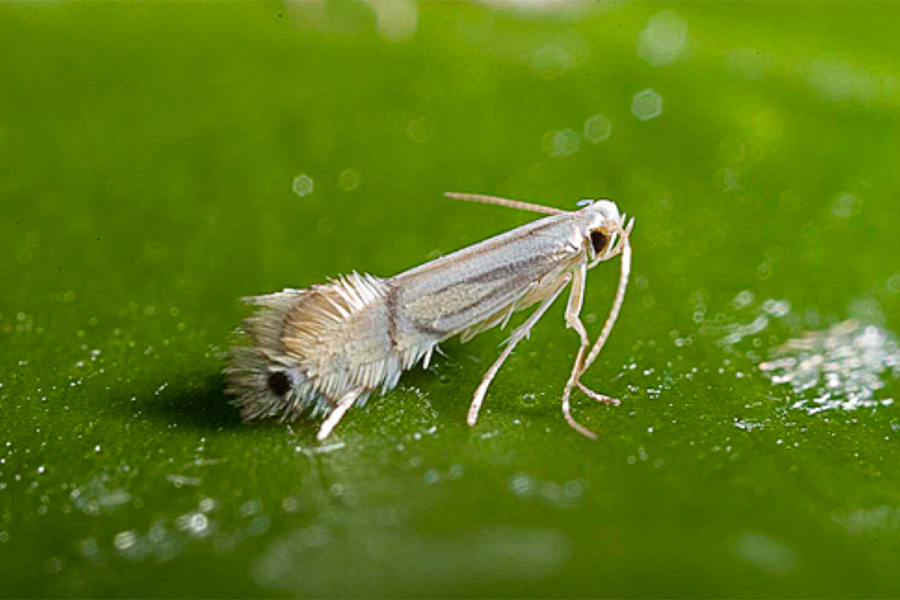
Citrus leafminer (Phyllocnistis citrella) is found in Georgia and states along the Gulf of Mexico. Leafminer damage to foliage can stunt the growth of young trees and make trees more susceptible to citrus canker where the pathogen is present. Mature trees can better tolerate the damage although heavy infestations may reduce production. This publication discusses the identification, chemical control, noninsecticidal control, and homeowner control options for citrus leafminers.
|
-

This publication discusses the proper calibration methods sprayers and other liquid applicators.
|
-
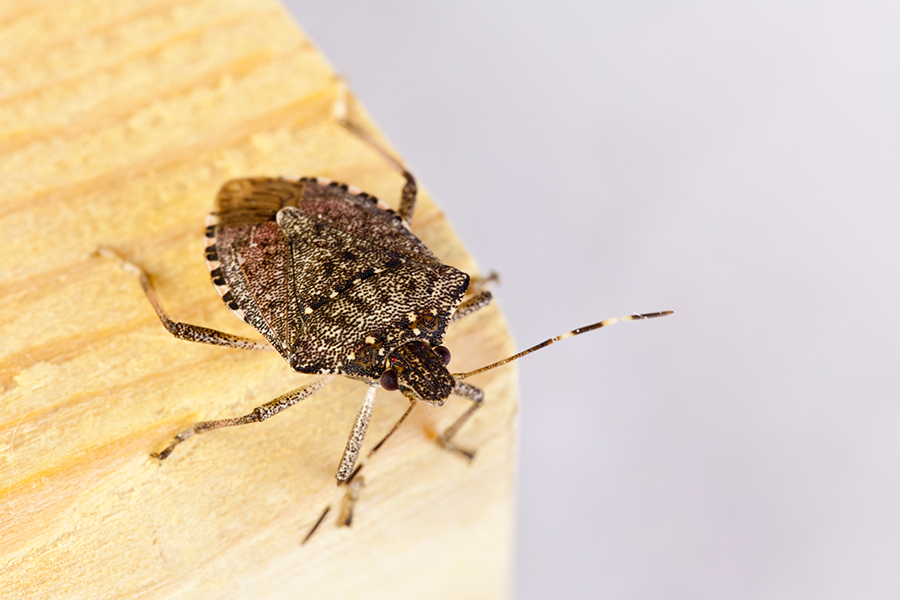
The brown marmorated stink bug is a landscape and agricultural pest in the United States. They seek dark and dry sites—such as a vehicle parked near trees—in the fall in which to overwinter. This pest is reported to feed on more than 170 plant species, including fruits, vegetables, and ornamental plants. This stink bug also is a nuisance pest as they aggregate and overwinter in man-made structures beginning in late fall.
|
-
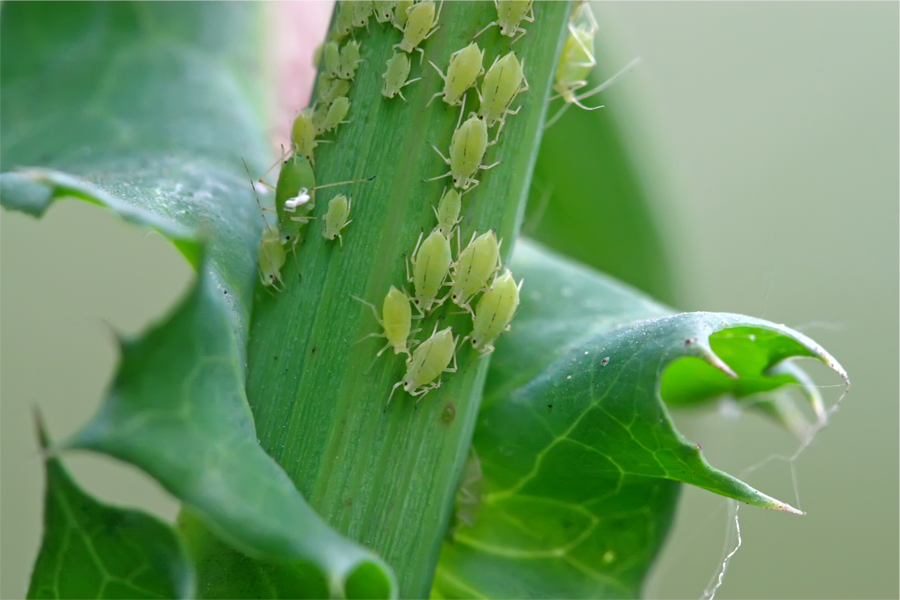
An introduction to and information on the biology, damage, and management of aphids in the ornamental landscape.
|
-
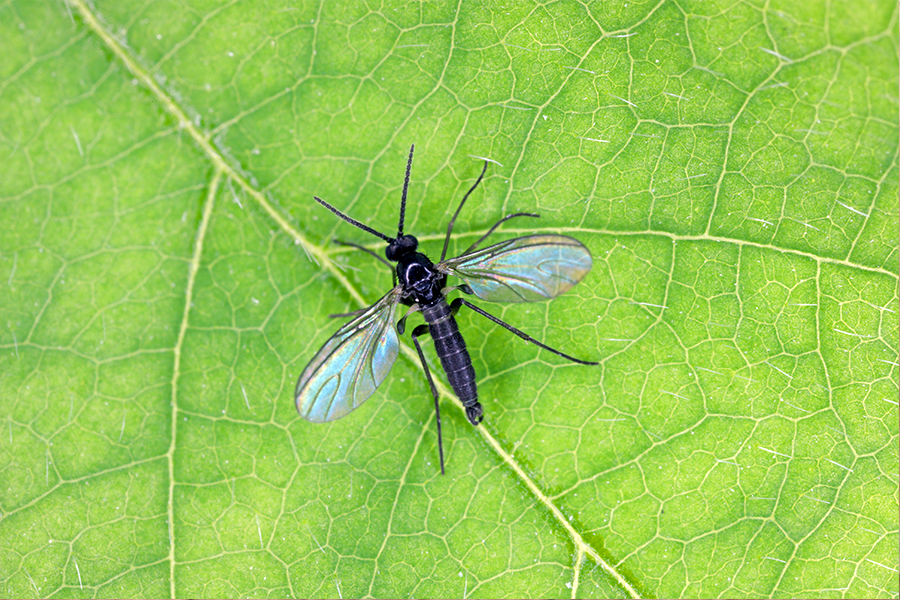
Nothing is more welcoming in the home, office, waiting room, or conference room than lush greenery. The benefits of plants in the home and workplace are well-documented. They remove pollutants, help workers relax and refocus, increase productivity, and make the room look better. Unfortunately, plants often come with the nuisance pest fungus gnats. Learn how to what they are, how they live, and how to control them.
|
-

This resource introduces the effective and environmentally friendly use of trap crops as an alternative to controlling damaging insects in the vegetable garden. Trap crops are sacrificial plants that can draw damaging insects away from valuable crops.
|