Plant Pests and Diseases Resources
-
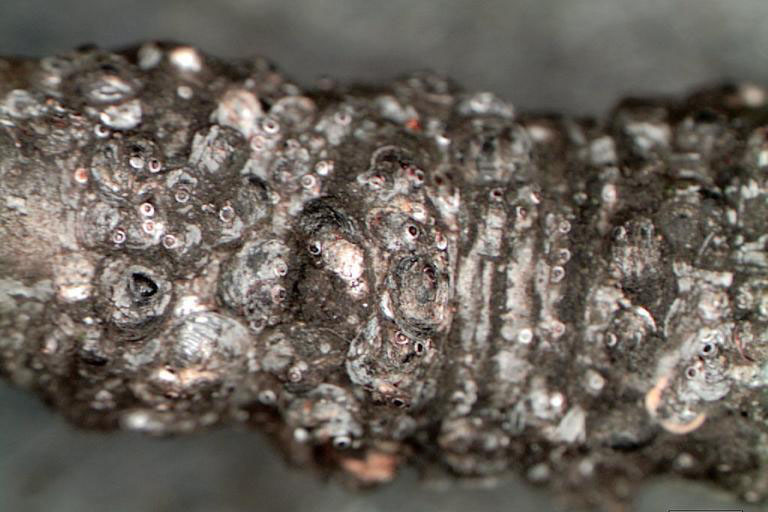
Gloomy scale is a serious insect pest that affects maple trees in urban Georgia, but it can go undetected for years. Affected trees can show branch dieback and canopy thinning after 6–10 years, when the population reaches extremely high densities. A waxy shield covering protects females from predators and insecticide exposure, and usually gives them a convex shape.
|
-
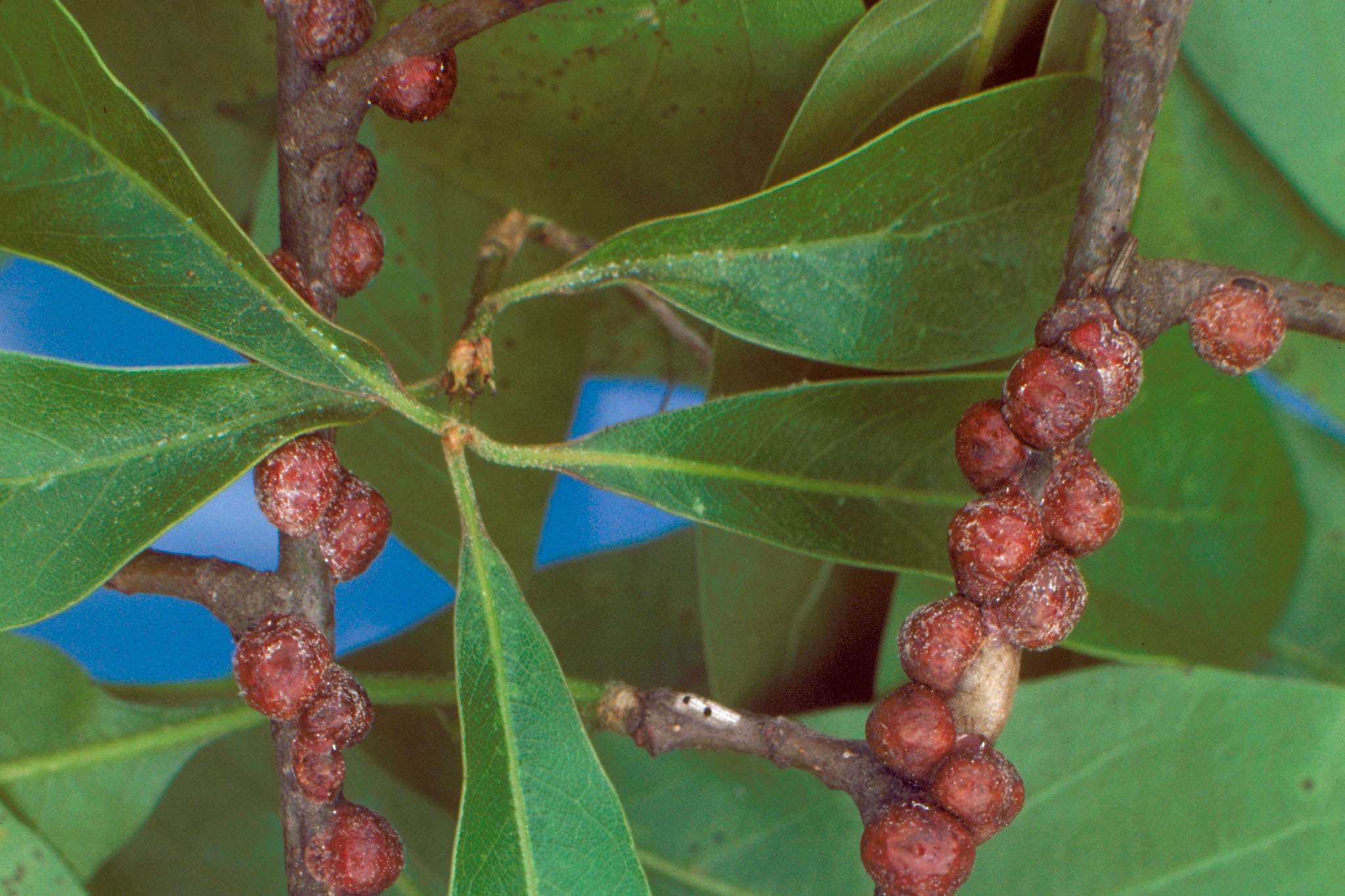
Oak lecanium, Parthenolecanium quercifex (Hemiptera: Coccidae), is a common soft scale insect pest of oak trees and other woody plants. They infest trees under high stress, such as those planted in parking lots, greenscapes, and other urban areas. Like other soft scale insects, oak lecanium scales feed on tree sap, and they excrete the excess sugars as honeydew. Sooty mold fungus grows on honeydew, and its black color blocks sunlight and interrupts photosynthesis. Although lecanium scales have little immediate impact on twigs and branches, extensive infestation and subsequent feeding damage may weaken or kill the tree over time. The problems with lecanium scale are worsened in urban landscapes where local temperatures are generally higher. Higher temperatures decrease the relative number of parasites that feed on scale insects, and the high densities of surviving females continue to produce viable eggs.
|
-
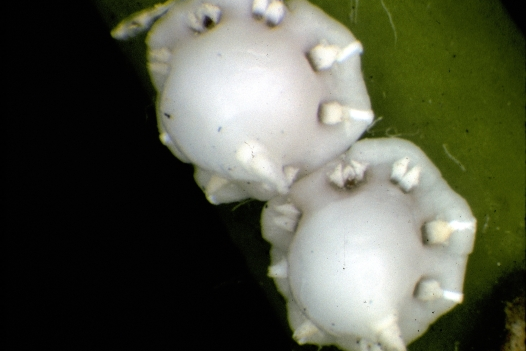
Scale insects are very common pests of landscape trees and shrubs, yet they often are overlooked when scouting. They can, however, be responsible for chlorosis (loss of green coloration of plants due to lack of chlorophyll), branch dieback, or death of the plant. Wax scales are part of the soft scale group as they produce soft, cottony, powdery, or waxy covers that cannot be separated from the scale body. Indian wax scale and Florida wax scale are the common wax scale species that occur in Georgia. Indian wax scale is prevalent in the eastern U.S. from Florida to Maryland. Florida wax scale is found from Florida to New York and westward to New Mexico.
|
-
C 1274
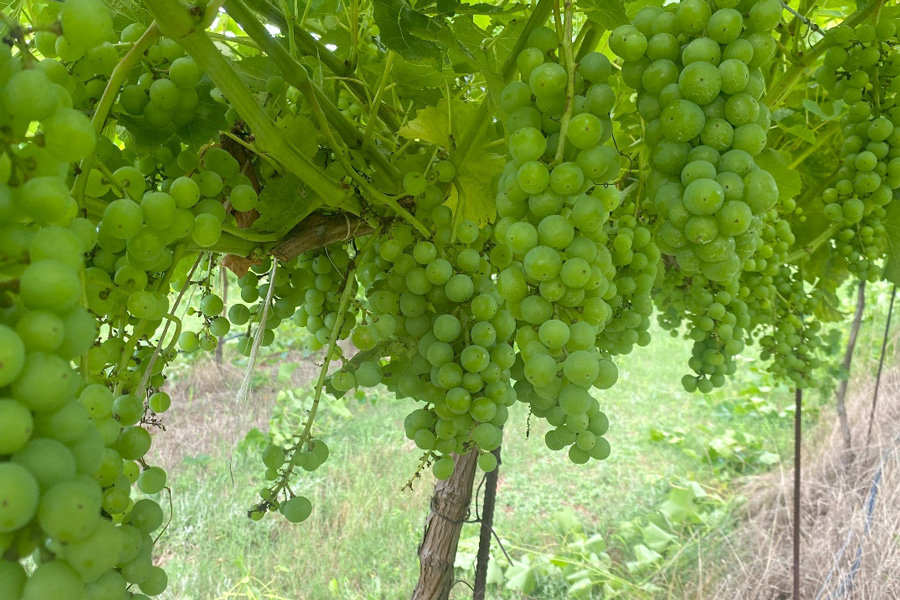
Blanc du Bois
‘Blanc du Bois’ has made a significant contribution to wine production in southeastern regions where Pierce’s disease is prevalent. Though possessing resistance or tolerance to Pierce’s disease, Phylloxera, and powdery mildew, this cultivar is not without fault, and it does require an intensive integrated pest management (IPM) program. We cover here the major issues observed with this cultivar.
|
-
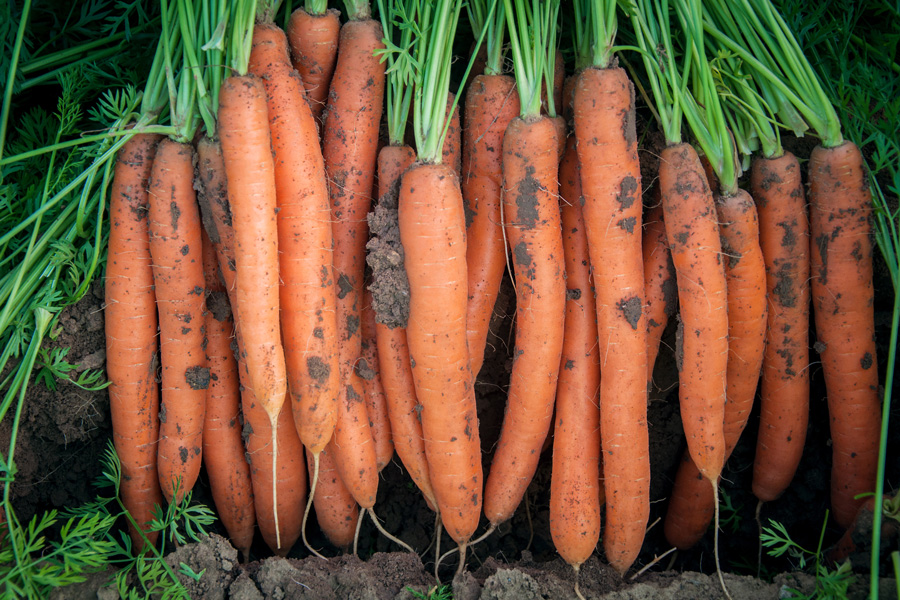
Carrots suffer significant yield losses from nematode pests because the harvested edible product (taproot) is directly affected by nematode infection, resulting in reduced marketable yield and quality. Root-knot nematodes (Meloidogyne spp.) are widespread in several counties in South Georgia and cause serious damage to carrots. Stubby-root (Paratrichodorus or Nanidorus spp.) and root-lesion (Pratylenchus spp.) nematodes are also common in these regions, though, their damage potential to carrots has not yet been established. This publication reports information on nematode detection, biology, and different control practices for the proper production of carrots.
|
-
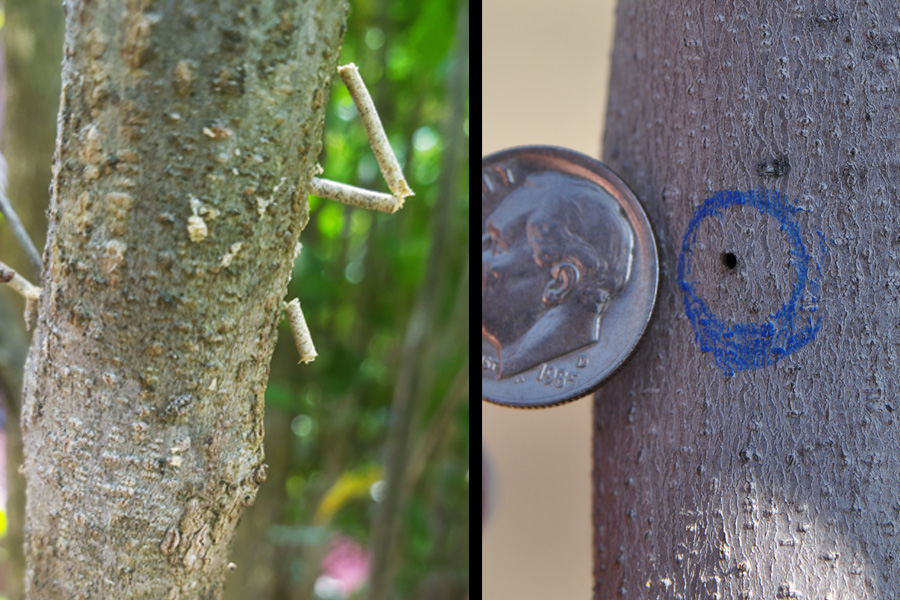
This pocket field guide provides a summary of the common economically damaging species of ambrosia beetles in the Eastern and Southern U.S. It includes an easy-to-use morphological identification guide, external and internal plant-injury descriptions to help in infestation diagnosis, and trapping guidelines and protocols for researchers, Extension agents, and growers. The finished printed size of this guide is 3″ wide x 5″ high. Please contact the Publications Editor at extpublications@uga.edu to obtain a PDF suitable for commercial printing (with page bleeds).
|
-
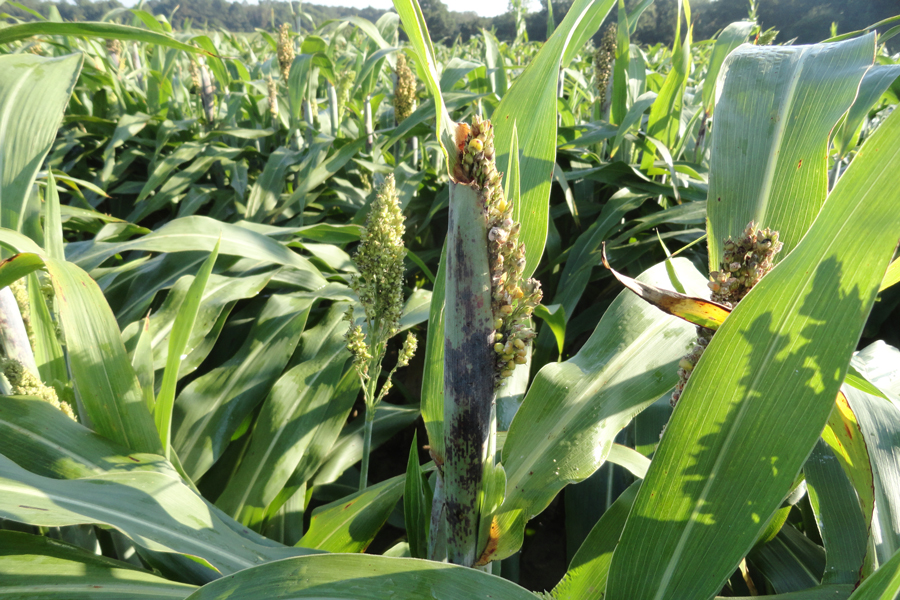
This publication contains information on the most important and common diseases of sorghum, the biology of the causal agents, as well as a detailed description of the disease symptoms (aided by high-quality detailed pictures), relevant up-to-date information on conditions favoring the diseases, as well as cultural, genetic and chemical methods of control. The publication is aimed for producers, crop consultants, county faculty, students, and general public.
|
-
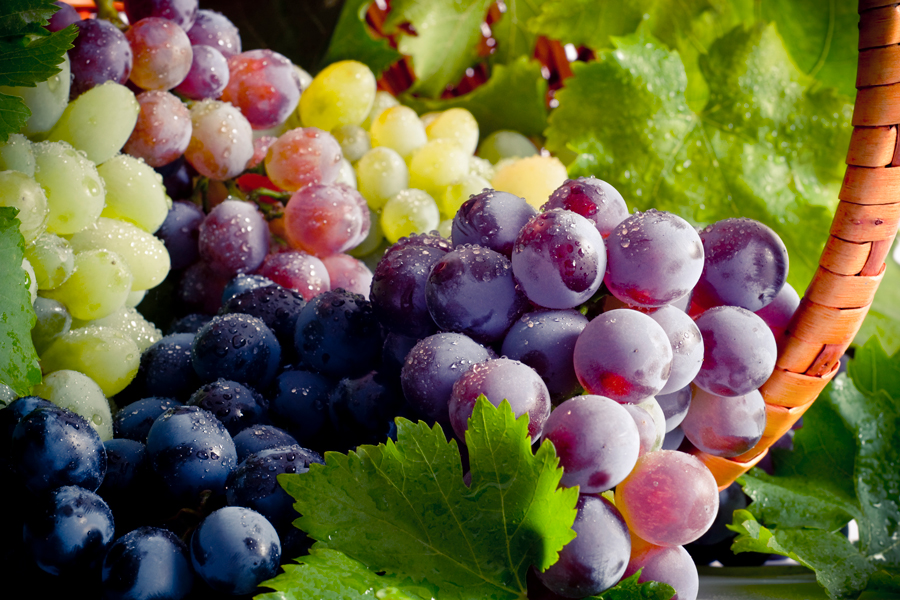
This is a new annual guide for managing diseases, insects, weeds, and wildlife in bunch grapes in the Southeast. This regional integrated pest management guide provides recommendations based on information from the manufacturer’s label and performance data from research and Extension field tests. This publication is intended for use only as a guide. Specific rates and application methods are on the pesticide label, and these are subject to change at any time. This publication is a product of the Southern Region Small Fruit Consortium.
|
-
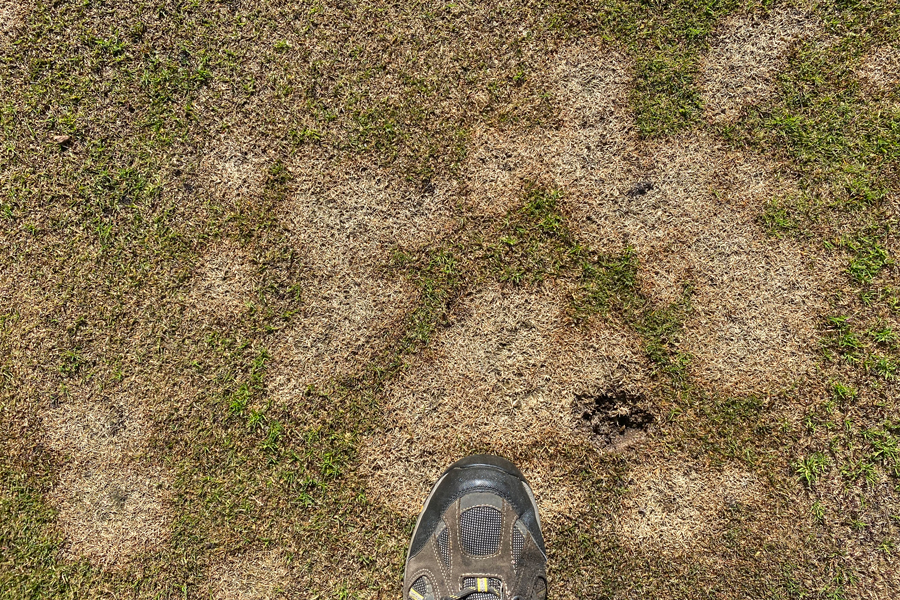
This publication contains information on Microdochium patch, an emerging disease in the state of Georgia. This circular contains the biology of the causal agent, as well as a detailed description of the disease symptoms (with detailed pictures), relevant up-to-date information on conditions favoring the disease, as well as cultural, genetic and chemical methods of control. The publication is aimed at turfgrass professionals, sod growers, consultants, county faculty, students, and the general public.
|