Plant Pests and Diseases Resources
-
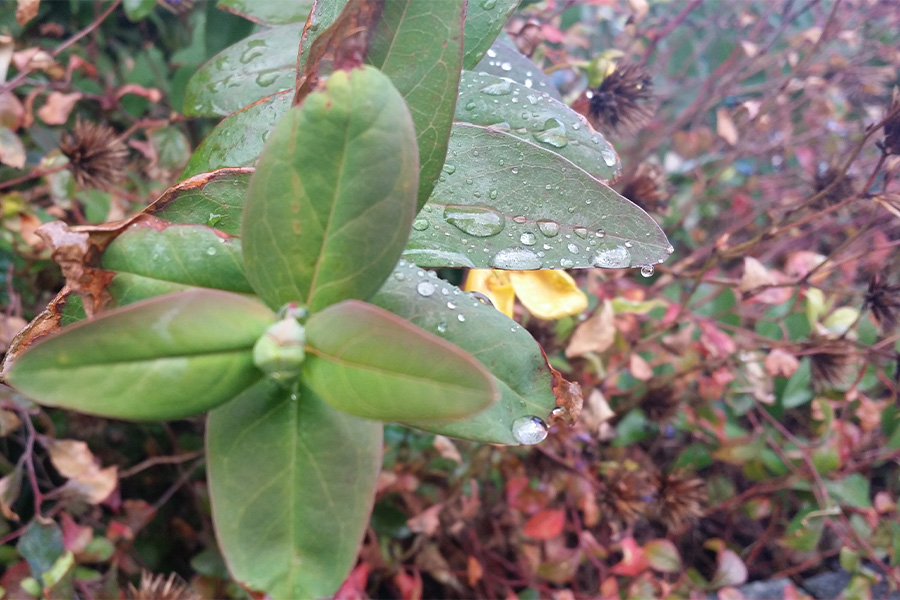
This publication discusses ways to identify and control Virginia buttonweed, a troublesome broadleaf weed in turfgrasses throughout the Southeast.
|
-
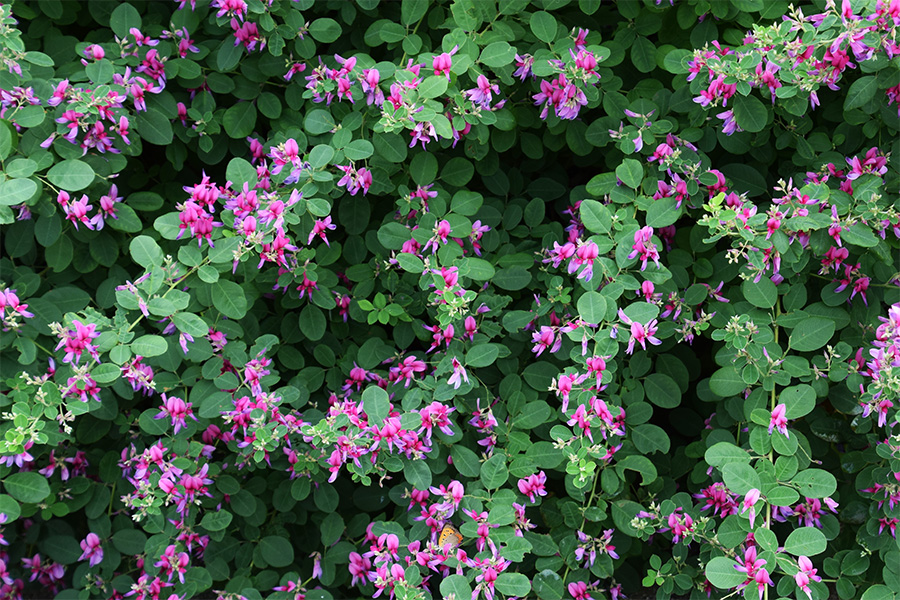
La lespedeza común (Kummerowia striata (Thunb.) Schind syn. Lespedeza striata) es una leguminosa anual de verano sin organización en sus ramificaciones, que es una maleza problemática en céspedes de jardines residenciales así como en otras áreas de césped.
[Common lespedeza (Kummerowia striata (Thunb.) Schind syn. Lespedeza striata) is a freely branched, summer annual legume that is a problematic weed in lawns and other turf areas. This publication describes ways to identify and control Lespedeza in turfgrass, including cultural control methods, preemergence herbicides and postemergence herbicides.]
|
-
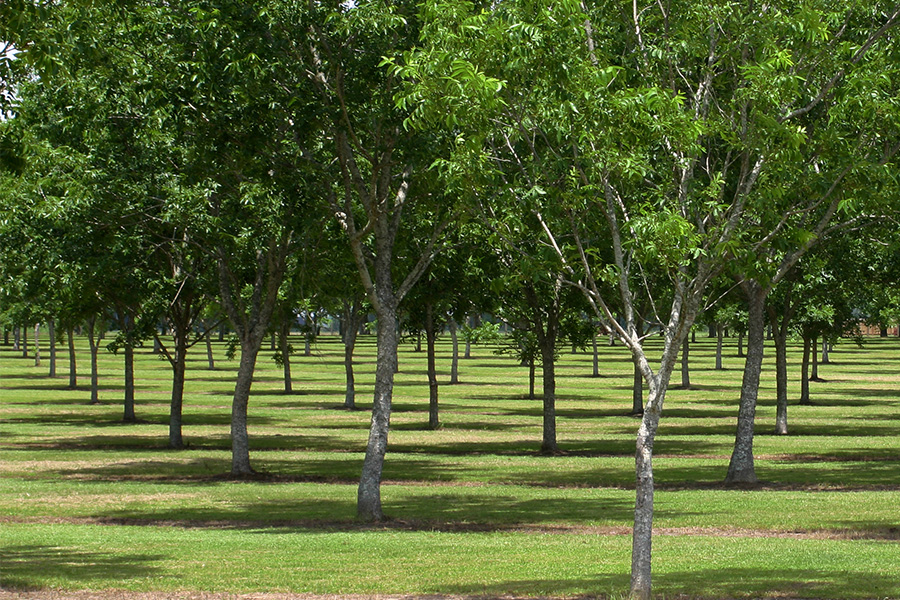
As Georgia’s pecan production acreage has increased, reports of insect pests that attack younger, less established trees have also increased, particularly infestations by pecan bud moth and ambrosia beetles. This circular summarizes the pertinent insect pests that attack young, non-bearing pecan trees, including key details on their biology, injury, monitoring, and management. This information should be helpful to both new pecan growers and experienced growers with newly established orchards.
|
-
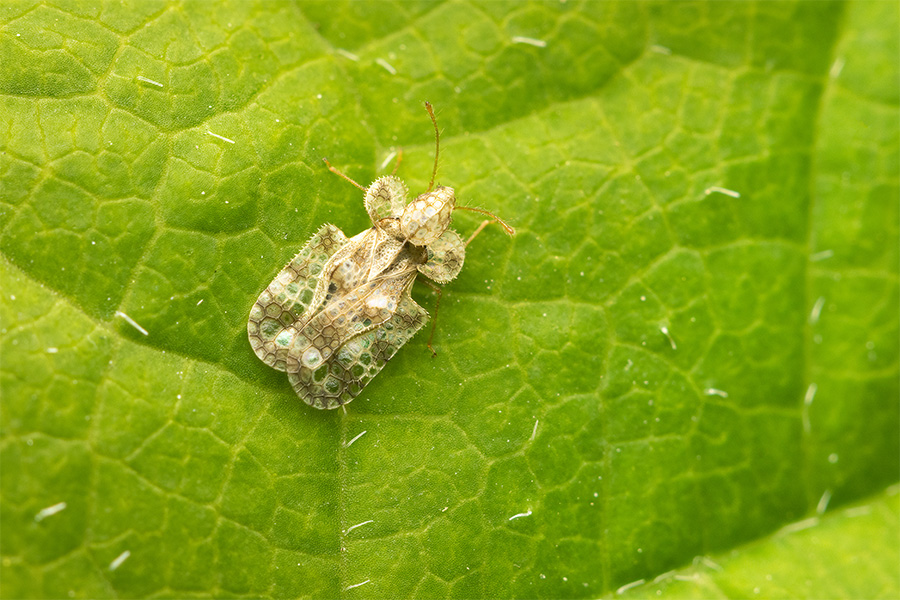
This resource covers lace bugs in landscapes, which can damage the foliage of trees and shrubs and detract from their beauty and, in severe cases, kill the plants.
|
-
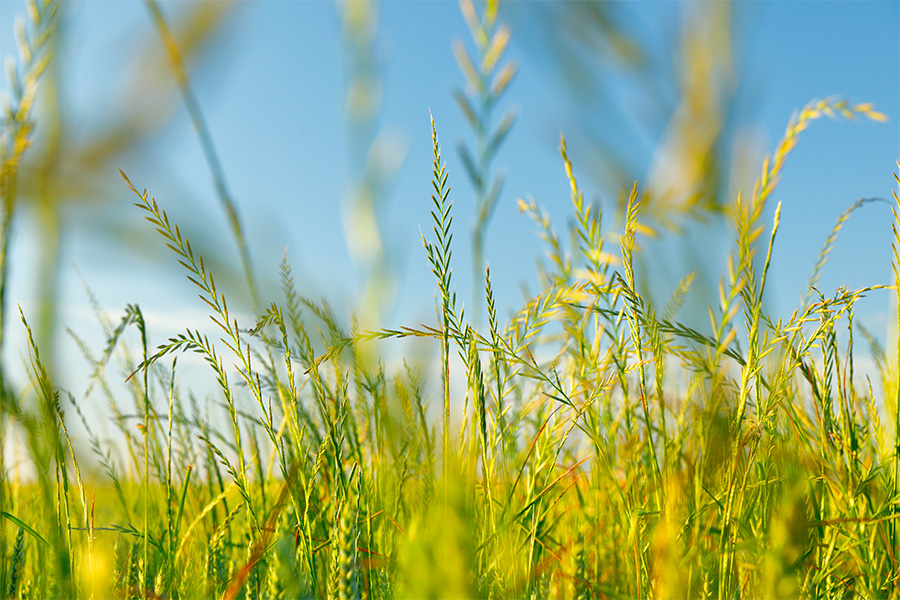
Annual ryegrass, also referred to as Italian ryegrass, is the most problematic winter annual weed in Georgia hayfields. Seed germinates from September to November. Seedlings mature in the fall, overwinter in a vegetative state, and resume active growth in the spring. Annual ryegrass is a prolific seed producer that contributes to annual infestations. This resource summarizes the growth and identification of this weed. Cultural and chemical control options are also presented for tall fescue, bermudagrass, alfalfa, bahiagrass and other forage legumes grown for hay production.
|
-
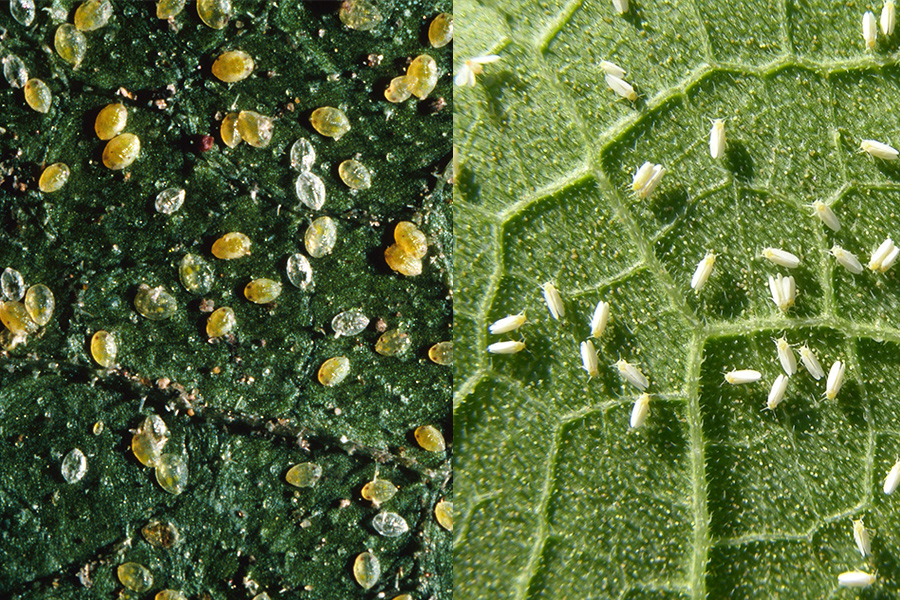
The silverleaf whitefly (also known as sweet potato whitefly) is a pest of a wide variety of horticultural and agronomic crops in southern Georgia. Their direct feeding can damage plants and lead to additional problems with the accumulation of honeydew and sooty mold, and these insects also inject salivary fluids while feeding, which can result in plant disorders and transmission of plant viruses.
|
-
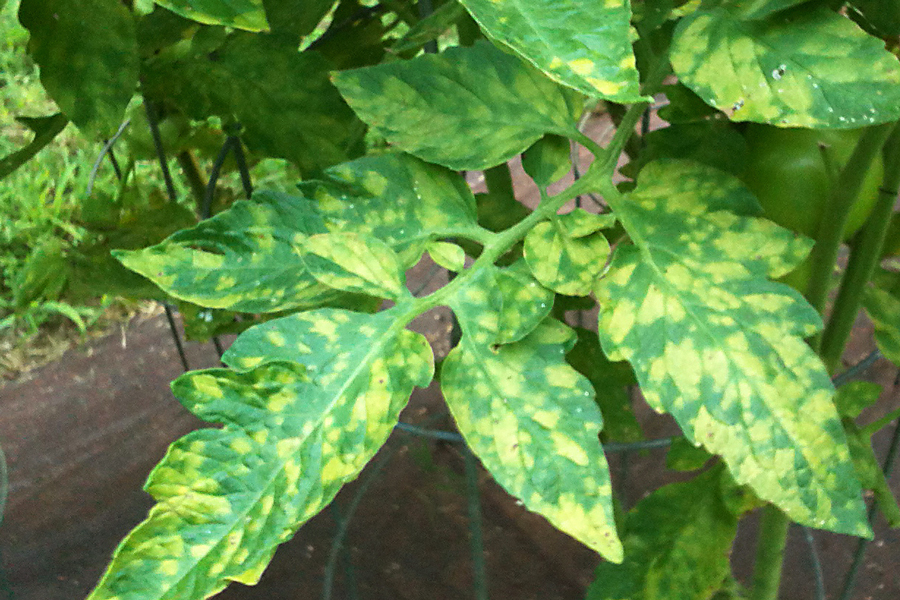
This publication contains information about common tomato diseases in Georgia. It includes photographs and descriptions of diseases such as buckeye rot and fusarium wilt.
|
-
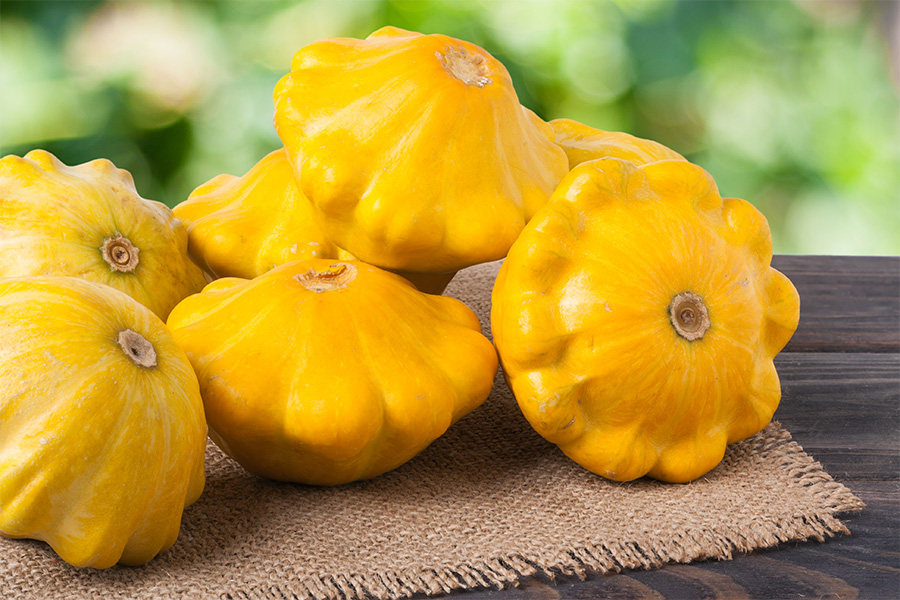
Summer squash is one of the most popular warm season vegetables grown in home gardens. Unfortunately, the levels of insect attacks on summer squash have risen dramatically over the last 10 years. Safe and effective controls are needed to help produce this important crop with all of the pressures of insect pests. This publication will discuss both organic and non-organic solutions for homeowners to try in their home garden, including the use of barriers, trap crops and chemical controls.
|
-
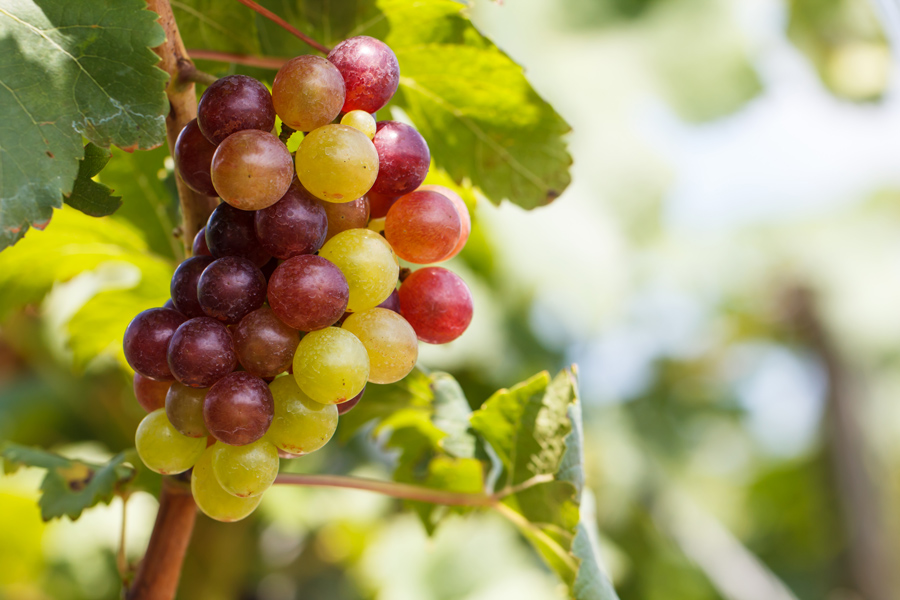
C 1303
Muscadine Grape Management
This phenology-based muscadine grape management poster provides a reference for sound viticultural, disease, and insect management practices in a digestible format. Produced in cooperation with University of Tennessee, North Carolina State University, University of Arkansas, and Auburn University. A publication of the Southern Region Small Fruit Consortium.
|