Plant Pests and Diseases Resources
-
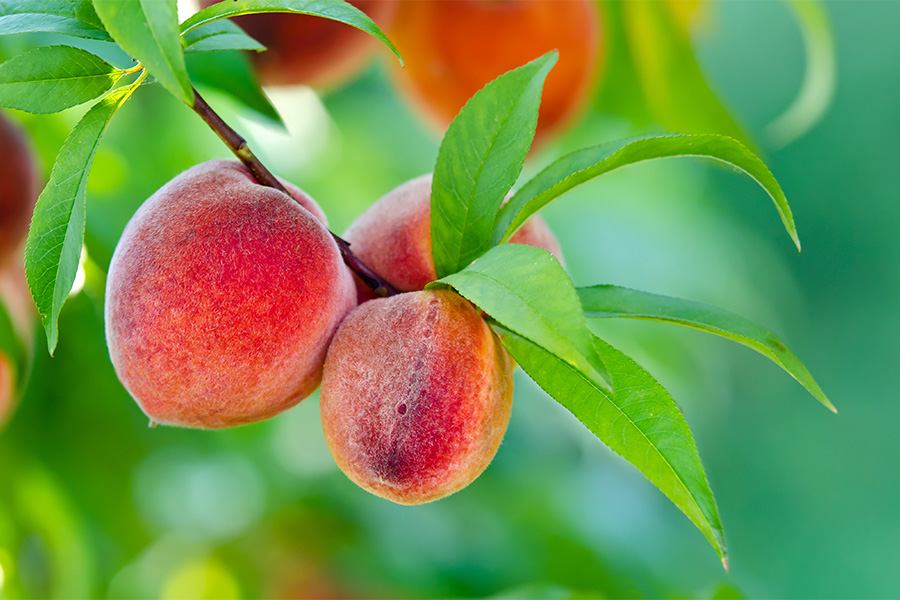
San Jose scale, Comstockaspis perniciosus (Comstock), is a pest of peaches, nectarines, plums, and other tree fruits including apples, pears, and cherries. San Jose scale is considered a secondary pest in many regions of the country, but in the Southeast U.S., it has been one of the most common and most destructive pests to the peach industry since the early 2000s.
|
-
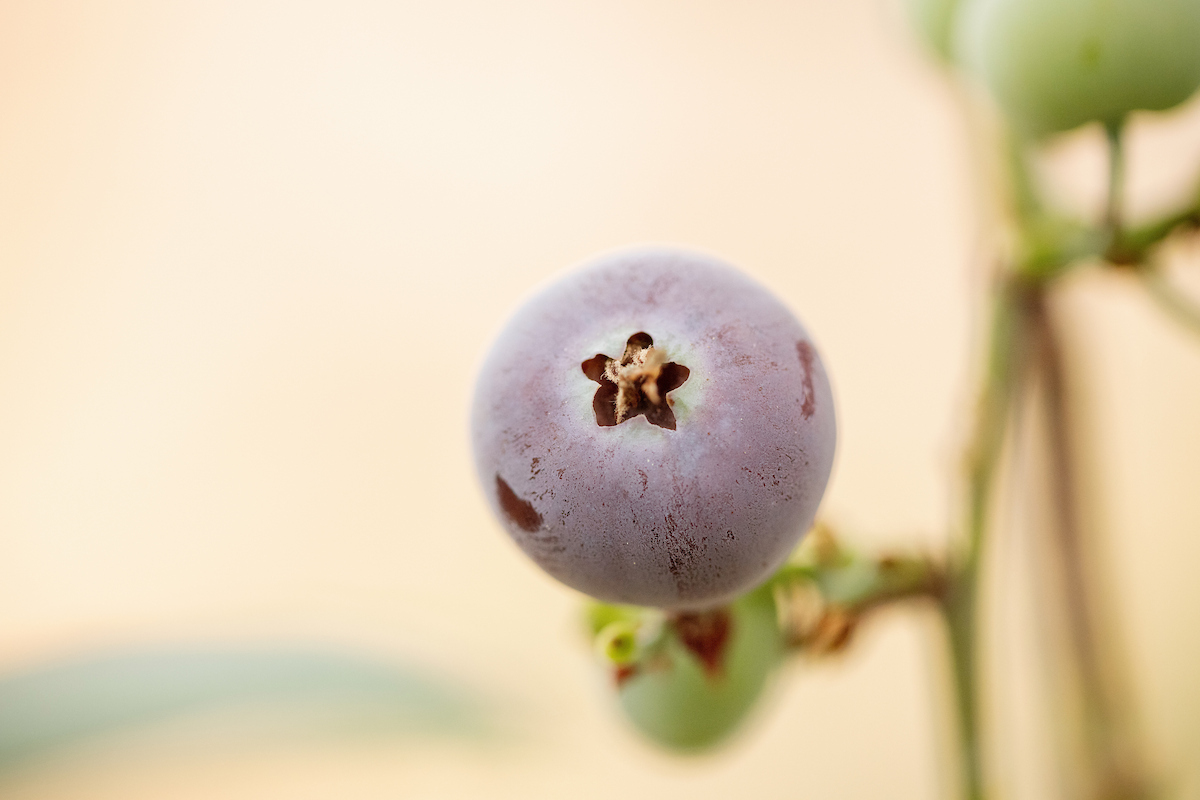
2022 plant disease losses, including control costs, amounted to an estimated $933 million. The value of the crops used in this estimate was approximately $8200 million, resulting in a 11.4% relative disease loss across all crops included in this summary. The estimated values for most crops used to compute these disease losses are summarized in the UGA Center for Agribusiness & Economic Development 2022 Georgia Farm Gate Value Report (AR-24-01). Some estimates for fruits, ornamentals, and turf rely on Extension specialists’ knowledge of the industry and industry sources for information.
|
-
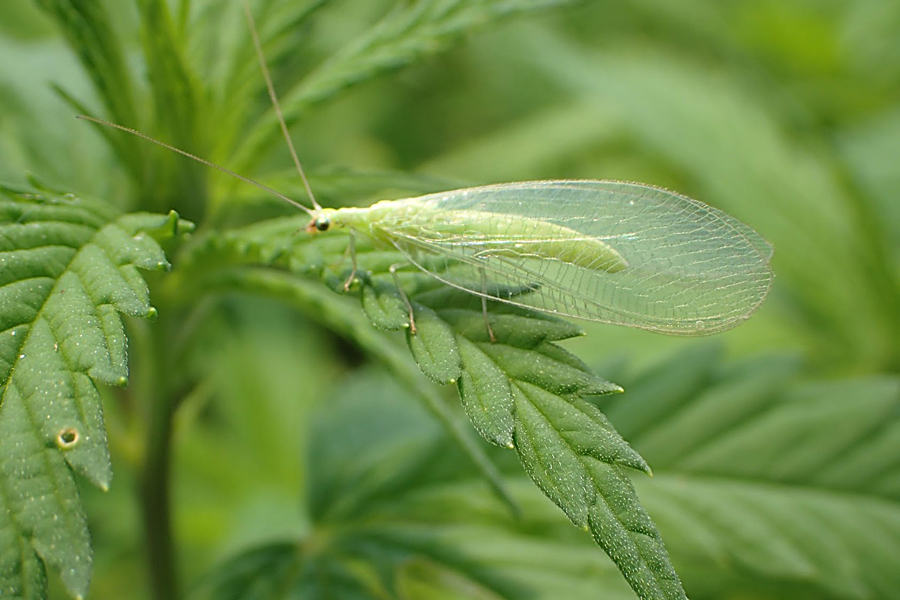
Blueberries are becoming the state fruit of Georgia with considerable acreage planted. Blueberries have many pest challenges and a current invasive pest challenge from spotted wing drosophilia (SWD). While efforts are underway to release new biocontrol agents for SWD, we still know little about the natural enemies in blueberry systems. Here we provide an overview of common natural enemies and conservation strategies for preserving beneficial species in blueberry systems. The work was funded by the NRCS to provide new information on natural enemies and pollinators and help with design and implementation of habitat management concepts.
|
-
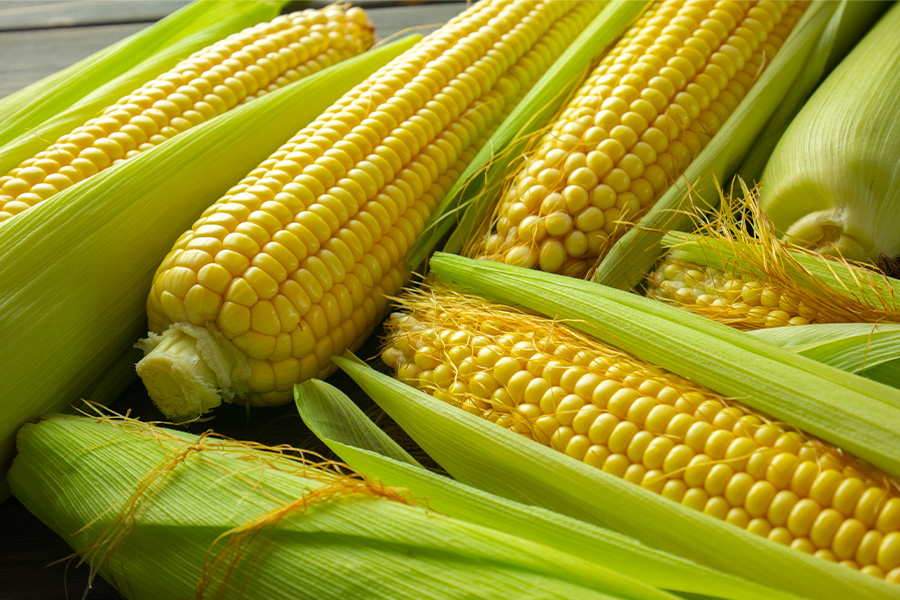
Sweet corn is not difficult to grow and, by following the cultural guidelines provided in this publication, you too can enjoy this sweet delicacy.
|
-
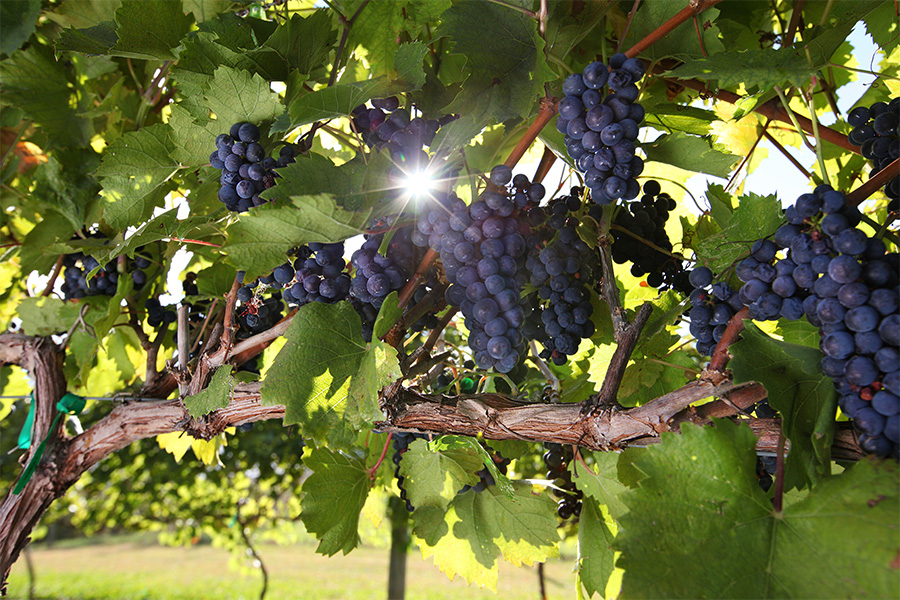
Pierce’s disease (PD) may be the greatest threat to the growth and sustainability of wine grape industries in the Southeastern U.S. The first step to managing grapevine PD is understanding the threat of PD as dictated by the region in which vines will be planted. It is highly advised that PD-tolerant cultivars be planted if a vineyard will be established in a region of high PD-threat. Growers should understand that there is a risk of planting Vitis vinifera and other PD-intolerant cultivars in several Southeastern U.S. regions, including the mountain regions of northern Georgia and piedmont regions in North Carolina. If PD-intolerant cultivars are planted, leafhopper vectors should be intensively scouted for and managed, and PD-infected vines should be immediately rogued out of the vineyard.
|
-
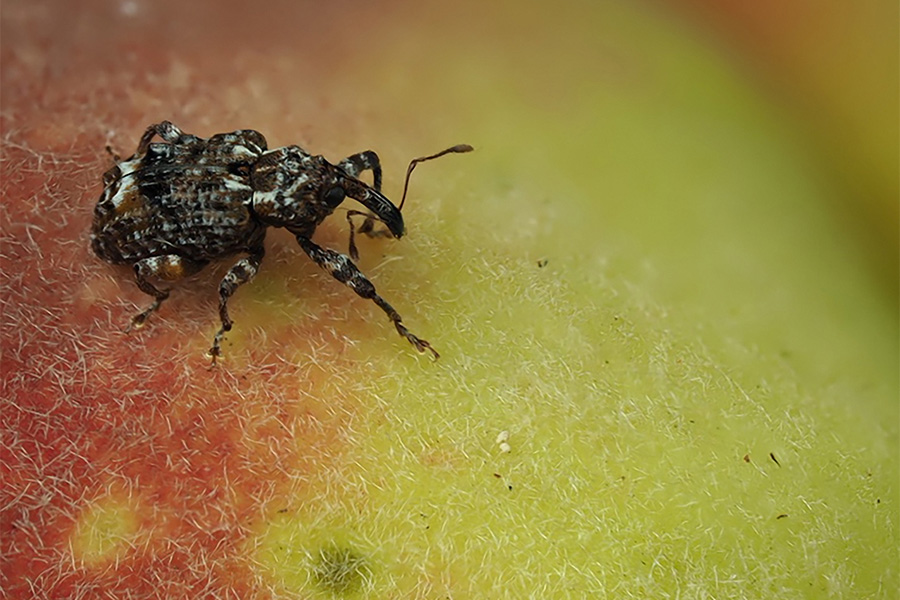
Plum curculio, Conotrachelus nenuphar (Herbst), is a key insect pest of peaches in the Southeast region of the United States. It is a snout beetle native to North America and is found east of the Rocky Mountains in the U.S. and Canada. Plum curculio drives the insect pest management program for Georgia peach producers. This circular covers the biology, damage, and current management recommendations for plum curculio in Georgia peach production.
|
-

Every year, wildlife causes millions of dollars of damage in Georgia. Losses may be economic (like damage to crops) or aesthetic (for example, damage to landscapes or golf courses) and can range from physical damage to vehicles or equipment to public health issues like water pollution and disease transfer to humans, pets or livestock. However, not everyone needs to undertake a wildlife damage control program. This publication provides recommendations for repelling damage-causing wildlife.
|
-
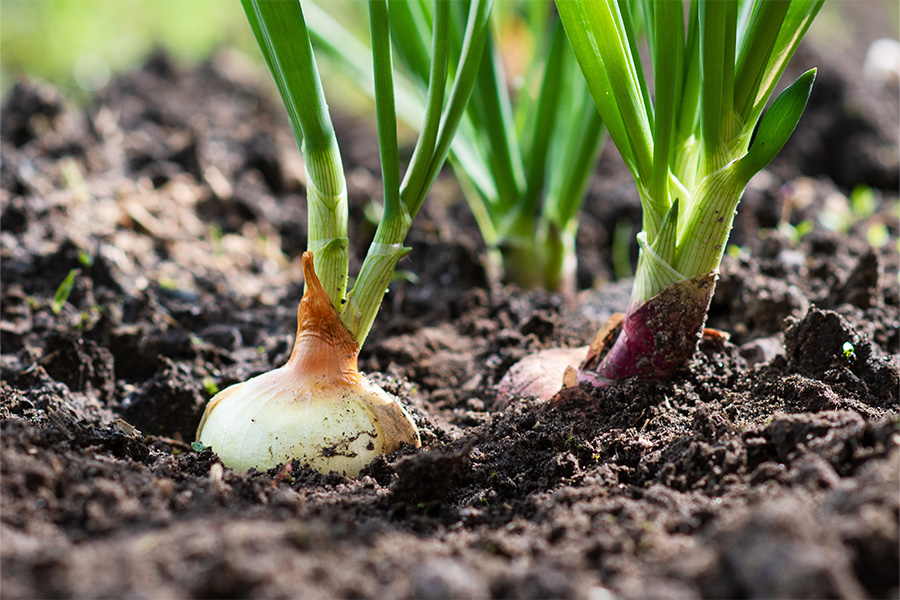
Bacterial diseases are among the major production and economic challenges that onion growers face in Georgia. There are six bacterial diseases that commonly affect onion foliage and bulbs in the state. These diseases are difficult to manage and rely mainly on cultural practices and the use of protective bactericides. Host resistance is limited with little information on pathogen biology and the infection process. This bulletin provides a comprehensive outlook on specific symptoms associated with bacterial diseases, modes of infection and spread, and potential management options.
|
-
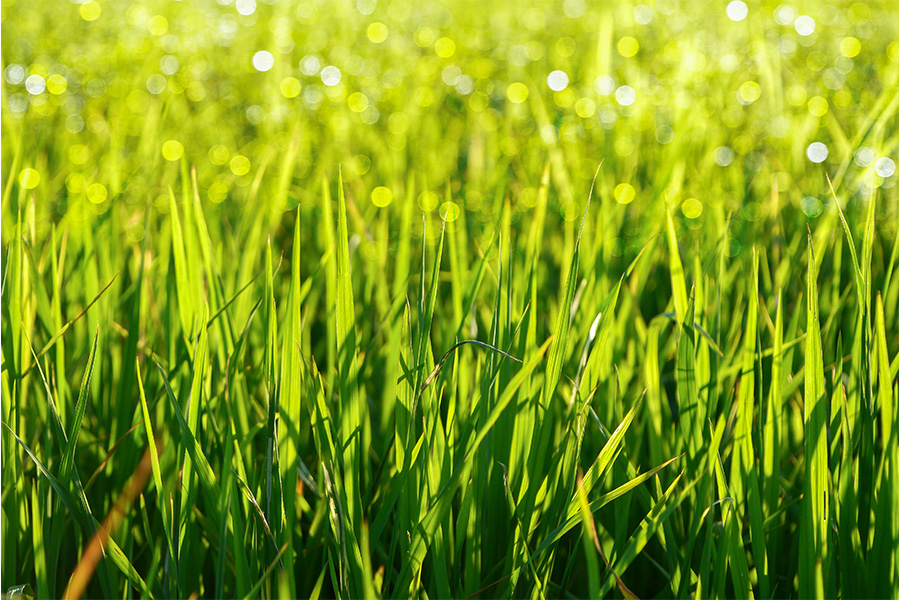
La bermuda es una planta perenne de estación cálida ampliamente utilizada para su uso como césped en el sudeste de los Estados Unidos.
[Although improved common (Cynodon dactylon (L.) Pers.) and hybrid bermudagrasses (Cynodon dactylon x C. transvaalensis Burtt-Davy) have desirable qualities as turfgrasses for heat, drought and wear tolerance, bermudagrass is a problematic weed when grown in mixed stands with other turf species. Selective control of bermudagrass is difficult but often warranted in order to maintain acceptable quality of the desired turfgrass species. This publication describes bermudagrass control methods for Southern lawns.]
|