Plant Pests and Diseases Resources
-
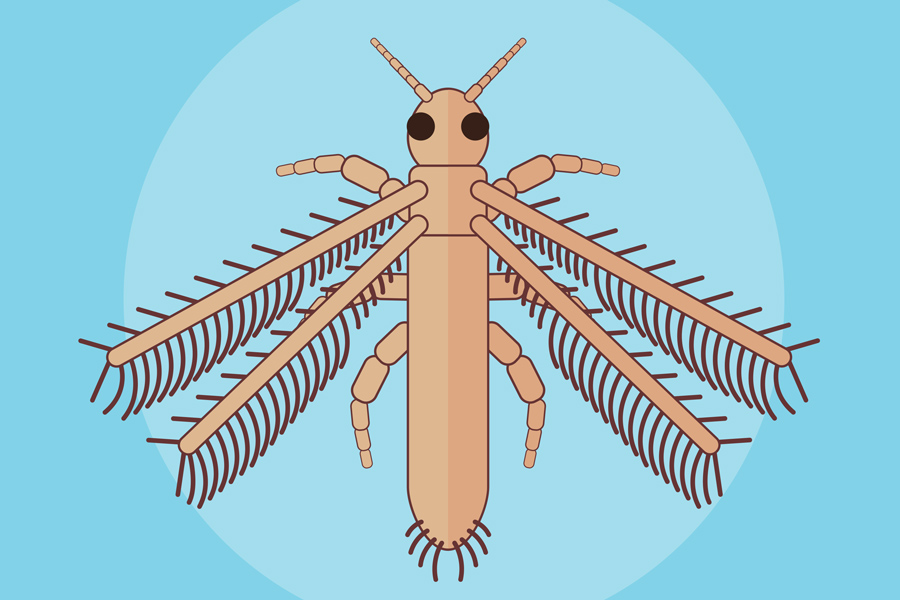
Thrips are tiny, cigar-shaped insects, with about 5000 known species, many of which cause damage to cultivated plants by feeding or spreading plant diseases. It is usually difficult to identify thrips species. Although they are winged, thrips are generally weak fliers, but they can be dispersed by wind and the transport of infested plant material. Some of the common thrips affecting landscape and nursery plants are described here.
|
-
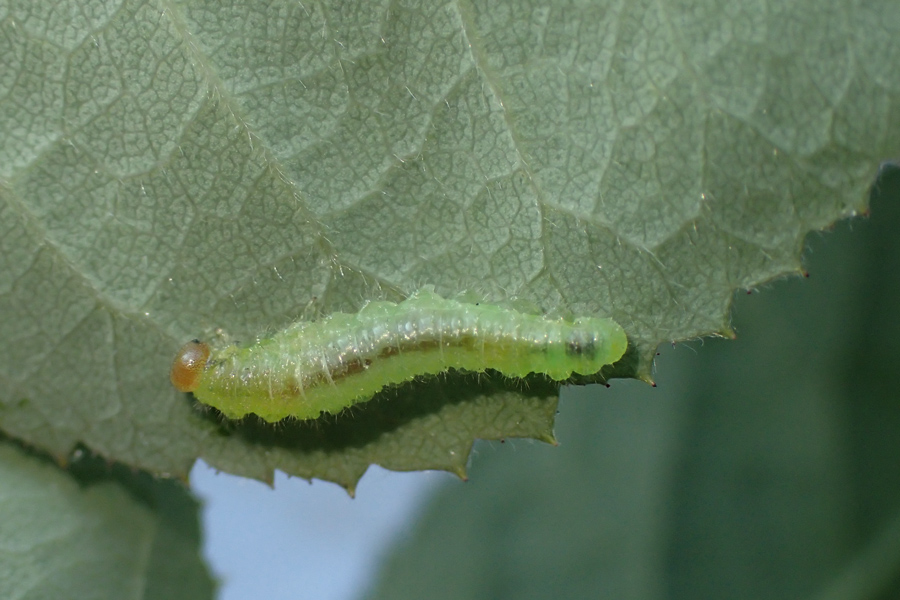
The bristly roseslug sawfly is a common species of roseslug in Georgia. The larval stages feed on rose leaves and cause extensive damage; it is particularly problematic on rose shrubs in ornamental landscapes. This publication tells you how to manage these pests in your gardens and landscapes.
|
-
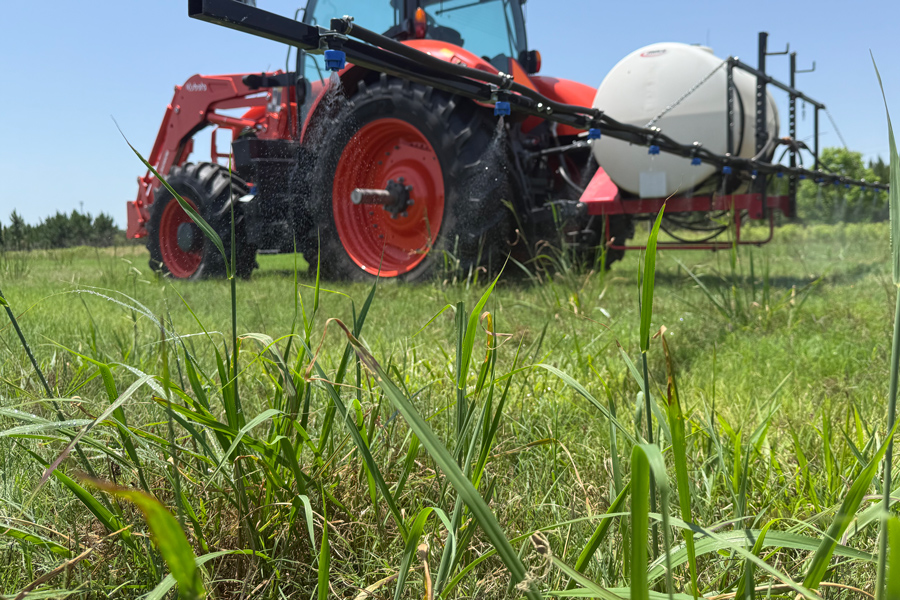
Vaseygrass is a warm-season perennial grass weed commonly found in pastures and hayfields in the southern half of Georgia. Recently, vaseygrass has begun to spread north in Georgia and can now be found sporadically throughout the Piedmont region of the state.
|
-
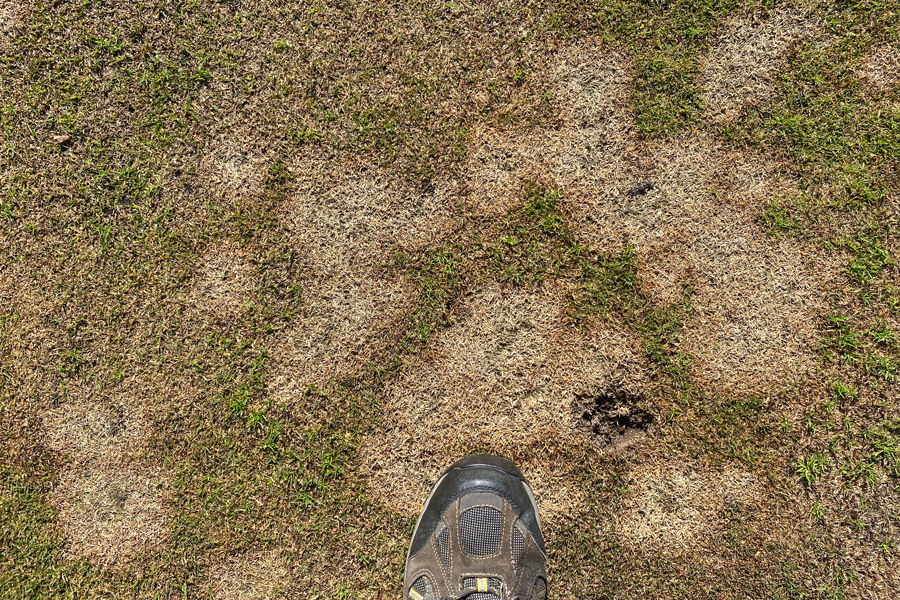
Microdochium puede ser severo tanto en el césped principal como en Poa, Lolium, Festuca pero puede infectar a céspedes de clima cálido si estos tienen un crecimiento activo o están en semi-dormancia. La enfermedad se observa comúnmente en áreas que se han sido resembradas.
|
-
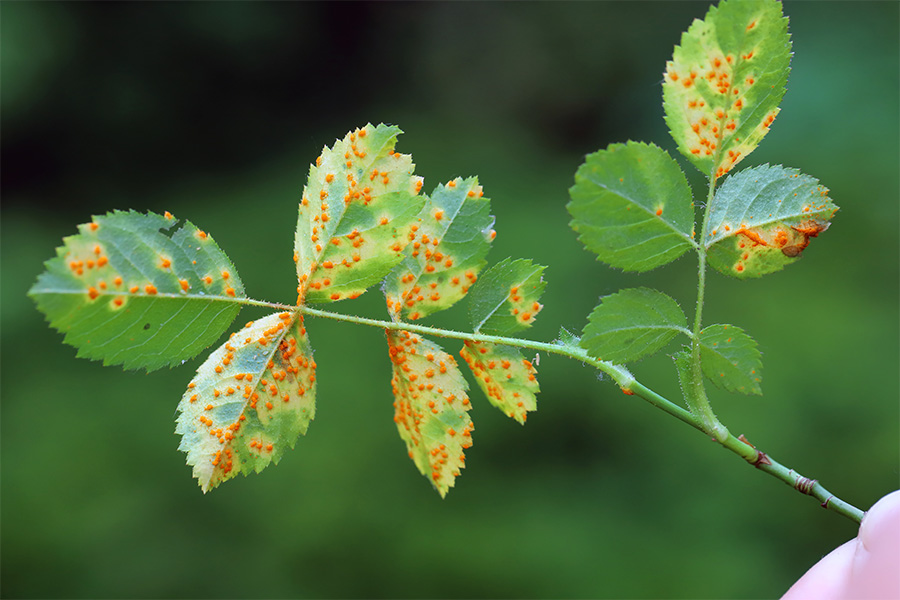
Esta publicación describe algunas de las enfermedades más problemáticas en las plantas de ornato más usadas en el jardín. El material presentado aquí le ayudará a identificar estas enfermedades y encontrará las recomendaciones para su tratamiento. El conocimiento de estas enfermedades permitirá a los jardineros profesionales y amateurs a combatir estas enfermedades y tener plantas saludables y bellas.
|
-
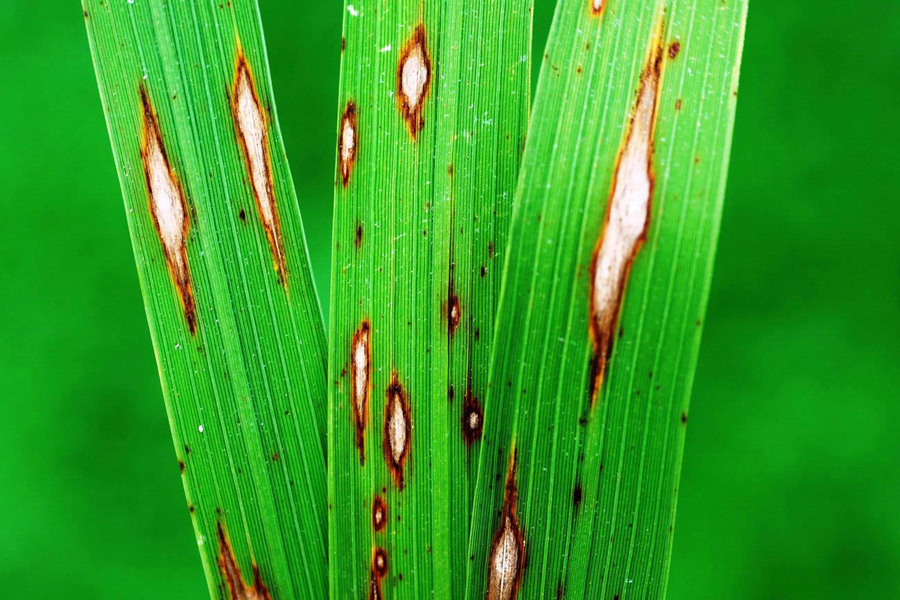
En el estado de Georgia, la mancha gris afecta primordialmente al césped San Agustín y es particularmente dañino y muy prevalente en áreas costeras del estado. En fescue alto aparece en forma esporádica y se observa anualmente en la región norte del estado (zona del Piedmont). Afectando céspedes estresados por el calor. En la región sur y central de Georgia, la mancha gris es más activa en junio a agosto, sin embargo, en las primaveras que son cálidas, la enfermedad puede presentarse temprano en el año.
|
-
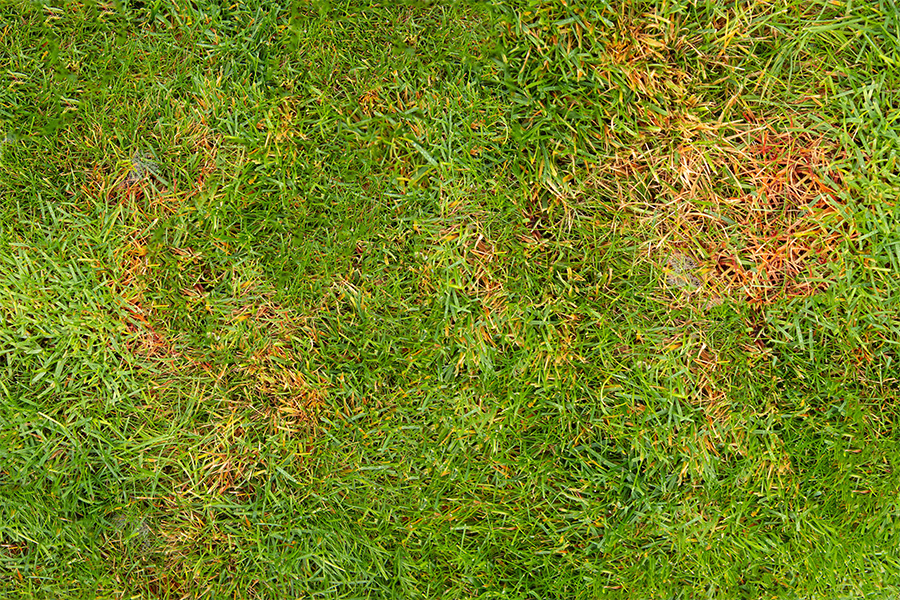
This publication is a comprehensive guide to identifying and controlling turfgrass diseases in Georgia.
|
-
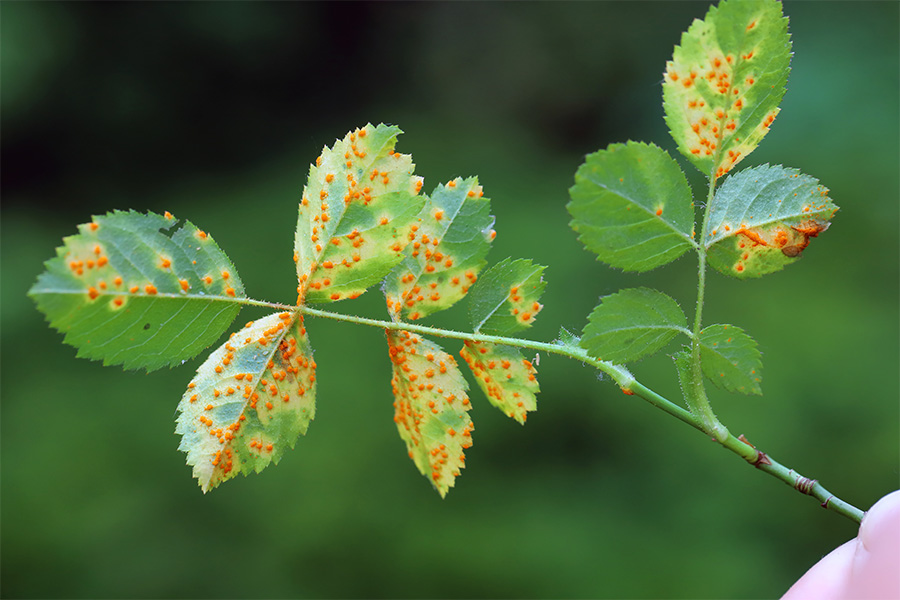
This publication describes some of the most troublesome diseases of Georgia’s landscape plants to help readers identify and treat these diseases. This resource is useful for professional and amateur growers alike to better fight plant diseases and produce healthy plants.
|
-
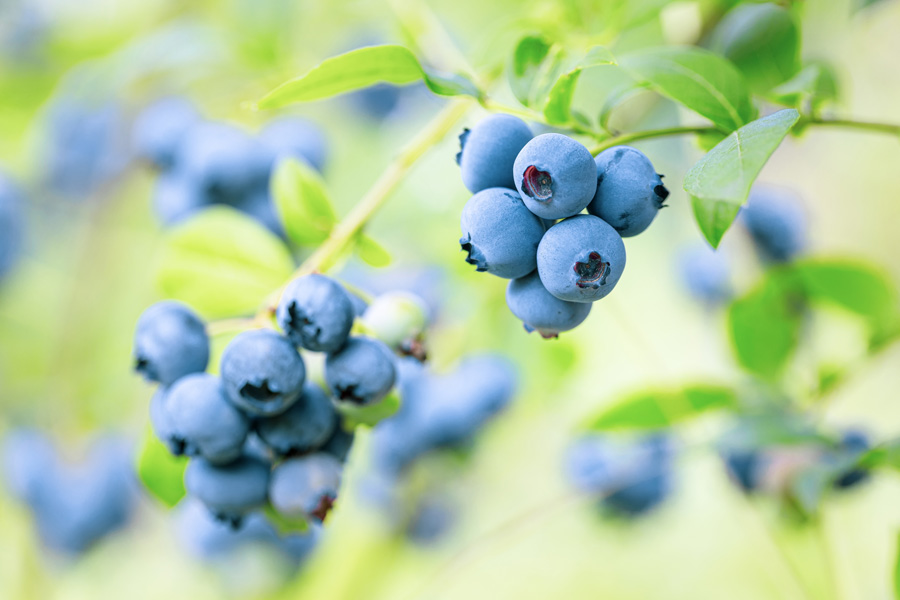
The 2026 edition of this publication covers integrated pest management information for blueberry producers in the Southeastern U.S. Recommendations are based on information from the manufacturer’s label and performance data from research and Extension field tests. This publication is intended for use only as a guide. Specific rates and application methods are on the pesticide label, and these are subject to change at any time. This publication is a product of the Southern Region Small Fruit Consortium.
|