Plant Pests and Diseases Resources
-
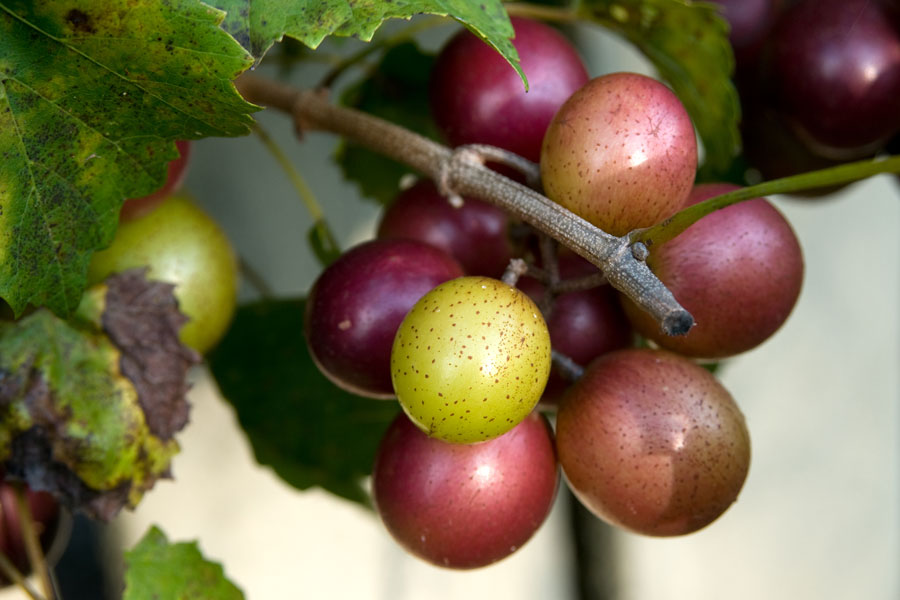
This 2024 update to the regional integrated pest management guide provides recommendations for muscadine grape production in the Southeastern U.S. Recommendations are based on information from the manufacturer’s label and performance data from research and Extension field tests. This publication is intended for use only as a guide. Specific rates and application methods are on the pesticide label, and these are subject to change at any time.
|
-

The success of the Southeast Boll Weevil Eradication Program has played a major role in the recent revival of Georgia’s cotton industry. Along with these economic benefits, the remarkable success of the eradication program
has led to a significant decrease in insecticide use in Georgia cotton, and to substantial environmental benefits to growers and residents of the state.|
-

Whiteflies are common and recurrent insect pests of cotton in Georgia. The severity of whitefly damage varies from year to year based on the size of the pest population. The most abundant species of whitefly found infesting cotton in Georgia is Bemisia tabaci, commonly known as the silverleaf whitefly (SLWF) or sweet potato whitefly. Another species, bandedwinged whitefly (Trialeurodes abutiloneus), may also be present in Georgia cotton. This publication highlights whitefly biology, damage, sampling procedures, control methods, and tips for managing risk in cotton.
|
-

Detection of damaging nematode infestations may allow growers to significantly increase crop productivity and profitability. It is imperative that growers test their soil to determine which nematode species are present in their fields as well as their population densities. The best way to detect and identify nematode problems is through collecting soil and/or plant samples and having those samples analyzed in a reliable nematode diagnostic lab. It is highly recommended that, if you suspect a field has a nematode problem, test the soil and then consult with your local Extension agent or nematologist for advice on how to manage the nematode infection.
|
-
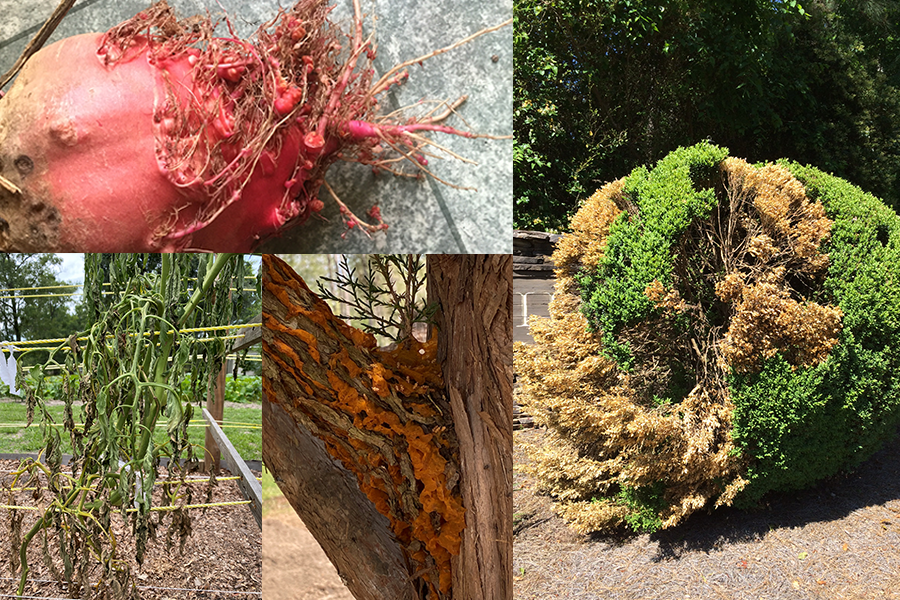
2021 plant disease losses, including control costs, amounted to an estimated $889 million. The value of the crops used in this estimate was approximately $7690 million, resulting in a 11.6% relative disease loss across all crops included in this summary. For most crops, the estimated values used to compute these disease losses are summarized in the UGA Center for Agribusiness & Economic Development’s “2021 Georgia Farm Gate Value Report” (AR-22-01). Some estimates for fruits, ornamentals, and turf rely on specialists’ knowledge of the industry and industry sources for information.
|
-
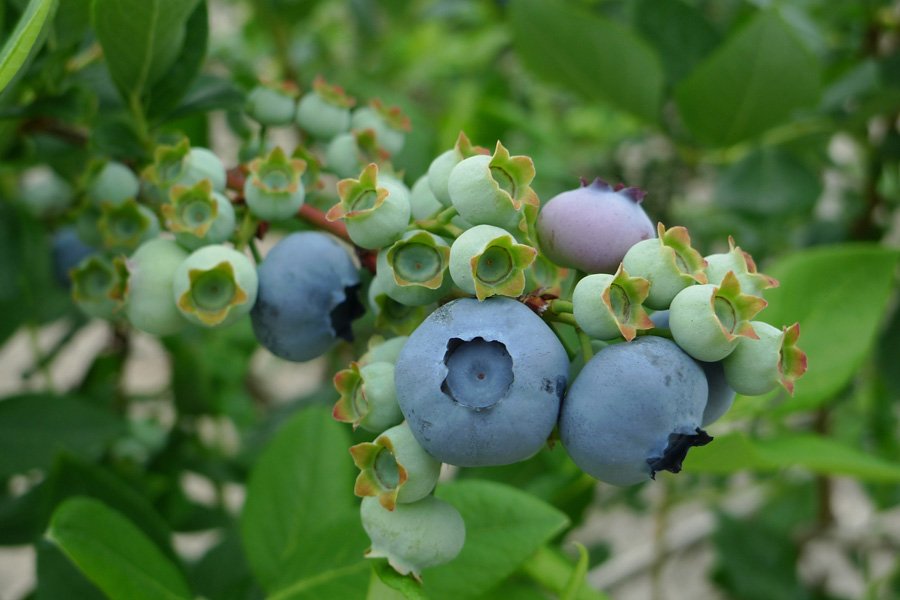
C 1278
Blueberry Production
This publication covers a brief history of the development of blueberries, plus general production requirements such as varieties, chill hours, soil considerations, etc. The southern highbush blueberry is a hybrid that requires fewer chill units compared to northern highbush types, allowing the state of Florida, southern areas, and Georgia to produce fruits in the U.S. market during March, April, and May. The development of southern highbush also has allowed the production of blueberries in countries such as Mexico and Peru.
|
-
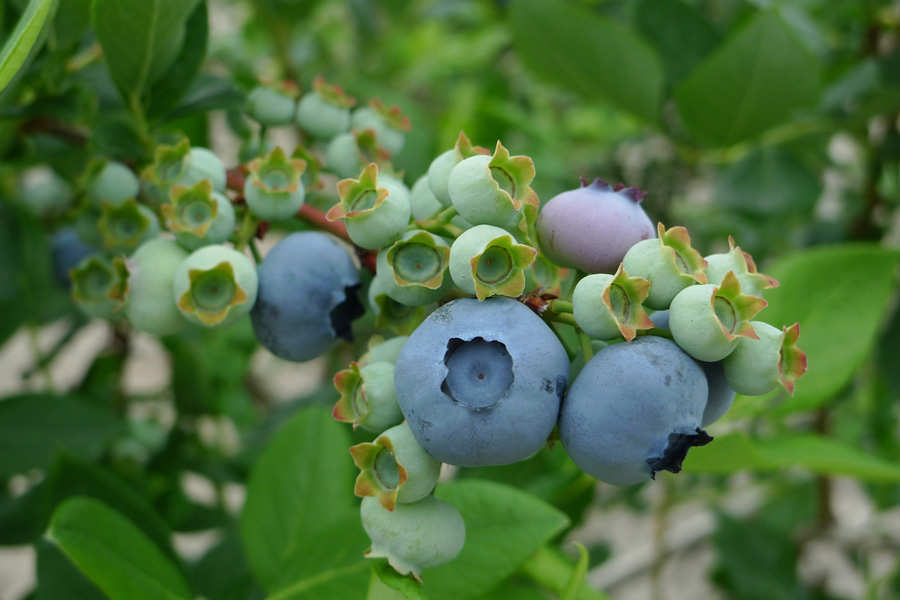
C 1278-SP
Los Arándanos y Su Producción
El arándano alto del sur, es un híbrido que requiere pocas horas de frio—una aproximación de cuantas horas la planta requiere estar expuesta a temperaturas de entre 32 a 45 °F para romper la dormancia y empezar iniciación floral—comparado con el arándano alto del norte. Por lo que permite al estado de Florida y áreas del Sur de Georgia posicionarse en el mercado estadounidense en los meses de Marzo, Abril y Mayo, y es el que ha permitido la producción de arándanos para exportación en países como México y Perú.
|
-

This is an annual report highlighting research conducted during 2021 and 2022 for Vidalia onions. Research topics include: variety trials, irrigation and fertilizer strategies, sulfur content in soils, effect of fertilizers on yield, thrips, factors affecting postharvest incidence of bacterial bulb rot, and Botrytis leaf blight.
|
-
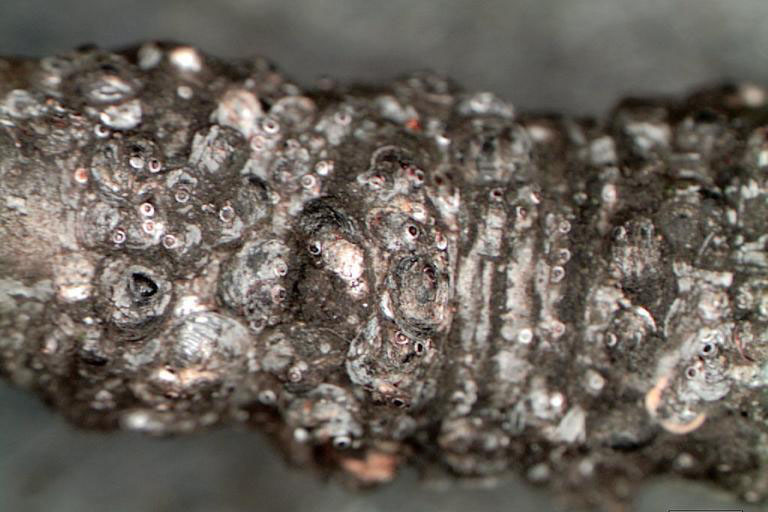
Gloomy scale is a serious insect pest that affects maple trees in urban Georgia, but it can go undetected for years. Affected trees can show branch dieback and canopy thinning after 6–10 years, when the population reaches extremely high densities. A waxy shield covering protects females from predators and insecticide exposure, and usually gives them a convex shape.
|