Plant Pests and Diseases Resources
-
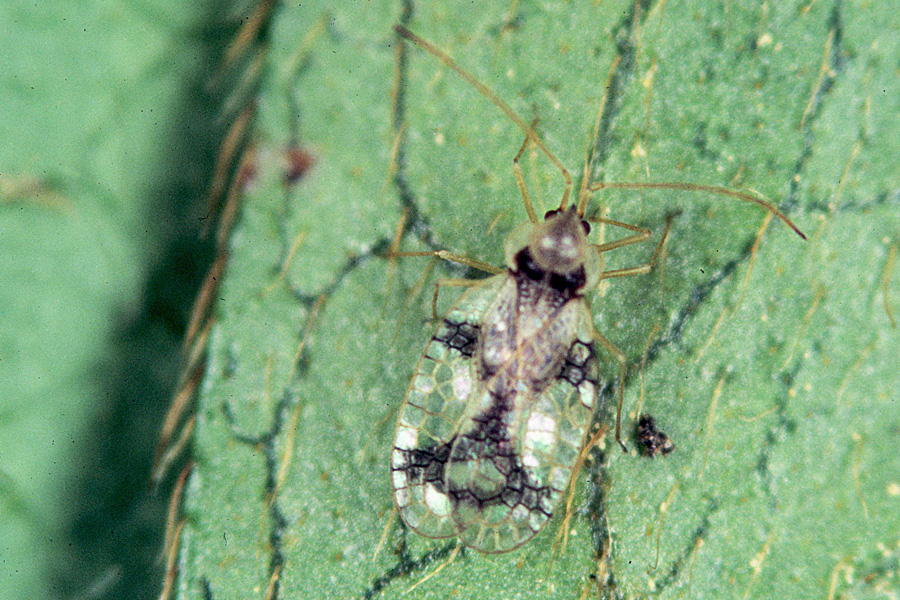
Many species of insects or mites attack Georgia landscape plants. Homeowners have difficulty controlling these pests because they often are not aware of the problem until both the infestation and the damage are extensive, or they may apply insecticides improperly or at the wrong time. Brief descriptions of major groups of pests (or the damage they cause) found on Georgia landscape plants are provided to assist with identification. Control strategies for these pests are presented in Table 1.
|
-
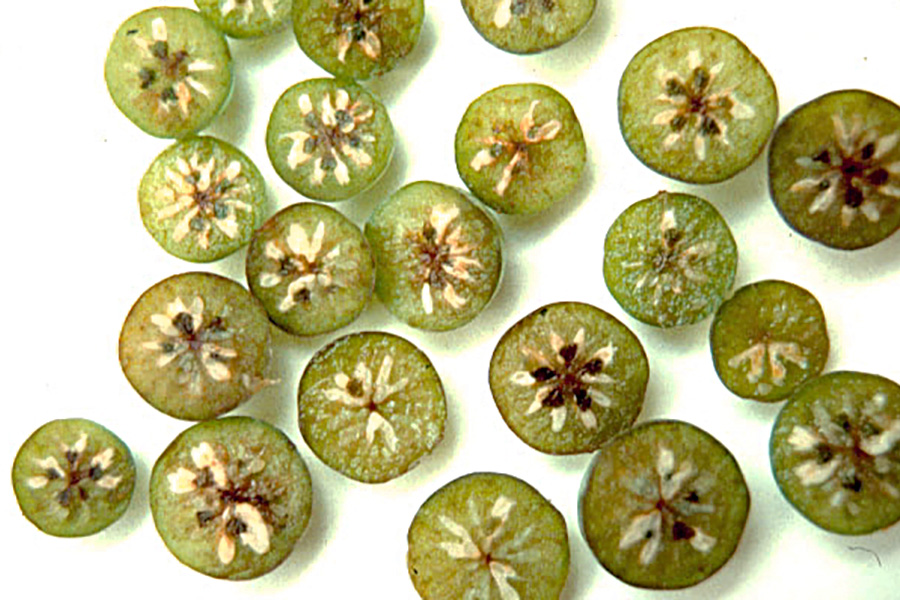
This publication is intended to be used as a pictorial diagnostic guide to identify the most common diseases seen on fruits grown in home landscapes, gardens, and/or orchards in Georgia. Use this guide as a supplemental resource and/or reference to the Homeowner Edition of the Georgia Pest Management Handbook.
|
-

This publication contains information on the most important and common diseases of oats, the biology of the causal agents, as well as a detailed description of the disease symptoms, relevant up-to-date information on conditions favoring the diseases, as well as cultural, genetic, and chemical methods of control. The publication is intended for producers, crop consultants, county faculty, students, and the general public.
|
-

The silverleaf whitefly, also known as the sweet potato whitefly or Bemisia tabaci (Hemiptera: Aleyrodidae), attacks a wide range of plants, from ornamentals to warm-season vegetables. Whiteflies are active from mid-July to mid-October and are found gathered together on the underside of leaves during the daytime. Although 76 whitefly species are known to exist in the Southeastern U.S., only a few species cause serious problems in greenhouses and nurseries. These species include the greenhouse whitefly (Trialeurodes vaporariorum), banded wing whitefly (Trialeurodes abutiloneus), giant whitefly (Aleurodicus dugesii), citrus whitefly (Dialeurodes citri), cloudywinged whitefly (Dialeurodes citrifolii), and the silverleaf or sweet potato whitefly. Among several whitefly species, the silverleaf whitefly, particularly biotype B, is the most common and most destructive whitefly species in
nurseries in the Southeastern U.S.|
-
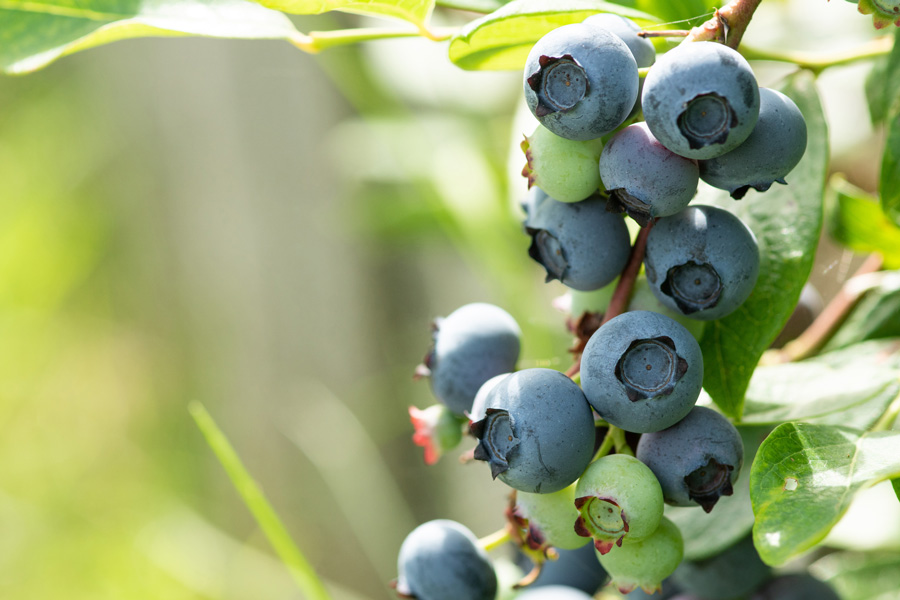
This publication provides updated (2023) Southeast-specific information on approved National Organic Program (NOP) disease and pest management options for blueberry production and addresses the issues most commonly encountered under the unique growing conditions of the Southeast U.S. This publication is not intended to provide all details on organic blueberry production, although it does include the production methods that reduce the impact of plant disease and pest issues. Emphasis in an organic system should be on cultural practices that reduce disease and pest pressure rather than pesticide applications. NOP-approved pesticides are usually less efficacious than conventional products. The pesticide label is the law and supersedes any information on pesticide use contained in this guide. Because environmental conditions and grower application methods vary widely, suggested use does not imply that performance of the pesticide will always conform to the pest control standards indicated by experimental data.
|
-
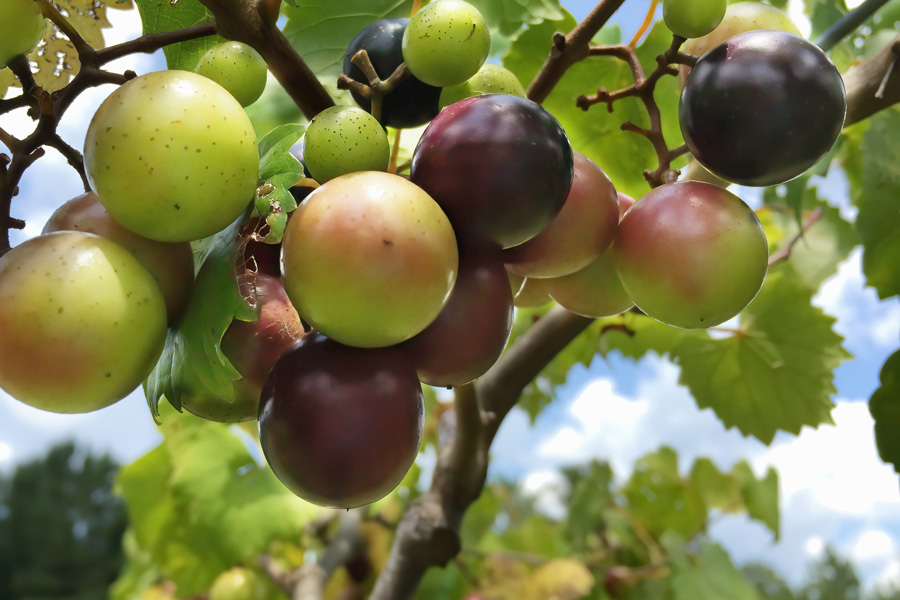
This 2023 update to the regional integrated pest management guide provides recommendations for muscadine grape production in the Southeastern U.S. Recommendations are based on information from the manufacturer’s label and performance data from research and Extension field tests. This publication is intended for use only as a guide. Specific rates and application methods are on the pesticide label, and these are subject to change at any time.
|
-
AP 124-3
2023 Georgia Cotton Production Guide
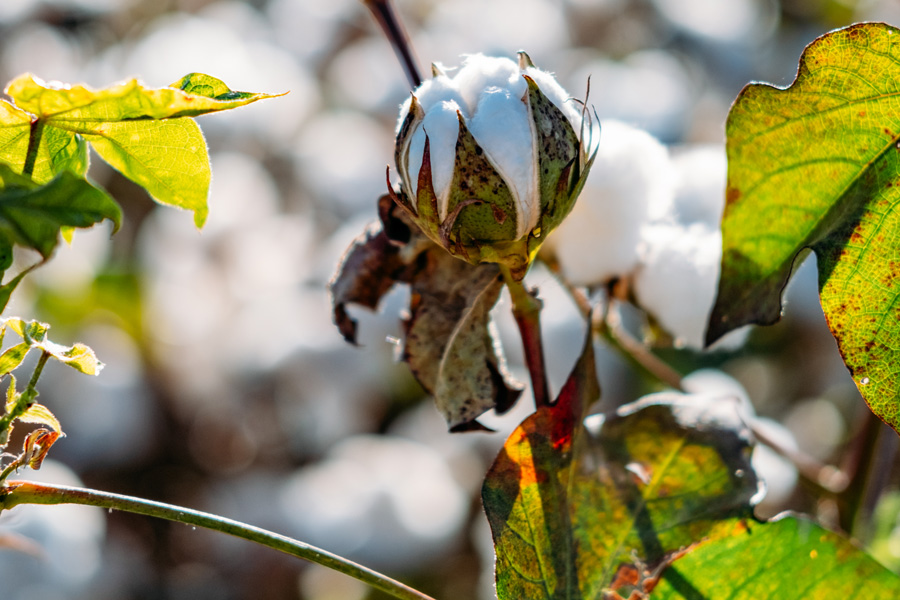
The 2023 edition of the cotton production guide provides an in-depth look at cotton production in Georgia and the Southeastern U.S. Issues discussed include economic outlook, fertility, weed management, insect management, disease and nematode management, irrigation decisions, precision ag technology, and general agronomics of the cotton crop (varieties, PGR applications, defoliation, etc.).
|
-
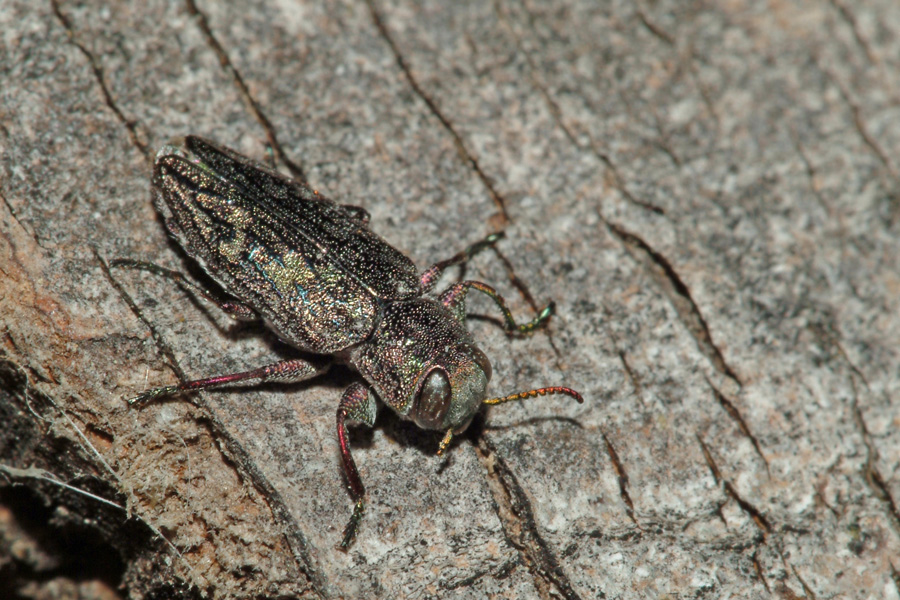
The flatheaded appletree borer is a polyphagous pest—so called because it feeds on multiple tree species—native throughout North America. Flatheaded appletree borers impact specialty crops such as fruit, nut, and ornamental trees. Nursery growers in Georgia face mild to moderate levels of infestation depending on the local beetle population size and favorable environmental conditions. Adult flatheaded appletree borers are metallic greenish-bronze and appear fattened in cross-section, which causes them to produce “D” or oval-shaped exit holes as they emerge from wood; these exit holes commonly are associated with buprestid beetles. The elytra or wing covers of flatheaded appletree borer adults have markings that appear as light-colored zigzagging bands. Larvae are cream-colored and have an enlarged, fattened thoracic segment behind the darker true head of the insect—this is what gives them the flatheaded name.
|