Plant Pests and Diseases Resources
-

This is a new annual guide for managing diseases, insects, weeds, and wildlife in bunch grapes in the Southeast. This regional integrated pest management guide provides recommendations based on information from the manufacturer’s label and performance data from research and Extension field tests. This publication is intended for use only as a guide. Specific rates and application methods are on the pesticide label, and these are subject to change at any time. This publication is a product of the Southern Region Small Fruit Consortium.
|
-
C 1212
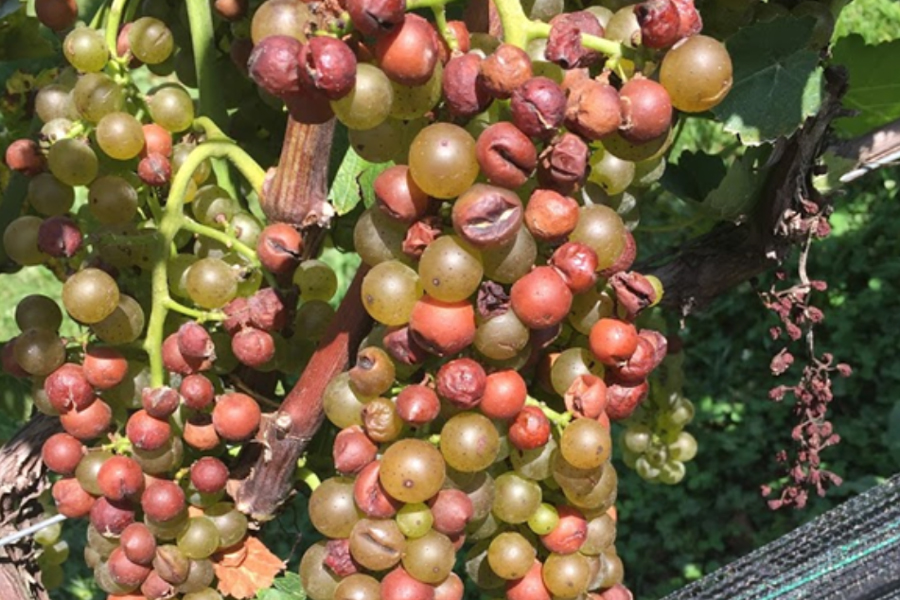
Grape Sour Rot
Although grape sour rot can occur in drier climates, the disease complex tends to be especially problematic during wine grape ripening in wet, humid regions. Browning and disintegrating berries and the aroma of vinegar are a few symptoms that characterize grape sour rot. Sour rot ultimately results in crop yield reduction as damaged berries often “shatter,” or fall off the clusters. Sorting out clusters with sour rot that are not suitable for winemaking causes a further reduction in return revenues as less wine is produced. Sour rot is a prominent concern in Eastern U.S. vineyards as it is consistently observed in vineyards, particularly in white-berried cultivars, and questions remain about how to best manage it, particularly with the threat of insecticide resistance development in targeted fruit flies.
|
-
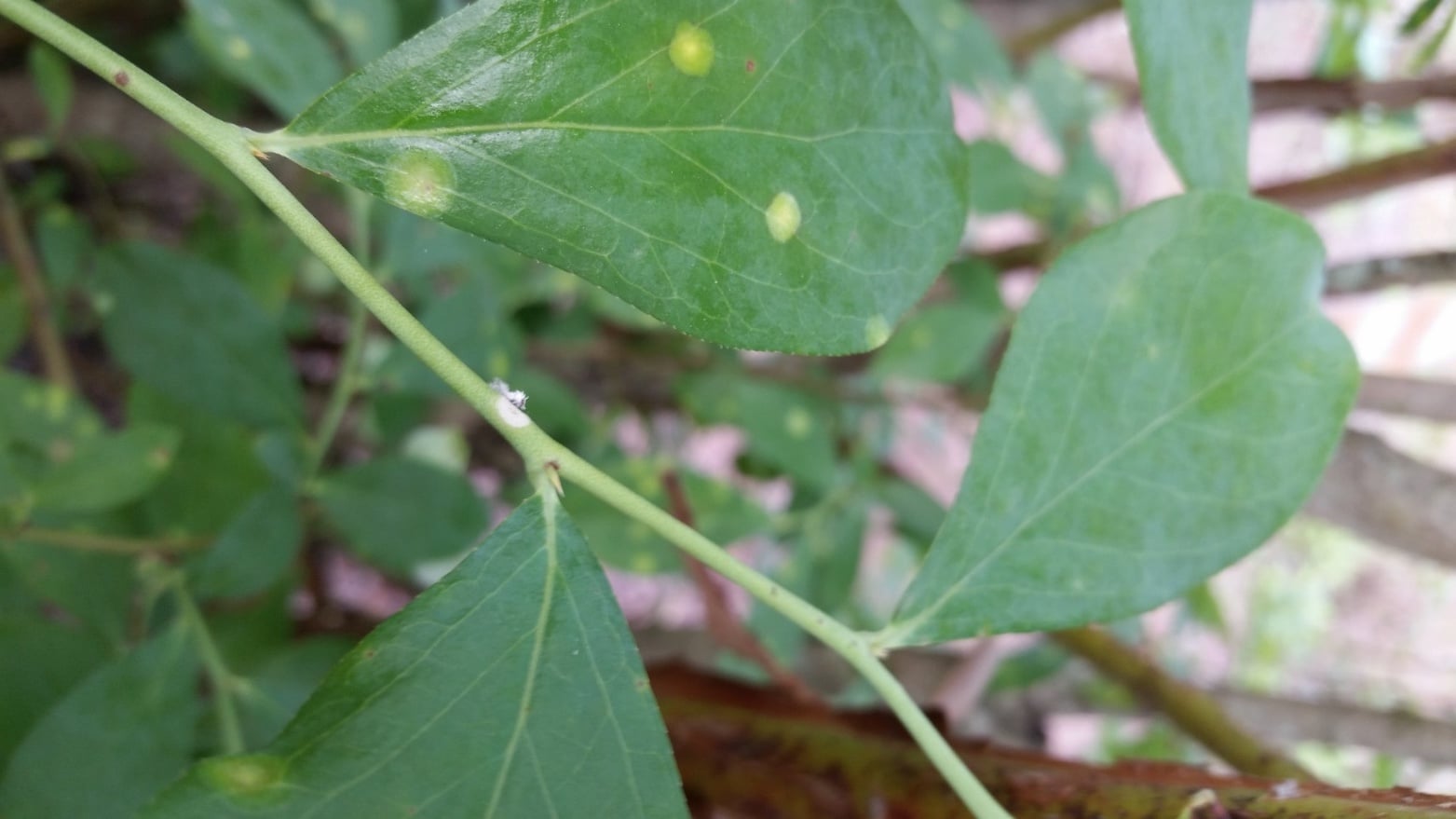
Exobasidium leaf and fruit spot, caused by the fungus Exobasidium maculosum, is an emerging disease affecting both southern highbush and rabbiteye blueberries. In addition to direct yield loss due to fruit drop, lesions on remaining fruit compromise the aesthetic qualities of the fruit as well as the taste, rendering them unmarketable. This circular provides the most current knowledge of this important pathogen/disease of blueberry and its management.
|
-
C 1253
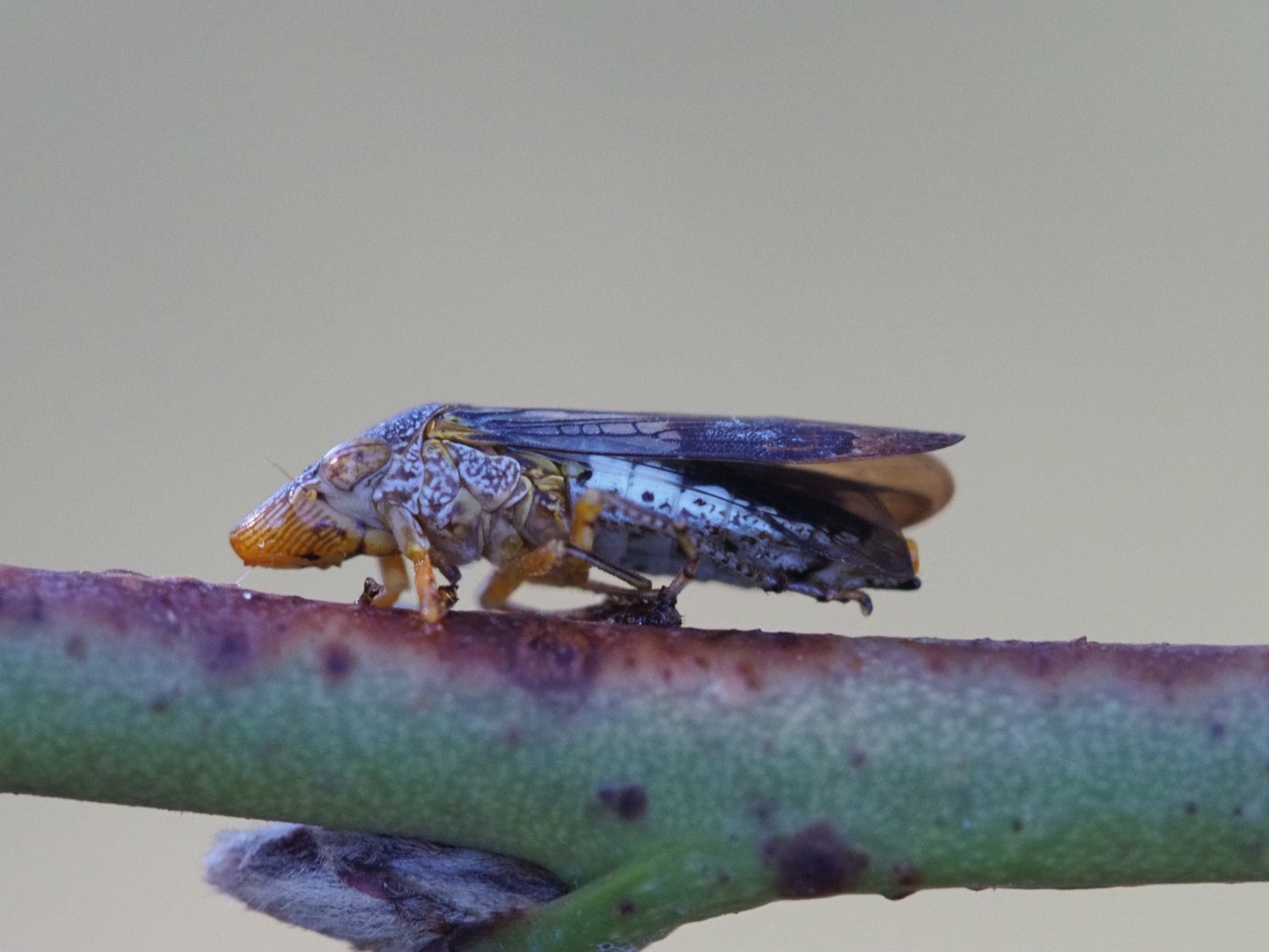
Phony Peach Disease
This fact sheet covers phony peach disease: History, symptoms, disease cycle, and management.
|
-
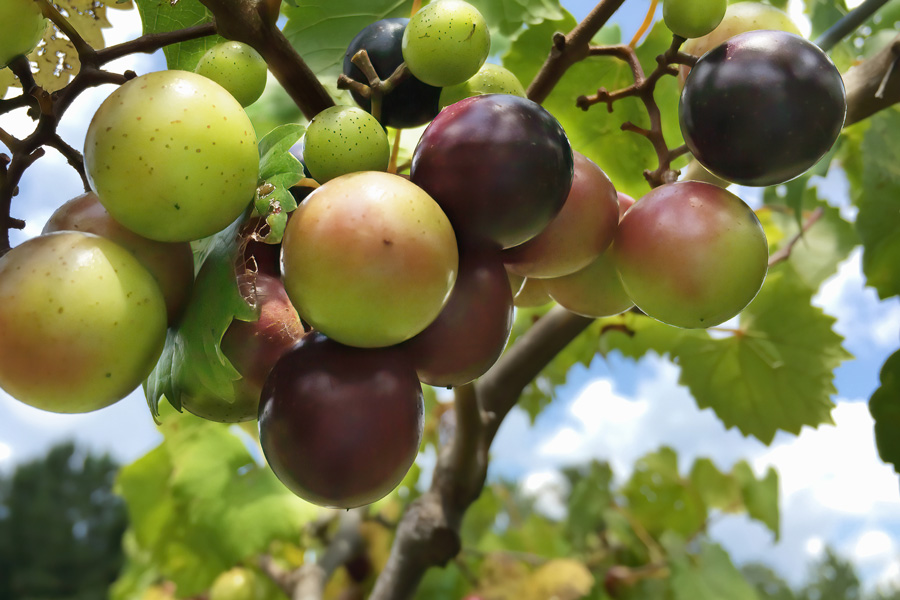
This 2026 update to the regional integrated pest management guide provides recommendations for muscadine grape production in the Southeastern U.S. Recommendations are based on information from the manufacturer’s label and performance data from research and Extension field tests. This publication is intended for use only as a guide. Specific rates and application methods are on the pesticide label, and these are subject to change at any time. This publication is a product of the Southern Region Small Fruit Consortium.
|
-

This integrated pest management (IPM) guide for blackberry and raspberry production includes management of diseases, insects, and weeds through IPM principles. Topics include pesticide stewardship and safety, insect and disease control, pre-transplant and transplant operations, fungicides and insecticide efficacy comparisons, and spray schedules, weed management, wildlife damage, and more. Recommendations are based on information from the manufacturer’s label and performance data from research and Extension field tests. Specific rates and application methods are on the pesticide label, and these are subject to change at any time. This publication is a product of the Southern Region Small Fruit Consortium.
|
-

This resource is designed to help county agents, Extension specialists and growers formulate and implement nematode management recommendations after sending a soil sample and receiving a nematode assay report.
|
-

The Georgia Pest Management Handbook gives current information on selection, application and safe use of pest control chemicals. The handbook has recommendations for pest control on farms, around homes, urban areas, recreational areas, and other environments in which pests may occur. Cultural, biological, physical, and other types of control are recommended where appropriate.
|
-

This publication provides current guidance for insect, disease, and weed control in commercial pecan orchards.
|