Plant Pests and Diseases Resources
-

Blister beetles sometimes infest forage crops such as alfalfa, where they may become incorporated in hay. This publication discusses biology, cause of illness and management of blister beetles.
|
-
SB 48-05
Home Orchard Pest Management
This section of the Home & Garden Edition covers pest control in home orchards, including apples, peaches, bunch grapes, muscadines, strawberries, blueberries, and other fruits. Beginning in 2022, the Home & Garden Edition has been updated biennially. When purchasing a product based on a first-year recommendation of the Handbook, check the current product label before purchase to be sure it is still labeled for the use for which you are buying it. For pesticide products you have on hand from earlier purchases, you are allowed to use them until they are depleted without penalty under the law. Always follow label instructions before use. Contact the product’s manufacturer for the most up-to-date label.
|
-
SB 48-06
Home Fungicide Guide
This section of the Home & Garden Edition covers fungicides for use in and around your home. Beginning in 2022, the Home & Garden Edition has been updated biennially. When purchasing a product based on a first-year recommendation of the Handbook, check the current product label before purchase to be sure it is still labeled for the use for which you are buying it. For pesticide products you have on hand from earlier purchases, you are allowed to use them until they are depleted without penalty under the law. Always follow label instructions before use. Contact the product’s manufacturer for the most up-to-date label.
|
-
This section of the Home & Garden Edition covers organic gardening practices. The USDA National Organic Program has established rules for commercial organic production. These rules do not apply to home gardeners, but they are a useful guide for choosing organic pest management alternatives. Beginning in 2022, the Home & Garden Edition has been updated biennially. When purchasing a product based on a first-year recommendation of the Handbook, check the current product label before purchase to be sure it is still labeled for the use for which you are buying it. For pesticide products you have on hand from earlier purchases, you are allowed to use them until they are depleted without penalty under the law. Always follow label instructions before use. Contact the product’s manufacturer for the most up-to-date label.
|
-
SB 48-10
Ornamentals Pest Management
This section of the Home & Garden Edition covers pest control in ornamentals, such as indoor plants, flowers, shrubs, and ground covers. Beginning in 2022, the Home & Garden Edition has been updated biennially. When purchasing a product based on a first-year recommendation of the Handbook, check the current product label before purchase to be sure it is still labeled for the use for which you are buying it. For pesticide products you have on hand from earlier purchases, you are allowed to use them until they are depleted without penalty under the law. Always follow label instructions before use. Contact the product’s manufacturer for the most up-to-date label.
|
-
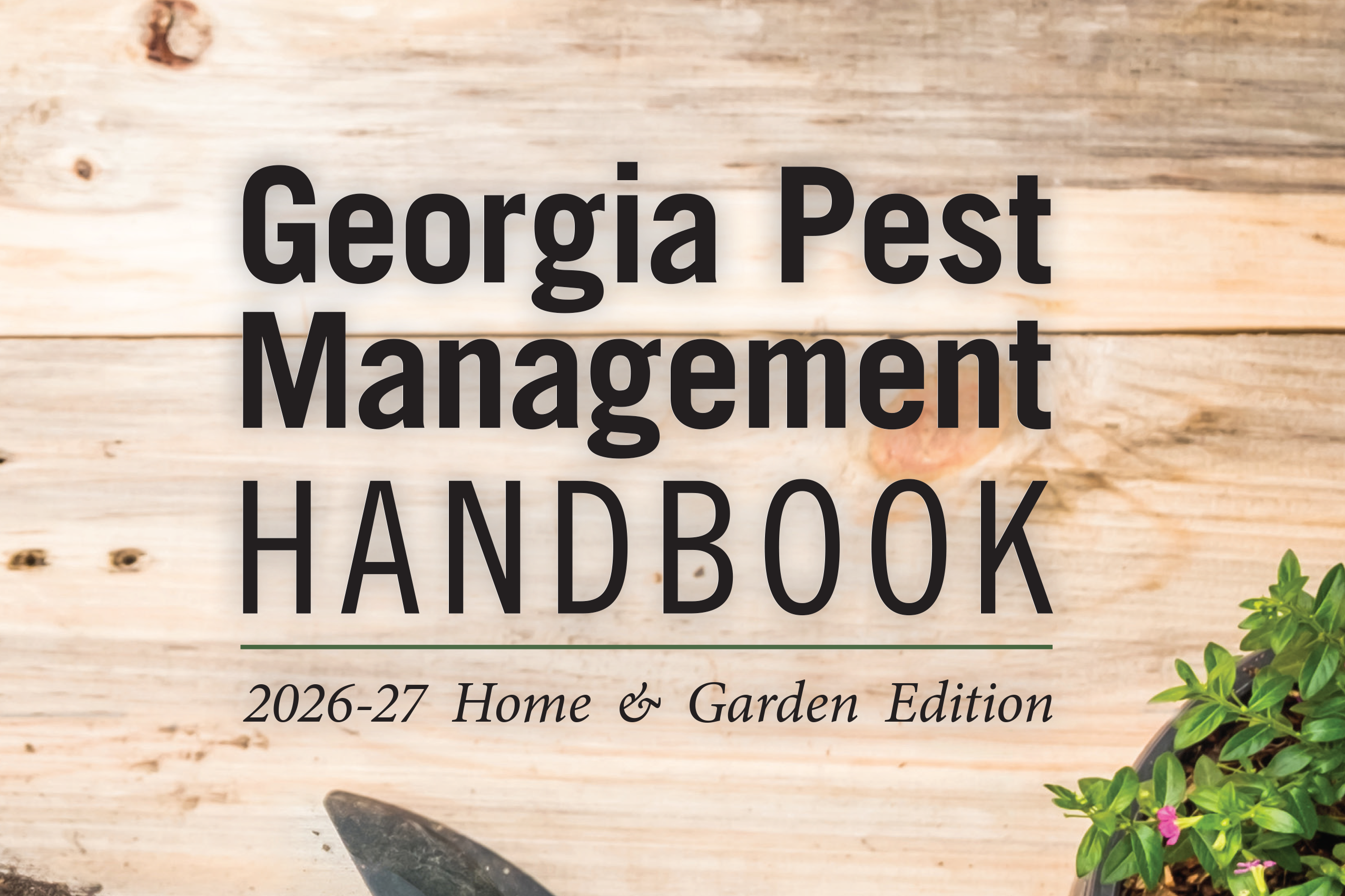
The Georgia Pest Management Handbook gives current information on selection, application and safe use of pest control chemicals. The handbook has recommendations for pest control on farms, around homes, urban areas, recreational areas, and other environments in which pests may occur. Cultural, biological, physical, and other types of control are recommended where appropriate.
|
-
SB 48-11
Turf Pest Management
This section of the Home & Garden Edition covers insect, disease, and weed control in home turfgrass. Care should be taken when using insecticides around any flowering plants when bees are actively foraging. Timing sprays for late afternoon and evening will minimize risks from broad-spectrum contact insecticides. When purchasing a product based on a first-year recommendation of the Handbook, check the current product label before purchase to be sure it is still labeled for the use for which you are buying it. Always follow label instructions before use. Contact the product’s manufacturer for the most up-to-date label.
|
-
SB 48-12
Vegetables Pest Management
This section of the Home & Garden Edition covers insect, weed, and disease control in home garden vegetables. Beginning in 2022, the Home & Garden Edition has been updated biennially. When purchasing a product based on a first-year recommendation of the Handbook, check the current product label before purchase to be sure it is still labeled for the use for which you are buying it. For pesticide products you have on hand from earlier purchases, you are allowed to use them until they are depleted without penalty under the law. Always follow label instructions before use. Contact the product’s manufacturer for the most up-to-date label.
|
-
SB 48-01
Introduction and Table of Contents
Beginning in 2022, the Home & Garden Edition has been updated biennially. When purchasing a product based on a first-year recommendation of the Handbook, check the current product label before purchase to be sure it is still labeled for the use for which you are buying it. For pesticide products you have on hand from earlier purchases, you are allowed to use them until they are depleted without penalty under the law. Always follow label instructions before use. Contact the product’s manufacturer for the most up-to-date label.
|