Poultry Science Resources
-

Commercial poultry producers are looking for ways to improve their environmental impact and also to increase their profitability. Using container composters as a method of daily mortality disposal can be a viable option. Container composters are environmentally friendly compared to the incineration of carcasses, which can result in the emission of atmospheric particulates and greenhouse gases.
|
-

The Water Stewardship Act is intended to demonstrate Georgia’s deep commitment to the conservation of critical freshwater supplies. This publication provides an overview of the major provisions affecting Georgia farmers and their use of the state’s most precious resource: WATER.
|
-

The Water Stewardship Act is intended to demonstrate Georgia’s deep commitment to the conservation of critical freshwater supplies. This publication provides an overview of the provisions and obligations for local governments, public systems and state agencies.
|
-
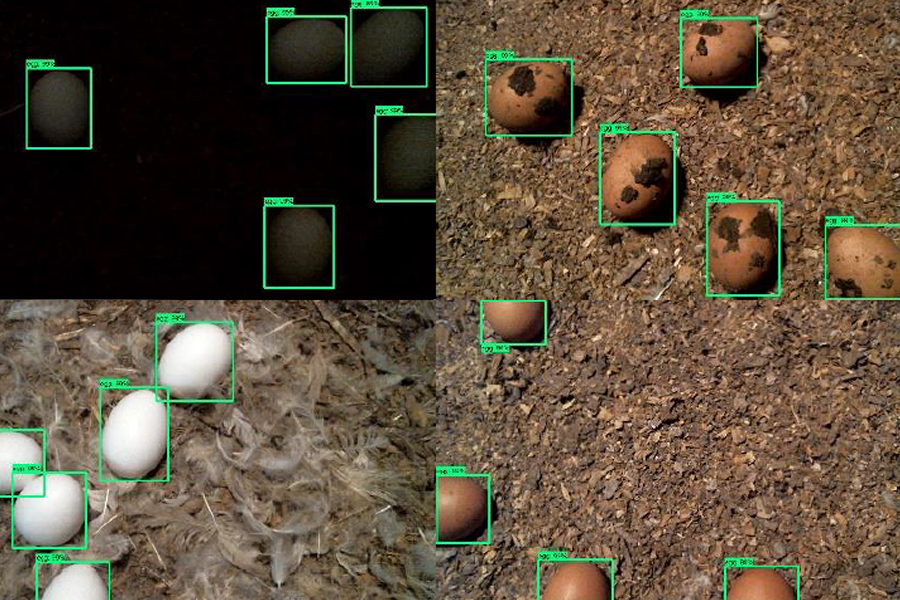
Researchers have investigated the issue of mislaid eggs in cage-free housing and the possibility of reducing the incidence of floor eggs through management of lighting, litter and bedding, and nesting space, and the use of robotics. Methods with potential for managing mislaid or floor eggs in cage-free layer houses can be summarized as follows: 1. House-lighting time management: In cage-free aviary systems, lighting management is used to help control floor-access time. According to observations in commercial cage-free layer houses, most floor eggs are laid at first light. Delaying floor access time in the morning may help reduce floor eggs by keeping the birds near the nests for the first few hours of light. 2. Light intensity and distribution: Make sure to provide sufficient light intensity evenly across the litter floor. Increasing the light intensity under the aviary system has been tested to be effective at reducing over 80% of floor eggs. 3. Bedding depth: Scratch areas covered with litter help reduce the risk of feather pecking and cannibalism, and minimize flightiness, for hens living in large flocks. However, deep litter attracts birds to lay eggs on the litter itself. According to research conducted at Iowa State University, reducing litter depth discourages hens from laying eggs on floor of commercial cage-free houses. 4. Nesting space: Nesting behavior is a key priority and important welfare indicator for egg production, so providing hens with safe and secure locations to lay eggs is critical. A good nesting design in cage-free systems facilitates egg collection, minimizes the risk of cloacal cannibalism, and assists food safety and sanitation.
|
-

This Excel workbook will allow you to fit data from nutritional experiments to several models. It includes a PowerPoint presentation that shows you how to use the Excel workbook to fit several regression models to experimental data. The models may be used to estimate nutritional requirements or the most economical feeding levels of critical nutrients. All you need is Microsoft Excel (with macros enabled), the downloadable Excel file, and some input/output data.
|
-

This publication gives a procedure to calculate the value of broiler litter based on prevailing retail selling prices of commercial fertilizers containing nitrogen, phosphorus and potassium.
|
-

Poultry farming is the number one agricultural enterprise in Georgia. It is important to protect this vital industry by developing prudently-devised and factually-based zoning ordinances. This publication discusses components and terminology when drafting ordinances related to poultry production.
|
-
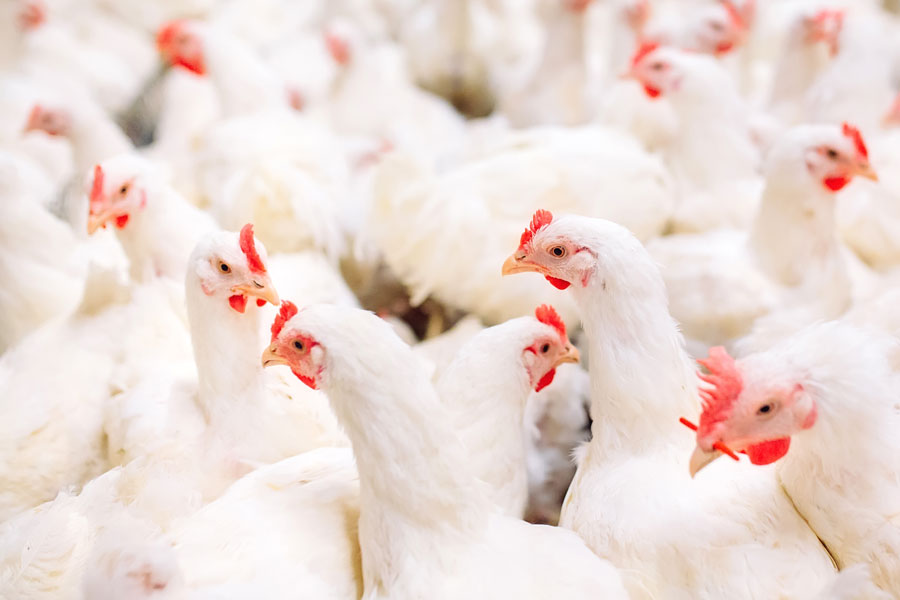
In commercial poultry houses, bird density and distribution in drinking, feeding, and
resting zones are critical factors for evaluating flock productivity, bird health, and well-being. Proper distribution of chickens in the house greatly influences animal well-being and house environmental management. Currently, routine daily inspection of broiler flock distribution in commercial grow-out houses is done manually, which is labor-intensive and time-consuming. UGA poultry science researchers currently are developing an automated imaging system for monitoring floor distribution of chickens.Ongoing studies are focusing on detection of individual chickens with different gait scores in the research facility. It’s challenging to track individual birds with early health or welfare concerns using a computer vison-based method, but it is necessary and critical for producers to identify birds with well-being concerns and address those issues quickly.
|
-

For most people a complete understanding of the standard methods required to accurately complete critical wastewater analytical tests is not necessary. However, a fundamental understanding of the theory behind and working knowledge of the basic procedures used for each test, and the answers to commonly asked questions about each test can be a valuable tool for anyone involved in generating, monitoring, treating or discharging process wastewater.
|