Poultry Science Resources
-
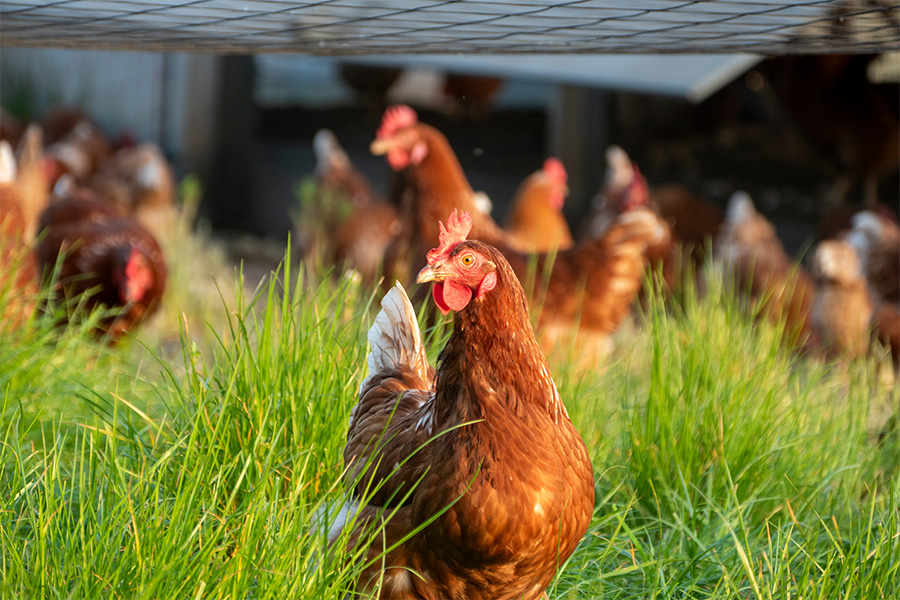
Biosecurity refers to procedures used to prevent the introduction and spread of disease-causing organisms in poultry flocks. Because of the concentration in size and location of poultry flocks in current commercial production operations and the inherent disease risks associated with this type of production, it is imperative that poultry producers practice daily biosecurity measures.
|
-

Experimental power determinations are very important to agriculture and other applied sciences. It is necessary to be able to detect small differences when human and animal health or production profitability are in question. These documents help researchers estimate the power of their experiments.
|
-

Research on improving broiler housing is ongoing. Energy costs are becoming more significant to the grower’s bottom line and housing construction, equipment and operation will be paramount in helping to make sure the houses are operated as efficiently as possible. As technology and equipment is redesigned and developed, researchers will continue to examine how broiler housing can be heated, cooled, and built in such a way that modern broilers continue to reach their genetic potential using the most economical and efficient methods.
|
-
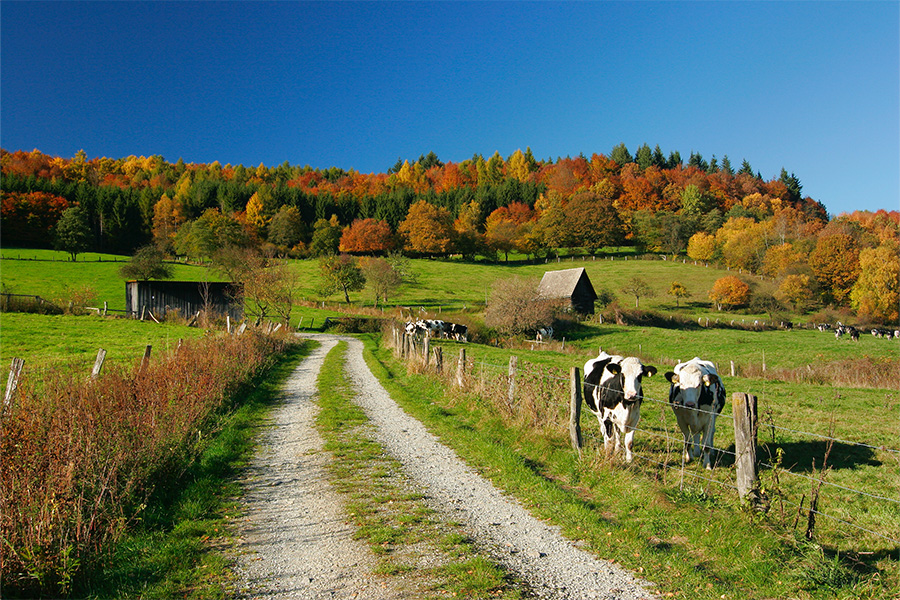
Poultry litter is widely used on pastures and hayfields in Georgia. There are many benefits when it is used wisely. Producers should use nutrient management planning and recommended rates to ensure poultry litter is used in ways that maximize its benefits without harming the environment.
|
-

Bin composting daily mortality can be a useful, cost-effective management tool when practiced correctly. However, it can be environmentally harmful if it is not managed and monitored properly. This publication shows the necessary steps to obtain a compost product from daily poultry mortality using a bin composting method.
|
-

This module describes the role of energy in the body, how much energy is contained in our foods, and how to correctly identify the key nutrient classes that our bodies require from the foods we eat. All of these components are related to the general makeup of a commercial poultry diet. The module is designed to be one in a series of publications to supply relevant educational content related to the poultry industry to agricultural teachers, STEM teachers, and the general public.
|
-

New feed ingredients are evaluated and introduced to the feed industry every year. The evaluation process is necessary and includes feeding birds different levels of the test ingredient to estimate the maximum safe level (MSL). The MSL is usually estimated with a multiple range test, ignoring the fact that this test is inappropriate for this type of feeding trials where the independent variable is continuous. This paper describes the use of the Maximum Ingredient Optimization Workbook (MIOW) in estimating the MSL and determining the optimal combination or ingredient levels and replications for most efficient experimental design of future feeding trials. The MIOW calculates the results and the related descriptive statistics (SD, SE, Cl, and R2) based on simulation and non-linear regression models (broken-line linear and broken-line quadratic models).
|
-

An Excel workbook, Nutritional Response Determination Optimization (NuRDO). has been developed to simulate the optimal number or nutrient levels and replicates per level when planning nutritional requirement studies. With NuRDO, researchers can simulate data from what they think is the real shape of the response curve. They can then run up to 1,000 simulated experiments to see the combination of levels and replications that minimize the standard error or the requirements and other parameters for the broken-line models. SK and hyperbolic models. For example, consider the BLL model with a “true” requirement (REQ) of 5.2, a maximum of 99 units, a rate constant of 18.6 and a CV of 10%:For 5 input levels and 10 reps per level, the estimated REQ ± SD is equal to 5.196±0. 106, for 10 levels & 5 reps each, the REQ is 5.231±0 .157. The workbook can be used in this manner to determine the best combination of levels and reps to improve the chances or getting the best results possible from experiments.
|
-
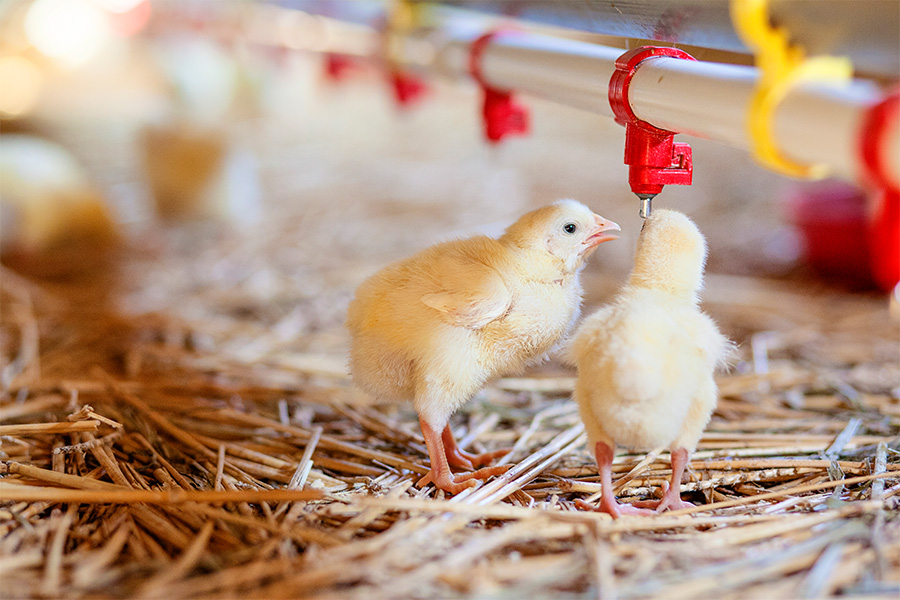
Water is a critical nutrient that receives little attention until a problem arises. Not only should producers make an effort to provide water in adequate quantity, they should also know what is in the water to be used in evaporative cooling systems and consumed by the birds.
|