Research Resources
-
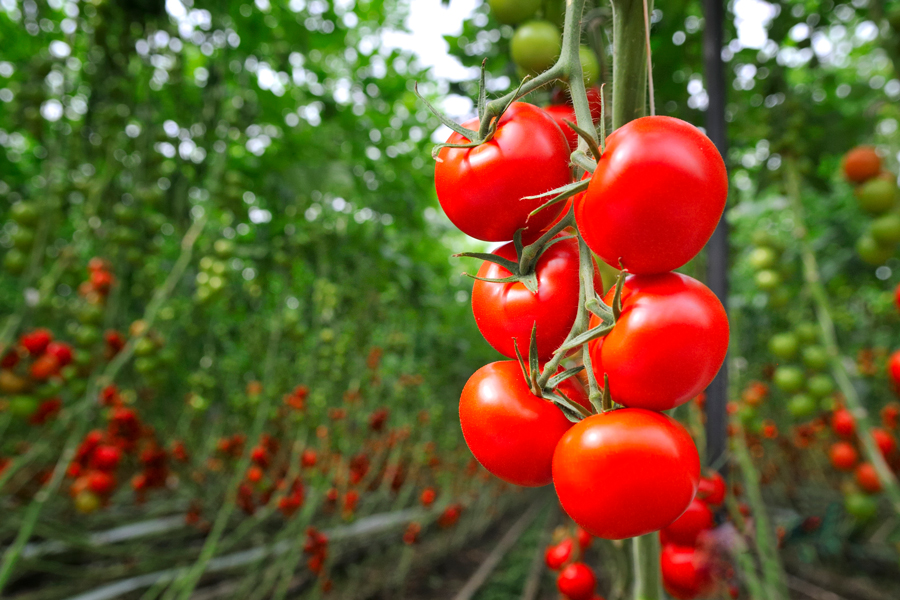
This report provides research and extension results for trials conducted by the University of Georgia Vegetable Team and its collaborators in 2024. Contributing authors include county and regional faculty as well as specialists from UGA’s horticulture, plant pathology, crop and soil sciences, and entomology departments. All research has been supported by the Georgia Commodity Commission for Vegetables.
|
-
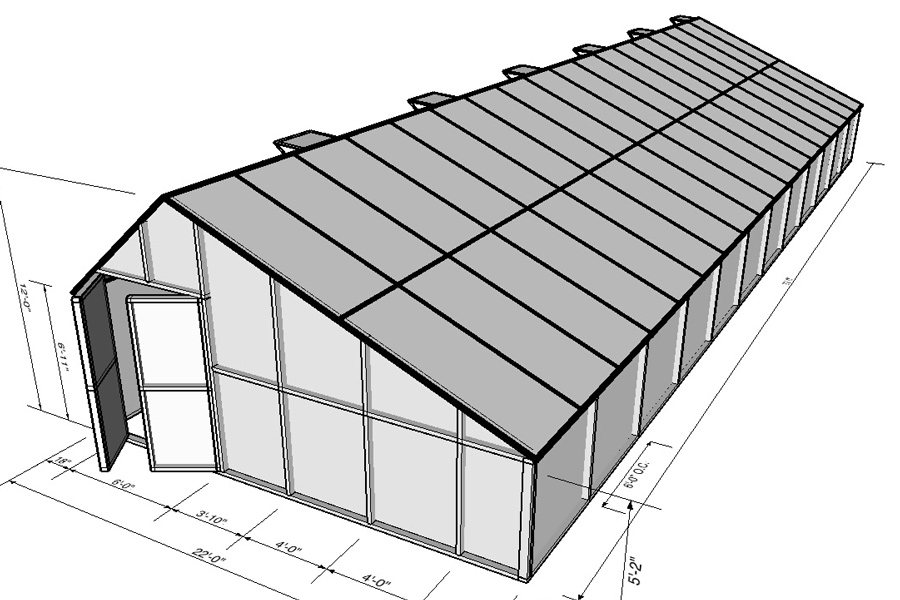
This publication describes how a passive solar greenhouse was constructed using an earthen wall and water barrels for heat retention. The benefits and potential pitfalls of such a structure are discussed. Additional authors include Alexandra Williams, Syngenta, U.S.A, and Krista Jacobsen, Department of Horticulture, University of Kentucky.
|
-
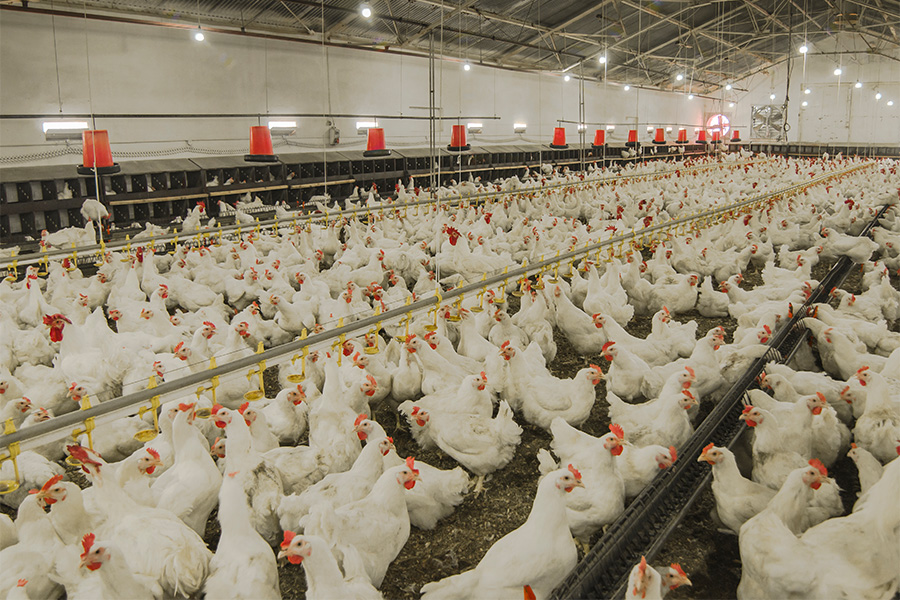
High levels of dust in cage-free poultry house air can carry airborne microorganisms and endotoxins that, once inhaled, may trigger respiratory diseases in animals and/or their caretakers. Mitigating dust levels is imperative to protecting the health and well-being of the animals and their caretakers and improving the environmental stewardship of cage-free layer farms. Studies have concluded that good manure management and proper ventilation can alleviate dust problems. Mitigation strategies have various levels of effectiveness, but some are cost prohibitive. Selecting the right dust control strategy should consider poultry types, housing design, local climate, and litter/bedding management strategies.
|
-

This biennial publication contains the proceedings of the turfgrass field day carried out at the UGA Griffin campus every other year. The guide provides professionals with continuous, real-time access to the latest up-to-date information about turfgrass research studies, products, and turfgrass Extension activities, programs, and outreach. Topics will include, but are not limited to: crop and soil science, agronomy, weed science, plant pathology, entomology, economics, tissue culture, urban agriculture, irrigation, and student posters.
|
-

This publication provides suggestions regarding the proper tuning of a poultry processing plant to meet the USDA-FSIS standards for Salmonella levels, regardless of incoming Salmonella levels.
|
-
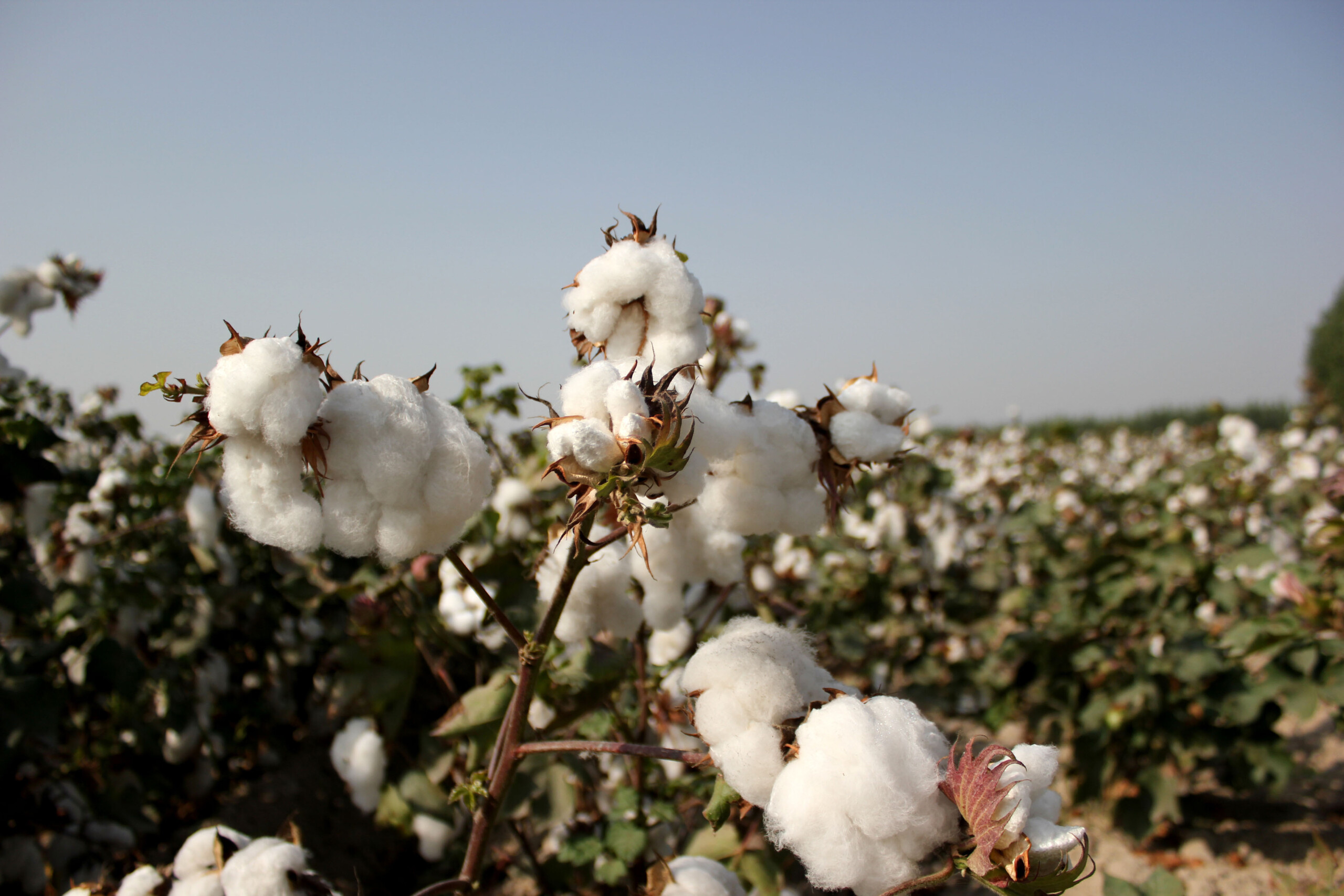
In 2010, the UGA cotton agronomists implemented this variety testing program. Our industry partners were asked to provide their most well-suited varieties for Georgia. Historically, the varieties evaluated in this trial have accounted for nearly 75% of the planted acreage in Georgia in the same year. These varieties were planted in replicated trials in growers’ fields throughout cotton-producing regions of Georgia, through coordination with the county Extension agents. The trials were managed and replicated by the grower with the assistance of the coordinating county agent to achieve realistic and statistically sound results.
|
-
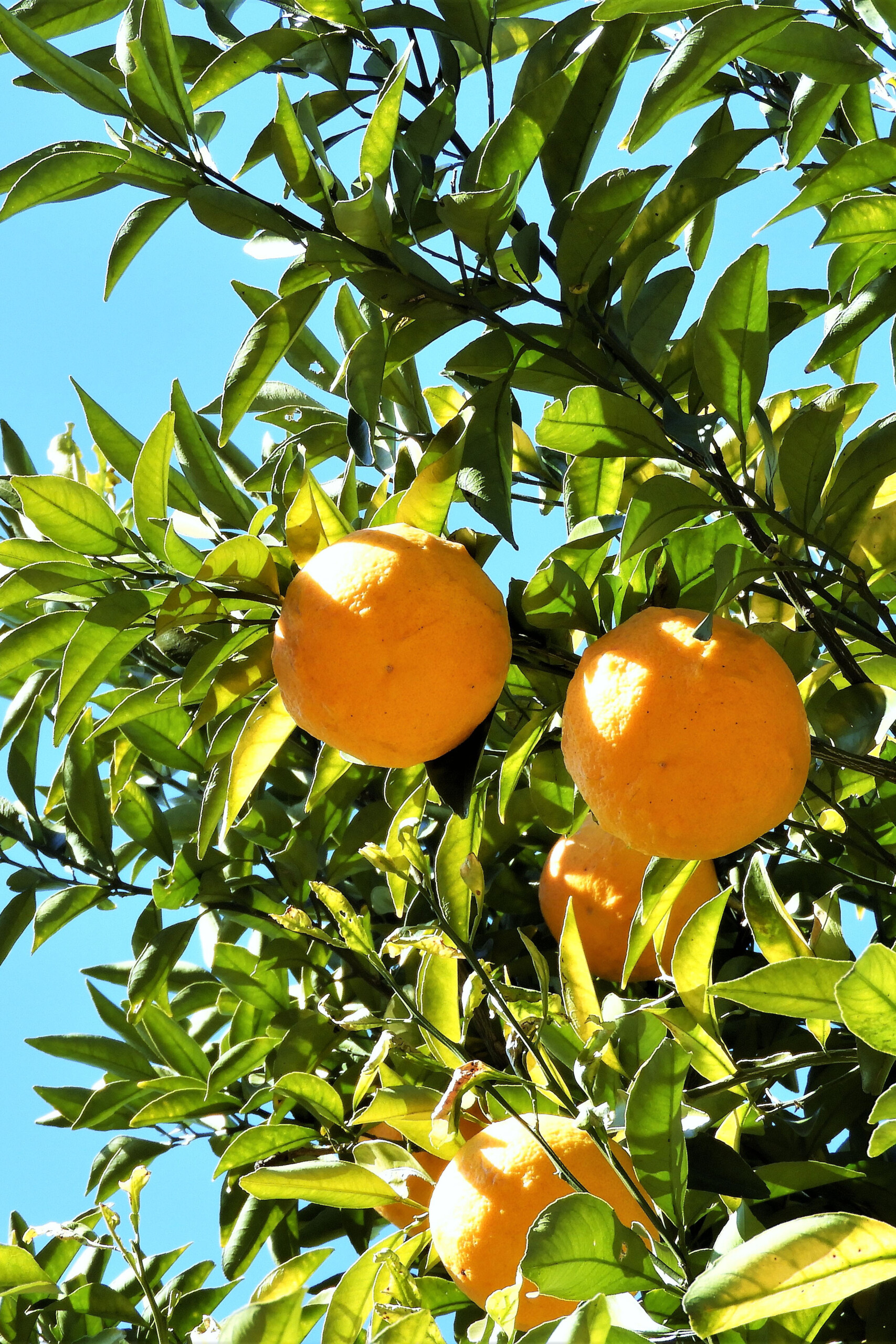
One of the most common questions regarding citrus is how much cold weather they can withstand before they are killed. Most citrus growers are looking for a specific low temperature, but there is no simple answer to this question because there are so many factors involved in citrus cold hardiness. This publication details research and information on the relative cold hardiness of different citrus varieties in Georgia documented from the 2022 December freeze, which saw unseasonably low temperatures. It is important to document the impact of a freeze such as this one on citrus varieties as they are a long-term investment and should be chosen carefully. Additional authors include: Danielle Williams, Mark Frye, Derrick Bown, Jason Edenfield, Justin Shealey, Ben Reeves, Holly Anderson, Tucker Price, Braxton Crews, and Kim Post.
|
-

This report provides research and extension results for trials conducted by the University of Georgia Vegetable Team and its collaborators in 2023. Contributing authors include county and regional faculty as well as specialists from UGA’s horticulture, plant pathology, crop and soil sciences, and entomology departments. All research has been supported by the Georgia Commodity Commission for Vegetables.
|
-

Variety selection is one of the biggest decisions and investments cotton growers make each year. In 2010, the UGA Extension Cotton Agronomists implemented the UGA On-Farm Cotton Variety Evaluation Program to assist in this decision. In this annual publication, varieties were evaluated in 2020 across a wide range of environments in the cotton producing regions of Georgia in cooperation with county agents and industry partners. The implementation of this program has made a tremendous impact on variety selection from year to year, and it will continue to have the same impact in the future.
|