Sustainable Agriculture Resources
-
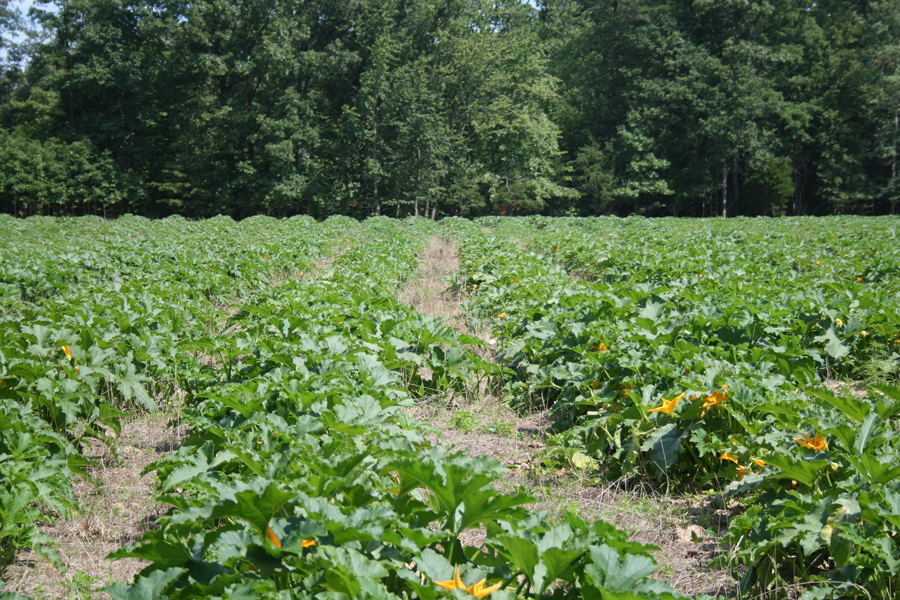
Conservation tillage with agronomic crops has been successful in Georgia production. Such production practices have several benefits, the most notable being the elimination of soil erosion. Other benefits include but aren’t limited to increases in soil organic matter, maintaining healthy root-zone soil, reduction of riparian and waterway pollution, and water conservation.
|
-

The purpose of this guide is to help users identify insects, spiders and mites that are beneficial to the garden. Such beneficials help manage pests that can damage plants. Tips to conserve and protect beneficials are also included.
|
-
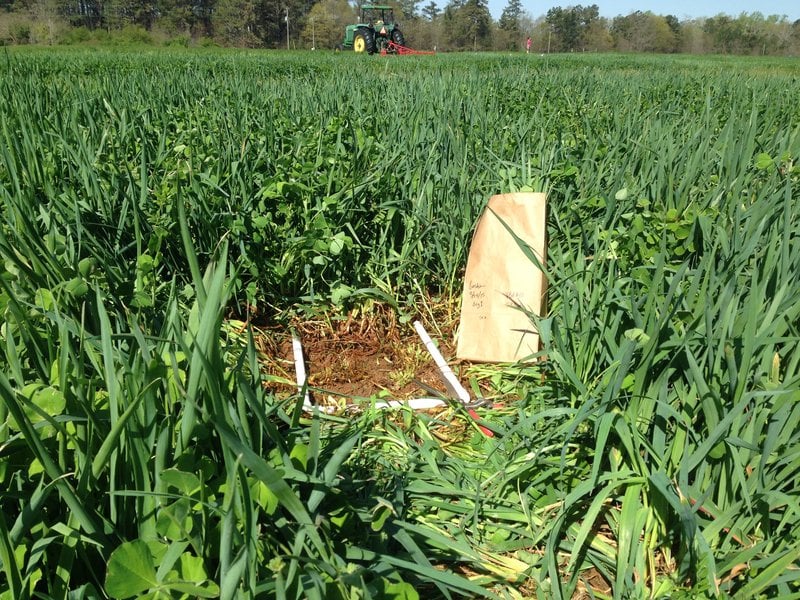
C 1077
Cover Crop Biomass Sampling
Cover crops are one of the most important practices that farmers can use to improve their soils and the sustainability of their production system. Knowing how much biomass there is in a field is a critical piece of information for cover crop management. This resource covers taking a representative sample, preparing a sample for the lab, and provides a guide to help you calculate wet and dry weights.
|
-

This publication describes forest farming (also known as forest gardening), which can be defined as cultivation of plants under a forest canopy. It includes suggestions for appropriate plants for cultivation in the Southeast.
|
-
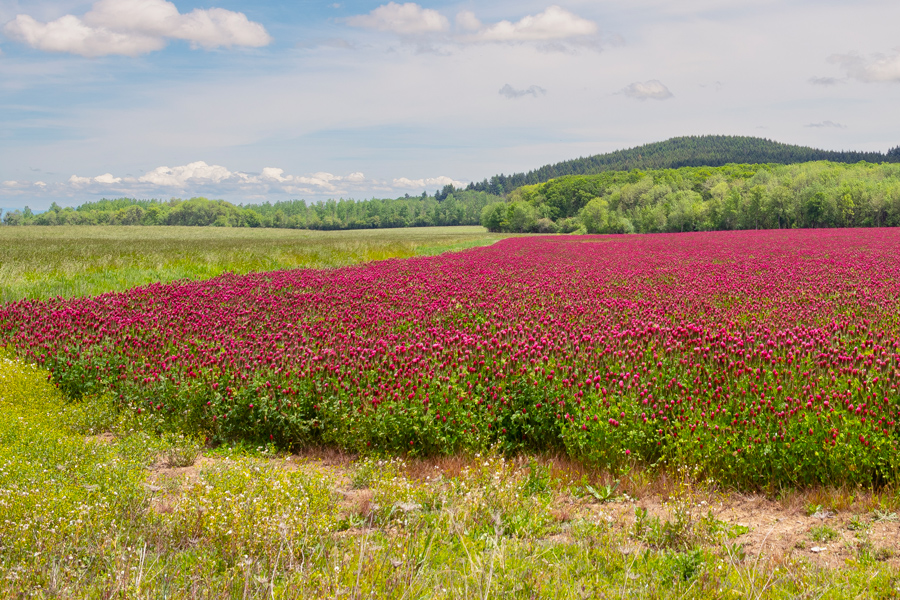
There are many ways to define what it means to be sustainable. There is increased demand for agricultural production transparency to ensure that food and fiber products are being produced sustainably. To this end, Field to Market: Alliance for Sustainable Agriculture has developed the Fieldprint Calculator through the Fieldprint Platform to help farmers of major commodity crops measure their on-farm sustainability by entering in their yearly management practices. This Extension publication defines sustainability, describes the use of the Fieldprint Calculator, and explains how growers can use this program to measure sustainable progress made on their farms. This publication was produced in collaboration with the University of Tennessee and Field to Market.
|
-

Best Management Practices (BMPs) can be described as management and/or structural practices that are designed to reduce pollutants and erosion while increasing the quality of all life. The BMP concept deals specifically with nonpoint source pollution, such as runoff from agricultural fields, forest areas or urban areas. BMPs are also voluntary in nature. Individual practices and applications can vary widely from field to field. Best management practices are typically used in agricultural areas, and forest and urban settings.
|
-
Additional author: Mengmeng Gu, Professor, Colorado State University Department of Horticulture and Landscape Architecture.
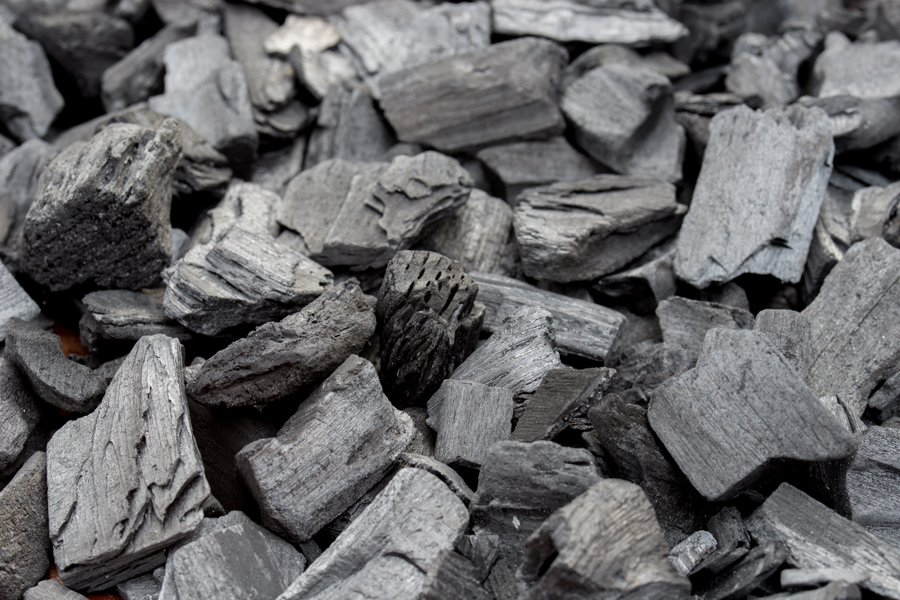
Biochar has been proposed to be beneficial to the environment and plants. However, many people do not know what biochar is, what can biochar do, or how biochar can be used. In Part 1 of this publication, we provide introductory information on biochar used to partially replace peat moss as a container substrate component.
The International Biochar Initiative defines biochar as a solid material obtained from the carbonization of biomass, which may be added to soil to improve soil functions and reduce emissions from biomass that would otherwise naturally degrade to a greenhouse gas. Other researchers define biochar as a multifunctional material related to carbon sequestration, greenhouse gas reduction, soil contaminant immobilization, soil fertilization, and water filtration.
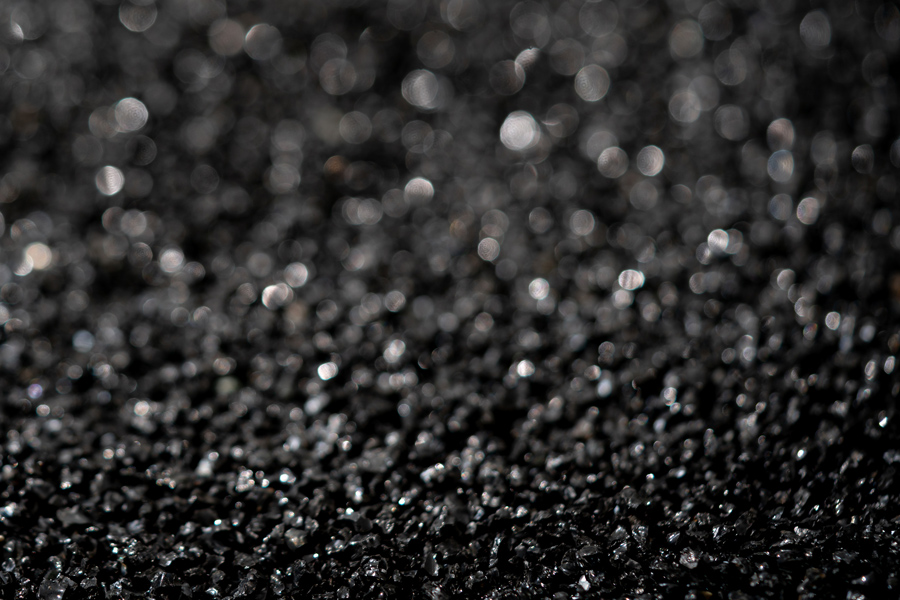
To simplify things, we’ll adopt the most popular definition: biochar is a black, carbon-enriched solid with a porous structure, mainly used in agriculture and environmental industries. Biochar is normally made from the thermal decomposition of biomass materials at high temperatures (570–2200 °F) in a low-oxygen or no-oxygen environment (this process is also known as pyrolysis). Biochar can be produced from pyrolysis of different materials such as pine bark, sugarcane bagasse, rice hull, and straw.|
-
C 1292-02
Biochar Basics: Effects on Plant Growth
Additional author: Mengmeng Gu, Professor, Colorado State University Department of Horticulture and Landscape Architecture.
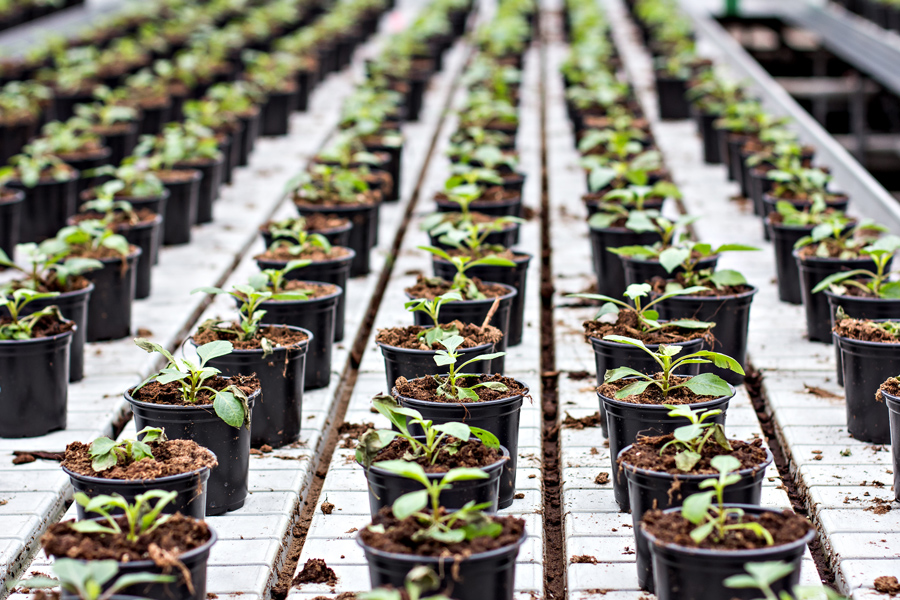
Is Biochar Good or Bad for Plant Growth? Mixing biochar into soilless substrates may have negative, zero, or positive effects on plant growth.
Biochar made from green waste mixed with peat at 50% by volume has been shown to increase prayer plants’ total biomass and leaf surface. Adding 10% by volume of sewage sludge biochar with peat-based substrates can increase lettuce biomass by 184%–270%. Mixing pruning-waste biochar with peat-based substrates at 50% or 75% by volume can also increase lettuce biomass. Mixing 20% or 35% (weight per weight) of coir biochar with 0.5% or 0.7% humic acid into a composted green-waste medium showed increased biomass of rattlesnake plants compared to those without biochar and humic acid amendments.
Mixed hardwood biochar (50% by volume) and sugarcane bagasse biochar at 50% or 70% with a bark-based substrate increased basil plants’ average root diameter. Mixed hardwood biochar at 20%–80% by volume increased photosynthesis, shoot fresh weight, and shoot dry weight of chocolate mint, peppermint, Kentucky Colonel mint, spearmint, and orange mint plants. Also, pinewood biochar mixed with pine bark increased chrysanthemum shoot fresh and dry weights.
Biochar may also have adverse effects on plant growth. For example, we tested one type of biochar with high salinity; plants grown in the biochar mixes wilted within 30 min. When plants do not have enough water to dissolve the extra salts, they die.|
-
C 1292-03
Biochar Basics: Effects on Plant Disease
Additional author: Mengmeng Gu, Professor, Colorado State University Department of Horticulture and Landscape Architecture.
How does biochar play a role in a plant-disease system? Briefly, before the pathogen infects plants, biochar can improve plant growth by increasing water and nutrient uptake, a healthier plant may be more resistant to attack. On the other hand, after a pathogen infects the plants, biochar could absorb the toxins, enzymes, and other compounds produced by pathogens.
Certain types of biochar could contain chemical compounds which is bad for pathogen growth. When incorporating this biochar into the substrate, the growth environment may become toxic to pathogens, so they cannot grow well enough to attack plants. For instance, eucalyptus biochar water extracts were found to inhibit Pythium growth in a lab setting. This finding indicates that substrate containing certain chemical extracts may impede plant infection by inhibiting the growth of Pythium (Bonanomi et al., 2015). After a pathogen infects a plant, biochar’s porous structure can absorb the toxins, enzymes, and other compounds produced by pathogens. Many types of biochar can improve plant growth, making the host plant stronger to fight against pathogens, thus reducing disease occurrence.|