Water Resources
-
C 858-3
Home Water Quality and Treatment
The quality of your water supply can have both an immediate and a prolonged effect on the health of your household. Many Americans, especially those dependent upon well water, assume that their water is safe and healthy. Unfortunately, this is not always the case. This publication contains basic information about home water quality and treatment.
|
-
C 858-2
Testing for Water Quality
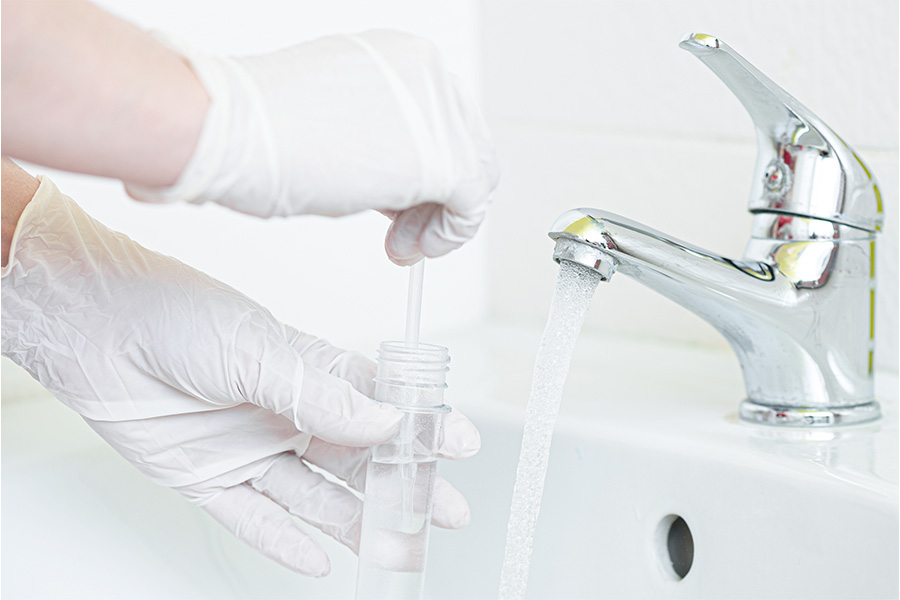
The quality and safety of drinking water is of great concern to many Americans today because of an increased interest in health and environmental quality. This new focus on water quality has led many Americans to consider testing their water. This publication is intended to help you understand water testing and to identify the tests needed.
|
-
Mechanical filtration removes suspended solids and dirt to greatly improve the clarity of water. Various kinds of mechanical filtration methods and devices are available for home water treatments. Primarily, the size of the suspended solids will determine the appropriate type of mechanical filtration device suitable for your unique situation. Consumers interested in filtration devices should discuss the advantages and disadvantages of various available options with a water treatment professional. This publication discusses the various aspects of mechanical filtration.
|
-

About 95 percent of Georgia’s rural residents depend on groundwater to supply their drinking water and farm needs. Wells are designed to provide clean water. If improperly constructed and maintained, however, they can allow bacteria, nitrates, pesticides, or petroleum products to contaminate ground water. These contaminates can put family and livestock health at risk. This assessment allows you to evaluate the environmental soundness of your farm and operational practices relating to the condition of your drinking water well.
|
-
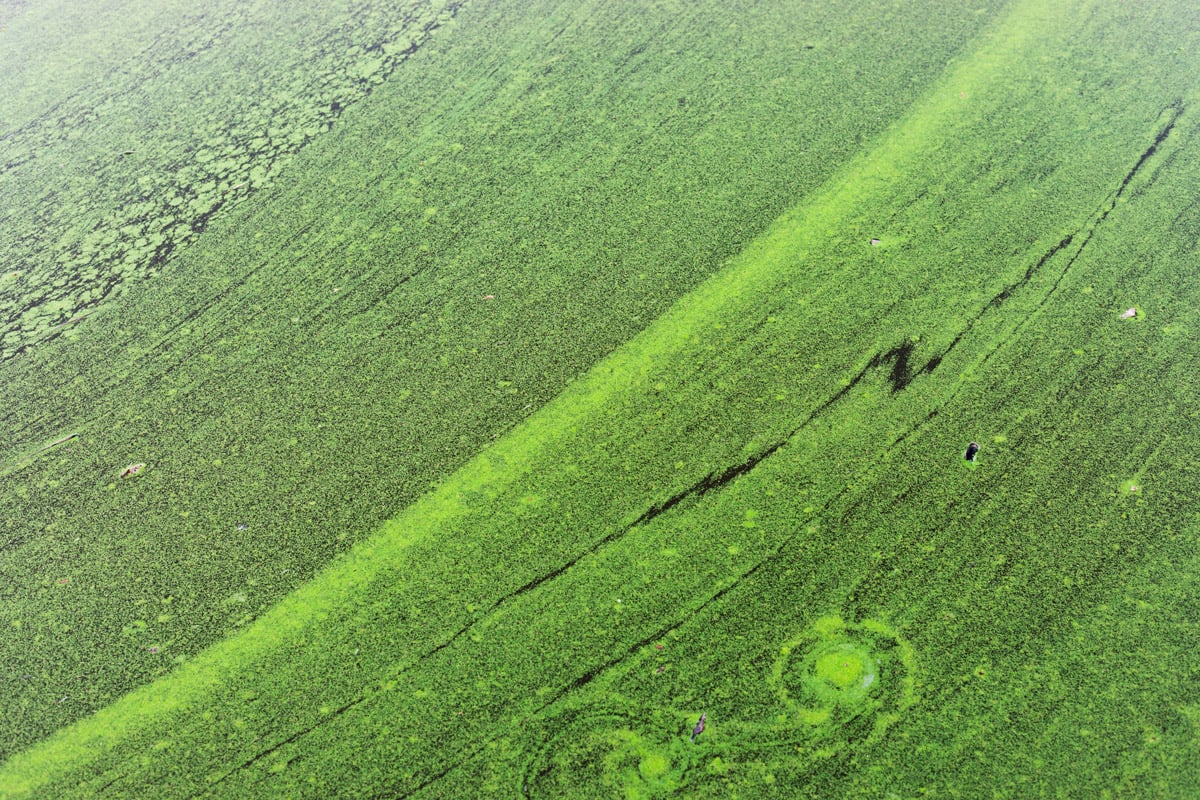
Low-energy input systems that utilize microalgae and the natural biological process of photosynthesis can drive efficient wastewater treatment systems. This publication describes the use of microalgae in wastewater treatment.
|
-
SB 48-04
Aquatic Environments Pest Management
This section of the Home & Garden Edition covers external parasite control in aquatic environments, including fishery chemicals, aquatic weed control, response to herbicides, restrictions, and calculating concentrations in aquatic environments. Beginning in 2022, the Home & Garden Edition has been updated biennially. When purchasing a product based on a first-year recommendation of the Handbook, check the current product label before purchase to be sure it is still labeled for the use for which you are buying it. For pesticide products you have on hand from earlier purchases, you are allowed to use them until they are depleted without penalty under the law. Always follow label instructions before use. Contact the product’s manufacturer for the most up-to-date label.
|
-

Do you want a landscape that is beautiful, saves you time, effort and money and uses less water? If you do, a water-wise landscape is for you. Water-wise landscapes are designed, organized, and maintained by practices that use water strategically and wisely. Follow the seven basic steps outlined in this guide to create a beautiful water-wise yard or home garden.
|
-
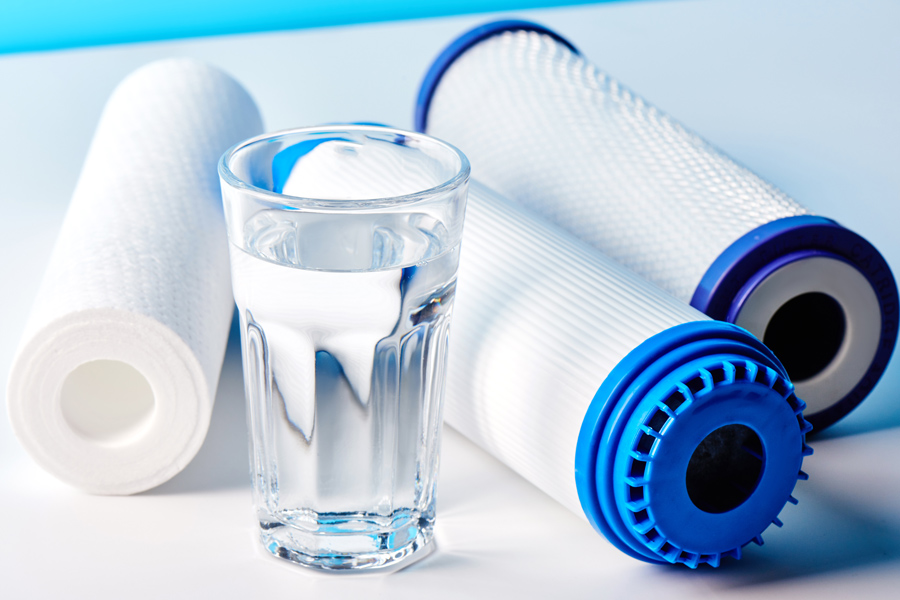
This publication covers microfiltration, which is used for physical removal of contaminants from water. It describes how these processes work, their situation-specific usefulness/applications, maintenance needed for their proper functioning, and guidance for the consumers to select the appropriate filter.
|
-
C 1331-01
The Bucket Method
This publication describes the Bucket Method and how someone would use this method to measure the streamflow in a stream, creek, or river to be used in developing a Low Flow Plan required for a agricultural withdrawal permit. Part of the Stream Flow Measurements series.
|