Water Resources
-

B 1242-3
Georgia’s Water Quality Standards
The Environmental Protection Division (GAEPD) of the Georgia Department of Natural Resources (GADNR) is responsible for setting and enforcing water quality standards. The goals of establishing these standards are to “provide enhancement of water quality and prevention of pollution; to protect the public health or welfare in accordance with the public interest for drinking water supplies, conservation of fish, wildlife, and other beneficial aquatic life, and agricultural, industrial, recreational, and other reasonable and necessary uses and to maintain and improve the biological integrity of the waters of the State.” This publication contains comprehensive information about Georgia’s water quality standards and what the public should know about bodies of water that do not meet these standards.
|
-

B 1242-1
Watershed Assessment in Georgia
Watershed assessment is the measurement and use of chemical, physical and biological properties to determine the current health of streams. It also can include the use of predictive modeling of watershed conditions and suggests management practices that will maintain and improve the health of a watershed. This publication provides information on the components of a watershed assessment and how to implement these plans.
|
-

On-site wastewater treatment systems provide treatment and ultimate dispersal of wastewater from homes and small businesses. They usually consist of a septic tank, a drain field and the underlying soil. When properly designed, installed and maintained, they are an environmentally benign method to manage household wastewater.
|
-

B 1242-5
Drinking Water Protection in Georgia
Drinking water sources in Georgia (surface and ground water) can be contaminated by landfills and dumps, leaky septic tanks, urban runoff, industry and agricultural operations. The state of Georgia has implemented two programs designed to identify potential sources of pollution and protect drinking water sources.
|
-

B 1242-7
Bacterial Source Tracking (BST)
Fecal contamination of water impacts many regions of the U.S. and may carry risks to human health. When a water body fails to meet water quality standards for fecal bacteria, the Federal Clean Water Act requires a Total Maximum Daily Load analysis to establish how many bacteria are in the water, the sources of bacteria and whether the contamination varies seasonally. If all the point sources of contamination are acknowledged and there is still a bacterial problem, it may be time to try additional source identification tools, such as Bacterial Source Tracking.
|
-
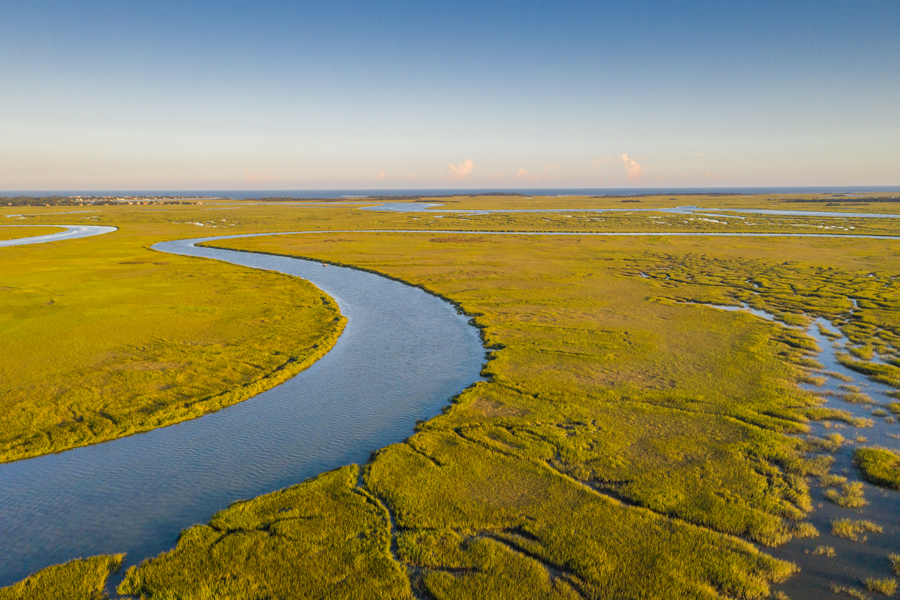
Since only a small amount of water is available for human use, this publication was written to provide a broad-based discussion of how to protect our surface water resources.
|
-

With the passing of the Clean Water Act and subsequent creation of the U.S. Environmental Protection Agency (EPA) in the early 1970s, industrial, institutional, and commercial entities have been required to continually improve the quality of their process wastewater effluent discharges. The determination of wastewater quality set forth in environmental permits has been established in a series of laboratory tests focused on four major categories: 1. Organics, 2. Solids, 3. Nutrients, 4. Physical Properties. For most people, it’s not necessary to possess a complete understanding of the standard methods required to accurately complete critical wastewater analytical tests. However, a fundamental understanding of the theory behind and working knowledge of the basic procedures used for each test, and the answers to commonly asked questions about each test, can be a valuable tool for anyone involved in generating, monitoring, treating, or discharging process wastewater. This publication is designed to provide a solid working knowledge of one of the major wastewater analytical test categories: 2. Solids.
|
-
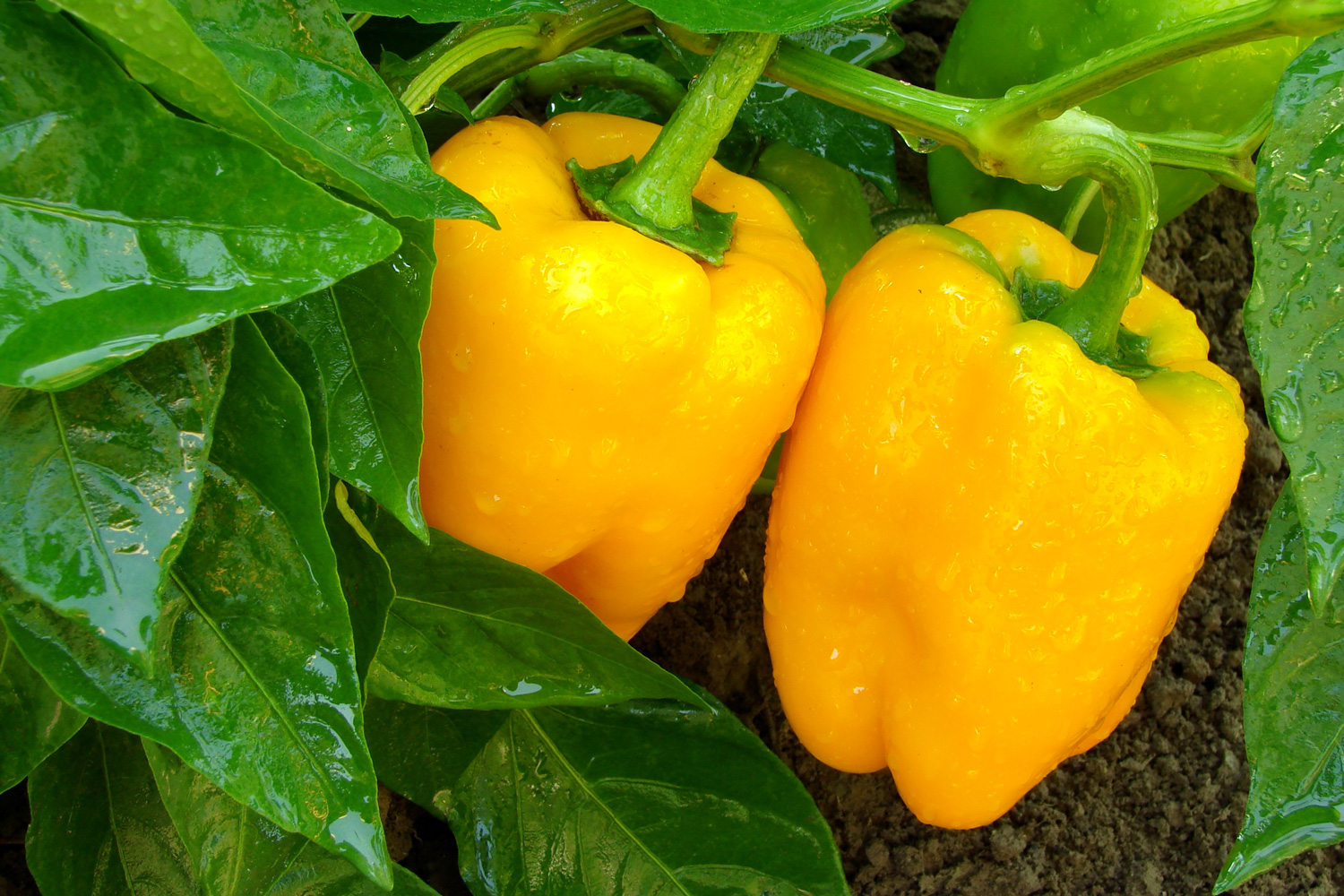
This publication is part of a series focusing on irrigation scheduling for vegetable crops. It contains basic information on water use and irrigation management using the crop water demand method for Solanaceae crops such as bell peppers, tomatoes, and eggplants.
|
-

The Water Stewardship Act is intended to demonstrate Georgia’s deep commitment to the conservation of critical freshwater supplies. This publication provides an overview of the major provisions affecting Georgia farmers and their use of the state’s most precious resource: WATER.
|