UGA College of Agricultural & Environmental Sciences Field Report
  • Stories
    Almanac

    Science in service of humanity and the environment

    Read our annual magazine here

    READ


    Dive into engaging stories that showcase our statewide, national and global impact.

    Check out our written stories here

    LOOK


    Browse curated photo galleries capturing the people, places and programs that bring CAES to life.

    Check out our photo galleries here

    WATCH


    Experience our stories through videos that highlight our people, projects and passions in action.

    Check out our video library here

    LISTEN


    Tune in to “Cultivating Curiosity,” our podcast featuring in-depth conversations with CAES experts.

    Check out our podcast here
  • Expert Resources

    Expert Resources


    From farms and gardens to families and finances, our expert resources empower Georgians with trustworthy, practical science.

    Gardening
    Invasive species
    Food and food safety
    Ants, termites and other pests
    Pollinators
    Livestock
    Emergency preparedness
    Home safety and maintenance
    Health, family and finances
    Nutrition
    Water quality
    Lawn maintenance and landscaping
    Turfgrass
    View all topics

    What is an Expert Resource?


    We publish unbiased, research-backed expert advice to empower Georgians with practical, trustworthy information they can trust.

    These resources are written and reviewed by experts in the UGA College of Agricultural and Environmental Sciences and the UGA College of Family and Consumer Sciences.

    Learn how we produce science you can trust
  • Events
  • Contact
  • Read
  • Look
  • Watch
  • Listen
Subscribe
  • LinkedIn
  • Facebook
  • Instagram
  • Stories
    Almanac

    Science in service of humanity and the environment

    Read our annual magazine here

    READ


    Dive into engaging stories that showcase our statewide, national and global impact.

    Check out our written stories here

    LOOK


    Browse curated photo galleries capturing the people, places and programs that bring CAES to life.

    Check out our photo galleries here

    WATCH


    Experience our stories through videos that highlight our people, projects and passions in action.

    Check out our video library here

    LISTEN


    Tune in to “Cultivating Curiosity,” our podcast featuring in-depth conversations with CAES experts.

    Check out our podcast here
  • Expert Resources

    Expert Resources


    From farms and gardens to families and finances, our expert resources empower Georgians with trustworthy, practical science.

    Gardening
    Invasive species
    Food and food safety
    Ants, termites and other pests
    Pollinators
    Livestock
    Emergency preparedness
    Home safety and maintenance
    Health, family and finances
    Nutrition
    Water quality
    Lawn maintenance and landscaping
    Turfgrass
    View all topics

    What is an Expert Resource?


    We publish unbiased, research-backed expert advice to empower Georgians with practical, trustworthy information they can trust.

    These resources are written and reviewed by experts in the UGA College of Agricultural and Environmental Sciences and the UGA College of Family and Consumer Sciences.

    Learn how we produce science you can trust
  • Events
  • Contact
  • Read
  • Look
  • Watch
  • Listen
Subscribe
  • LinkedIn
  • Facebook
  • Instagram
Subscribe
  • LinkedIn
  • Facebook
  • Instagram
  1. Home
  2. Expert Resources
  3. Topics
  4. Environment
  5. Water

Water Resources

Use the Advanced Search
  • B 1577

    PFAS: Perfluoroalkyl and Polyfluoroalkyl Substances

    Perfluoroalkyl and polyfluoroalkyl substances (PFAS) are a group of more than 9,000 manmade chemicals that have been in use worldwide since 1940, primarily in industry and numerous commercial and consumer products. The widespread use of PFAS for the past several decades has raised concerns due to their persistence, bioaccumulative nature, and potential adverse health effects. This resource provides information about the background, uses, and environmental and human health consequences of PFAS chemicals.

    Uttam K. Saha and Gary L. Hawkins

    |

    Jan. 28, 2025
  • B 1421

    A Beginner’s Guide to Septic Systems

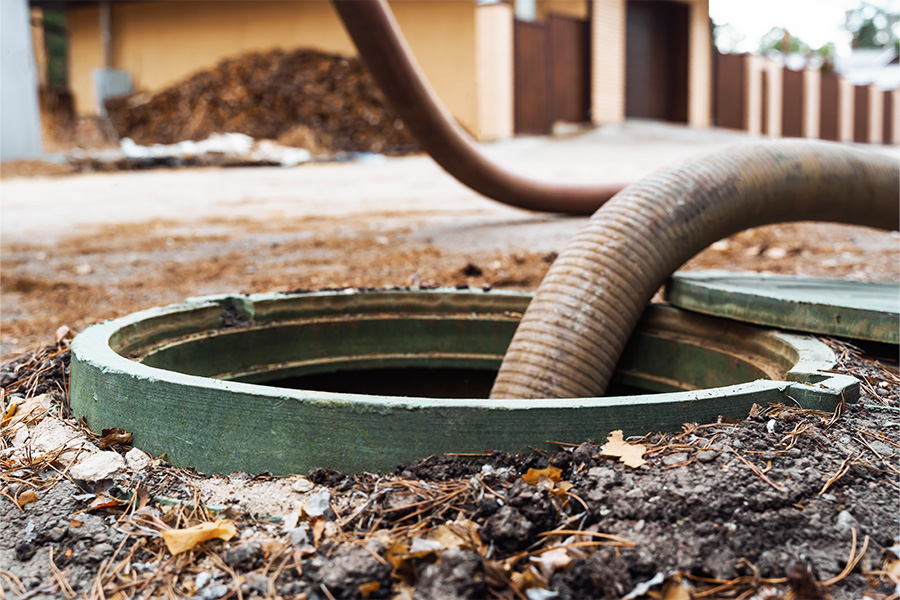
    Many buildings and homes have on-site wastewater management systems, commonly called septic systems. Because septic systems are buried, it is easy to forget about them as they quietly, elegantly and efficiently maintain human and environmental health. Septic systems are the norm in rural areas, but they can be quite common in urban areas as well. It is important to know if your building is on a septic system. This publication explains the basics of septic systems.

    L. Mark Risse, Gary L. Hawkins, and Mussie Habteselassie

    |

    Oct. 18, 2024
  • B 1563

    Oxidizing Filters

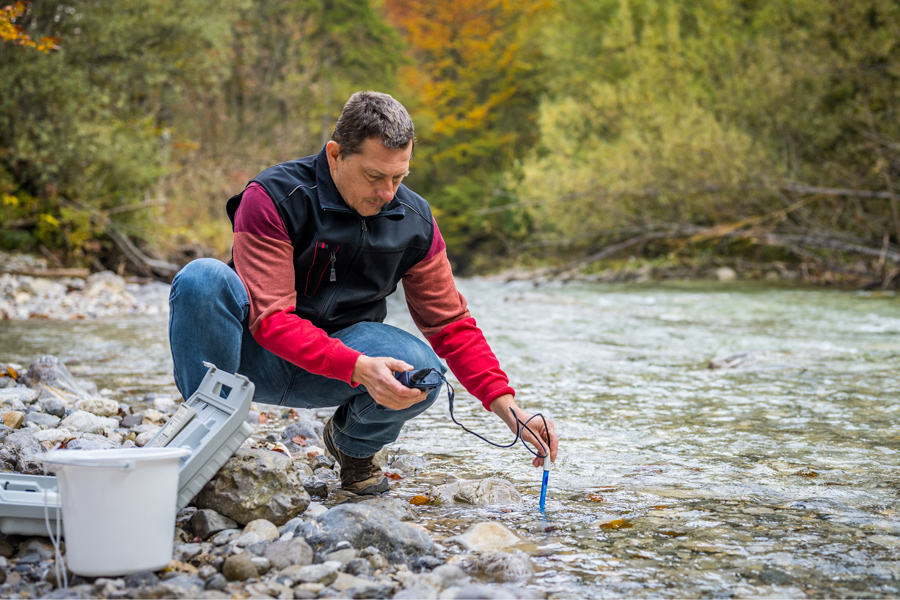
    Private well waters often contain high levels of iron, manganese, and hydrogen-sulfide. While these contaminants are not considered to have any human health consequences, they can cause various issues such as staining, impaired taste, and odor problems once their concentration exceeds certain levels, and homeowners need an appropriate system to remove them—such as an oxidizing filter. Oxidizing filters operate using oxidation, which occurs when a substance comes into contact with oxygen or another oxidizing substance. Everyday examples of oxidation are rust and the brown color that develops on a cut apple. This publication discusses various aspects of oxidizing filtration technique such as applicability, types of filter media, maintenance, etc.

    Uttam K. Saha, Gary L. Hawkins, Laurel Dunn, Laura Ney, and Brenda Jackson

    |

    Aug. 29, 2024
  • B 1335

    Conservation and Best Management Practices in Georgia: Implementing, Funding, and Assistance

    Best Management Practices (BMPs) can be described as management and/or structural practices that are designed to reduce pollutants and erosion while increasing the quality of all life. The BMP concept deals specifically with nonpoint source pollution, such as runoff from agricultural fields, forest areas or urban areas. BMPs are also voluntary in nature. Individual practices and applications can vary widely from field to field. Best management practices are typically used in agricultural areas, and forest and urban settings.

    Gary L. Hawkins and Rebekah Danielle Wallace

    |

    July 22, 2024
  • Urban Storm Water Management in Georgia

    B 1242-6

    Urban Storm Water Management in Georgia

    Storm water is the runoff from land and impervious areas such as paved streets, parking lots and building rooftops during rain events. It often contains pollutants such as nutrients, bacteria, sediment and metals that could adversely affect water quality.

    Gary L. Hawkins

    |

    July 22, 2024
  • B 1542

    Activated Carbon Water Filtration Devices

    Activated carbon, also called activated charcoal, is usually produced from charcoal in granular or powdered form. It is a form of carbon that has been processed (activated) to make it highly porous, with a very large surface area available for physical adsorption or chemical reactions. Among others, water treatment is an important application of activated carbon. Activated carbon filters treat general taste and odor problems, including chlorine residue, various organic chemicals, and the radioactive gas radon. This publication discusses various types of activated carbon water treatment systems, their usefulness and limitations, along with required maintenance.

    Uttam K. Saha, Gary L. Hawkins, and Joel Burnsed

    |

    July 17, 2024
  • B 1564

    Shallow Subsurface Drip Irrigation: A Tool for Organic Vegetable Growers

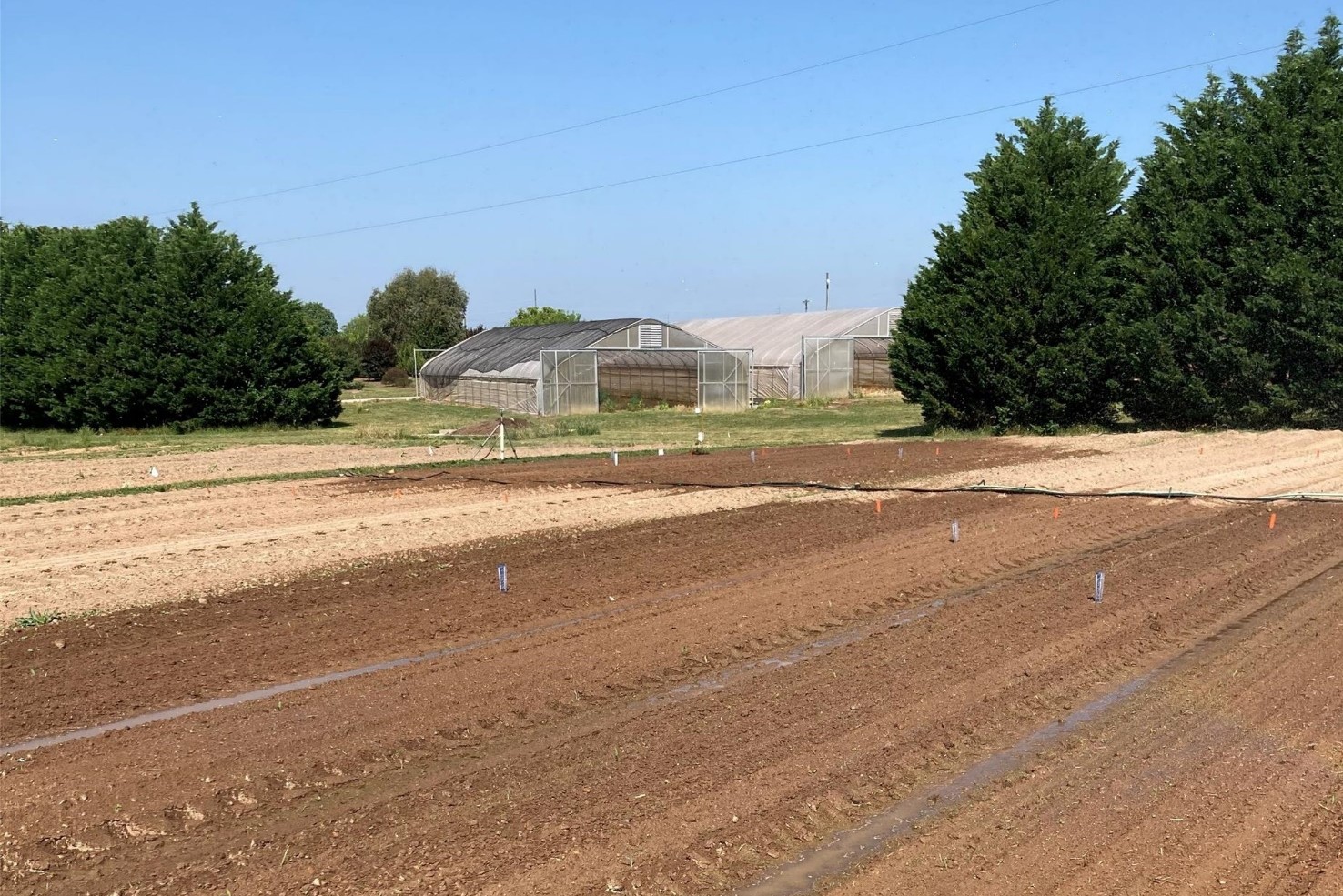
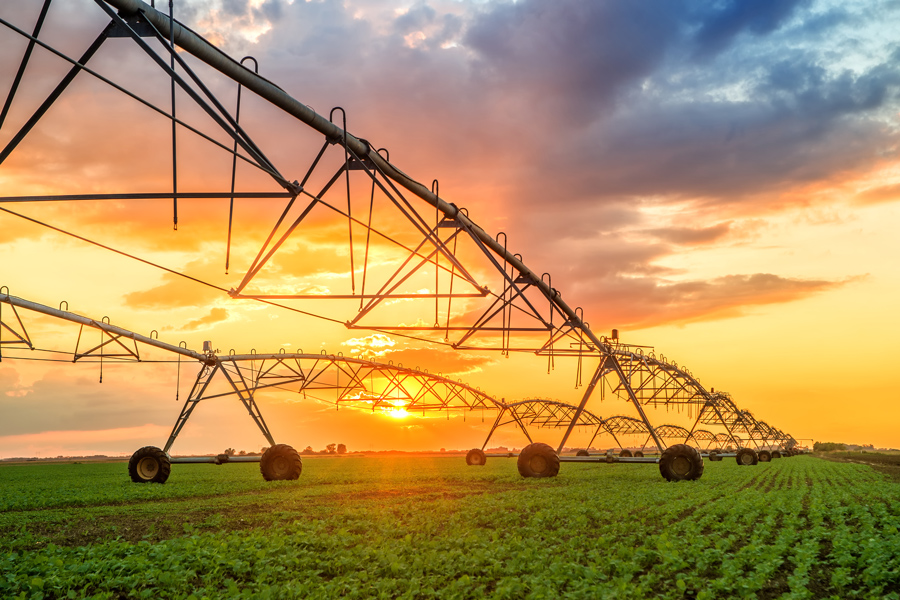
    This publication highlights some of the ongoing research into using SSDI in organic vegetable crop production. SSDI facilitates cultivation without harming drip tubing and limits surface soil wetting, which may also reduce weed pressure. Prior research has shown that SSDI offers some advantages over surface-placed drip tubing in conventionally grown crops (Coolong, 2016).

    Timothy Coolong, Nicholas Tuschak Basinger, Kate Cassity-Duffey, and Ted McAvoy

    |

    June 24, 2024
  • B 1242-2

    Total Maximum Daily Loads in Georgia

    A total maximum daily load (TMDL) is a calculation of the maximum amount of a pollutant that a water body can receive and still meet water quality standards. This publication contains comprehensive information about total maximum daily loads in Georgia, including their importance and how to establish an implementation plan.

    Gary L. Hawkins

    |

    May 8, 2024
  • B 1242-3

    Georgia’s Water Quality Standards

    The Environmental Protection Division (GAEPD) of the Georgia Department of Natural Resources (GADNR) is responsible for setting and enforcing water quality standards. The goals of establishing these standards are to “provide enhancement of water quality and prevention of pollution; to protect the public health or welfare in accordance with the public interest for drinking water supplies, conservation of fish, wildlife, and other beneficial aquatic life, and agricultural, industrial, recreational, and other reasonable and necessary uses and to maintain and improve the biological integrity of the waters of the State.” This publication contains comprehensive information about Georgia’s water quality standards and what the public should know about bodies of water that do not meet these standards.

    Gary L. Hawkins

    |

    May 8, 2024
Previous Page
1 2 3 4 5 … 7
Next Page

About CAES

CAES Home

Overview

History

Administration

Jobs

Personnel Directory

Privacy Policy

Accessibility Policy

AI Guidelines

Affiliations

UGA Cooperative Extension

Tifton Campus

Griffin Campus

University of Georgia
  • Schools and Colleges
  • Directory
  • MyUGA
  • Employment Opportunities
  • Copyright and Trademarks
  • UGA Privacy Policy
  • Report an Accessibility Barrier
  • Submit a Student Complaint
#UGA on
© University of Georgia, Athens, GA 30602
706‑542‑3000