Weeds, Diseases and Pests Resources
-
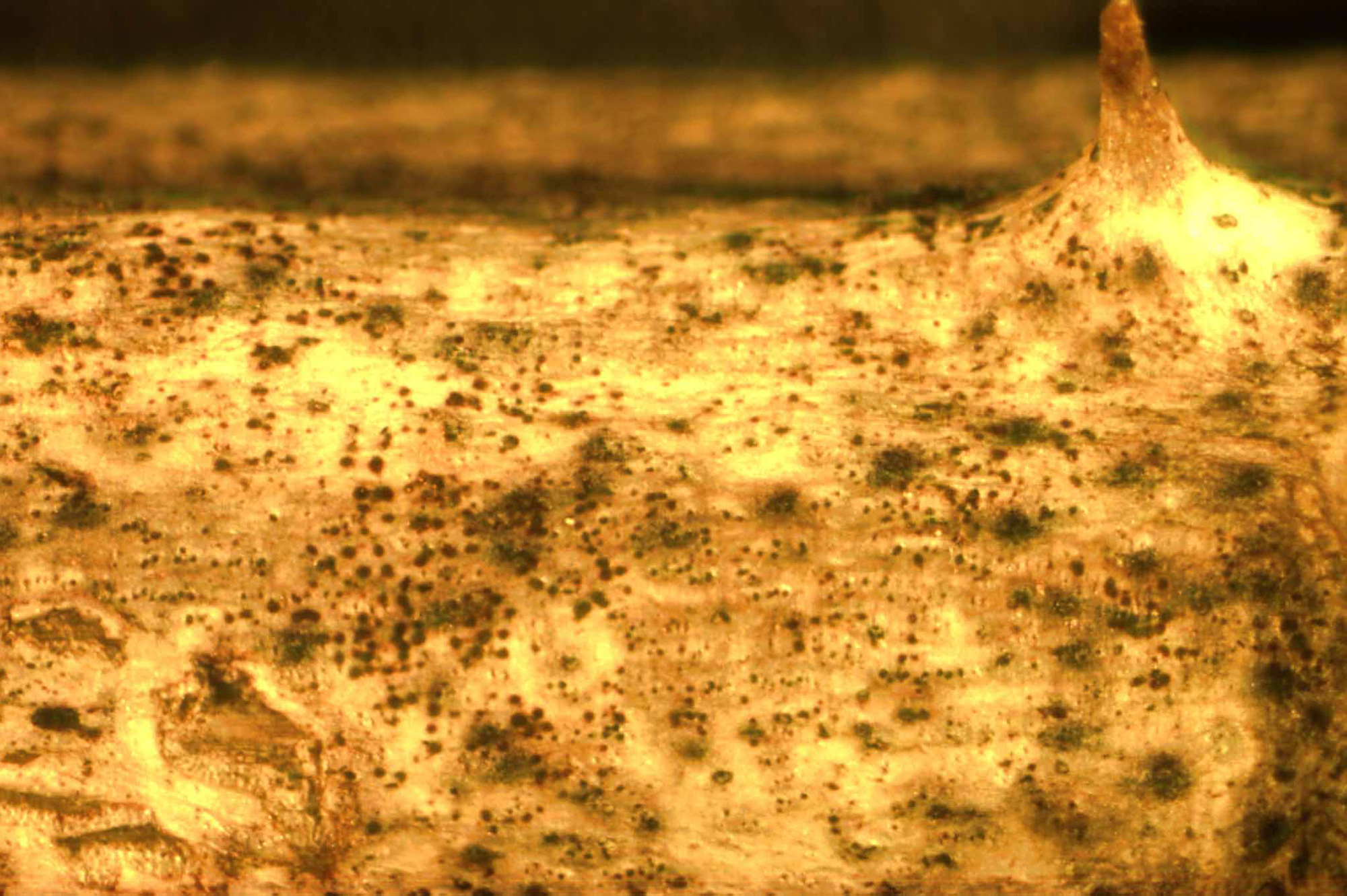
Cane blight can be a major disease of blackberry in the Southeast, resulting in severe losses. The wet, humid conditions observed in Georgia and other southeastern states allow for significant losses following pruning or other injuries to the primocane.
|
-
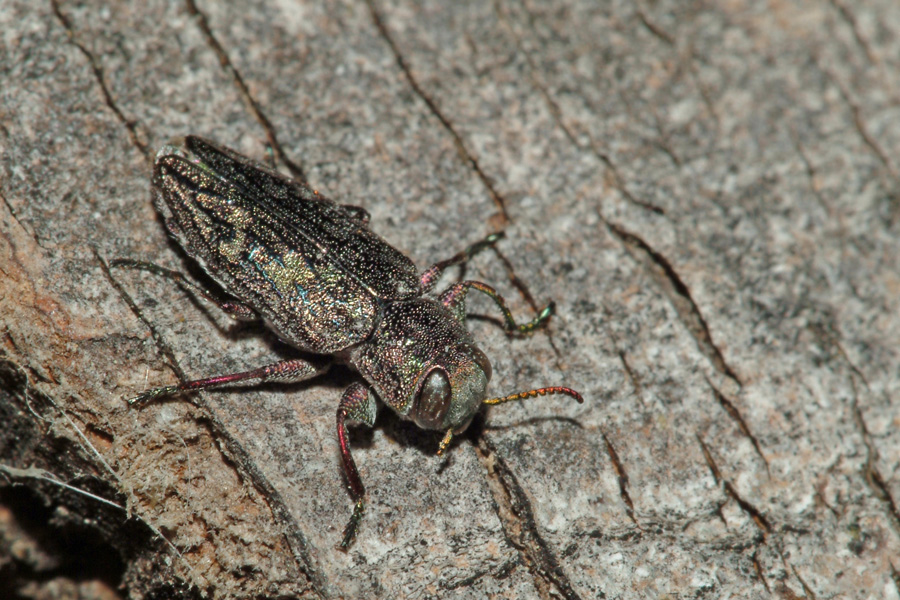
The flatheaded appletree borer is a polyphagous pest—so called because it feeds on multiple tree species—native throughout North America. Flatheaded appletree borers impact specialty crops such as fruit, nut, and ornamental trees. Nursery growers in Georgia face mild to moderate levels of infestation depending on the local beetle population size and favorable environmental conditions. Adult flatheaded appletree borers are metallic greenish-bronze and appear fattened in cross-section, which causes them to produce “D” or oval-shaped exit holes as they emerge from wood; these exit holes commonly are associated with buprestid beetles. The elytra or wing covers of flatheaded appletree borer adults have markings that appear as light-colored zigzagging bands. Larvae are cream-colored and have an enlarged, fattened thoracic segment behind the darker true head of the insect—this is what gives them the flatheaded name.
|
-
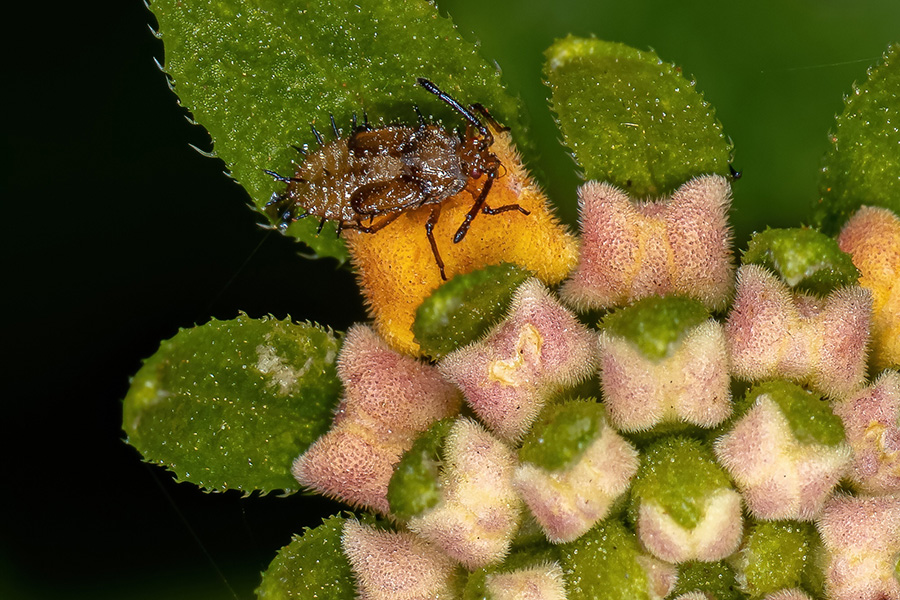
The lantana lace bug, Teleonemia scrupulosa Stål (Tingidae: Hemiptera), is a serious pest of lantana (Lantana
camara L.). Although lantana is regarded as an invasive weed both in the United States and worldwide,
many popular cultivars continue to be planted in residential and public ornamental landscapes and gardens.
Previously, the lantana lace bug was deliberately introduced to several countries as a biological control agent for
lantana. Te lantana lace bug is also referred to as T. lantanae or T. vanduzeei in many publications. This publication covers the identification, biology, symptoms and management of lantana lace bugs.|
-
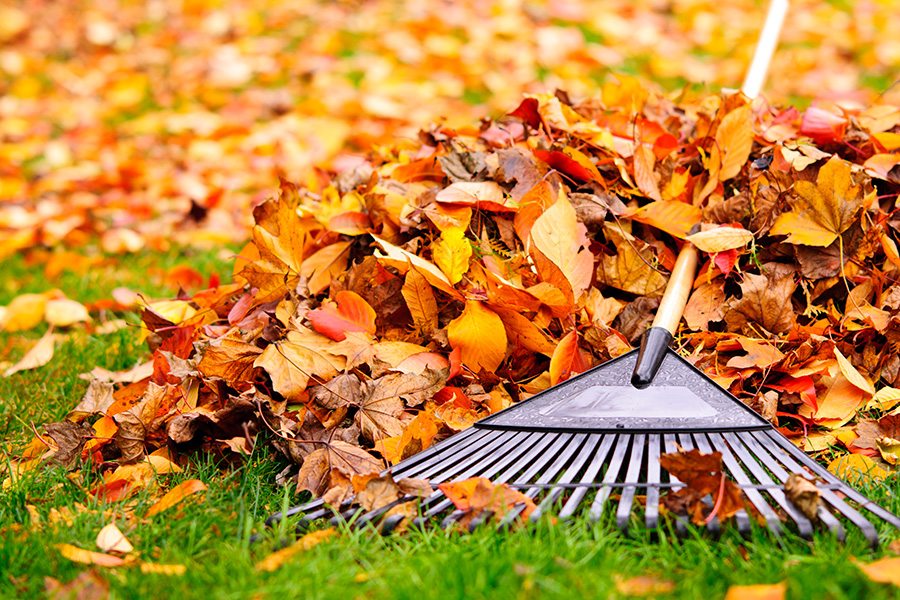
This publication is an annually-updated guide to fall gardening information and resources for Georgia. Topics include planting tall fescue lawns, soil bag flower beds, planting pansies like the pros, planting collards, turnips and cabbage, planting a home fruit orchard, mulching with leaves, gardening chores, cleaning and storing garden tools, treating for fire ants, and additional resources.
|
-
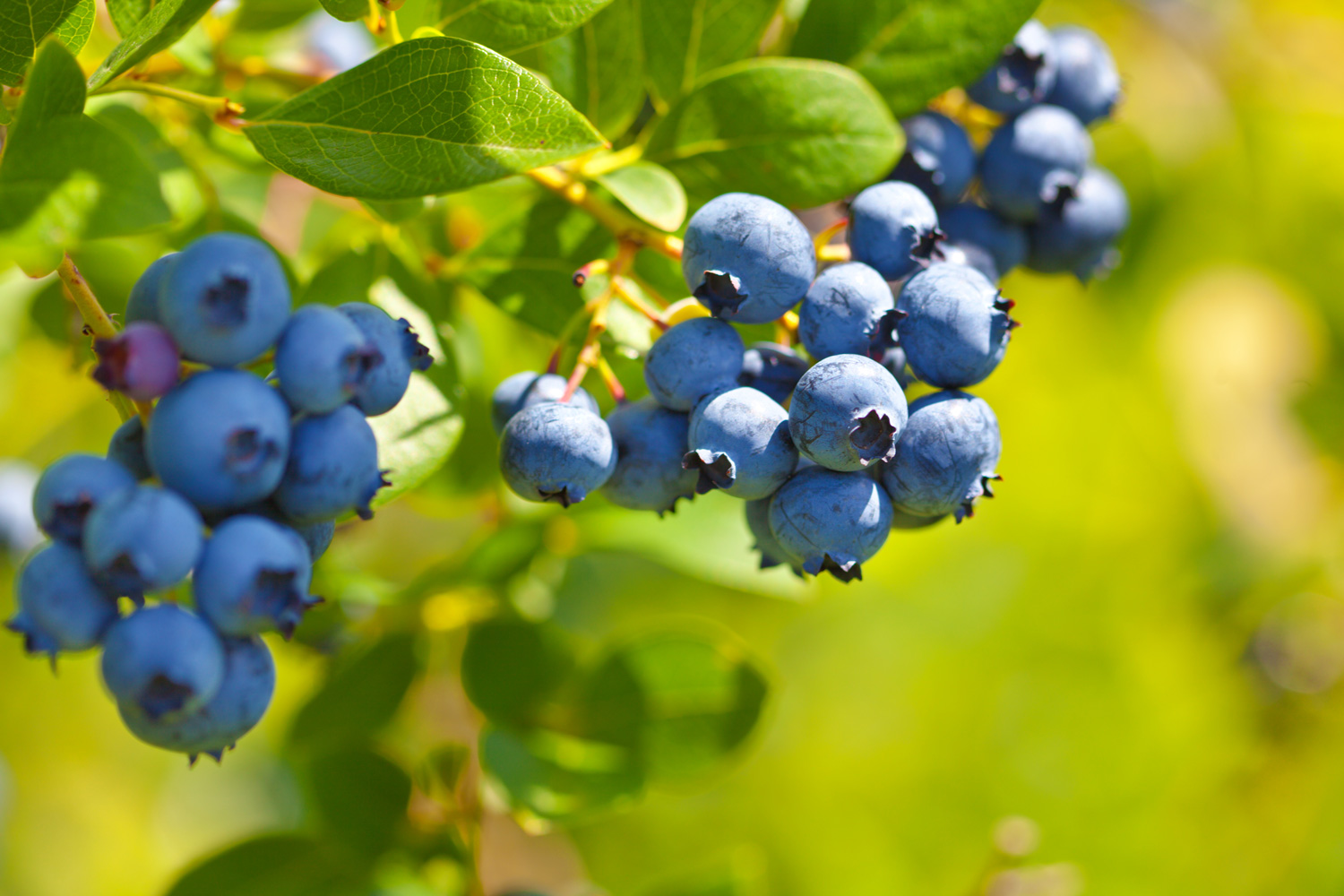
The 2023 edition of this publication covers integrated pest management information for blueberry producers in the Southeastern U.S. Recommendations are based on information from the manufacturer’s label and performance data from research and Extension field tests. This publication is intended for use only as a guide. Specific rates and application methods are on the pesticide label, and these are subject to change at any time.
|
-

2020 plant disease losses in Georgia, including control costs, amounted to an estimated $806 million. The value of the crops used in this estimate was approximately $6.712 billion, resulting in a 12.01% relative disease loss across all crops included in this summary. The estimated values for most crops used to compute these disease losses are summarized in the 2020 Georgia Farm Gate Value Report (AR-22-01) by the UGA Center for Agribusiness & Economic Development. Some estimates for fruits, ornamentals, and turf rely on specialists’ knowledge of the industry and industry sources for information. Losses covered include: apple, blackberry, blueberry, bunch grape, corn, cotton, muscadine grape, ornamentals, peach, peanut, pecan, soybean, strawberry, turfgrass, vegetables, and wheat.
|
-

By their nature, pesticides are hazardous and demand cautious handling. When they are used properly, however, pesticides improve the quality of our food supply, protect our health and increase our comfort with little risk to the environment and non-target living things. The most important consideration for the safe, effective use of pesticides is to follow all label directions and safety precautions.
|
-
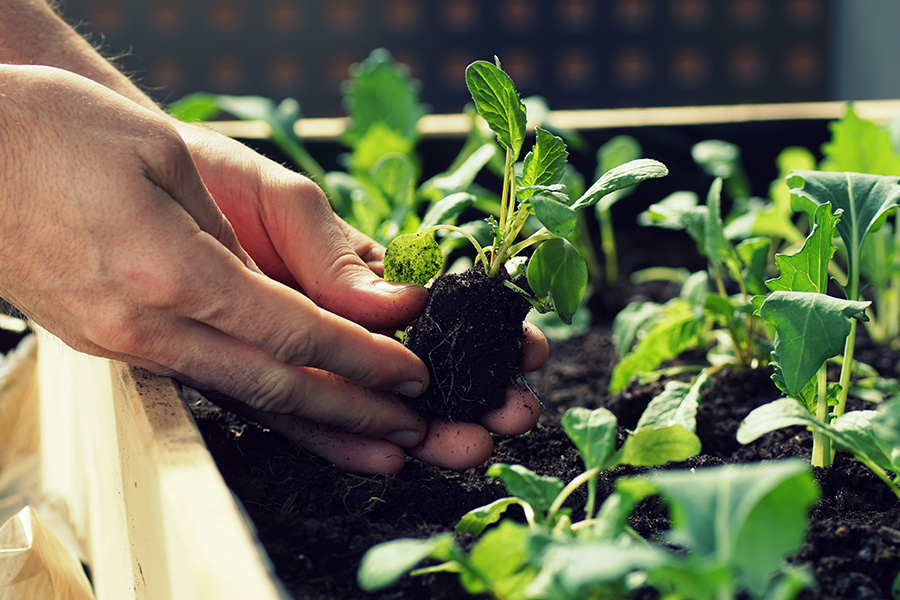
Plant diseases can be a significant problem in home gardens. Most vegetables are susceptible to a number of diseases. Home gardeners can reduce the occurrence of many diseases with sound cultural practices. This publication discusses managing diseases in the home vegetable garden.
|
-
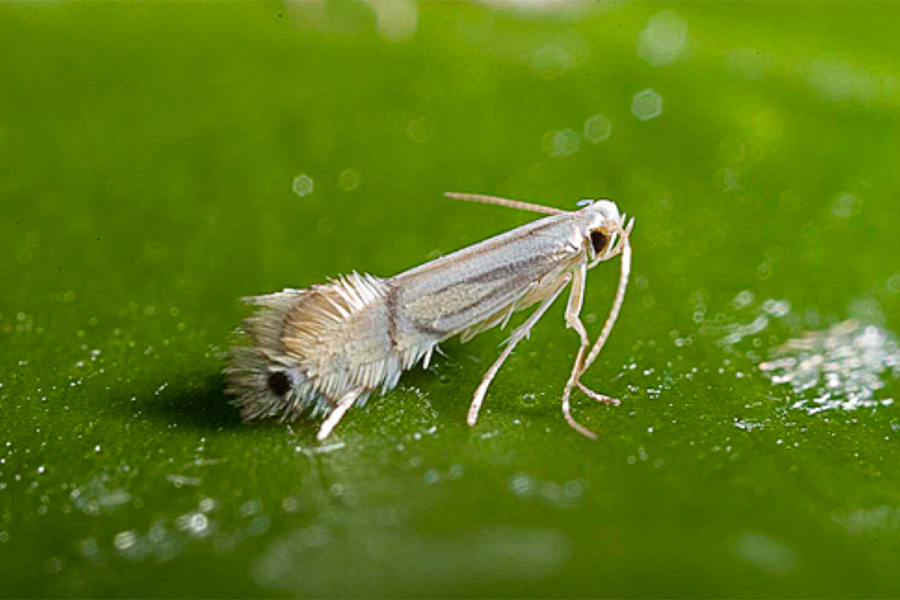
Citrus leafminer (Phyllocnistis citrella) is found in Georgia and states along the Gulf of Mexico. Leafminer damage to foliage can stunt the growth of young trees and make trees more susceptible to citrus canker where the pathogen is present. Mature trees can better tolerate the damage although heavy infestations may reduce production. This publication discusses the identification, chemical control, noninsecticidal control, and homeowner control options for citrus leafminers.
|