Weeds, Diseases and Pests Resources
-

This report provides research and extension results for trials conducted by the University of Georgia Vegetable Team and its collaborators in the 2024-2025 growing season. Management of diseases is necessary to protect crops against disease pathogens and reduce their spread in vegetable fields. This study aims to detect Phytophthora blight severity, a major disease affecting pepper plants, using drone technologies. Contributing authors include county and regional faculty as well as specialists from UGA’s horticulture, plant pathology, crop and soil sciences, and entomology departments. All research has been supported by the Georgia Commodity Commission for Vegetables.
|
-
This report provides research and extension results for trials conducted by the University of Georgia Vegetable Team and its collaborators in the 2024-2025 growing season. Contributing authors include county and regional faculty as well as specialists from UGA’s horticulture, plant pathology, crop and soil sciences, and entomology departments. All research has been supported by the Georgia Commodity Commission for Vegetables.
|
-

This resource provides concise and accurate information describing mosquito biology and behavior, including the history of mosquitoes in Georgia and ways to prevent mosquito-borne diseases. Mosquitoes affect a large segment of the public, and mosquito control is most efficiently conducted in an integrated manner. This information will help homeowners address mosquito problems on their own property and provide insight into the intricacies of larger, community-based control programs.
|
-
AP 117-5-07
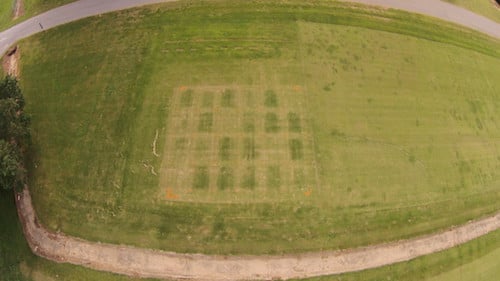
Confronting Prostrate Spurge
This presentation for golf course and sports field managers at the Turfgrass Research Field Day covers how the UGA turfgrass team is confronting and combatting prostrate surge in turfgrass.
|
-

AP 117-5-09
Late Summer and Fall Weed Control
This presentation for lawn care operators at the Turfgrass Research Field Day covers controlling key problematic weeds during late summer and early fall.
|
-

This presentation at the Turfgrass Research Field Day covers research and information about fungicides and nematodes in Georgia turfgrass.
|
-
AP 117-5-04
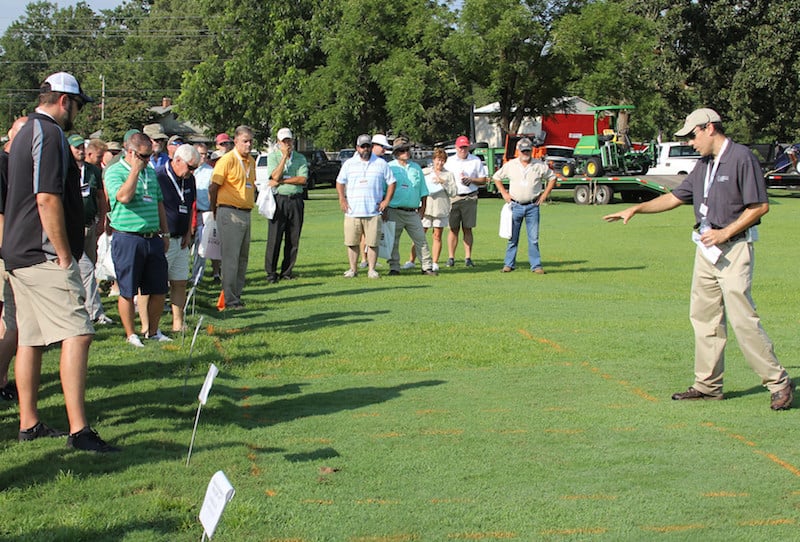
Summer Weed Control and Preemergent Herbicides
This presentation at the Turfgrass Research Field Day covers ongoing research to combat summer weed control and preemergent herbicides for turfgrass.
|
-

This circular provides a basic summary of the best management practices of integrated mosquito management. These practices begin with education and communication and progress through surveillance, source reduction, larviciding, and adulticiding. The circular presents guidelines that communities can use to help develop the most effective mosquito management program possible with the resources available. Using these practices will help to minimize pesticide exposure to pollinators and other non-target pests.
|
-

This quick reference guide provides an overview of common pests and predator groups and their sizes, habitat preferences, and timing in cotton fields. This visual guide is intended to help facilitate future scouting and provide information on common predatory arthropods in Georgia cotton systems. When growing cotton, scouting for key pests and beneficials is critical to making informed and cost effective management decisions.
|