Weeds, Diseases and Pests Resources
-
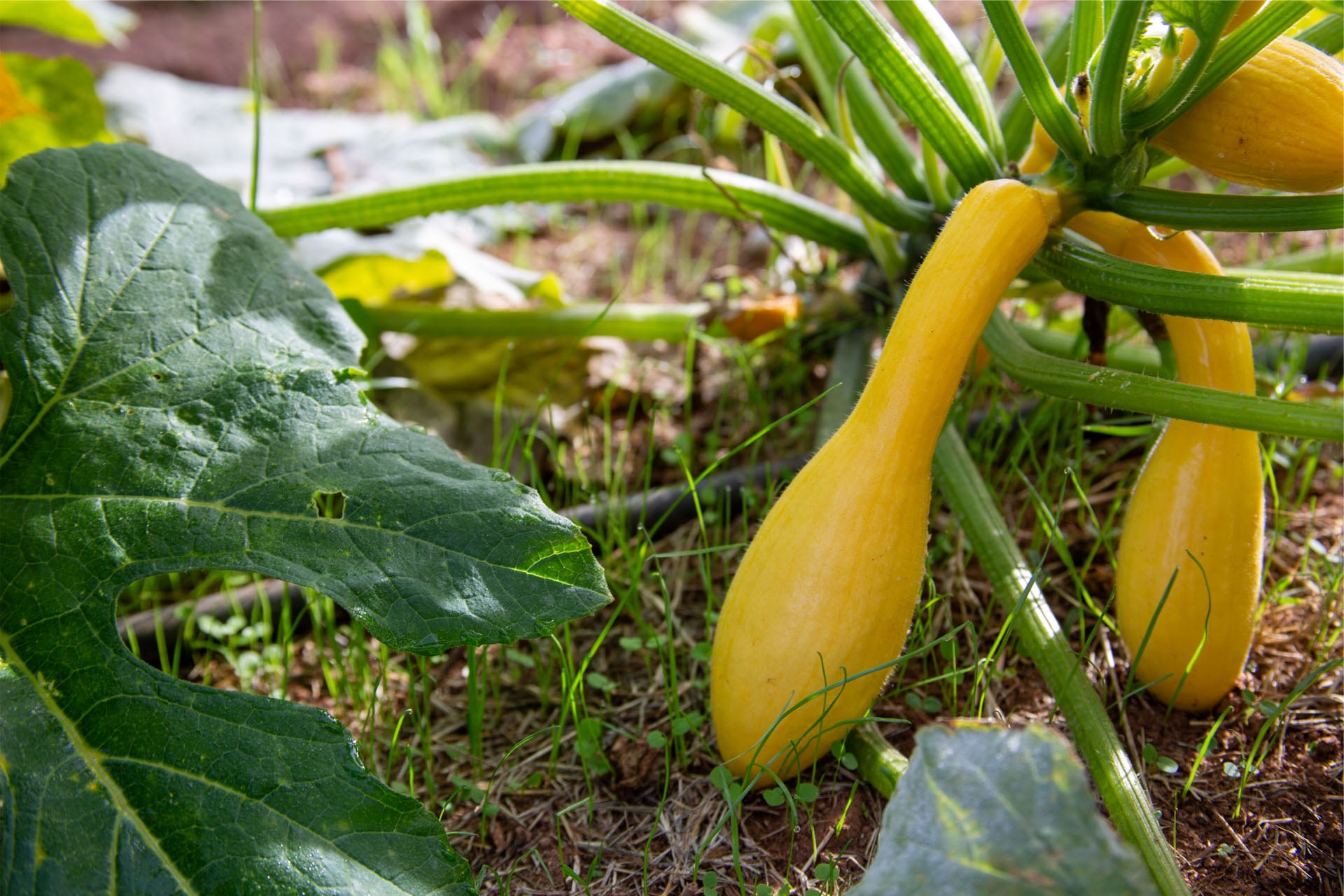
This resource provides a step-by-step guide to test for residual aminopyralid herbicide in soils using a simple bioassay (by growing test squash or green bean plants).
|
-

The field is a complex environment with many factors that can interact to influence the growth of a corn plant. These factors can be living in the form of insects, diseases, nematodes and weeds; or, they can be non-living such as weather, nutrients or chemicals. In the proper combination of factors, corn can produce more than 200 bushels per acre in the Southeast; or in a totally unfavorable combination, every corn plant can die. When a problem is identified, it is important to determine the extent and severity of the problem to decide whether corrective measures are necessary or available. Use this guide and other technical information before implementing any management decision.
|
-
C 1260
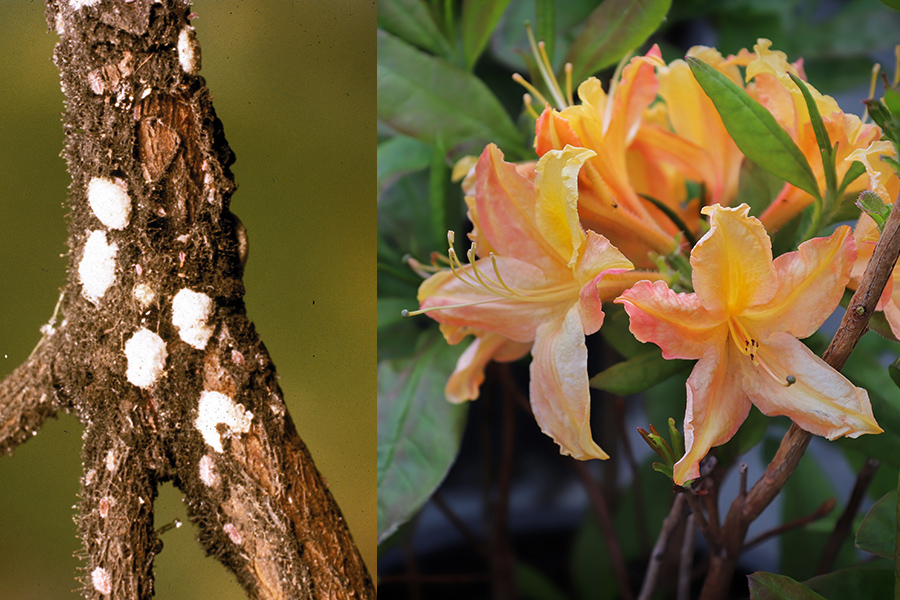
Azalea Bark Scale
Azalea bark scale poses a serious threat to azaleas, rhododendron, and Pieris (Andromedas) in Georgia. It is a soft scale insect; the nymph and female soft scales secrete a protective coating of waxy crust on their body that cannot be separated from the scale insect. This scale also is found on blueberry, hawthorn, huckleberry, poplar, and willow. Symptoms of ABS infestation include dropping yellow leaves and dying branches. An azalea bark scale infestation rarely kills the plant unless it is extremely severe and uncontrolled.
|
-
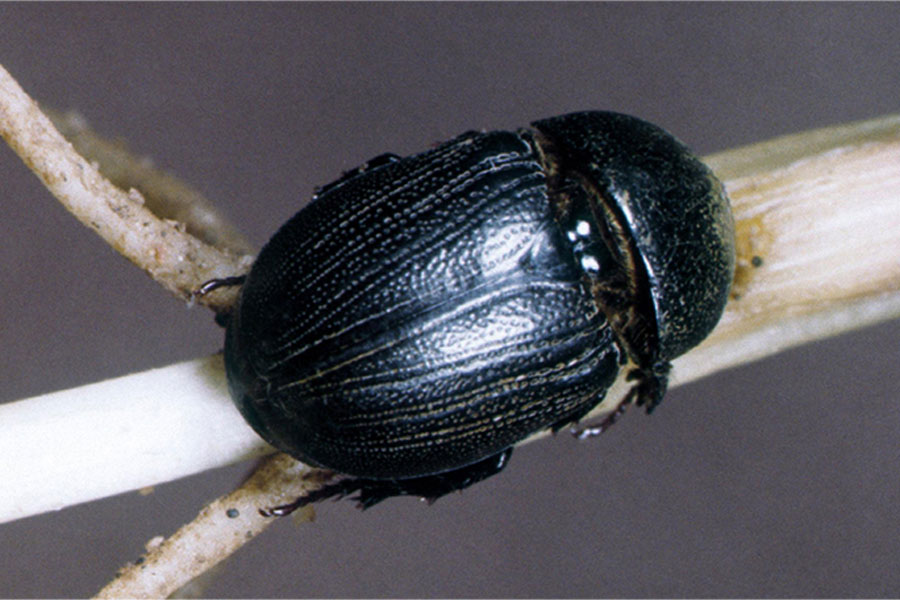
The sugarcane beetle has been a significant pest of many crops, including sugarcane, corn, sweet potato, and rice, for more than 100 years. It is a native species commonly found in turfgrass. While low numbers of beetles in an area generally are not regarded as pests, increasing numbers of adult beetles have been causing damage to turfgrass stands throughout the Southeastern U.S.
|
-
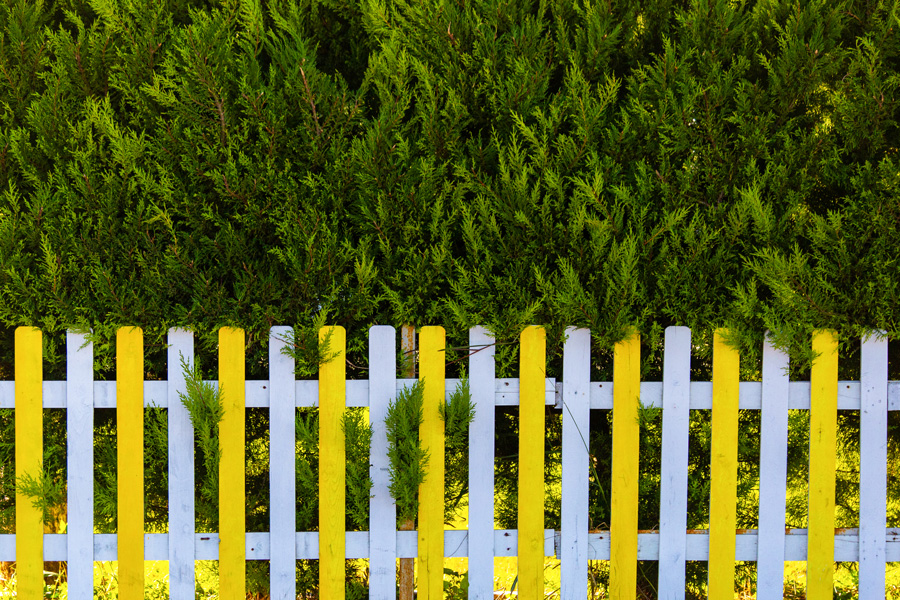
Leyland cypress has become one of the most widely used plants in commercial and residential landscapes across Georgia as a formal hedge, screen, buffer strip or wind barrier. Leyland cypress is a graceful, rapidly growing evergreen tree that is adapted for growth within the 6-10a USDA hardiness zones. Leyland cypress is considered relatively pest-free; however, because of its relatively shallow root system, and because they are often planted too close together and in poorly drained soils, Leyland cypress is prone to root rot and several damaging canker diseases, especially during periods of prolonged drought.
|
-
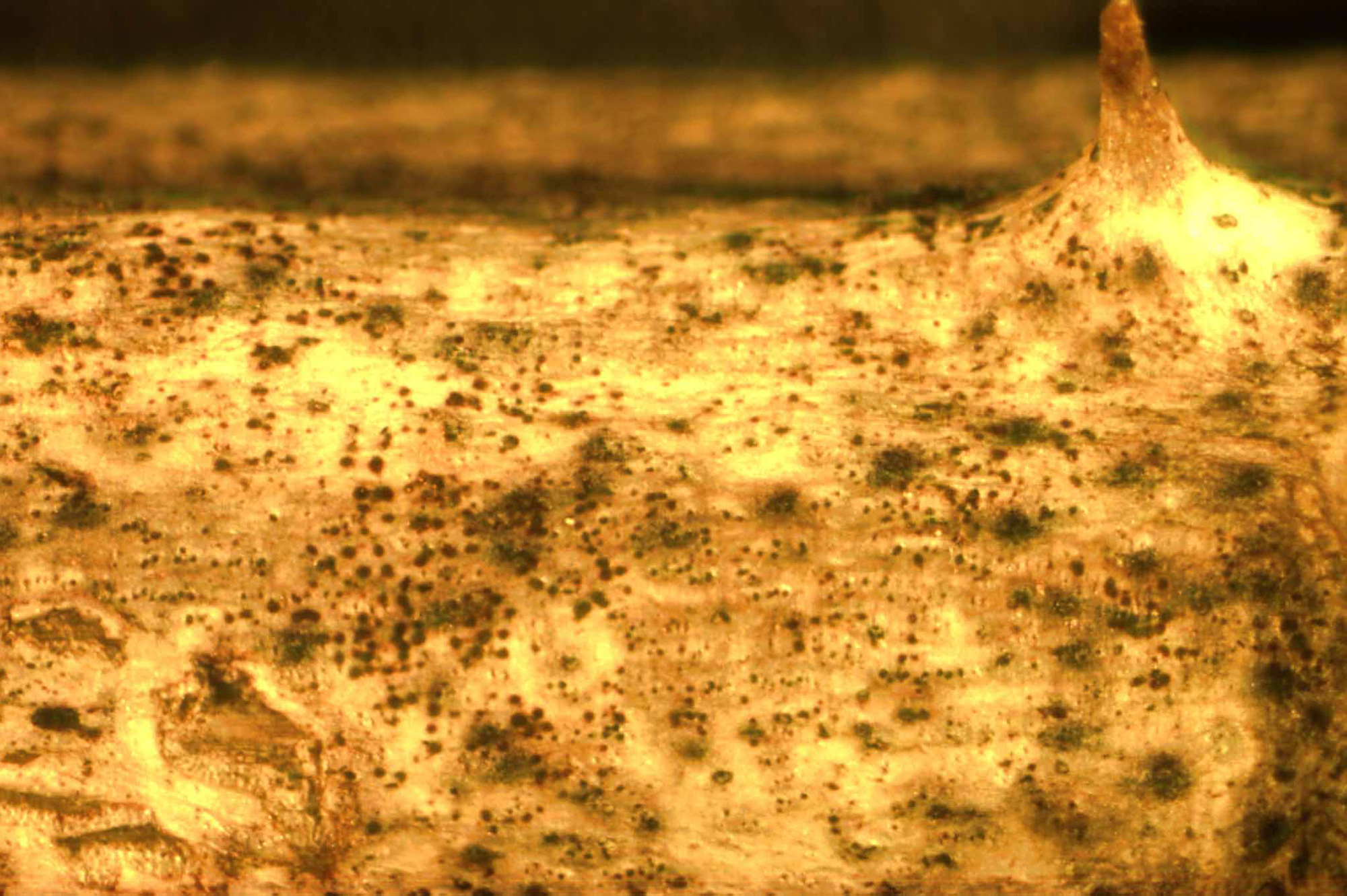
Cane blight can be a major disease of blackberry in the Southeast, resulting in severe losses. The wet, humid conditions observed in Georgia and other southeastern states allow for significant losses following pruning or other injuries to the primocane.
|
-

Turfgrass stands can be injured and damaged by living (biotic) and nonliving (abiotic) agents. Most nonliving diseases cause generalized symptoms such as wilting, yellowing, thinning, and the development of smaller-than-normal grass blades, limited root growth, or slow growth. You cannot always determine whether the condition is caused by a living or nonliving agent by observing the symptoms. In many cases, a proper diagnosis of abiotic diseases requires thorough examination of the site, knowledge of relevant past and present environmental conditions, in-depth knowledge of plant species biology, site management history, and an orderly series of tests to determine possible causes.
|
-
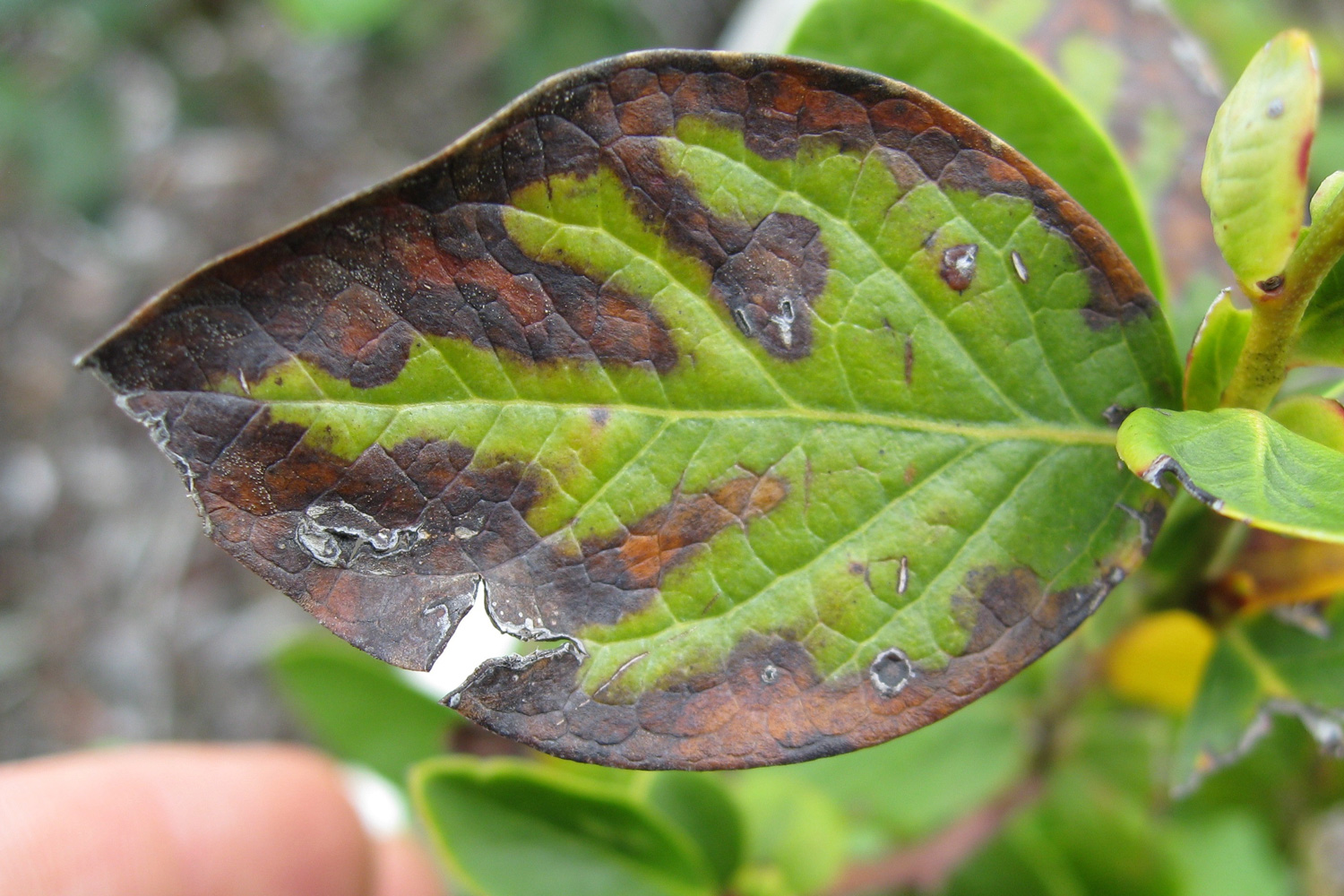
A new disease has been identified in the Georgia blueberry production region. This disease has been named “bacterial leaf scorch.” This resource covers identification and control methods.
|
-

The purpose of this guide is to help users identify insects, spiders and mites that are beneficial to the garden. Such beneficials help manage pests that can damage plants. Tips to conserve and protect beneficials are also included.
|