

Microplastics represent an emerging environmental issue stemming from the widespread use, disposal, and degradation of plastic materials. Found globally across oceans, freshwater systems, drinking water sources, and bottled beverages, these contaminants originate from both the breakdown of larger plastic items and the direct release of manufactured small particles.
While scientific evidence clearly demonstrates that humans are actively exposed to microplastics, the exact magnitude of the associated health risks remains uncertain. Current research has identified potential biological effects under specific experimental conditions; however, further studies are necessary to determine if these effects occur at the lower concentrations found in our daily environments. To date, scientific data do not support claims that the typical amounts (39,000 to 52,000 particles per year) of microplastics ingested through drinking water and food cause human disease.
Related Content
Addressing microplastics in drinking water requires a mix of technical filtration and proactive management. Modern municipal water treatment processes effectively remove a substantial proportion of microplastics; however, capturing nanoplastics and exceptionally small particles remains a challenge. At home, consumers can minimize their personal exposure by maintaining household filtration systems, reducing plastic waste, and supporting responsible alternatives. Ultimately, the most effective long-term strategy is preventing plastic pollution from entering the environment in the first place.
Key Takeaways
1. What are microplastics?
- Size: Microplastics are tiny plastic pieces measuring less than 5 mm in diameter.
- Origins: Microplastics originate from the breakdown of larger plastic waste (secondary) and the direct release of manufactured small particles (primary).
- Environment: These widespread microplastic contaminants travel through multiple environmental pathways into various water sources.
2. Public water systems vs. private wells
- Presence: Microplastics are found in both public water systems (PWS) and private wells, though concentrations vary widely.
- Public water treatment: Municipal water treatment plants remove most large microplastics, but filtration efficiency varies for the smallest particles.
- Private well monitoring: Private wells are not routinely tested or regulated for microplastics, making routine water testing and wellhead protection vital for owners.
3. Human health risks
- No proven disease link: Current evidence does not establish that microplastics in drinking water cause specific human diseases.
- Ongoing research: Scientists consider microplastics an emerging concern and continue to evaluate potential long-term exposure health risks.
4. Actions for Georgia residents
- Continue using tap water: Do not avoid safe tap water out of fear, whether its supplied by public water systems or properly managed, tested, and treated (as needed) private wells; focus instead on practical microplastics source protection.
- Home filtration: Installing household systems—especially reverse osmosis—can reduce microplastic particles by > 99%.
- Prevent pollution: Reduce personal plastic waste and practice safe water-quality management to protect local supplies.
Introduction
Plastic materials have become an essential part of modern life because they are lightweight, durable, inexpensive, and versatile. Plastics are widely used in food packaging, household products, medical equipment, construction materials, agricultural supplies, transportation, and water infrastructure. However, the same durability that makes plastics useful also allows them to persist in the environment for decades or even centuries after disposal.
Over time, larger plastic items break down into smaller fragments through solar radiation, weathering, physical abrasion, and biological processes. These small plastic particles, commonly called microplastics, have been detected in nearly every environmental zone—including Arctic snow, oceans, rivers, lakes, groundwater, soils, atmospheric dust, wastewater, drinking water, wildlife, and food products.
More recently, researchers have identified microplastics in human blood, lung tissue, placental tissue, breast milk, liver, kidneys, and arterial plaques. These findings confirm widespread human exposure and have intensified research into the potential health effects of microplastics.
Microplastics in Sources of Drinking Water
Microplastics have emerged as an environmental concern in drinking water derived from surface waters, groundwater, and bottled sources. In Georgia, drinking water comes primarily from two source types:
- Public water systems (PWS): Regulated city, county, or community water supplies governed by the U.S. Safe Drinking Water Act (SDWA).
- Private wells: Groundwater systems owned and maintained by individual homeowners, farms, businesses, or small communities.
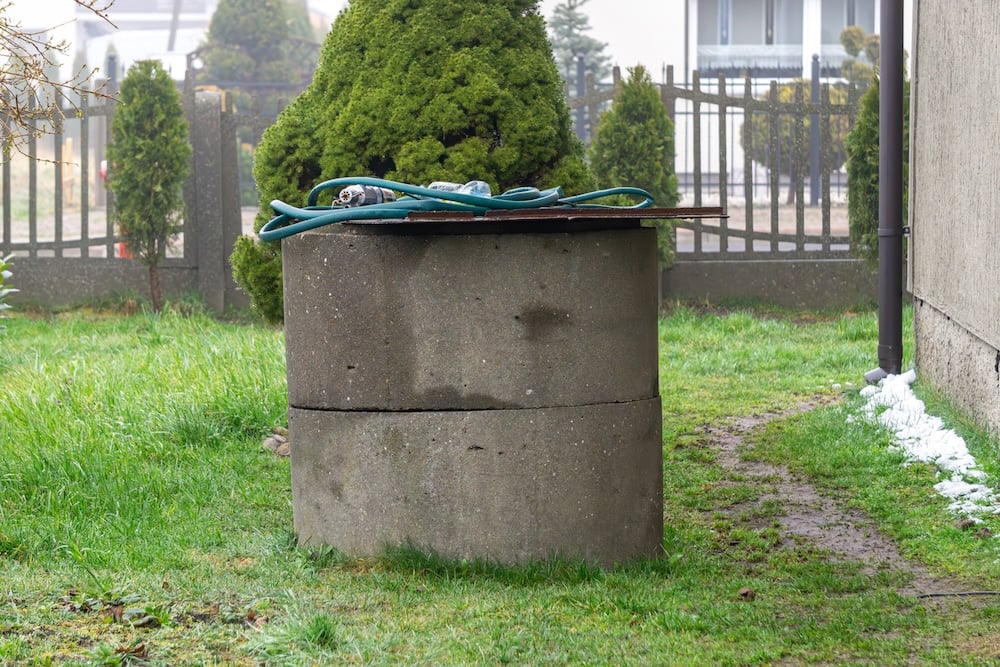
Georgia contains hundreds of thousands of private wells that provide drinking water, primarily to rural residents. Unlike public systems, private wells are not regulated under federal drinking-water standards, leaving owners responsible for testing, maintenance, and treatment decisions.
Because groundwater and surface water can receive plastic particles from numerous pathways, residents often ask questions such as:
- Are microplastics present in my drinking water?
- Are private wells more vulnerable than public water supplies?
- Should I be concerned about health risks?
- Can household filters remove microplastics?
- What actions can homeowners take to reduce exposure?
This resource provides science-based answers to these questions, summarizing current knowledge with an emphasis on Georgia’s water systems. Because microplastic research is evolving rapidly, recommendations may be updated with the advancement of testing methods, health risk evaluations, and removal technologies.
Global and U.S. Plastic Production and Waste
In 2025, global plastic production crossed 1.01 trillion pounds—a more than 230-fold increase from 4.4 billion pounds in 1950. U.S. plastic production in 2025 exceeded 136 billion pounds. The United States accounts for roughly 18% of global plastic demand, second only to China at approximately 20%.
Plastic pollution poses widespread environmental threats. Key statistics regarding plastic use and disposal include:
- Single-use bags: Americans use roughly 274 million plastic bags daily, totaling about 100 billion per year.
- Plastic bottles: Environmental data indicate that Americans discard approximately 2.5 million plastic bottles every hour.
- Per capita waste: Major studies estimate that the United States generates about 287 lb of plastic waste per person annually.
- Recycling rates: The U.S. plastic recycling rate has historically remained below 10%.
- Landfill volume: Up to 86% of U.S. plastic waste is landfilled, comprising roughly 18% of municipal solid waste by weight (second only to food waste at 24%).
- Global output: Globally, 1.43 billion plastic bags are used daily. An estimated 2,000 garbage trucks full of plastic waste enter aquatic ecosystems each day, contributing to 42–51 billion pounds of annual aquatic plastic contamination.
Persistence of Plastics
Plastics do not fully decompose into naturally occurring components; instead, solar radiation and mechanical stresses fragment them into progressively smaller particles. Table 1 outlines the estimated longevity of common plastic items in the environment.
| Plastic material | Approximate environmental longevity |
|---|---|
| Plastic bags | 20 years |
| Single-use coffee cups | 30 years |
| Plastic straws | 200 years |
| Six-pack plastic rings | 400 years |
| Plastic bottles | 450 years |
| Plastic cups | 450 years |
| Disposable diapers | 500 years |
| Coffee pods | 500 years |
| Plastic toothbrushes | 500 years |
| Low-density polyethylene (LDPE) | 500–1000 years |
| Polypropylene (PP) | 20–100+ years |
| Polyvinyl chloride (PVC) | Indefinite; never fully degrades organically (infrastructure service life exceeds 100 years) |
| High-density polyethylene (HDPE) | 50 to 1200+ years for thin bottles to thick industrial pipes |
| Adapted from “Plastic pollution,” by WWF-Australia, 2026 (https://wwf.org.au/get-involved/plastic-pollution), and “Degradation rates of plastics in the environment,” by A. Chamas, H. Moon, J. Zheng, Y. Qiu, T. Tabassum, J. H. Jang, M. Abu-Omar, S. L. Scott, and S. Suh, 2020, ACS Sustainable Chemistry & Engineering, 8(9), 3494–3511 (https://doi.org/10.1021/acssuschemeng.9b06635). | |
Categorizing Plastic Particles
Macroplastics, Microplastics, and Nanoplastics
According to the U.S. Environmental Protection Agency (EPA), plastic debris is categorized by particle size:
- macroplastics: plastic particles larger than 5 mm.
- microplastics: plastic particles ranging from 1 nanometer (nm) to 5 mm.
- nanoplastics: plastic particles smaller than 1 nm (although some researchers define the upper limit of nanoplastics as 100 nm or 1000 nm).
For scale, a human hair is approximately 80,000 to 100,000 nm wide, while a standard pencil eraser is roughly 5 mm across. Scientists are paying more attention to nanoplastics because their extremely small size allows them to pass through cellular barriers and interact differently with biological systems than larger plastic fragments.
Primary vs. Secondary Microplastics
Microplastics enter the environment through two distinct pathways:
Primary Microplastics
Intentionally manufactured small particles or directly released fragments. Examples include:
- industrial plastic pellets (nurdles) that are 2–5 mm and used as raw manufacturing materials
- microbeads historically used in cosmetics and personal care products
- synthetic polymer coatings on agricultural seeds
- abrasive blasting media used in industrial operations
Note: The U.S. Microbead-Free Waters Act of 2015 prohibited intentional microbeads in rinse-off cosmetics. However, non-bead synthetic polymers (e.g., polyethylene, polyamide, polystyrene) may still appear in product ingredient lists.
Secondary Microplastics
Particles formed when larger plastic items break down over time. Sources include:
- degraded bottles
- packaging
- plastic bags
- agricultural films
- fishing nets
- construction materials
- synthetic infrastructure pipes
Sources and Pathways in Drinking Water
Georgia’s public water systems rely on surface water (rivers, lakes, reservoirs) and groundwater aquifers, while private wells rely exclusively on groundwater. Major metropolitan areas like Atlanta depend heavily on surface water, whereas rural areas rely predominantly on groundwater.
| Source | Examples | Possible pathway |
|---|---|---|
| Plastic waste | Bottles, bags, packaging | Weathering, fragmentation, and surface runoff |
| Synthetic textiles | Polyester, nylon clothing fibers | Laundry effluent discharge |
| Tires | Road wear particles | Highway stormwater runoff |
| Agriculture | Plastic mulch, irrigation tubing | Soil degradation and agricultural runoff |
| Wastewater | Household and industrial graywater | Treatment plant effluent discharge into surface waters |
| Plumbing materials | PVC, PEX, storage tanks | Particle shedding and degradation |
Microplastics in Groundwater and Private Wells
Groundwater undergoes natural filtration as it moves through soil and sediment layers, which trap larger particles. However, microplastics smaller than 10 μm and nanoplastics can migrate through soil pores, bedrock fractures, or disturbed geology.
Factors Influencing Groundwater Vulnerability
- Soil texture and permeability: Sandy soils allow faster downward transport of particles than dense clays.
- Aquifer depth: Deeper aquifers generally receive greater natural filtration.
- Geology: Fractured bedrock systems (common in northern Georgia) allow rapid contaminant movement through connected channels.
- Well construction and maintenance: Properly sealed wellheads prevent direct surface water entry.
- Land use and proximity: Nearby agricultural fields, roads, septic systems, or industrial sites increase the risk of contamination.
Regional Differences in Georgia
- Coastal Plain region: Characterized by sandy soils and permeable aquifers that can facilitate downward movement of fine particles.
- Piedmont, Blue Ridge, and Appalachian regions: Dominated by fractured bedrock aquifers where particle transport depends on continuous fractures.
Comparing Private Wells and Public Water Systems
Private wells are not inherently more or less contaminated than public water supplies; exposure depends on local conditions.
Public Water Systems
PWS frequently draw from surface waters (lakes and rivers) that receive higher loads of urban runoff and plastic waste. However, centralized treatment facilities employ filtration, sedimentation, and coagulation processes that remove a significant portion of suspended solids and microplastics.
Private Wells
Private wells draw from groundwater, which benefits from natural soil filtration. However, wells lack municipal treatment barriers, leaving water quality dependent on proper wellhead construction, depth, geology, and individual maintenance.
| Feature | Private wells | Public water systems (PWS) |
|---|---|---|
| Ownership | Individual homeowner/property | Municipality, county, or utility |
| Water source | Groundwater | Surface water or groundwater |
| Regulation | Minimal federal oversight | Regulated under the Safe Drinking Water Act |
| Testing responsibility | Homeowner | Water utility provider |
| Treatment | Homeowner’s discretion | Centralized professional treatment |
| Microplastic monitoring | Not routinely performed | Not currently mandated |
| Activity | Recommended frequency |
|---|---|
| Bacterial testing | Annually |
| System inspection | Annually |
| Septic system maintenance | Inspection every 3–5 years |
| Wellhead protection | Continuous visual checks on well seal/cap, grouting conditions, and surface drainage management. Read Protecting Your Well and Wellhead (UGA Extension expert resource C 858-1). |
| Post-flood testing | Immediately following severe flooding events. Read Ensuring Safe Private Well Water for Household Use After a Flood (UGA Extension expert resource C 1124). |
Testing for Microplastics in Private Well Water
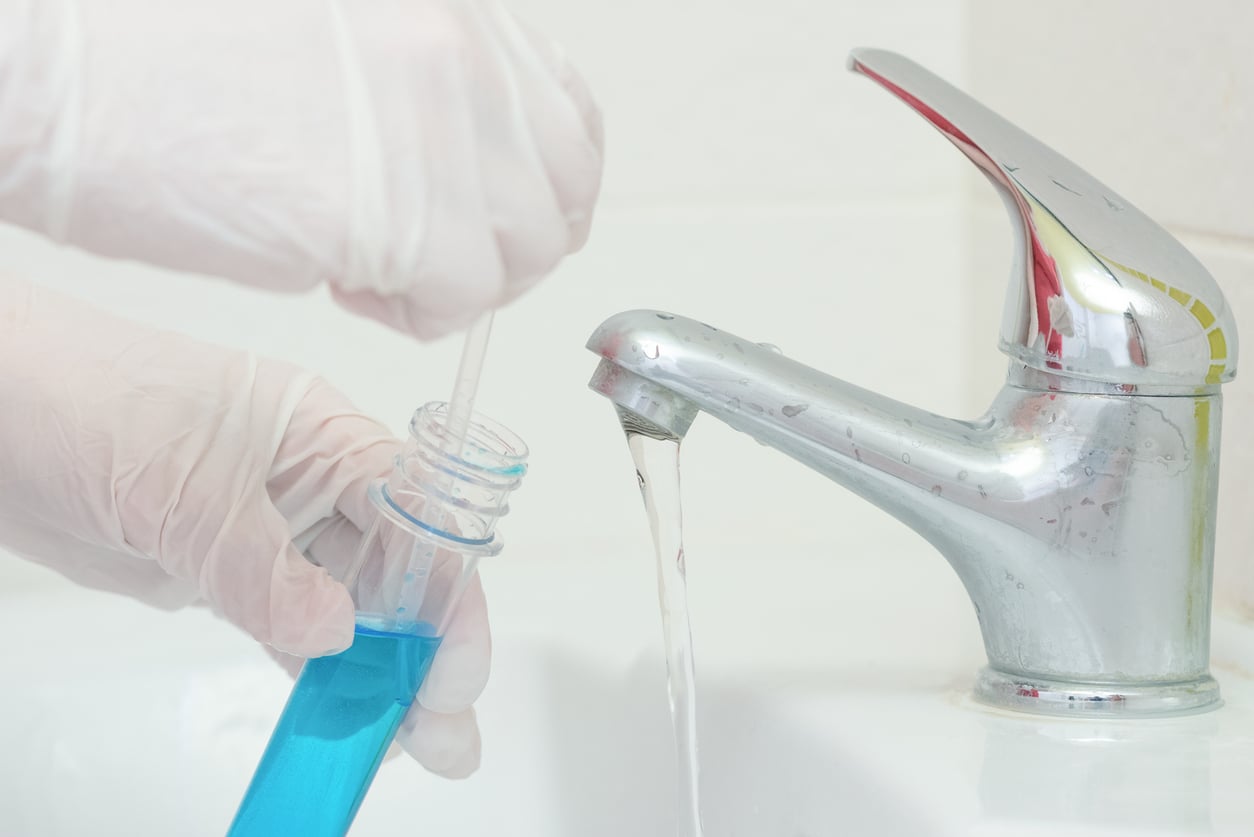
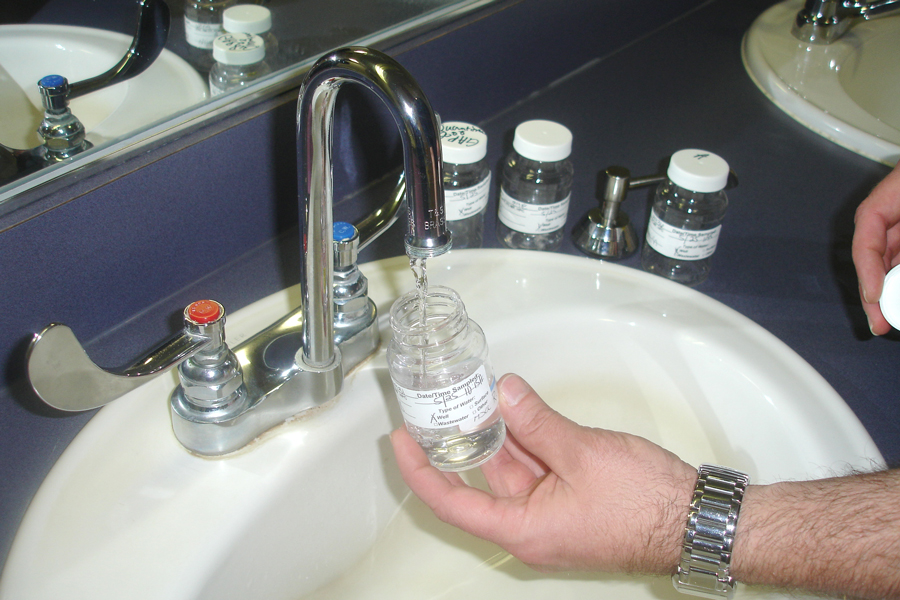
Microplastic testing in water presents challenges because particles vary greatly in size, different laboratories may use different methods, and extremely small particles are difficult to detect. While most routine drinking-water laboratories do not currently offer microplastic testing, some specialized laboratories can provide this service upon request. However, testing is not as simple or standardized as testing for common contaminants such as bacteria, nitrate, or lead.
Homeowners interested in testing should:
- use a qualified laboratory experienced in microplastic analysis,
- understand the testing method used,
- ask about detection limits, and
- have the results properly interpreted by the laboratory’s qualified drinking water specialist.
For Georgia homeowners with private wells, the more important steps remain regular testing for established drinking-water contaminants, proper well maintenance, and protection of the area surrounding the wellhead.
Removal Efficiency of Municipal Water Treatment
While drinking water plants are not specifically engineered for microplastics, standard multistage treatment processes remove a large percentage of particles.
- Coagulation and flocculation: Chemical coagulants cause small particles to clump together into larger pieces or flocs.
- Sedimentation: Heavy flocs settle out of the water column by gravity.
- Granular/membrane filtration: Sand, anthracite, or membrane filters trap remaining physical particles.
- Disinfection: Chlorination, ozone, or UV light inactivates pathogens but does not physically remove plastic particles.
Limitations of Municipal Water Treatment
Conventional treatment is less effective at capturing nanoplastics, low-density plastics, and thin synthetic fibers. Advanced membrane systems (e.g., ultrafiltration, reverse osmosis) offer higher capture rates but require significant capital and energy investments.
Household Water Filtration Options
Homeowners seeking to reduce microplastics in tap water supplied by PWS or private wells can install point-of-use or point-of-entry systems.
| Treatment method§ | Potential microplastic removal | Key considerations |
|---|---|---|
| Reverse osmosis (RO) (pore size: 0.0001 µm or 0.1 nm) | Very high (> 99%) | RO removes ultrafine particles, but has a higher cost, generates wastewater, and requires regular maintenance. |
| Ultrafiltration (UF) (pore size: 0.01 to 0.1 µm) | High (90% to 95%) | UF retains small particles via fine physical membranes without generating wastewater. |
| Fine sediment filters (pore size: 1 to 5 µm) | Moderate to high (50% to 90%) | These filters are effective for larger fragments, but efficiency depends on pore size rating (e.g., 1 µm). |
| Activated carbon filters | Variable | Carbon filters primarily target organic chemicals and taste/odor; their capture efficiency varies by pore design. |
| Pitcher filters | Variable | Pitcher filters are mainly designed to improve taste and odor and remove heavy metals; they have limited fine-particle capture. |
| Water softeners | None | Water softeners are designed for ion exchange (scale reduction) and are ineffective for microplastic removal. |
| §µm: micrometer or micron; nm: nanometer | ||
Current Understanding of Human Health Risks Posed by Microplastics
Scientists are evaluating microplastics for four main potential mechanisms of harm.
- Physical interaction: Particles accumulating in tissues or causing localized physical abrasion/irritation.
- Chemical additives: Leaching of plasticizers, flame retardants, or stabilizers added during manufacturing.
- Chemical/biological carriers: Microplastics adsorbing (taking up and holding) heavy metals, persistent organic pollutants, or harmful pathogens from the surrounding environment; these adsorbed contaminants might leak back into an animal or human body that ingests the contaminated microplastics.
- Inflammatory responses: High-concentration cellular exposure to microplastics that triggers localized inflammation in laboratory models.
Verdict: Health agencies note that while microplastics are detectable in biological tissue, current evidence does not prove that typical exposure levels from drinking water and food (39,000 to 52,000 particles per year) cause human disease.
Regulatory Actions Regarding Microplastics
- CCL 6 inclusion: The EPA placed microplastics on its Sixth Contaminant Candidate List (CCL 6) in April 2026, prioritizing them for ongoing research and potential future regulation under the Safe Drinking Water Act.
- UCMR 6 status: The EPA declined to include mandatory microplastic testing in the proposed Sixth Unregulated Contaminant Monitoring Rule (UCMR 6) because of the current lack of standardized, validated analytical testing methods across commercial laboratories.
- Federal research: Initiatives such as the Department of Health and Human Services’ STOMP (Systematic Targeting Of MicroPlastics) program are funding advanced studies to track particle movement and cellular impacts in the human body.
Microplastics in Bottled Water/Beverages and Plastic Plumbing
Bottled Water
Studies have identified microplastics and nanoplastics in bottled water and beverage products. Particles often originate from the bottle material, cap threading, or bottling machinery rather than the raw source water. Relying exclusively on bottled water can add an estimated 90,000 additional particles ingested per year, compared to about 4,000 particles for tap water users.
Plastic Plumbing (PVC, PEX, CPVC)
Plastic piping can shed minor particle amounts because of friction, water chemistry, or aging. However, plumbing materials certified for potable water meet safety standards, and health agencies do not recommend replacing functional plastic pipes solely because of microplastic concerns.
Practical Action Steps for Residents
- Maintain safe tap water consumption: Continue using public tap water or properly tested and treated (as needed) well water, rather than unnecessarily switching to bottled water.
- Utilize point-of-use filtration: Install reverse osmosis or fine-membrane filtration at primary drinking faucets if additional particle reduction is desired.
- Practice wellhead protection: Keep potential sources of pollution (trash, vehicles, agricultural chemicals) away from wellheads and inspect well caps regularly.
- Reduce household plastic footprint:
- Use reusable glass or stainless-steel containers for hot foods and drinks.
- Avoid microwaving food in single-use plastic containers.
- Install synthetic-fiber catchers or filters on washing machine discharge lines.
- Support community recycling and roadside cleanup programs to prevent macroplastic degradation in local watersheds.
Common Myths vs. Facts
Myth: Microplastics are only present in ocean waters.
Fact: Microplastics are detected in oceans, lakes, rivers, atmospheric deposition, groundwater, tap water, and bottled beverages worldwide.
Myth: Microplastics mainly come from single-use plastics, like bottles, straws, and shopping bags.
Fact: Microplastics come from many sources beyond single-use items, including car tire dust, clothing fibers, and road runoff, but cutting down on litter and single-use plastic still protects nature.
Myth: The problems with microplastics and plastics in general are the same.
Fact: While all plastics harm the environment, microscopic fragments present unique ecological threats. These minute particles can adsorb chemical compounds and microorganisms. Being readily ingested by wildlife, they could potentially introduce the adsorbed hazardous chemicals and pathogens directly into global food webs.
Myth: Bottled waters and beverages are completely free of plastic particles.
Fact: Bottled drinks contain many tiny plastic bits and nano pieces. These small fragments often come off the bottle or the cap itself.
Myth: All microplastics in drinking water are dangerous.
Fact: Finding microplastics in drinking water does not mean it will make you sick. Experts are still studying the potential health effects of these tiny particles, but they have yet to reach any valid conclusion that they cause health problems.
Myth: Boiling drinking water removes microplastics.
Fact: Boiling kills biological pathogens but does not destroy synthetic plastic particles. Steam loss during boiling can slightly concentrate nonvolatile contaminants.
Myth: Standard home filters remove 100% of microplastics.
Fact: While quality fine-pore filters remove larger particles, nanoplastics and fine fibers below 1 micron can pass through basic home filters.
Myth: Public water systems completely eliminate microplastics.
Fact: Treatment plants can remove many particles, but complete removal is not guaranteed. Removal depends on:
- particle size
- treatment technology
- operating conditions
Myth: Private wells are automatically unsafe because they may contain microplastics.
Fact: A properly constructed and maintained private well can provide high-quality drinking water. Private well owners should focus on:
- routine testing once a year for coliform bacteria, pH, nitrate, common minerals, etc.
- wellhead protection
- maintenance
- proper treatment when needed
Myth: Microplastics pass straight through the human body without leaving a trace.
Fact: Scientists have found tiny plastic particles building up in human blood, tissues, and organs, but they are still researching the long-term health effects.
Myth: Finding microplastics in tap water indicates immediate toxic poisoning.
Fact: Microplastics do not cause acute poisoning. Public health agencies confirm that normal water consumption remains safe while long-term biological effects continue to be evaluated.
Conclusions
Microplastics have become a widespread environmental contaminant found in surface water, groundwater, drinking water, food, and human tissues, making them a critical area of ongoing scientific investigation. Although current research confirms widespread human exposure, available evidence does not show that the levels of microplastics typically encountered through drinking water and food cause human disease. Both public water systems and private wells may contain microplastics, but microplastics exposure can be reduced with proper system filtration technologies and maintenance.
For Georgia residents, the most practical approach is to continue using safe, responsibly managed drinking water supplies while focusing on source-water protection, responsible plastic use, and pollution prevention. As research advances and analytical methods improve, a clearer understanding of potential health implications will emerge; however, reducing plastic contamination at its source remains the most effective long-term strategy for protecting water resources and public health.
For help with drinking water quality, additional information about microplastics, and water testing services, contact your local county Extension office.
References
Allen, S., Allen, D., Phoenix, V. R., Le Roux, G., Jiménez, P. D., Simonneau, A., Binet, S., & Galop, D. (2019). Atmospheric transport and deposition of microplastics in a remote mountain catchment. Nature Geoscience, 12, 339–344. https://doi.org/10.1038/s41561-019-0335-5
Andrady, A. L. (2011). Microplastics in the marine environment. Marine Pollution Bulletin, 62(8), 1596–1605. https://doi.org/10.1016/j.marpolbul.2011.05.030
Bai, C. L., Liu, L. Y., Hu, Y. B., Zeng, E. Y., & Guo, Y. (2022, February 1). Microplastics: A review of analytical methods, occurrence and characteristics in food, and potential toxicities to biota. Science of the Total Environment, 806(Pt 1), 150263. https://doi.org/10.1016/j.scitotenv.2021.150263
Bayo, J., Olmos, S., & López-Castellanos, J. (2020). Microplastics in an urban wastewater treatment plant: The influence of physicochemical parameters and environmental factors. Chemosphere, 238, 124593. https://doi.org/10.1016/j.chemosphere.2019.124593
Campanale, C., Massarelli, C., Savino, I., Locaputo, V., & Uricchio, V. F. (2020). A detailed review study on potential effects of microplastics and additives of concern on human health. International Journal of Environmental Research and Public Health, 17(4), 1212. https://doi.org/10.3390/ijerph17041212
Chamas, A., Moon, H., Zheng, J., Qiu, Y., Tabassum, T., Jang, J. H., Abu-Omar, M., Scott, S. L. & Suh, S. (2020). Degradation rates of plastics in the environment. ACS Sustainable Chemistry & Engineering, 8(9), 3494–3511. https://doi.org/10.1021/acssuschemeng.9b06635
Cox, K. D., Covernton, G. A., Davies, H. L., Dower, J. F., Juanes, F., & Dudas, S. E. (2019). Human consumption of microplastics. Environ. Sci. Technol., 53(12), 7068–7074. https://doi.org/10.1021/acs.est.9b01517
Geyer, R., Jambeck, J. R., & Law, K. L. (2017). Production, use, and fate of all plastics ever made. Science Advances, 3(7), e1700782. https://doi.org/10.1126/sciadv.1700782
Koelmans, A. A., Mohamed Nor, N. H., Hermsen, E., Kooi, M., Mintenig, S. M., & De France, J. (2019). Microplastics in freshwaters and drinking water: Critical review and assessment of data quality. Water Research, 155, 410–422. https://doi.org/10.1016/j.watres.2019.02.054
Lauer, N., Vegh, T., Nowlin, M., Virdin, J., & Somarelli, J. (2025, November). The social cost of plastic to the United States (Report No. NI R 25-09). Nicholas Institute for Energy, Environment & Sustainability, Duke University. https://hdl.handle.net/10161/33529
Leslie, H. A., van Velzen, M. J. M., Brandsma, S. H., Vethaak, A. D., Garcia-Vallejo, J. J., & Lamoree, M. H. (2022). Discovery and quantification of plastic particle pollution in human blood. Environment International, 163, 107199. https://doi.org/10.1016/j.envint.2022.107199
Li, J., Liu, H., & Chen, J. P. (2018). Microplastics in freshwater systems: A review on occurrence, environmental effects, and methods for microplastics detection. Water Research, 137, 362–374. https://doi.org/10.1016/j.watres.2017.12.056
Li, Y., Tao, L., Wang, Q., Wang, F., Li, G., & Song, M. (2023, August 10). Potential health impact of microplastics: A review of environmental distribution, human exposure, and toxic effects. Environment & Health, 1(4): 249–257. https://doi.org/10.1021/envhealth.3c00052
Napper, I. E., & Thompson, R. C. (2016). Release of synthetic microplastic plastic fibres from domestic washing machines: Effects of fabric type and washing conditions. Marine Pollution Bulletin, 112(1–2), 39–45. https://doi.org/10.1016/j.marpolbul.2016.09.025
Pivokonsky, M., Cermakova, L., Novotna, K., Peer, P., Cajthaml, T., & Janda, V. (2018). Occurrence of microplastics in raw and treated drinking water. Science of the Total Environment, 643, 1644–1651. https://doi.org/10.1016/j.scitotenv.2018.08.102
Prata, J. C., da Costa, J. P., Lopes, I., Duarte, A. C., & Rocha-Santos, T. (2020). Environmental exposure to microplastics: An overview on possible human health effects. Science of the Total Environment, 702, 134455. https://doi.org/10.1016/j.scitotenv.2019.134455
Ragusa, A., Svelato, A., Santacroce, C., Catalano, P., Notarstefano, V., Carnevali, O., Papa, F., Rongioletti, M. C. A., Baiocco, F., Draghi, S., D’Amore, E., Rinaldo, D., Matta, M., & Giorgini, E. (2021). Plasticenta: First evidence of microplastics in human placenta. Environment International, 146, 106274. https://doi.org/10.1016/j.envint.2020.106274
Rist, S., Almroth, B. C., Hartmann, N. B., & Karlsson, T. M. (2018). A critical perspective on early communications concerning human health aspects of microplastics. Science of the Total Environment, 626, 720–726. https://doi.org/10.1016/j.scitotenv.2018.01.092
Rochman, C. M. (2018). Microplastics research—from sink to source. Science, 360(6384), 28–29. https://doi.org/10.1126/science.aar7734
Sarker, H., Monabbi, U. H., Saha, G., Bhowmik, A., & Hossain, B. M. R. (2026). Microplastics across the human body: Occurrence, detection methodologies, and distribution in human tissues, organs, and biological fluids. Microplastics, 5(3), 157. https://doi.org/10.3390/microplastics5030157
U.S. Environmental Protection Agency. (2026a, March 19). Microplastics research. https://www.epa.gov/water-research/microplastics-research
U.S. Environmental Protection Agency. (2026b, September 9). Drinking water contaminant candidate list (CCL) and regulatory determination. https://www.epa.gov/ccl
Vethaak, A. D., & Legler, J. (2021). Microplastics and human health. Science, 371(6530), 672–674. https://doi.org/10.1126/science.abe5041
Wang, C., Zhao, J., Xing, B. (2021). Environmental source, fate, and toxicity of microplastics. Journal of Hazardous Materials, 407, 124357. https://doi.org/10.1016/j.jhazmat.2020.124357
World Health Organization. (2019, August 28). Microplastics in drinking-water (Technical document). https://www.who.int/publications/i/item/9789241516198
World Health Organization. (2022, August 30). Dietary and inhalation exposure to nano- and microplastic particles and potential implications for human health. https://www.who.int/publications/i/item/9789240054608
WWF-Australia. (2026). Plastic pollution. https://wwf.org.au/get-involved/plastic-pollution
Wright, S. L., & Kelly, F. J. (2017, May 22). Plastic and human health: A micro issue? Environmental Science & Technology, 51(12), 6634–6647. https://doi.org/10.1021/acs.est.7b00423
Yu, Y., & Flury, M. (2021). Current understanding of subsurface transport of micro- and nanoplastics in soil. Vadose Zone Journal, 20(2), e20108. https://doi.org/10.1002/vzj2.20108