Departments and Units Resources
-
C 1268
Pruning Muscadine Grapes
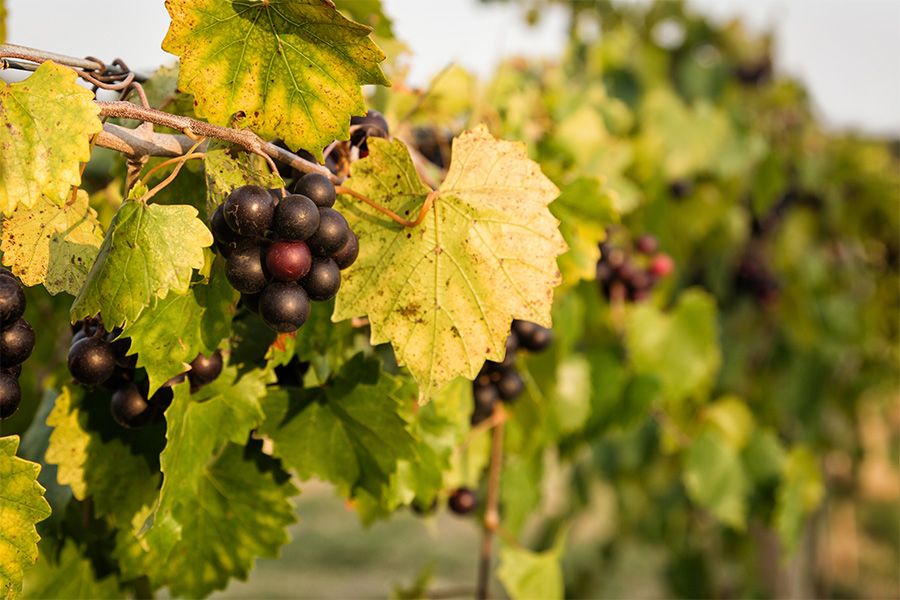
Many gardeners don’t realize how vigorously muscadines and grapes must be pruned each season in order to ensure good production. Quality equipment and care also is essential to maintain healthy plants. This video covers the basics of how to properly prune muscadines and bunch grapes. Correct pruning methods are essential for strong fruit production and must be performed annually at the proper time. This video covers timing, tools, and techniques.
|
-

Well-groomed landscapes are often a result of considerable effort by landscape companies. Employees make them happen with routine care and, above all, attention to detail. A quality landscape and the image employees present on the job speak highly of the professionalism of the firm. Quality control (QC) is everyone’s responsibility and an essential part of a landscaper’s job. This publication describes the basics of creating and implementing a successful quality control program for your landscaping company.
|
-

When it comes to managing a dairy herd, infections and inflammation of the cow’s uterus can have negative implications for animal welfare, milk production, and rebreeding capacity. Maintaining uterine health is essential for proper ovarian function and the creation of a uterine environment that is favorable for successful pregnancy. Although all production species can suffer from disruptions to uterine health after parturition, the prevalence of endometritis is notably greater in dairy breeds when compared to other breeds of cattle. Producers should be willing and able to assess uterine health through reproductive records and visual observations (with or without additional tools), and work with their veterinarian for identification and treatment of subclinical cases of endometritis if an issue is apparent. This bulletin provides information on how to minimize the risk of endometritis.
|
-

Landscape professionals must consider many factors when choosing the right flowering annuals to plant for a particular location. Primary considerations include high visual impact, consistent bloom for color, foliage for texture and color, sun exposure, growth habit and low-water tolerance. Cost plays an important role as well. Many landscapers typically choose common annual ornamentals and tropical perennials marketed as annuals. Particular species and cultivars tend to be favored over others for a variety of reasons; these are the bread-and-butter plants, such as cool-season pansies and warm-season petunias. Because of this, staple plants tend to be planted year after year, often in the same bed – a recipe for disease build-up, pesticide applications, loss of plants, plant replacement, dissatisfied customers, and ultimately, lower profit margins. This publication explains how to effectively use crop rotation and cultural practices to reduce disease incidence in seasonal color beds.
|
-

This new regional integrated pest management guide provides recommendations for muscadine grape production in the Southeastern U.S. Recommendations are based on information from the manufacturer’s label and performance data from research and Extension field tests. This publication is intended for use only as a guide. Specific rates and application methods are on the pesticide label, and these are subject to change at any time.
|
-

Cotton byproducts offer a variety of feed ingredients that can lower the cost of beef cattle production. Cottonseed meal and whole cottonseed can be used in rations for any class of cattle. Gin trash and cottonseed hulls are low-energy feedstuffs that are used as a roughage source in high energy diets or as a partial energy replacement in mature cow diets. Cotton stalk residue can maintain a dry pregnant cow and will provide enough grazing for approximately 1 month if left standing or for three weeks if mowed prior to grazing. A reduction in fertility should not be a concern when recommended feeding rates are followed.
|
-

Temperatures affects plant growth and distribution. This publication explains how low temperatures (chilling and freezing) affect plant growth in production greenhouses, nurseries, and landscapes. These three environments have different causes and effects, each requiring unique responses to avoid injury. This publication outlines different techniques that can be used to avoid cold injury to plants.
|
-

Shoot thinning is the first seasonal canopy management practice in wine grape vineyards, but shoot thinning is not implemented in muscadine vineyards. Failure to shoot thin results in a highly congested canopy characterized by reduced air flow, high humidity, and extended damp periods. Muscadines can generally tolerate such conditions without adverse effects. Wine grapes grown in crowded fruit zones, however, will experience excessive disease incidence and severity—especially in the humid Southeastern U.S. Shoot thinning is therefore a necessary canopy management practice in wine grape vineyards in Georgia and other Southeastern states.
|
-

Sod webworms are a serious pest of turfgrass in Georgia. There is limited information available to the green industry and the public about the general biology, ecology, and management of this pest. This publication includes photos of sod webworms, their life cycle, and management options so that landscape industry professionals and homeowners can learn about the pest sufficiently to manage it.
|