Departments and Units Resources
-

The state of Georgia ranked ninth out of all states in 2013 for green industry (not including sod production, as this was not included in the analysis) economic contributions (including multiplier effects) to employment (64,066 jobs) and GDP ($3.79 billion) and tenth in total industry output ($6.72 billion). The largest individual sector in regard to output and employment both directly and indirectly was landscape services, representing nearly 57% of industry employment and 39% of economic output. The Georgia green industry represented 0.83% of Georgia gross domestic product (GDP), higher than that of the U.S. green industry as a whole at 0.72% U.S. GDP.
|
-

Clean water for cattle is important for animal health and production and water delivery systems require routine maintenance and monitoring.
|
-

The environmental horticulture industry, unlike many industries, is intricately connected to the national, regional, and local economy as plant and turfgrass sales ebb and flow with economic conditions. This publication updates readers on the national, regional, and local economic factors that have affected the environmental horticulture industry. Since the recession and drought of the mid-2000s, we find that the environmental horticulture industry has suffered economically and has yet to recover to pre-recession levels.
|
-

C 1151
Viticulture Management
This phenology-based viticulture management poster provides a reference for sound viticultural, disease, and insect management practices in a digestible format. Viticultural practices optimize vineyard health, profitability, and sustainability and improve crop quantity and quality. Like pest management, viticultural practices should be implemented in a timely fashion throughout the growing season to maximize practice efficiency and benefit gain. Disease control in grapes is critical, as grapes are susceptible to a wide range of pathogens. Implementing timely and adequate cultural practices will greatly help to suppress diseases.
|
-
C 1151-SP
Manejo del Viñedo
Este póster del manejo del viñedo está basado en la fenología de la planta y proporciona una referencia para las buenas prácticas de manejo de las enfermedades y los insectos de la vid en un formato atractivo y digerible. Las prácticas vitícolas optimizan la salud, la rentabilidad y la sostenibilidad de los viñedos al mismo tiempo que mejoran la cantidad y calidad del cultivo. Al igual que el manejo de plagas, las prácticas vitivinícolas deben implementarse de manera oportuna a lo largo de la temporada de crecimiento de la planta para maximizar la eficiencia de la práctica y la ganancia de beneficios.
|
-

Autumn and winter are busy seasons for beef cattle producers, and many times grazing and cattle management are not as tightly regulated as in other times of the year. Many Southeastern cattle operations include pastureland that encompasses or borders oak timbers; most North American oak trees are considered toxic. Therefore, when cattle venture into timber land in search of grazing, there is an increased chance that acorns will be consumed and toxicosis may occur. The purpose of this bulletin is to educate producers on the symptoms and prevention of acorn toxicosis in beef cattle.
|
-
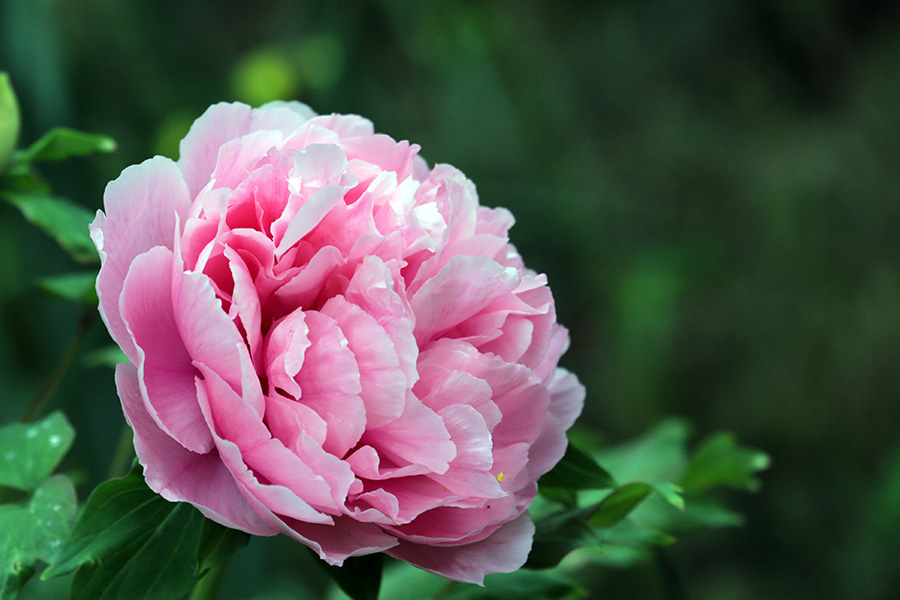
This resource helps landscaping professionals understand the basics of perennial plant biology, ideas on design and installation, and information on cultivation and maintenance of perennial beds. Whether in a commercial installation or residential garden, perennial plants can be successfully used to offer more landscaping choices, distinguish your firm from the competition and create a niche for your landscape business. Perennial plants are complex, and it is best to contract or hire a professional landscape architect for the design phase and train knowledgeable staff in proper maintenance later on. It should also serve as a quick guide for the most common and recommended perennials for Georgia. Common-sense tips from a professional landscaper’s perspective are also included.
|
-

This publication explores color relationships in the landscape, ways of seeing plants in terms of color, and various ways to use color successfully in plant selection and landscape design and composition.
|
-

El moho crece a partir de las esporas, que se encuentran naturalmente en el aire y no se pueden ver a simple vista. Las esporas de moho actúan como semillas, haciendo que el moho crezca si las condiciones son adecuadas. El moho suele ser fácil de detectar. Aunque es posible utilizar pruebas para determinar la presencia de moho, por lo general no es necesario o recomendado hacerlo, usted puede detectar el moho rápidamente usando su vista y olfato.
Tenga en cuenta que las primeras señales de moho pueden ser el desarrollo de síntomas similares a los de una alergia. Si detecta un exceso de humedad o un olor a humedad, pero no ve moho, asegúrese de revisar detrás de los gabinetes y el papel tapiz, y debajo de las alfombras. Estos son escondites comunes para el moho. Realice una inspección completa de su hogar utilizando la Lista de Verificación de Humedad y Moho de UGA.
La clave para controlar el moho es eliminar la fuente del problema de la humedad.
(Translation provided by Ines Beltran)
|