Departments and Units Resources
-

This bulletin is intended to provide to provide both veteran and new growers an overview of commercially popular pruning strategies and a greater depth of understanding of the theory behind pruning method practice. Dormant pruning is an important vineyard management decision as it sets the crop level and canopy density before green tissues are present. Growers must take several considerations into account when choosing a pruning method, including vineyard design, cultivar, and labor force throughout the year. Some growers may choose to adopt several different pruning strategies to successfully manage their vineyard. Regardless of the pruning method, it is important to develop a plan that includes scheduling when and how each vineyard block will be pruned throughout the dormant season. Effective dormant pruning sets the stage for successful vineyard management throughout the forthcoming growing season.
|
-

This brief video shows examples of damage on vegetables caused by diamondback moths and pepper weevils. It discusses some of the challenges associated with the control of these pests in Georgia.
|
-

Whiteflies are a concern for Georgia’s vegetable industry, both as a direct pest and a vector for viruses. This brief video discusses at risk crops, shows plant damage, and describes what conditions increase the likelihood of whitefly damage.
|
-

Georgia pecan orchards are often found growing adjacent to fields of annual row crops, timber, and pastures. As a result, the tree canopies of these orchards are susceptible to injury from herbicide drift from the adjacent operations when herbicide applications are made under conditions unsuitable for spraying. Drift may also occur when cotton fields are sprayed with chemical defoliants in the fall. Pecan tree roots often extend into an adjacent row crop fields and can compete with the row crop for available soil, water, and nutrients. Under such conditions, trees may also absorb residual herbicides from the soil in these fields.
|
-

This bulletin contains guidelines to determine irrigation scheduling for vegetable production in Georgia. Irrigation scheduling varies with water management and growers may require different technologies to properly manage water application. This information is supplied to help irrigation managers schedule and operate irrigation systems to optimal capacity, applying water precisely to the crop for maximum effectiveness and high efficiency.
|
-

Properly maintaining, calibrating, and adjusting a seed drill before planting is an important part of ensuring the successful establishment of forage or cover crops. Seed may be placed at a depth that is too deep or too shallow if the equipment is not properly prepared and set. Too much or too little seed may be planted if the equipment is not properly calibrated. These planting mistakes may result in a poor stand, greater weed competition, lower yields, and/or reductions in forage quality. Conversely, planting more seed than required can unnecessarily increase establishment costs and can sometimes result in reduced yields. After investing in the seed and committing the time to plant a field, taking a few extra steps to ensure that investment bears fruit is well worth maintaining, calibrating, and adjusting the drill.
|
-
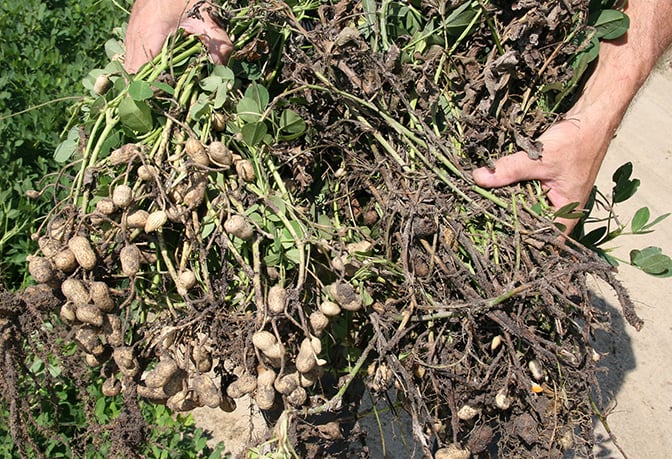
The peanut production guide includes varieties, agronomic practices, pest management, irrigation management, equipment maintenance, maturity, and harvest practices.
|
-

AP 124-1
2021 Georgia Cotton Production Guide
The 2021 cotton production guide provides an in-depth look at cotton production in Georgia and the southeastern United States. Issues discussed include economic outlook, fertility, weed management, insect management, disease and nematode management, irrigation decisions, precision ag technology, and general agronomics of the cotton crop (varieties, PGR applications, defoliation, etc.).
|
-
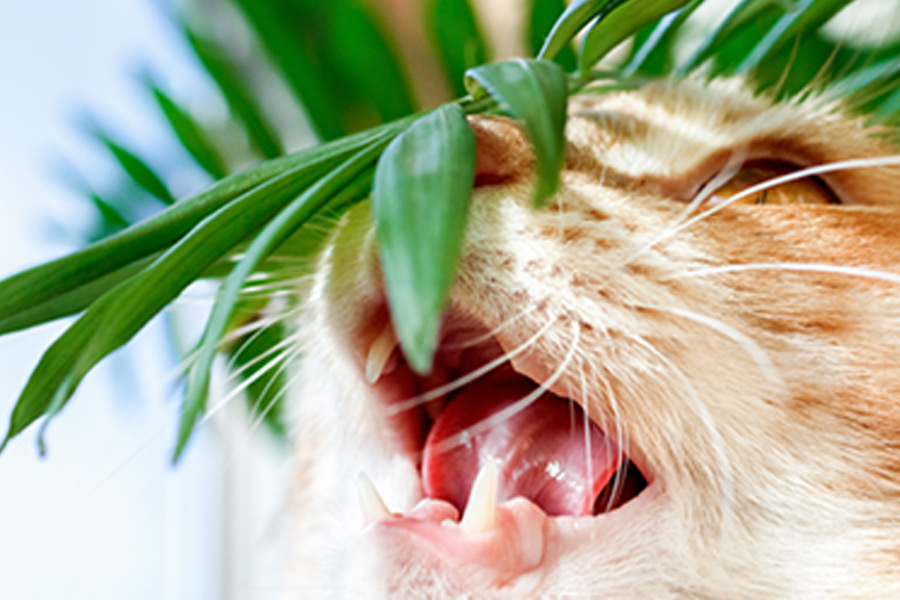
House and garden plants may be toxic to cats and dogs. This visual guide will help pet owners learn which plants are safe, as even common plants can be deadly.
|