UGA College of Agricultural & Environmental Sciences Field Report
  • Stories
    Almanac

    Science in service of humanity and the environment

    Read our annual magazine here

    READ


    Dive into engaging stories that showcase our statewide, national and global impact.

    Check out our written stories here

    LOOK


    Browse curated photo galleries capturing the people, places and programs that bring CAES to life.

    Check out our photo galleries here

    WATCH


    Experience our stories through videos that highlight our people, projects and passions in action.

    Check out our video library here

    LISTEN


    Tune in to “Cultivating Curiosity,” our podcast featuring in-depth conversations with CAES experts.

    Check out our podcast here
  • Expert Resources

    Expert Resources


    Gardening
    Invasive species
    Food and food safety
    Ants, termites and other pests
    Pollinators
    Livestock
    Emergency preparedness
    Home safety and maintenance
    Health, family and finances
    Nutrition
    Water quality
    Lawn maintenance and landscaping
    Turfgrass
    View all topics

    What is an Expert Resource?


    We publish unbiased, research-backed expert advice to empower Georgians with practical, trustworthy information they can trust.

    These resources are written and reviewed by experts in the UGA College of Agricultural and Environmental Sciences and the UGA College of Family and Consumer Sciences.

    Learn how we produce science you can trust
  • Events
  • Contact
  • Read
  • Look
  • Watch
  • Listen
Subscribe
  • LinkedIn
  • Facebook
  • Instagram
  • Stories
    Almanac

    Science in service of humanity and the environment

    Read our annual magazine here

    READ


    Dive into engaging stories that showcase our statewide, national and global impact.

    Check out our written stories here

    LOOK


    Browse curated photo galleries capturing the people, places and programs that bring CAES to life.

    Check out our photo galleries here

    WATCH


    Experience our stories through videos that highlight our people, projects and passions in action.

    Check out our video library here

    LISTEN


    Tune in to “Cultivating Curiosity,” our podcast featuring in-depth conversations with CAES experts.

    Check out our podcast here
  • Expert Resources

    Expert Resources


    Gardening
    Invasive species
    Food and food safety
    Ants, termites and other pests
    Pollinators
    Livestock
    Emergency preparedness
    Home safety and maintenance
    Health, family and finances
    Nutrition
    Water quality
    Lawn maintenance and landscaping
    Turfgrass
    View all topics

    What is an Expert Resource?


    We publish unbiased, research-backed expert advice to empower Georgians with practical, trustworthy information they can trust.

    These resources are written and reviewed by experts in the UGA College of Agricultural and Environmental Sciences and the UGA College of Family and Consumer Sciences.

    Learn how we produce science you can trust
  • Events
  • Contact
  • Read
  • Look
  • Watch
  • Listen
Subscribe
  • LinkedIn
  • Facebook
  • Instagram
Subscribe
  • LinkedIn
  • Facebook
  • Instagram
  1. Home
  2. Expert Resources
  3. Topics
  4. Departments and Units

Departments and Units Resources

Use the Advanced Search
  • C 974

    Growing Southern Magnolia

    Southern magnolia is an aristocratic tree. It grows well throughout Georgia, is widely adaptable to a variety of soils and has few pest problems. With glossy evergreen foliage and large white fragrant blossoms, it truly is one of the most handsome and durable native trees for our Southern landscapes.

    Sheri Dorn

    |

    Jan. 5, 2026
  • Environmental Enhancement with Ornamental Plants: Butterfly Gardening

    C 975

    Environmental Enhancement with Ornamental Plants: Butterfly Gardening

    Butterfly populations can be greatly enhanced by devoting a portion of the landscape to butterfly habitat. In addition to their natural beauty, butterflies serve as valuable plant pollinators.

    Bob Westerfield and Melvin P. Garber

    |

    Jan. 5, 2026
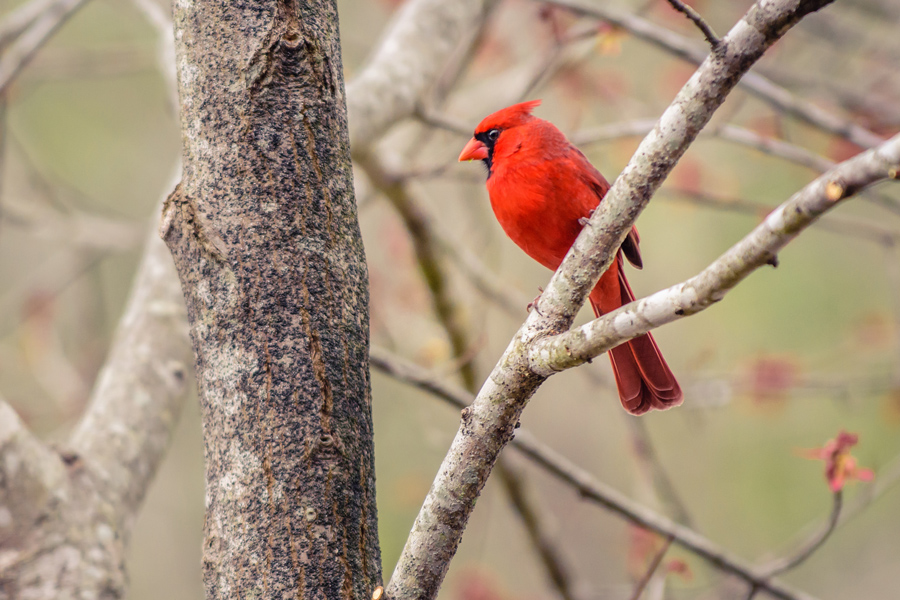
  • C 976

    Attracting Birds to Your Backyard

    To attract and maintain a bird population, a habitat should provide (1) food, (2) shelter/nesting areas and (3) water. This publication describes several ways to attract birds to your backyard.

    Bob Westerfield and Melvin P. Garber

    |

    Jan. 5, 2026
  • Feeding Sprouted Wheat to Cattle

    C 979

    Feeding Sprouted Wheat to Cattle

    Sprouted grains are usually considered unsuitable for milling or distilling; however, they can serve as an excellent source of nutrients for cattle.
    Wheat, which is commonly used for human consumption, is usually priced higher than other feedstuffs and is typically not utilized for livestock consumption. Sprouted wheat, however, is discounted heavily at the mill and may be economically feasible to incorporate into beef cattle rations.

    Lawton Stewart

    |

    Jan. 5, 2026
  • Composting: Recycling Landscape Trimmings

    C 981

    Composting: Recycling Landscape Trimmings

    Citizens throughout Georgia are recycling newspaper, cans, glass and plastic in an effort to divert these materials from the waste stream. Another important part of waste reduction involves recycling leaves, lawn clippings, and tree and shrub trimmings instead of placing them curbside for the county or municipality to pick up. These landscape riches from Mother Nature can be easily recycled and turned into nutrient-rich organic matter right in your backyard through a process called composting.

    Bodie V. Pennisi

    |

    Jan. 5, 2026
  • Environmentally Friendly Landscape Practices

    C 967

    Environmentally Friendly Landscape Practices

    With proper planning, planting and maintenance, a healthier landscape can be created with less expense, less work and less damage to the world around us.

    Bob Westerfield and Daryl Pulis

    |

    Jan. 5, 2026
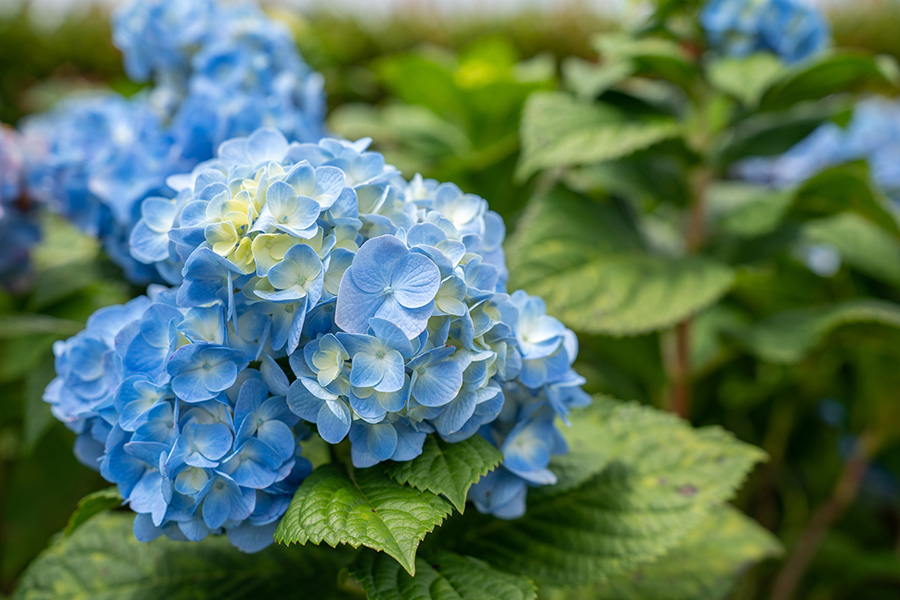
  • C 973

    Growing Bigleaf Hydrangea

    Bigleaf hydrangea, also called French, Japanese, or snowball hydrangea, is a landscape plant. Bigleaf hydrangea can be transplanted to the landscape for repeat blooms each year.

    Sheri Dorn

    |

    Jan. 5, 2026
  • Stripe Rust (Yellow Rust) of Wheat

    C 960

    Stripe Rust (Yellow Rust) of Wheat

    Stripe rust is an emerging disease in the state of Georgia. Evidence of increased aggressiveness of the disease has been reported recently. Rusts are the most economically important group of wheat diseases. More than $5 billion is lost to cereal rusts worldwide each year.

    James W. Buck, Alfredo Martinez, and John D. Youmans

    |

    Jan. 5, 2026
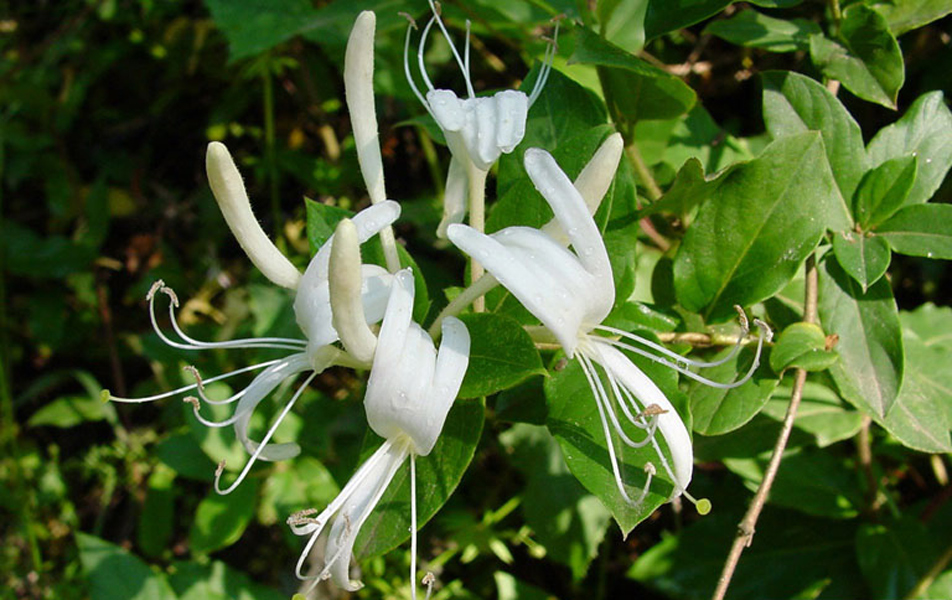
  • Japanese honeysuckle flowers against green foliage

    C 957

    Poisonous Plants in the Landscape

    While most of us are familiar with common poisonous plants that cause dermatitis (skin irritations) such as poison ivy or poison oak, we fail to recognize common ornamental plants in the landscape that may cause internal poisoning when ingested. Although most adults would not intentionally eat the leaves or fruit of ornamental plants in the landscape, young children or pets sometimes do. This resource provides readers with information on some of the common landscape plants known to have poisonous properties when ingested. You may be surprised to learn just how many of our common plants, such as azaleas, hydrangeas, boxwood, and English ivy, are known to have poisonous properties.

    Bob Westerfield

    |

    Jan. 5, 2026
Previous Page
1 2 3 4 5 6 … 158
Next Page

About CAES

CAES Home

Overview

History

Administration

Jobs

Personnel Directory

Privacy Policy

Accessibility Policy

AI Guidelines

Affiliations

UGA Cooperative Extension

Tifton Campus

Griffin Campus

University of Georgia
  • Schools and Colleges
  • Directory
  • MyUGA
  • Employment Opportunities
  • Copyright and Trademarks
  • UGA Privacy Policy
  • Submit a Student Complaint
#UGA on
© University of Georgia, Athens, GA 30602
706‑542‑3000