Entomology Resources
-
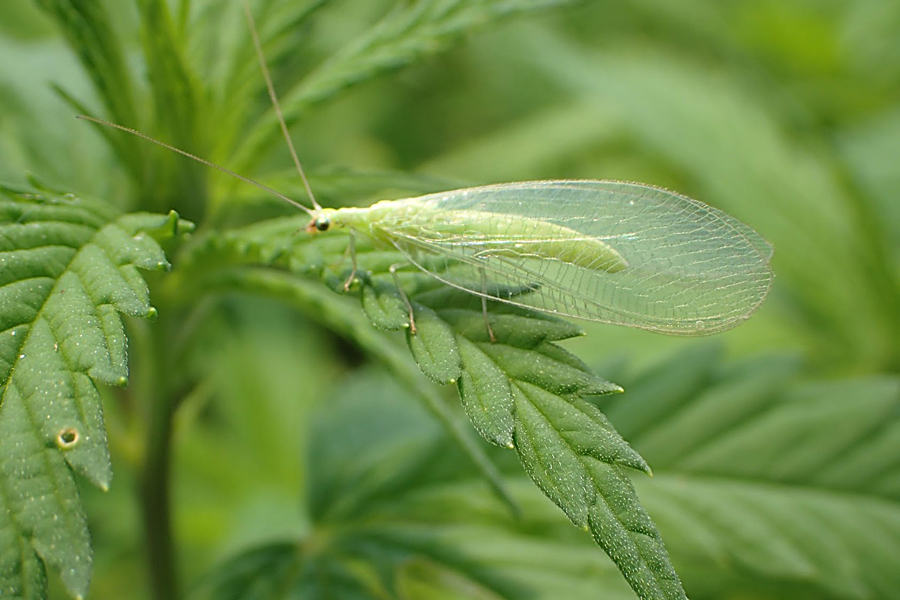
Blueberries are becoming the state fruit of Georgia with considerable acreage planted. Blueberries have many pest challenges and a current invasive pest challenge from spotted wing drosophilia (SWD). While efforts are underway to release new biocontrol agents for SWD, we still know little about the natural enemies in blueberry systems. Here we provide an overview of common natural enemies and conservation strategies for preserving beneficial species in blueberry systems. The work was funded by the NRCS to provide new information on natural enemies and pollinators and help with design and implementation of habitat management concepts.
|
-
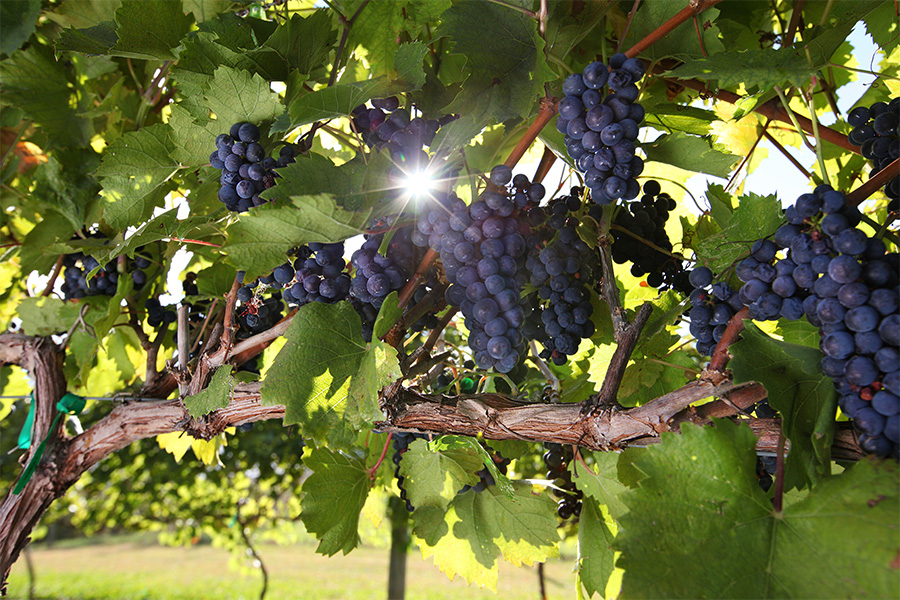
Pierce’s disease (PD) may be the greatest threat to the growth and sustainability of wine grape industries in the Southeastern U.S. The first step to managing grapevine PD is understanding the threat of PD as dictated by the region in which vines will be planted. It is highly advised that PD-tolerant cultivars be planted if a vineyard will be established in a region of high PD-threat. Growers should understand that there is a risk of planting Vitis vinifera and other PD-intolerant cultivars in several Southeastern U.S. regions, including the mountain regions of northern Georgia and piedmont regions in North Carolina. If PD-intolerant cultivars are planted, leafhopper vectors should be intensively scouted for and managed, and PD-infected vines should be immediately rogued out of the vineyard.
|
-
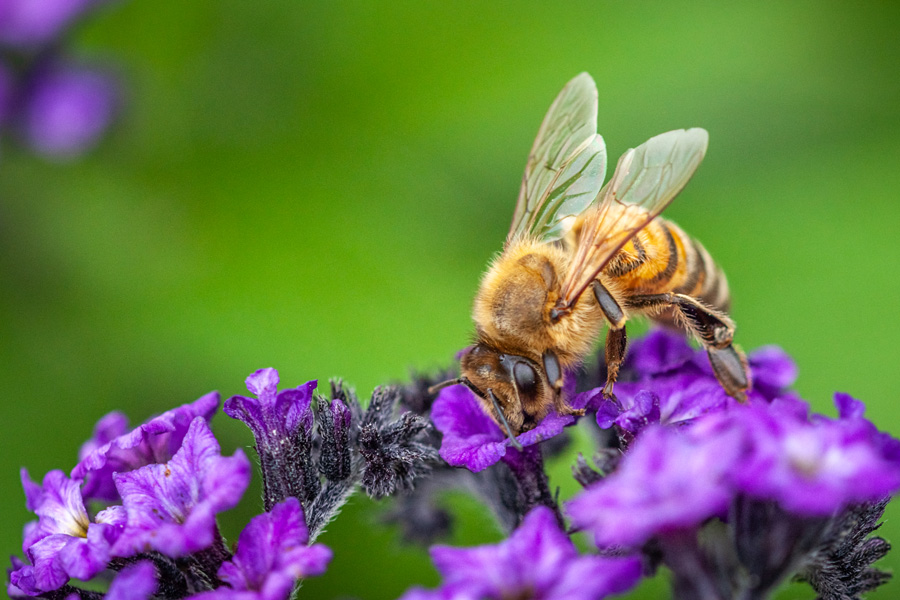
Mosquitoes can transmit a wide variety of pathogens and significantly reduce our quality of life with their aggressive biting behavior. On the other end of the spectrum, pollinators are a critical part of our natural environment, contributing significantly to food production and ecological diversity. Honey bees, along with other pollinators, are susceptible to pesticides, and significant bee kills have occurred because of mistimed or misguided pesticide applications. When conducted properly, an integrated pest management approach does not pose a significant risk to honey bee colonies.
|
-
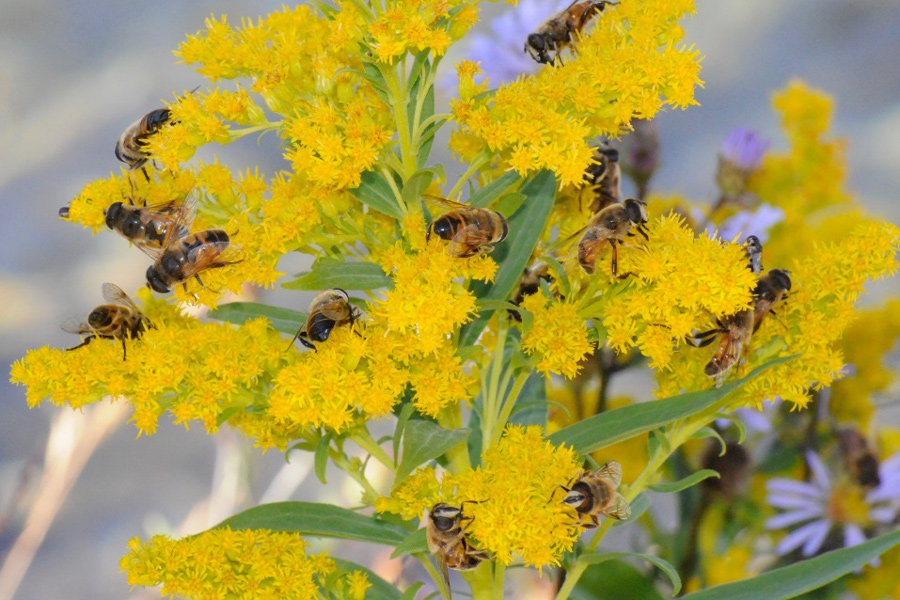
With over 6,000 species world-wide and 812 in the United States and Canada, hover flies, also known as flower flies or syrphid flies, are a highly diverse, common, and charismatic family of insects which provide a broad diversity of ecosystem services including pollination, biological control, and decomposition that benefit humans. However, they often are overlooked or misidentified because of their tendency to mimic bees and wasps. This resource educates readers about the importance of these magnificent insects and provides a brief guide to common species found in the southeastern United States, specifically the state of Georgia.
|
-
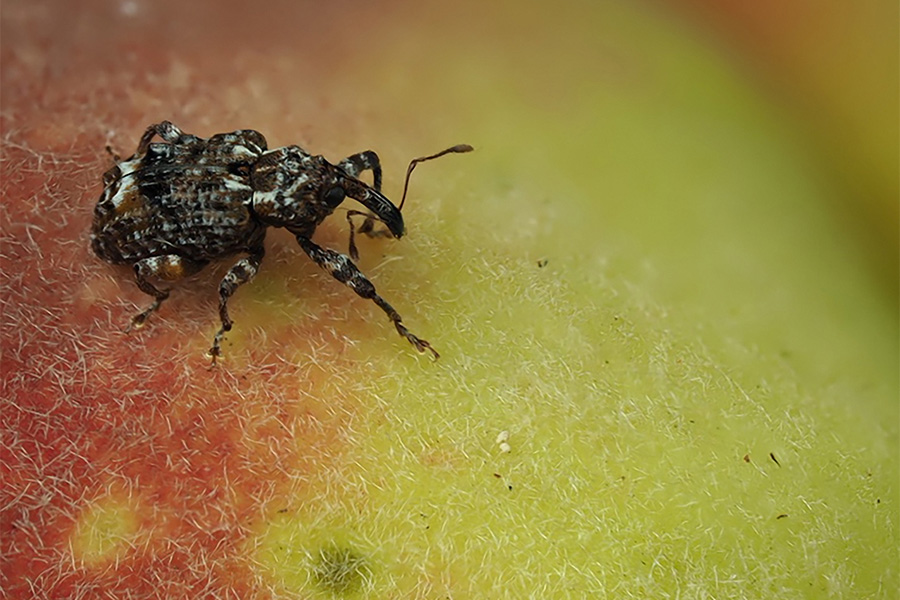
Plum curculio, Conotrachelus nenuphar (Herbst), is a key insect pest of peaches in the Southeast region of the United States. It is a snout beetle native to North America and is found east of the Rocky Mountains in the U.S. and Canada. Plum curculio drives the insect pest management program for Georgia peach producers. This circular covers the biology, damage, and current management recommendations for plum curculio in Georgia peach production.
|
-

This biennial publication contains the proceedings of the turfgrass field day carried out at the UGA Griffin campus every other year. The guide provides professionals with continuous, real-time access to the latest up-to-date information about turfgrass research studies, products, and turfgrass Extension activities, programs, and outreach. Topics will include, but are not limited to: crop and soil science, agronomy, weed science, plant pathology, entomology, economics, tissue culture, urban agriculture, irrigation, and student posters.
|
-
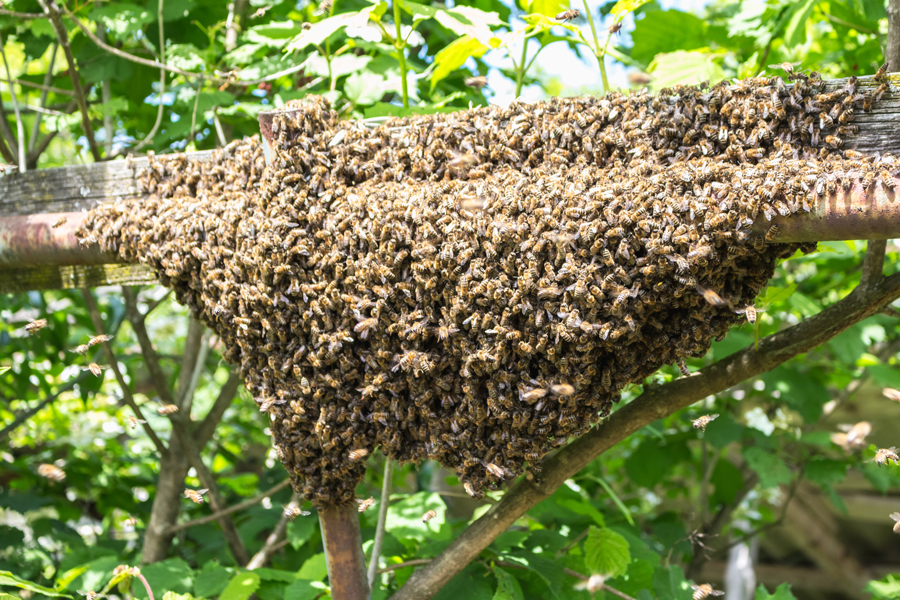
This circular is for property owners who have unwanted honey bee swarms on their lands or colonies nesting inside walls. It explains these natural processes and gives options for dealing with them.
|
-

This guide discusses how to prevent and treat head lice outbreaks in schools.
|
-
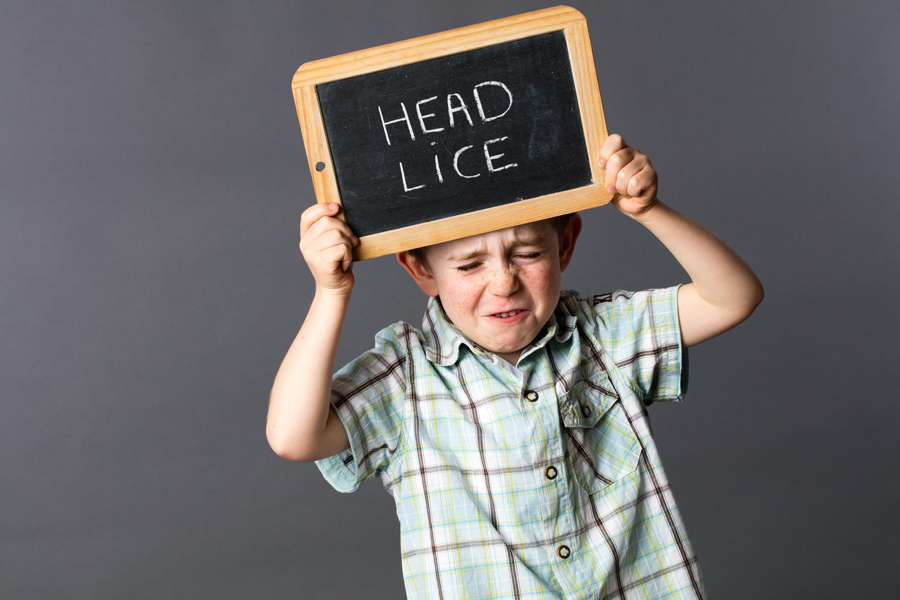
This guide for parents explains what to do — and what not to do — when a child gets head lice.
|