Entomology Resources
-
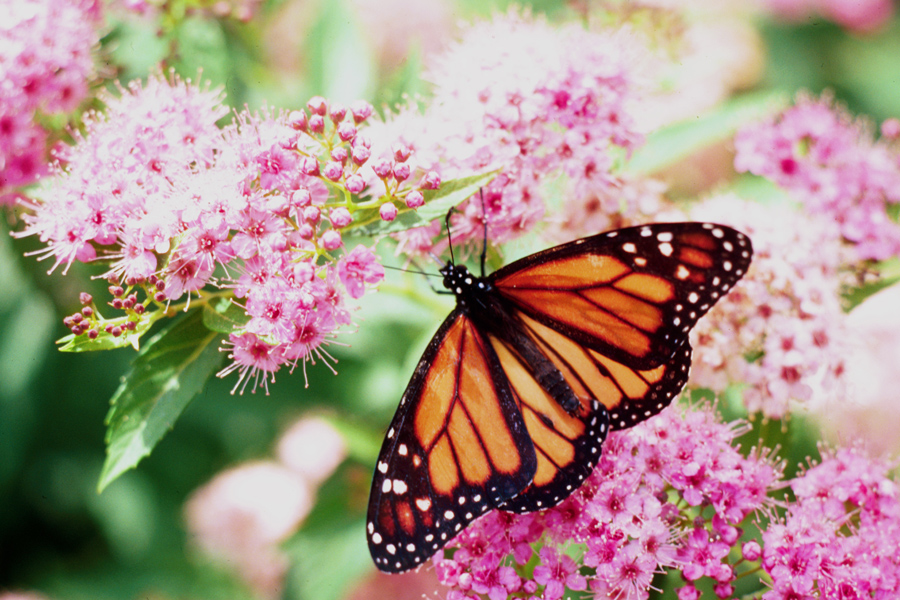
Monarch butterflies travel on air currents and cross more than 3000 miles in the winter to reach their overwintering sites in Mexico. The loss of this habitat, combined with diseases, pesticide use, and loss of larval hosts (i.e., milkweed), are causing a decline in Monarch populations. The larvae need milkweed to develop, and the adults need nectar for migration and survival day-to-day, so more nectar sources and milkweed plants are needed to sustain their migration patterns. This resource can help you select flowering plants and milkweeds that can help conserve the migrating monarchs, especially when planted along farm-reserved lands and urban gardens.
|
-
C 1303
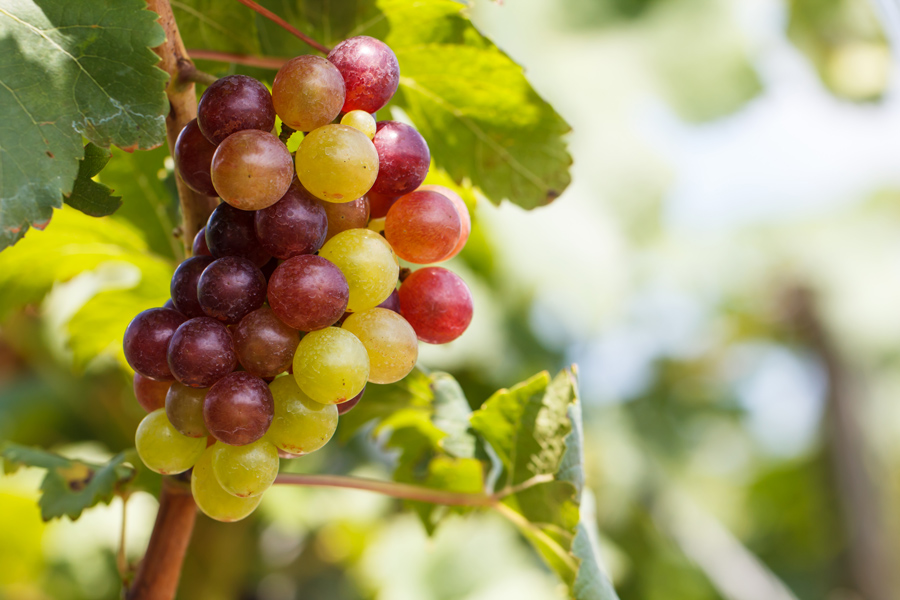
Muscadine Grape Management
This phenology-based muscadine grape management poster provides a reference for sound viticultural, disease, and insect management practices in a digestible format. Produced in cooperation with University of Tennessee, North Carolina State University, University of Arkansas, and Auburn University. A publication of the Southern Region Small Fruit Consortium.
|
-

Accurately distinguishing insect pests from beneficial arthropods is a critical component in the implementation of an effective and sustainable pest management program. This circular provides a succinct and practical summary of natural enemies commonly found in pecan orchards in the Southeast U.S.
|
-

Whiteflies are common and recurrent insect pests of cotton in Georgia. The severity of whitefly damage varies from year to year based on the size of the pest population. The most abundant species of whitefly found infesting cotton in Georgia is Bemisia tabaci, commonly known as the silverleaf whitefly (SLWF) or sweet potato whitefly. Another species, bandedwinged whitefly (Trialeurodes abutiloneus), may also be present in Georgia cotton. This publication highlights whitefly biology, damage, sampling procedures, control methods, and tips for managing risk in cotton.
|
-

The success of the Southeast Boll Weevil Eradication Program has played a major role in the recent revival of Georgia’s cotton industry. Along with these economic benefits, the remarkable success of the eradication program
has led to a significant decrease in insecticide use in Georgia cotton, and to substantial environmental benefits to growers and residents of the state.|
-

This report provides research and extension results for trials conducted by the University of Georgia Vegetable Team and its collaborators in 2023. Contributing authors include county and regional faculty as well as specialists from UGA’s horticulture, plant pathology, crop and soil sciences, and entomology departments. All research has been supported by the Georgia Commodity Commission for Vegetables.
|
-
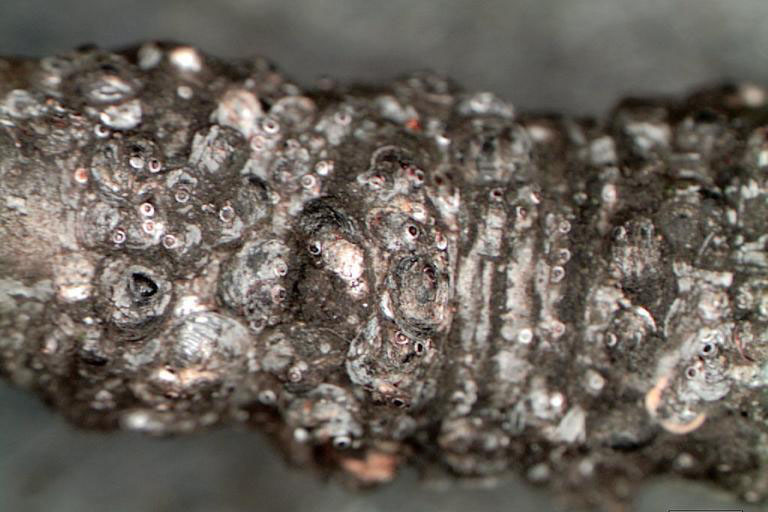
Gloomy scale is a serious insect pest that affects maple trees in urban Georgia, but it can go undetected for years. Affected trees can show branch dieback and canopy thinning after 6–10 years, when the population reaches extremely high densities. A waxy shield covering protects females from predators and insecticide exposure, and usually gives them a convex shape.
|
-
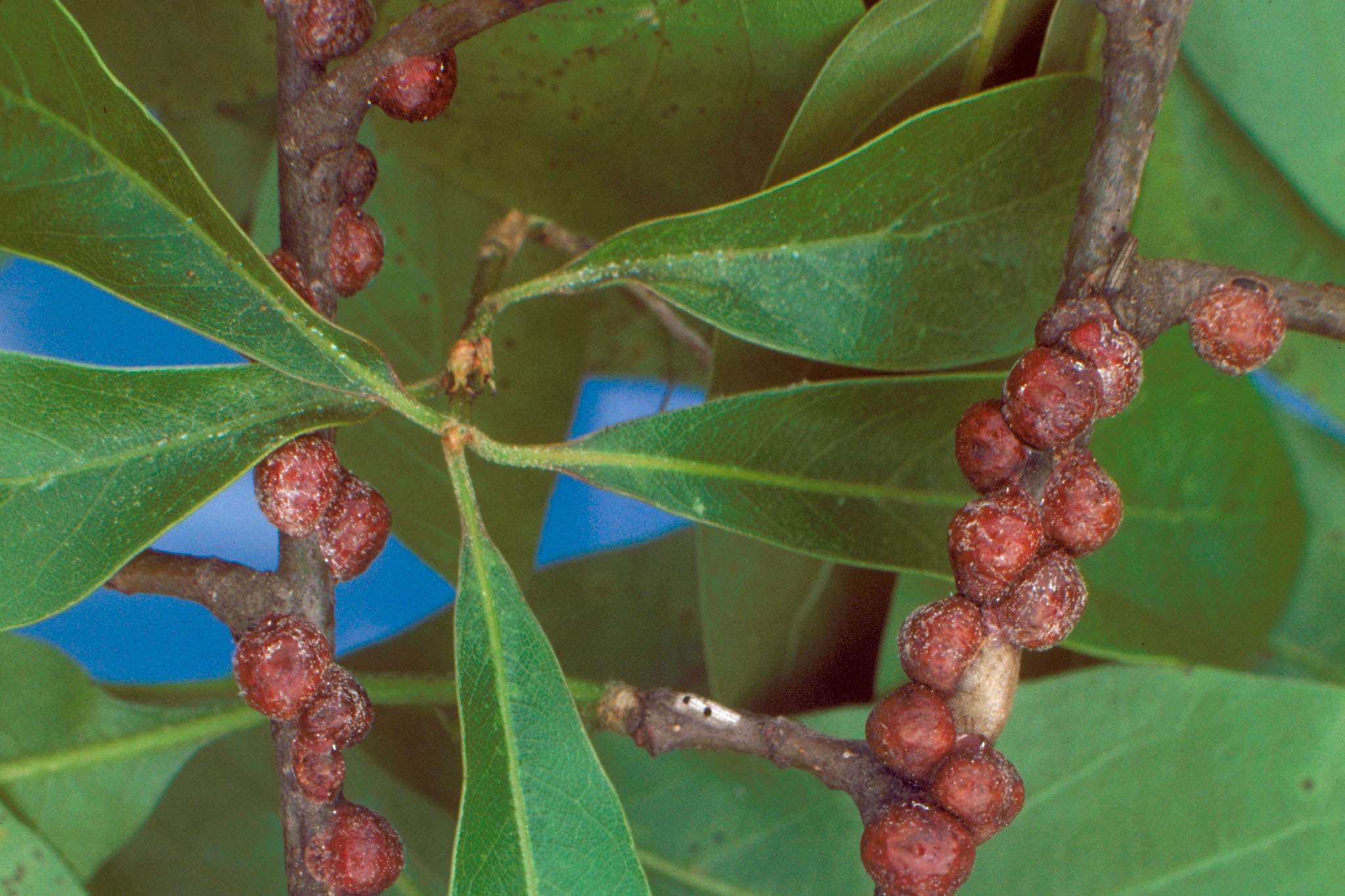
Oak lecanium, Parthenolecanium quercifex (Hemiptera: Coccidae), is a common soft scale insect pest of oak trees and other woody plants. They infest trees under high stress, such as those planted in parking lots, greenscapes, and other urban areas. Like other soft scale insects, oak lecanium scales feed on tree sap, and they excrete the excess sugars as honeydew. Sooty mold fungus grows on honeydew, and its black color blocks sunlight and interrupts photosynthesis. Although lecanium scales have little immediate impact on twigs and branches, extensive infestation and subsequent feeding damage may weaken or kill the tree over time. The problems with lecanium scale are worsened in urban landscapes where local temperatures are generally higher. Higher temperatures decrease the relative number of parasites that feed on scale insects, and the high densities of surviving females continue to produce viable eggs.
|
-
This publication is a guide to 110 common pest insects found in and around the home, including prevention and treatment options.
|