Entomology Resources
-
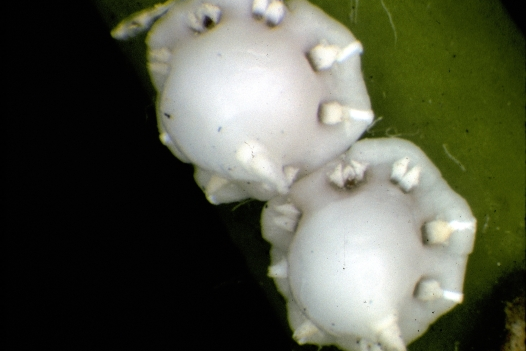
Scale insects are very common pests of landscape trees and shrubs, yet they often are overlooked when scouting. They can, however, be responsible for chlorosis (loss of green coloration of plants due to lack of chlorophyll), branch dieback, or death of the plant. Wax scales are part of the soft scale group as they produce soft, cottony, powdery, or waxy covers that cannot be separated from the scale body. Indian wax scale and Florida wax scale are the common wax scale species that occur in Georgia. Indian wax scale is prevalent in the eastern U.S. from Florida to Maryland. Florida wax scale is found from Florida to New York and westward to New Mexico.
|
-
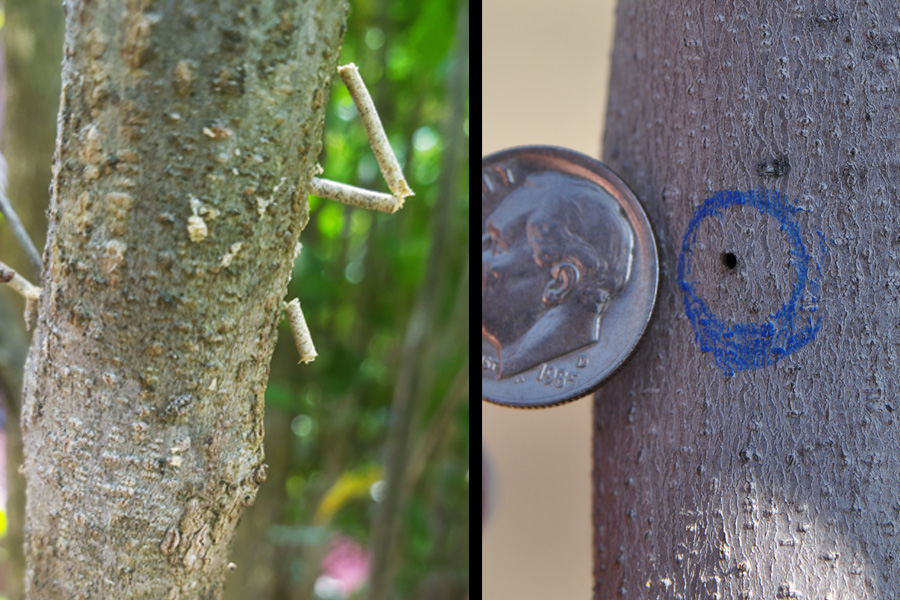
This pocket field guide provides a summary of the common economically damaging species of ambrosia beetles in the Eastern and Southern U.S. It includes an easy-to-use morphological identification guide, external and internal plant-injury descriptions to help in infestation diagnosis, and trapping guidelines and protocols for researchers, Extension agents, and growers. The finished printed size of this guide is 3″ wide x 5″ high. Please contact the Publications Editor at extpublications@uga.edu to obtain a PDF suitable for commercial printing (with page bleeds).
|
-
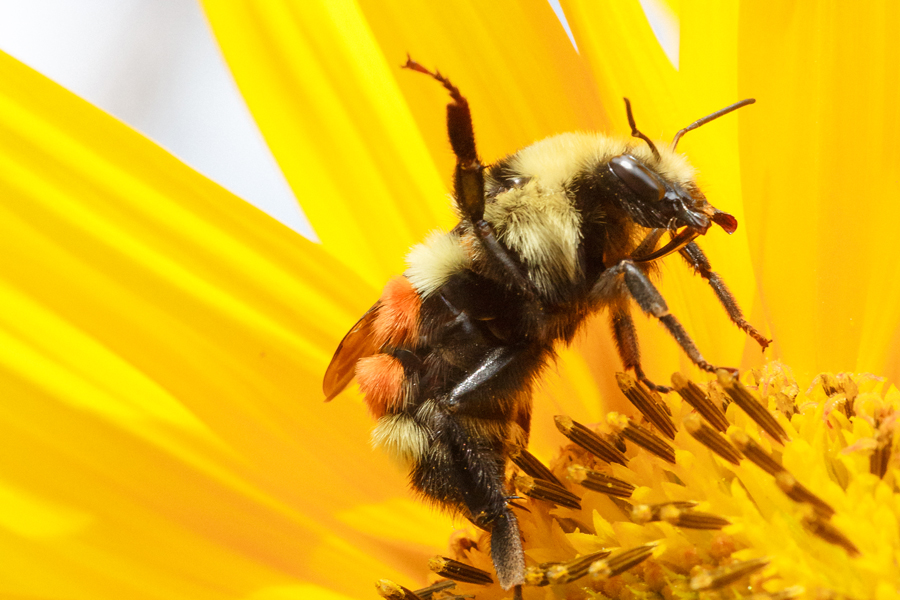
Bumblebees are prone to catch your attention with their sonicating buzz or conspicuous and colorful appearance. They are robust, fuzzy-looking insects, with varying bands of coloration and a hairy abdomen. This characteristic differentiates them from the look-alike carpenter bees, which have bald abdomens. Bumblebees usually are active from early spring through fall, visiting and collecting pollen and nectar from flowers, and are distributed worldwide, with up to 260 species all over the globe. Most species are encountered in the Northern Hemisphere, while others are located in Central and South America and northern Africa. Forty-nine bumblebee species in the United States are known, and 17 of them are found in Georgia.
|
-

We can positively affect pollinator populations in our region by providing plants that help sustain them. Pollinators face the increasing challenges of habitat loss, parasite and disease pressure, and the unintended consequences of pesticide misuse. Bee forage plants can bloom season-long with careful plant selection appropriate to the region. A combination of herbaceous perennial and annual plants, trees, and shrubs can provide valuable resources to bees and other pollinators. Even grasses can be used by bees as a pollen source, while crape myrtles can provide a later season resource for pollinators. Anyone—from individual home gardeners to commercial and agricultural property managers—can promote pollinator health by selecting and planting appropriate plants. This guide provides options for selecting flowering woody plants that are attractive to bees and butterflies and sometimes have additional wildlife benefits.
|
-

Tawny crazy ants have proven to be a major nuisance to Georgia residents. This publication helps readers identify these ants and provides guidance for pest management professionals to manage and eliminate them.
|
-

This publication will educate pest management professionals about pesticides and instill vigilance in their handling and use. In order to understand how to use chemical pest control products responsibly, PMPs must have a basic understanding of the various definitions associated with pesticides, be able to interpret labels and material safety data sheets (including principles of toxicity), be aware of their own
safety, understand the mode of action (i.e., how pesticides work) of the various active ingredients they use, and be aware of differences in formulation types.|
-
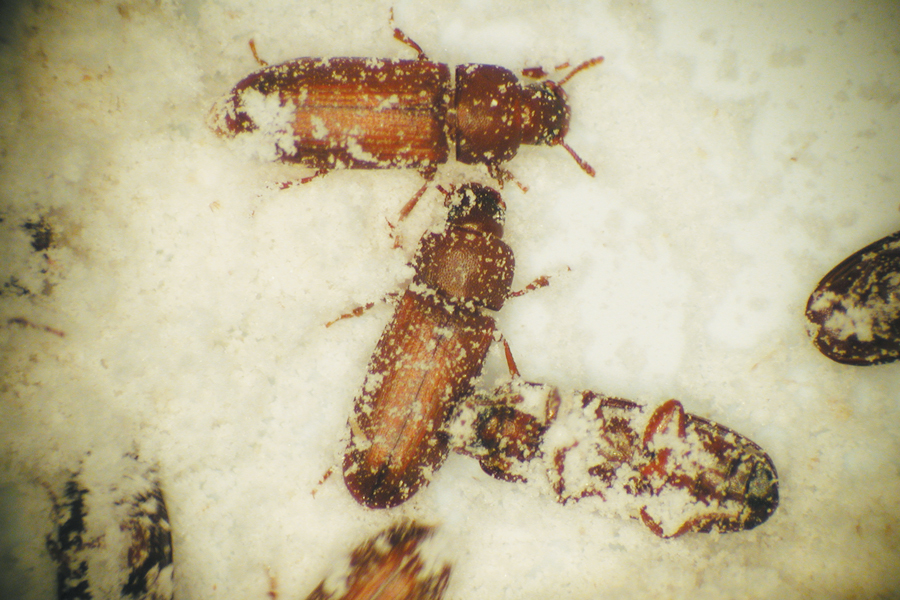
Several dozen insect species infest food and nonfood products of plant and animal origin commonly found in homes. Collectively, this group of insects is referred to as stored product pests. Most are small beetles or moths. For homeowners, often the first sign of a stored product pest infestation is the sudden, unexplained and then persistent presence of numerous insects in a particular area of the home.
|
-
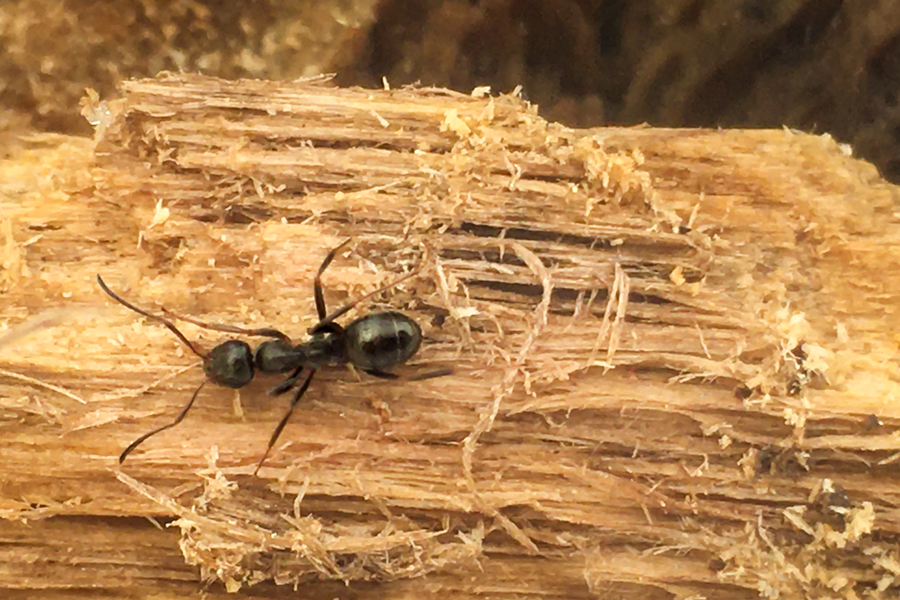
Carpenter ants are so-called because of their habit of chewing wood to create nest sites. They do not eat wood, like termites, but they excavate it with their strong, saw-like jaws to create random galleries where they nest. Carpenter ants are also a nuisance because of their abundance and large size.
|
-
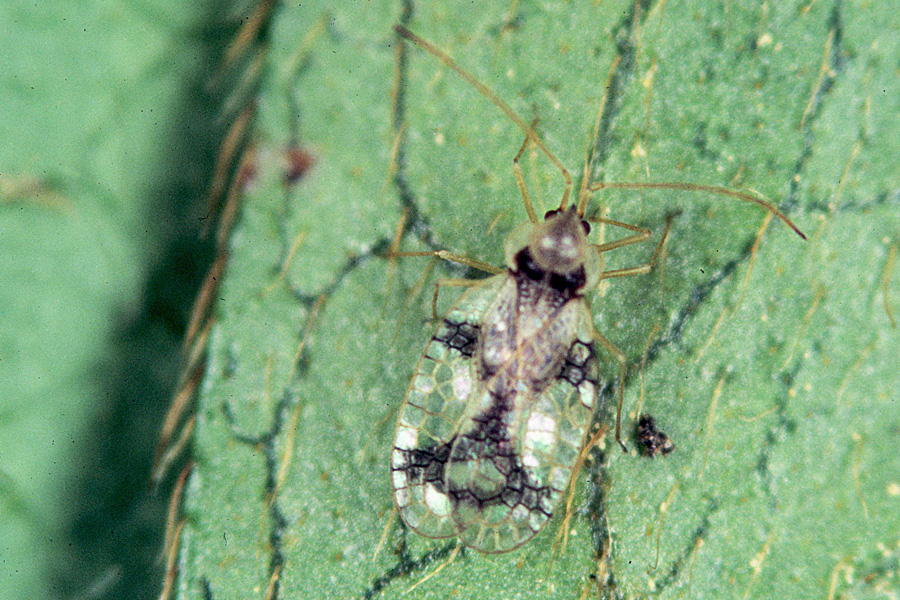
Many species of insects or mites attack Georgia landscape plants. Homeowners have difficulty controlling these pests because they often are not aware of the problem until both the infestation and the damage are extensive, or they may apply insecticides improperly or at the wrong time. Brief descriptions of major groups of pests (or the damage they cause) found on Georgia landscape plants are provided to assist with identification. Control strategies for these pests are presented in Table 1.
|