Entomology Resources
-

By their nature, pesticides are hazardous and demand cautious handling. When they are used properly, however, pesticides improve the quality of our food supply, protect our health and increase our comfort with little risk to the environment and non-target living things. The most important consideration for the safe, effective use of pesticides is to follow all label directions and safety precautions.
|
-

Accidents are common when felling a tree with a chainsaw. Fortunately, most of them can be prevented. Tips for preventing kickback, barber chair, entanglement, setback, and stump jump are presented in this publication, along with techniques for safely releasing spring poles.
|
-
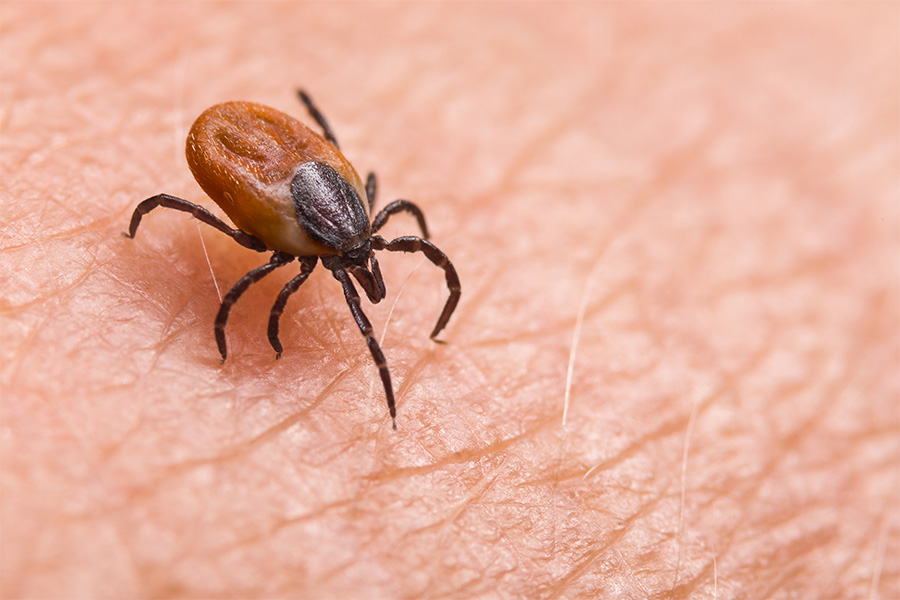
This publication discusses how to protect yourself and the areas around your home from ticks. It also includes information on common tick-borne diseases, such as Rocky Mountain Spotted Fever and Lyme disease.
|
-
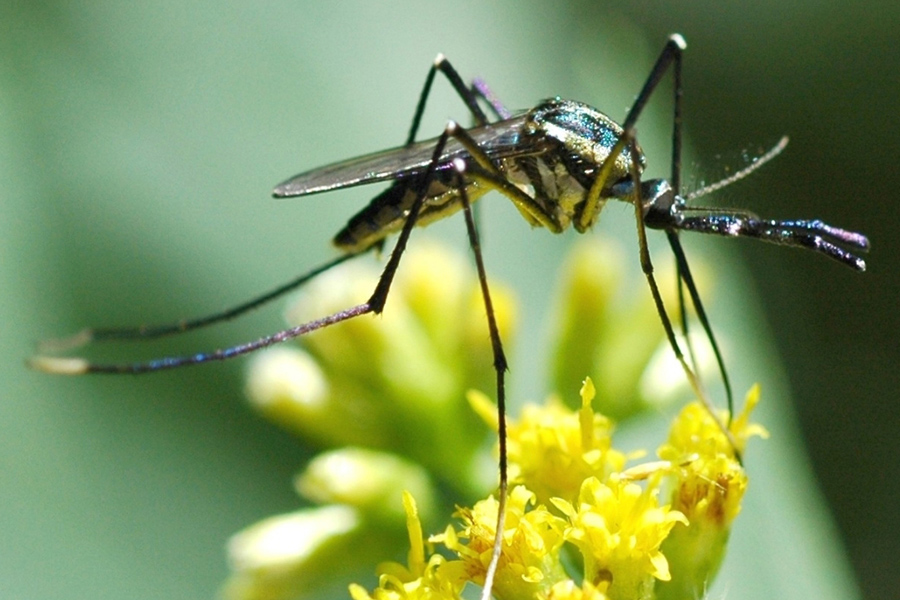
This publication contains descriptions and images, as well as methods of control, for common stinging and biting pests found in Georgia, including: bees, wasps, hornets, fire ants, scorpions, caterpillars, spiders, chiggers and flies.
|
-
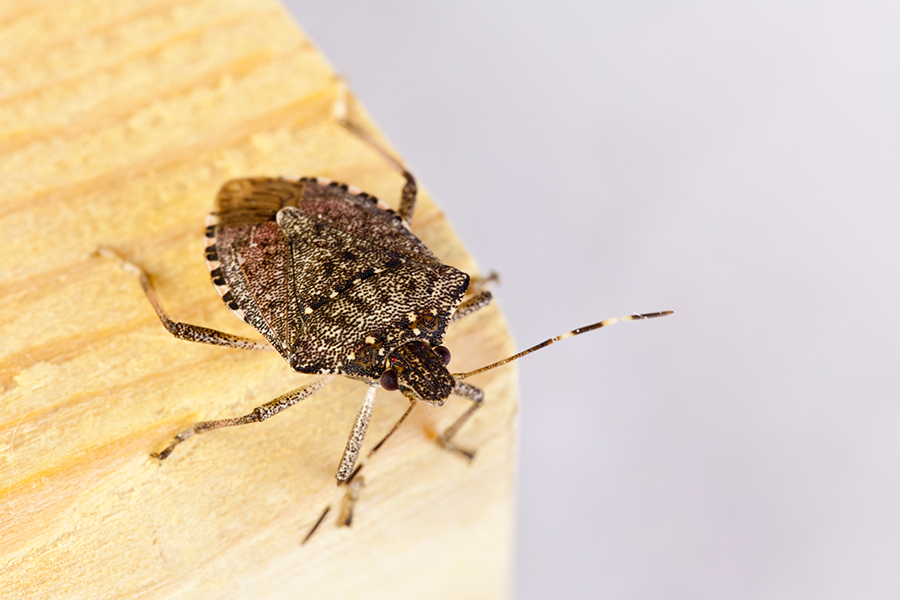
The brown marmorated stink bug is a landscape and agricultural pest in the United States. They seek dark and dry sites—such as a vehicle parked near trees—in the fall in which to overwinter. This pest is reported to feed on more than 170 plant species, including fruits, vegetables, and ornamental plants. This stink bug also is a nuisance pest as they aggregate and overwinter in man-made structures beginning in late fall.
|
-

This biennial publication contains the proceedings of the turfgrass field day carried out at the UGA Griffin campus every other year; 2022 was the first field day since the 2018 field day because of the COVID-19 pandemic. The guide provides professionals with continuous, real-time access to the latest up-to-date information about turfgrass research studies, products, and turfgrass Extension activities, programs, and outreach. Topics will include, but are not limited to: crop and soil science, agronomy, weed science, plant pathology, entomology, economics, tissue culture, urban agriculture, irrigation, and student posters.
|
-
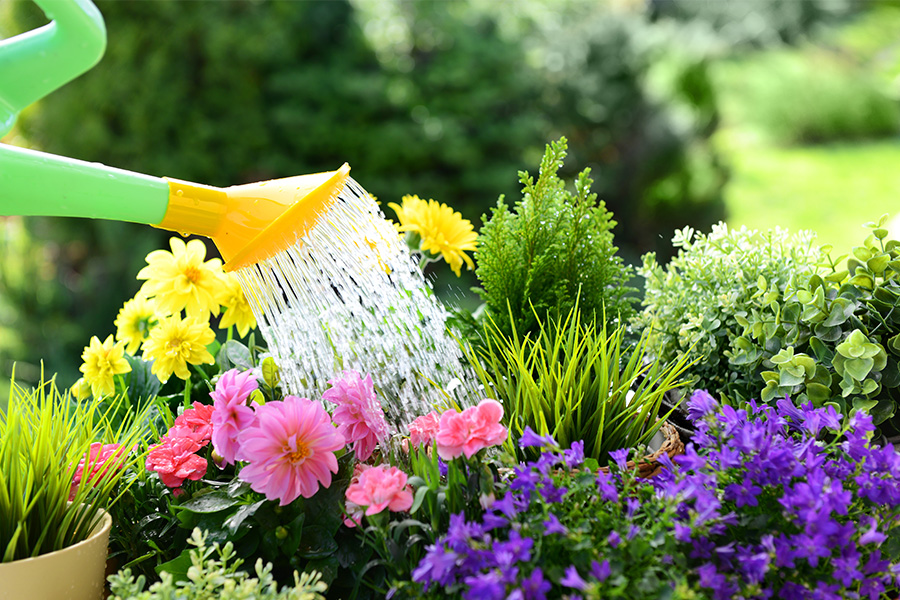
This resource provides guidelines for the care of established ornamental plants in the landscape. Low-maintenance alternatives to traditional cultural practices are discussed throughout.
|
-
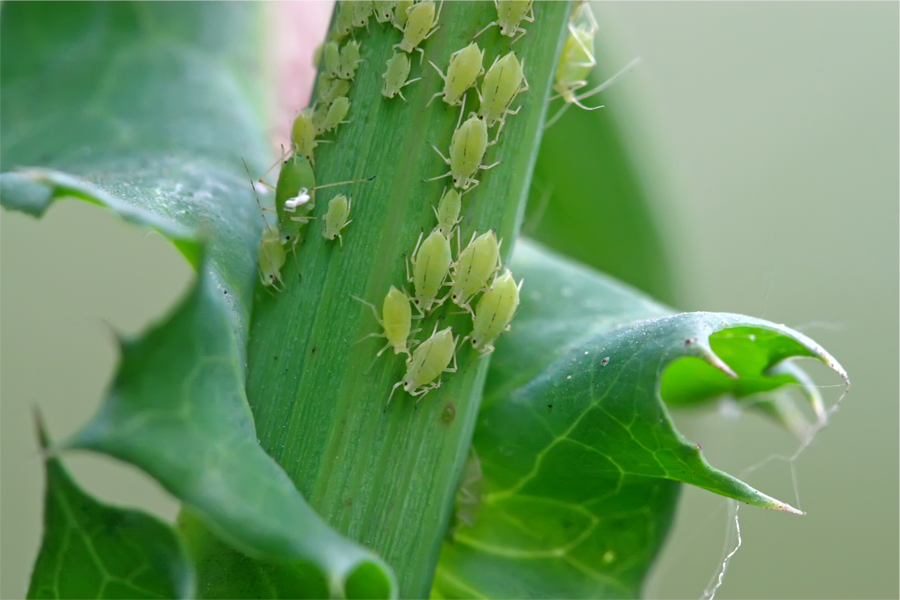
An introduction to and information on the biology, damage, and management of aphids in the ornamental landscape.
|
-
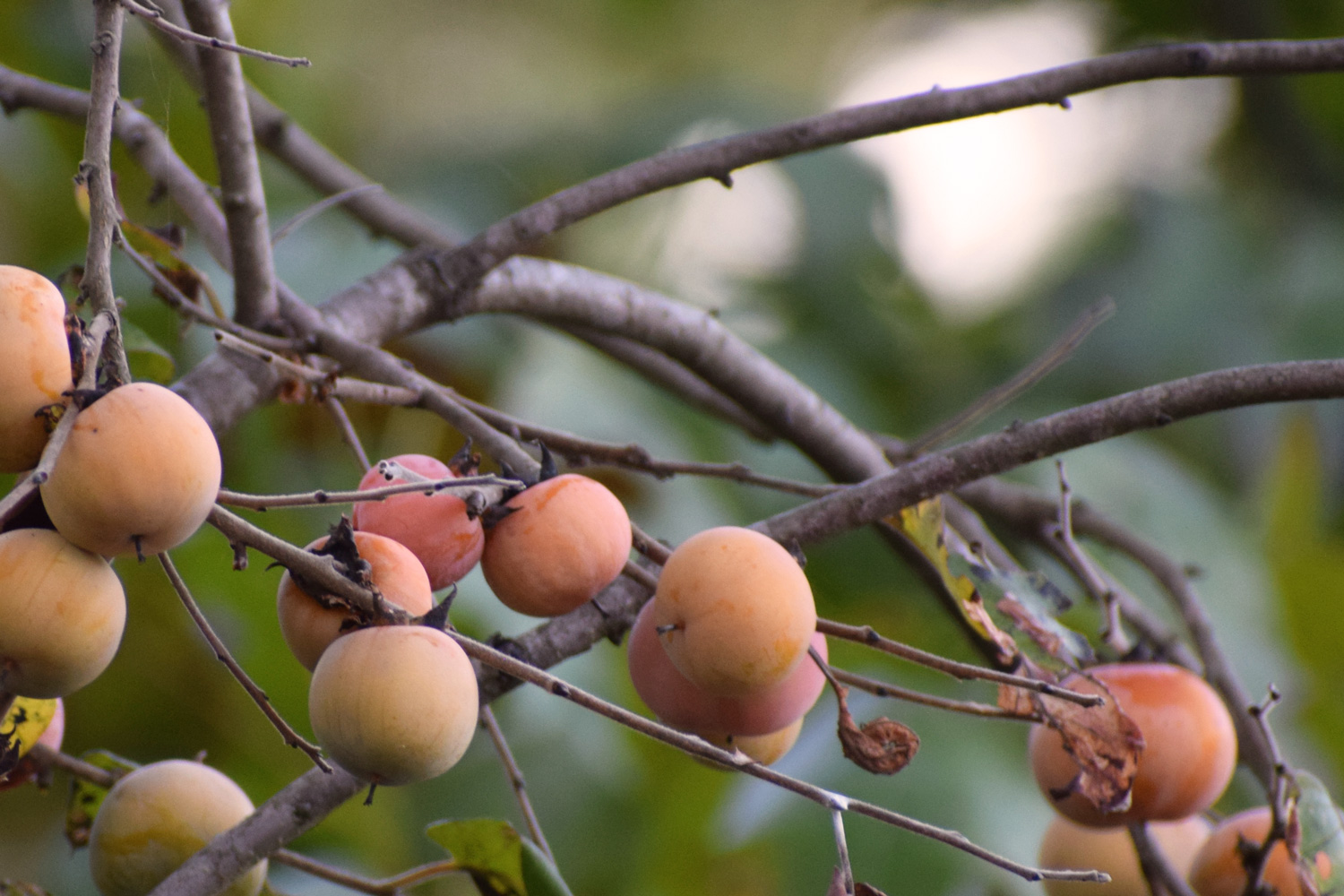
C 784
Home Garden Persimmons
Many of the numerous species of persimmon can be grown in Georgia. This resource covers planting and growing requirements as well as fruiting, harvesting, and insect pest information.
|