Entomology Resources
-
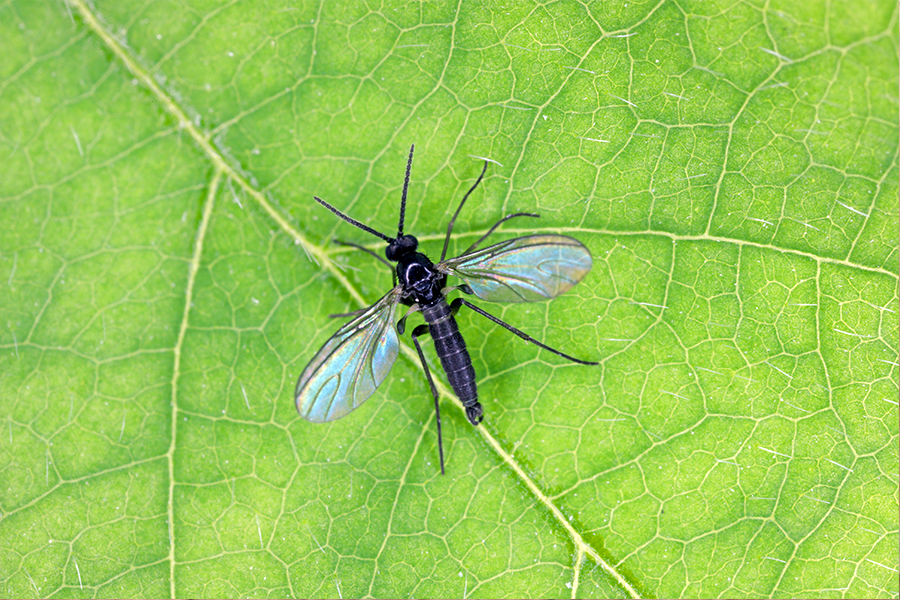
Nothing is more welcoming in the home, office, waiting room, or conference room than lush greenery. The benefits of plants in the home and workplace are well-documented. They remove pollutants, help workers relax and refocus, increase productivity, and make the room look better. Unfortunately, plants often come with the nuisance pest fungus gnats. Learn how to what they are, how they live, and how to control them.
|
-

This resource helps readers identify and manage tawny crazy ants, a highly invasive species from South America. The ant somewhat resembles invasive Argentine ants (also known as sugar ants).
|
-

C 926
Argentine Ants
This resource will help readers identify Argentine ant infestations and manage them around their homes and landscapes.
|
-

C 929
Carpenter Ants
This resource discusses the most effective methods to prevent and control carpenter ants in and around your home.
|
-

This resource introduces the effective and environmentally friendly use of trap crops as an alternative to controlling damaging insects in the vegetable garden. Trap crops are sacrificial plants that can draw damaging insects away from valuable crops.
|
-
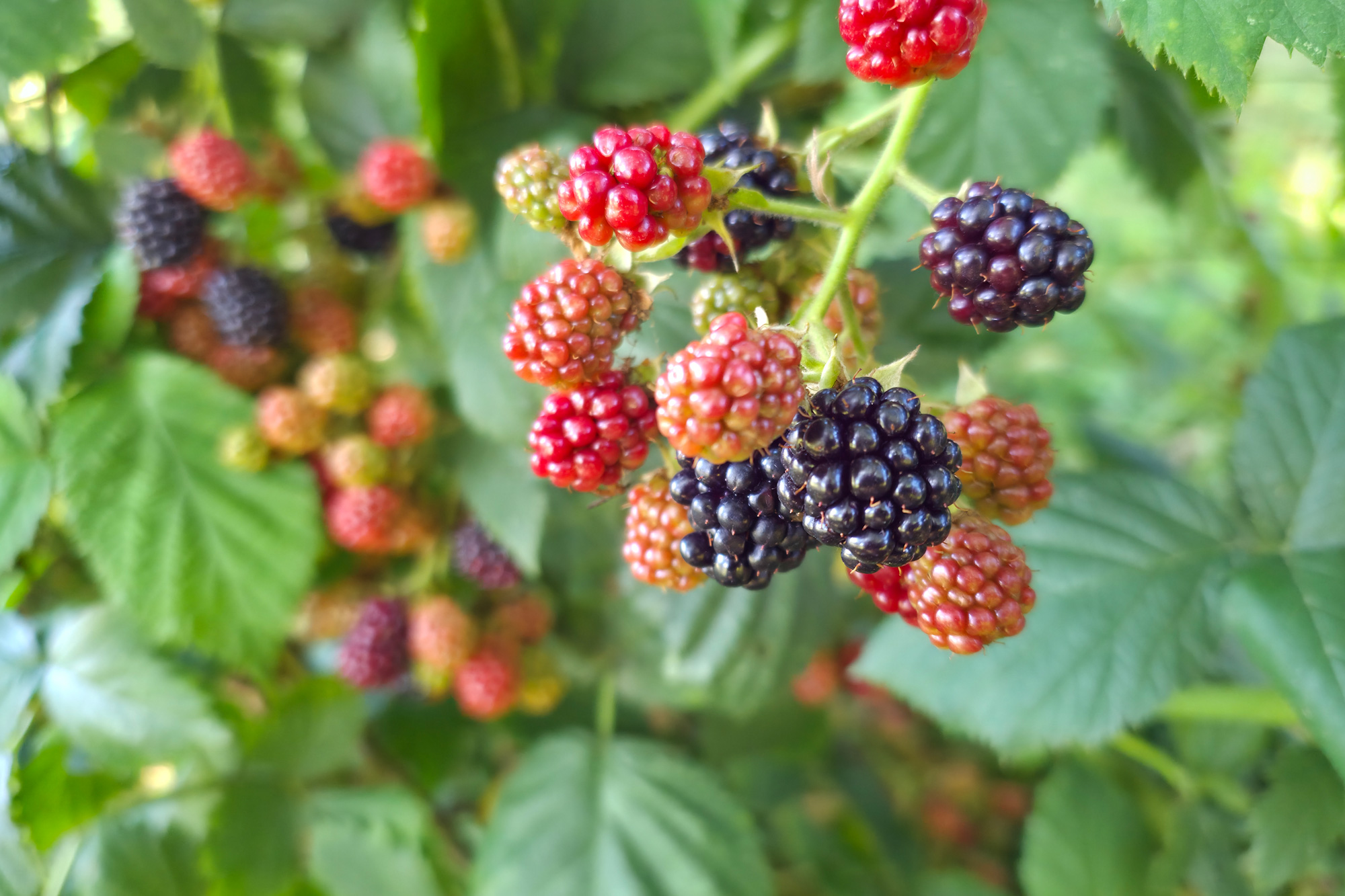
Blackberries and raspberries are one of the most popular fruits to grow and they are among the easiest for the home gardener to successfully produce. Blackberries and raspberries come as erect types (no trellis required) and trailing types (trellis required), depending on the varieties selected. This publication discusses growing raspberries and blackberries in a home garden.
|
-

C 997
Pomegranate Production
This resource helps growers understand how to grow pomegranates for commercial or home use in Georgia, as well as general production practices common in other pomegranate-producing regions. There has been increasing consumer demand for the fruit and it’s being used in many consumer products, including tea and juice blends, nut mixes, and other foods.
|
-

C 1151
Viticulture Management
This phenology-based viticulture management poster provides a reference for sound viticultural, disease, and insect management practices in a digestible format. Viticultural practices optimize vineyard health, profitability, and sustainability and improve crop quantity and quality. Like pest management, viticultural practices should be implemented in a timely fashion throughout the growing season to maximize practice efficiency and benefit gain. Disease control in grapes is critical, as grapes are susceptible to a wide range of pathogens. Implementing timely and adequate cultural practices will greatly help to suppress diseases.
|
-

Sod webworms are a serious pest of turfgrass in Georgia. There is limited information available to the green industry and the public about the general biology, ecology, and management of this pest. This publication includes photos of sod webworms, their life cycle, and management options so that landscape industry professionals and homeowners can learn about the pest sufficiently to manage it.
|