Entomology
-
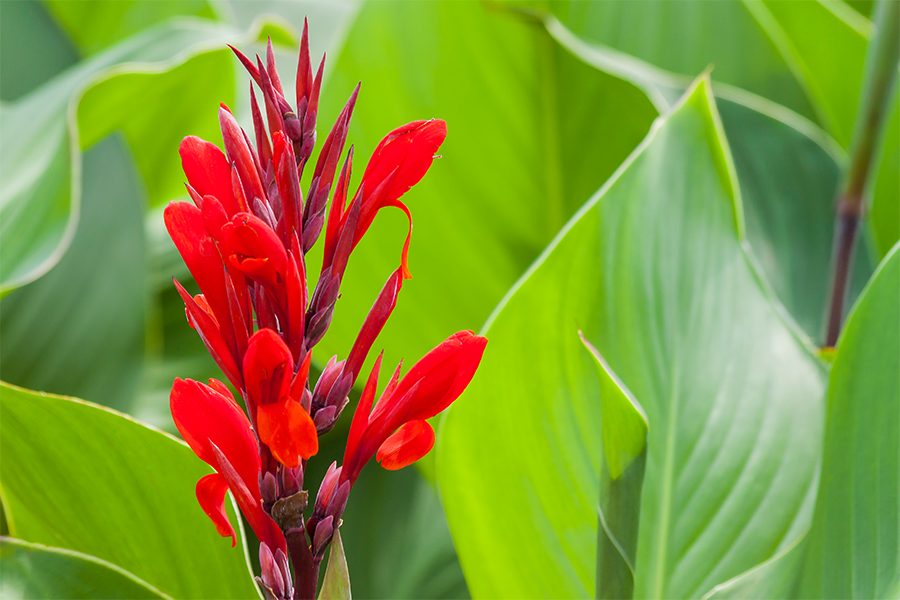
An introduction to the larger canna leafroller, plus information on biology and management.
|
-
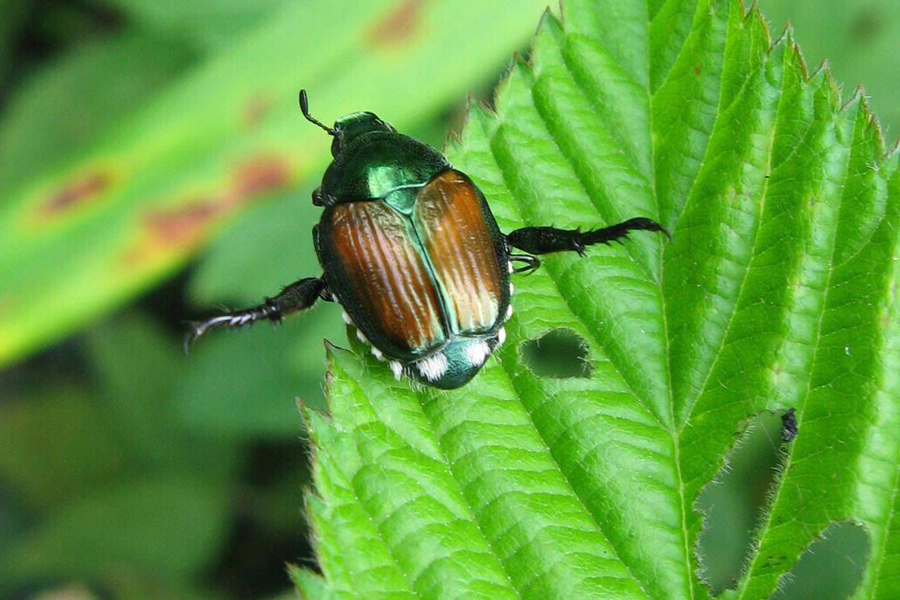
The Japanese beetle, as the name suggests, is native to Japan and was introduced to the U.S. through the transport of plant material. It is a highly devastating pest, attacking a variety of landscape and garden plants, fruit trees, field crops and turf. This circular provides an overview of Japanese beetles in the nursery and landscape, covering the biology, damage, monitoring, and management of this pest.
|
-

Sod webworms are a serious pest of turfgrass in Georgia. There is limited information available to the green industry and the public about the general biology, ecology, and management of this pest. This publication includes photos of sod webworms, their life cycle, and management options so that landscape industry professionals and homeowners can learn about the pest sufficiently to manage it.
|
-

This circular provides a basic summary of the best management practices of integrated mosquito management. These practices begin with education and communication and progress through surveillance, source reduction, larviciding, and adulticiding. The circular presents guidelines that communities can use to help develop the most effective mosquito management program possible with the resources available. Using these practices will help to minimize pesticide exposure to pollinators and other non-target pests.
|
-

This circular provides concise and accurate information describing mosquito biology and behavior. The publication describes the history of mosquitoes in Georgia and ways to prevent mosquito-borne diseases. Mosquitoes affect a large segment of the public, and mosquito control is most efficiently conducted in an integrated manner. This information will help homeowners address mosquito problems on their own property and provide insight into the intricacies of larger, community-based control programs.
|
-

C 1151
Viticulture Management
This phenology-based viticulture management poster provides a reference for sound viticultural, disease, and insect management practices in a digestible format. Viticultural practices optimize vineyard health, profitability, and sustainability and improve crop quantity and quality. Like pest management, viticultural practices should be implemented in a timely fashion throughout the growing season to maximize practice efficiency and benefit gain. Disease control in grapes is critical, as grapes are susceptible to a wide range of pathogens. Implementing timely and adequate cultural practices will greatly help to suppress diseases.
|
-

The southern chinch bug, Blissus insularis Barber, is a serious insect pest of turfgrass, especially St. Augustinegrass, in Georgia. Bermudagrass, centipedegrass, and zoysiagrass are also attacked by southern chinch bug. They feed on grass using their piercing and sucking mouthparts. Affected turfgrass can form yellow to brown patches that are sometimes mistaken as indicators of disease or drought stress. Populations of southern chinch bug can build up at the edges of these patches at over 100 individuals per square foot, which can kill the affected grass. The development of southern chinch bug in the grass can easily go unnoticed because of their small size and dark-gray color, which blends in with thatch. This publication summarizes the biology, lifecycle and management options available for southern chinch bug in Georgia.
|