Forages and Baleage Resources
-

SB 28-25
Perennial Grass, Pasture, and Forage
Commercial insect and weed control in perennial grasses, pastures, and forages. Updated annually.
|
-

Commercial insect and weed control in summer and winter temporary grazing. Updated annually.
|
-
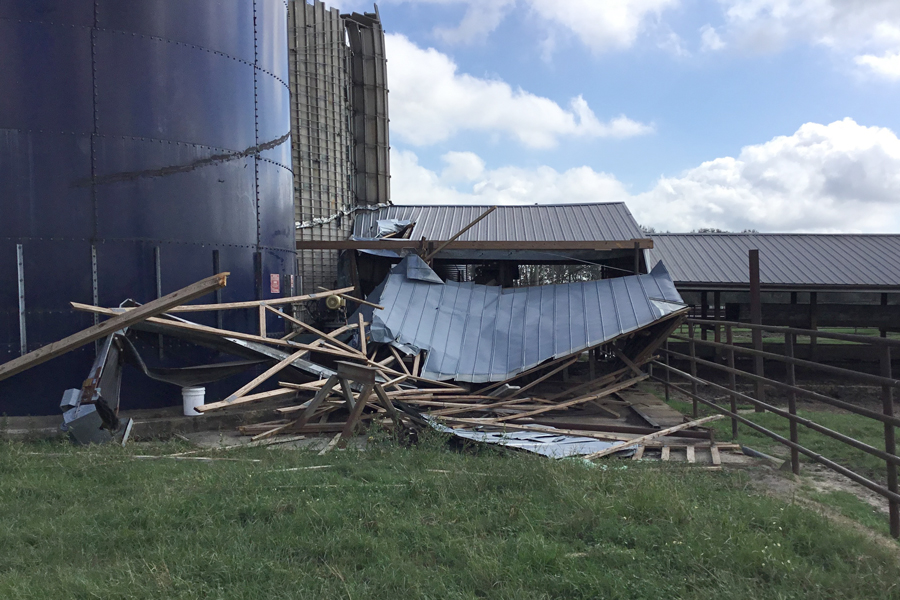
As a result of significant weather events, many producers in Georgia may experience losses of pasture growth, hay stocks, feed supplies, and livestock. After such events occur, farmers will be assessing damage to fields, stock, and property for many days, weeks, months. This publication is intended to provide recommendations to farmers that have experienced adverse affects due to significant weather in their forage and livestock production systems.
|
-
B 1532
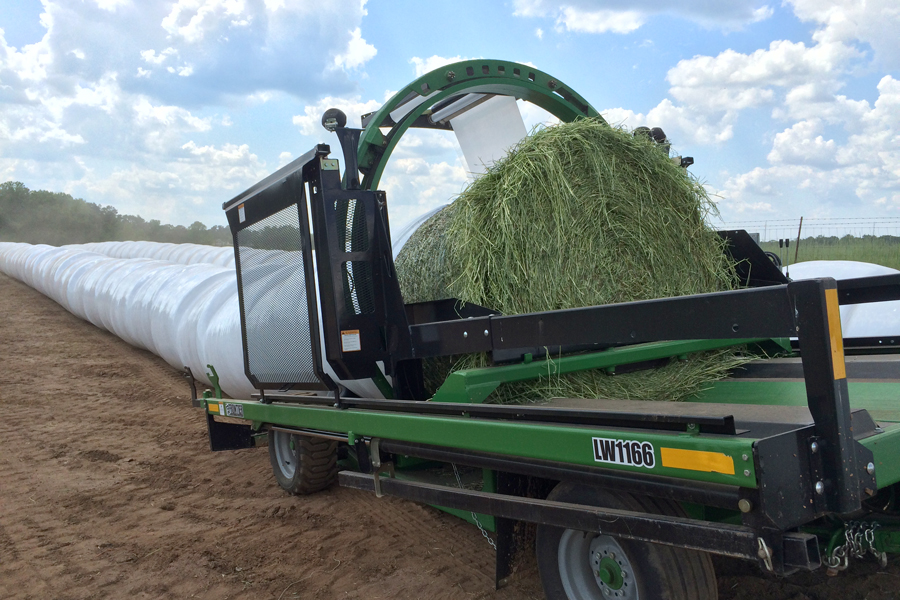
Baleage Production and Use
Implementing a baleage system takes consideration and planning. Producers need to weigh the benefits, challenges, and costs to optimize their forage production and livestock feeding operations. Baleage does have additional costs associate with it—including a wrapper, plastic, and plastic disposal. It also takes different management strategies to store and feed baleage to prevent spoilage when compared with traditional dry hay. Despite some additional management challenges, baleage can be very beneficial for many producers. It has higher forage quality when compared to dry hay harvested under the same conditions and is highly palatable to livestock. Finally, using baleage as a forage harvesting tool can reduce risks of forage loss due to weather and promote forage harvest on a timely harvest interval.
|
-
B 1567
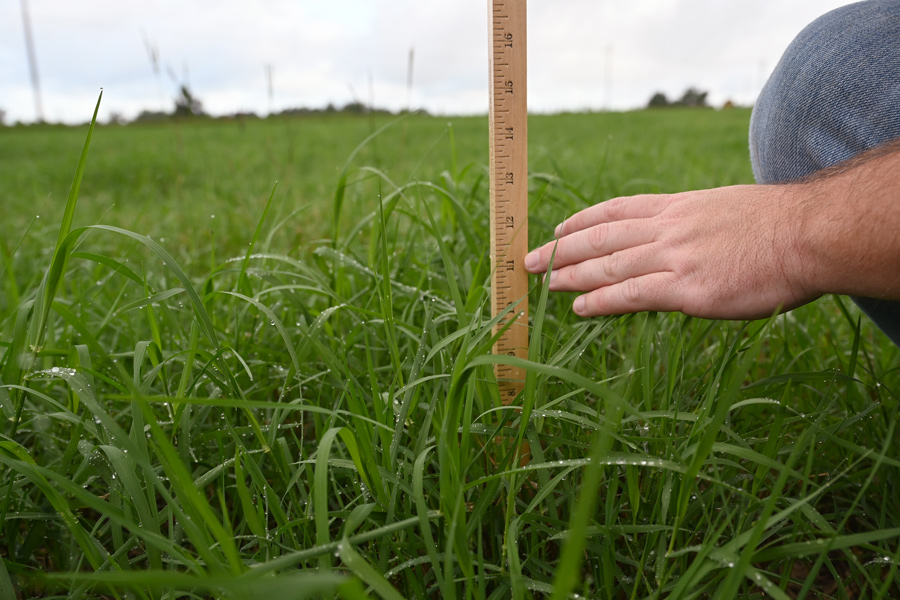
How to Use a Grazing Stick
Grazing management requires accurate estimates of forage availability to adjust forage supply to meet animal needs. However, incorrect forage availability estimates can negatively impact important grazing-management decisions such as stocking rate and grazing time. Visually estimating pasture yield is inexpensive and fast, but untrained persons can give biased and unreliable estimates. One of the easiest, most affordable, and most reliable estimation options is using a grazing stick or pasture ruler. This publication outlines the procedures used for collecting data in field and calculating available forage for your farm. An additional author is Justin Burt, a postdoctoral research associate in the Department of Crop and Soil Sciences, University of Georgia Tifton Campus.
|
-
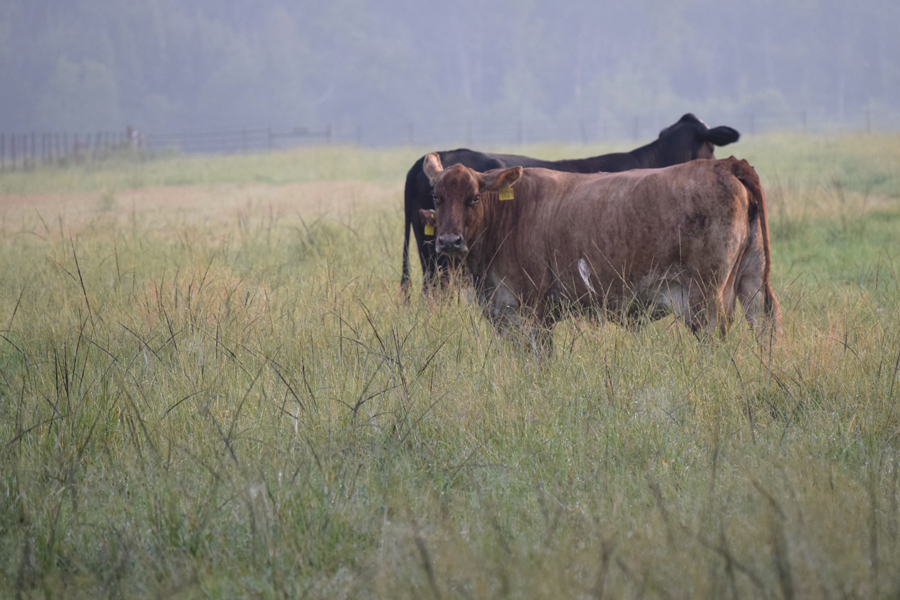
A good grazing management plan is essential to producer success for any grazing livestock production system. One of the keys to building a grazing management plan is to have a good understanding of the stocking rate on your farm and how this relates to forage availability. Stocking rate is a critical factor in all grazing operations, no matter the livestock species. By accurately determining stocking rate, understanding their grazing management options, and measuring forage availability producers can develop an effective grazing management plan for their operation. Additional author: Justin Burt, Postdoctoral Research Associate, UGA CAES Department of Crop and Soil Sciences
|
-
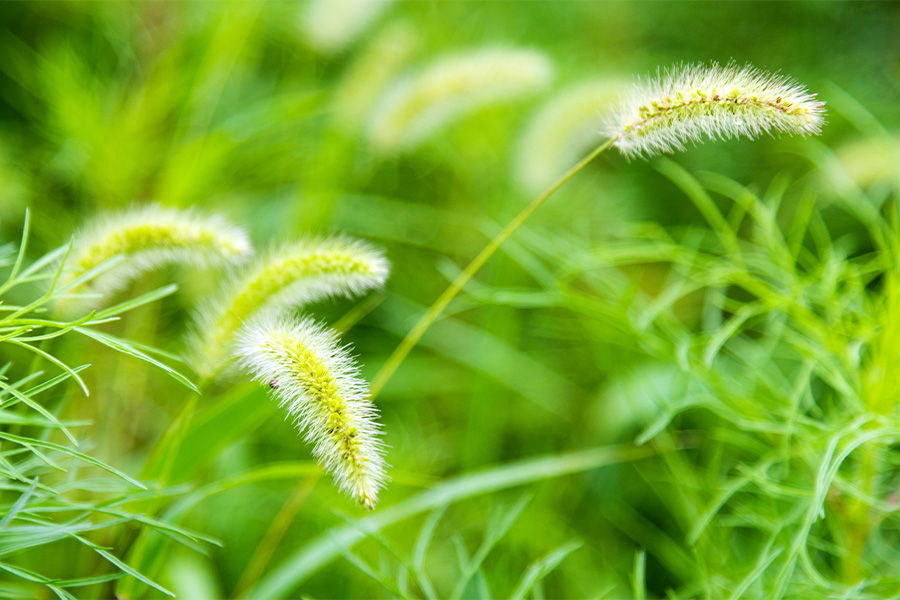
Foxtails (Setaria spp.) are invasive weeds in pastures and hayfields. The competitive growth of foxtails with pasture specie causes stand thinning and reductions in hay yields. Foxtails may be grazed in spring prior to inflorescence development. However, the production of seedheads is concerning in summer due to the sharp awns that can damage the gums of livestock. Hayfield growers are also concerned about the economic impact of foxtails on yield and hay quality. This publication discusses the identification of foxtail species along with cultural and chemical control options.
|
-
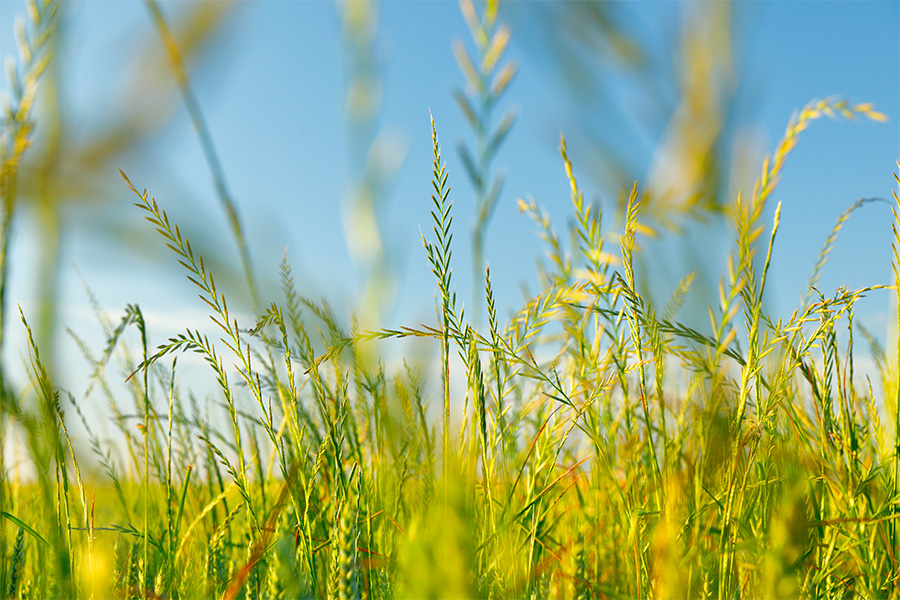
Annual ryegrass (Lolium multiflorum), also referred to as Italian ryegrass, is the most problematic winter annual weed in Georgia hayfields. Seed germinates from September to November when soil temperatures drop below 70 degrees F. Seedlings mature in the fall, overwinter in a vegetative state, and resume active growth in the spring. Annual ryegrass is a prolific seed producer that contributes to annual infestations.
This publication summarizes the growth and identification of this weed. Cultural and chemical control options are also presented for tall fescue, bermudagrass, alfalfa, bahiagrass and other forage legumes grown for hay production.
|
-
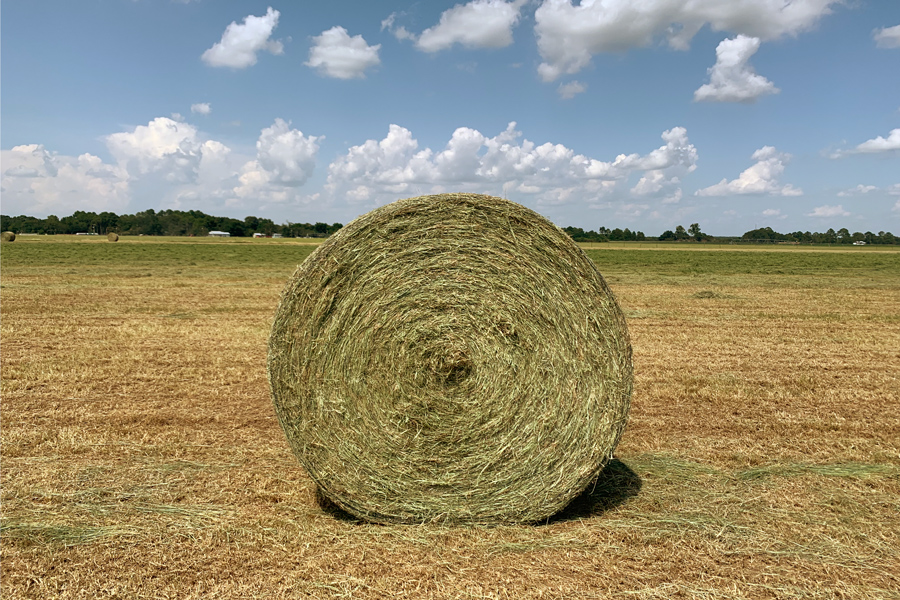
This circular is useful for anyone working directly with livestock producers on interpreting and using forage reports. It also provides a “checklist” for taking forage samples from hay or baleage bales. It summarizes how to properly collect a forage sample, read the basic components of the lab’s report, and use the report for developing a basic feed plan.
|