General Agriculture Resources
-
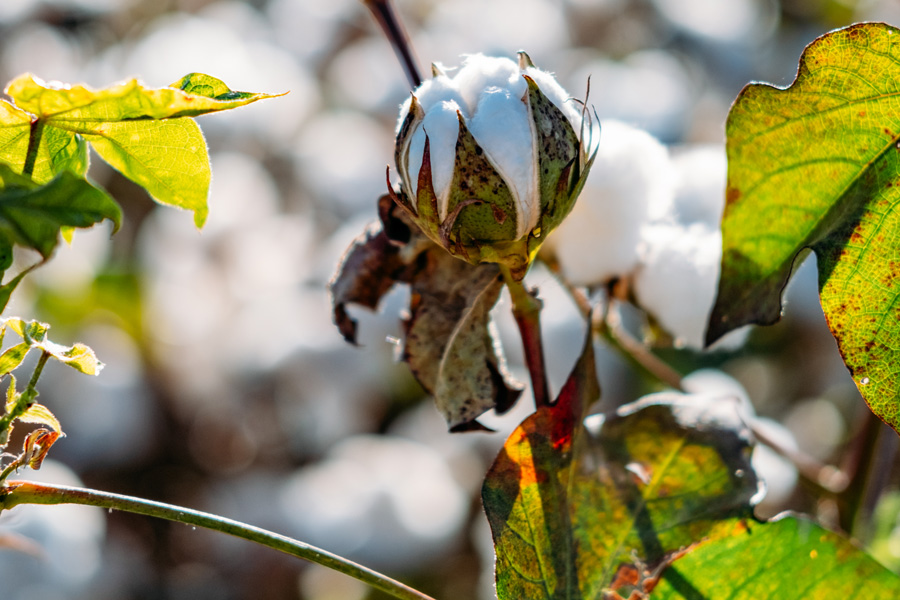
AP 124-3
2023 Georgia Cotton Production Guide
The 2023 edition of the cotton production guide provides an in-depth look at cotton production in Georgia and the Southeastern U.S. Issues discussed include economic outlook, fertility, weed management, insect management, disease and nematode management, irrigation decisions, precision ag technology, and general agronomics of the cotton crop (varieties, PGR applications, defoliation, etc.).
|
-
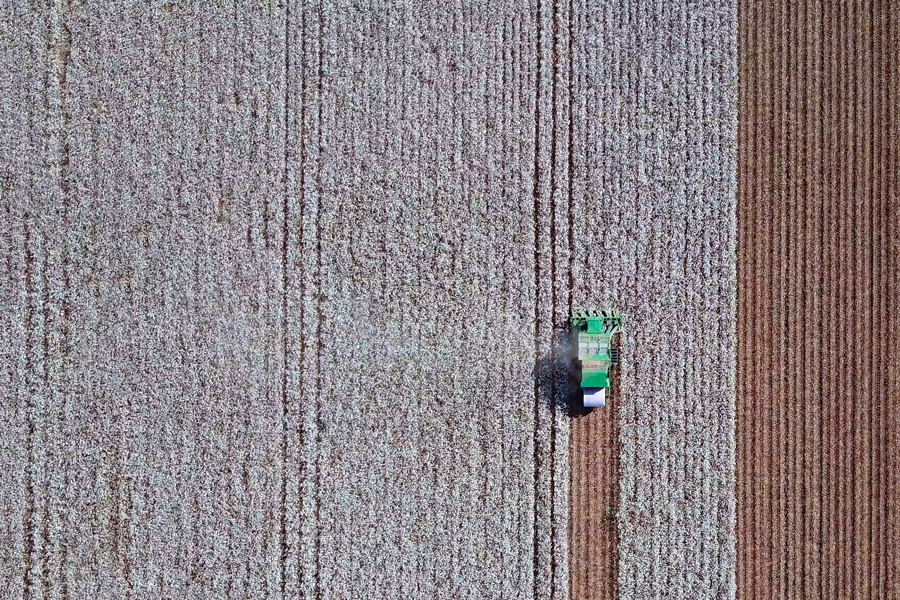
The Agricultural Act of 2018 (2018 U.S. Farm Bill) extended the cotton commodity loan programs for the 2019 through 2023 crop years. Cotton commodity loan programs include the marketing assistance loan (MAL) program and the loan deficiency payment (LDP) program. These programs provide cotton producers with alternative marketing tools during periods of low cotton prices. Cotton producers can receive marketing loan benefits in the form of marketing loan gains (MLG), loan deficiency payments (LDP), commodity certificate exchange gains, and forfeiture gains. Producers can participate in the MAL or obtain an LDP on all or part of their production at any time during the loan availability period, from harvest until May 31 of the following calendar year.
|
-

Starting a farming or commercial production enterprise requires more than knowledge of agriculture or livestock management. The business side of farming is a critical factor in the success and sustainability of the enterprise. This resource can help answer common questions that beginning farmers have about planning, licensing requirements, financing options, training, and more.
|
-
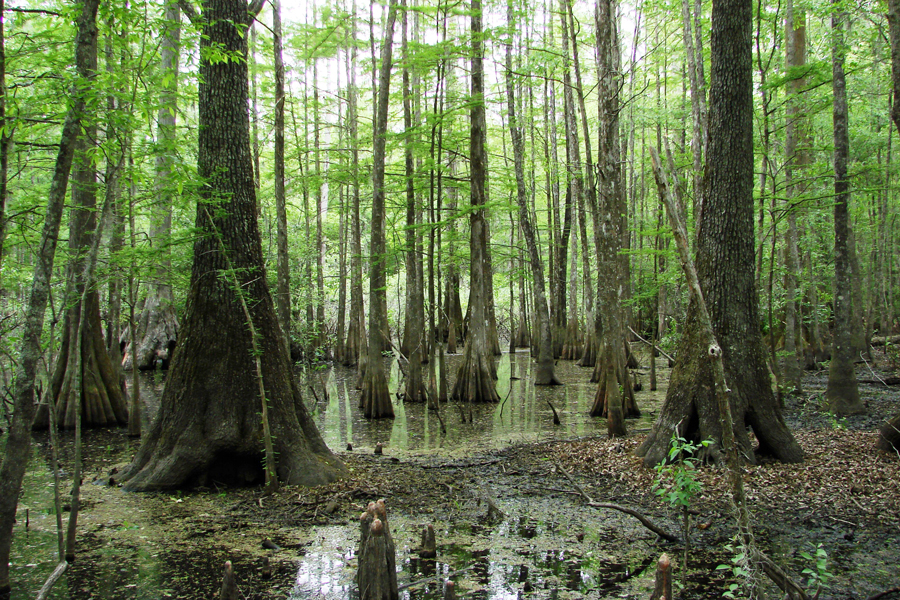
Many people view wetlands as “wastelands,” having few virtues. But it is now known that wetlands provide many useful services, from improving water quality to providing habitat for important fish and wildlife. These kinds of benefits would be costly to create, so maintaining natural wetlands is good for both the economy and the environment. Many smaller wetlands occur in Georgia farmlands, and many of the values provided by wetlands benefit Georgia farmers. This bulletin highlights the key virtues of wetlands to agriculture, describing how wetlands associated with Georgia farms can contribute to agricultural value.
|
-
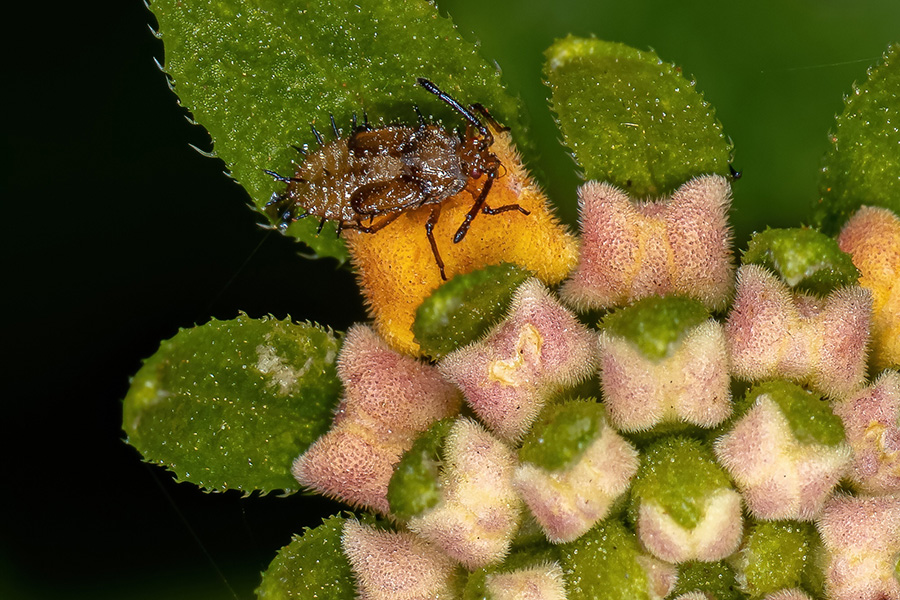
The lantana lace bug, Teleonemia scrupulosa Stål (Tingidae: Hemiptera), is a serious pest of lantana (Lantana
camara L.). Although lantana is regarded as an invasive weed both in the United States and worldwide,
many popular cultivars continue to be planted in residential and public ornamental landscapes and gardens.
Previously, the lantana lace bug was deliberately introduced to several countries as a biological control agent for
lantana. Te lantana lace bug is also referred to as T. lantanae or T. vanduzeei in many publications. This publication covers the identification, biology, symptoms and management of lantana lace bugs.|
-
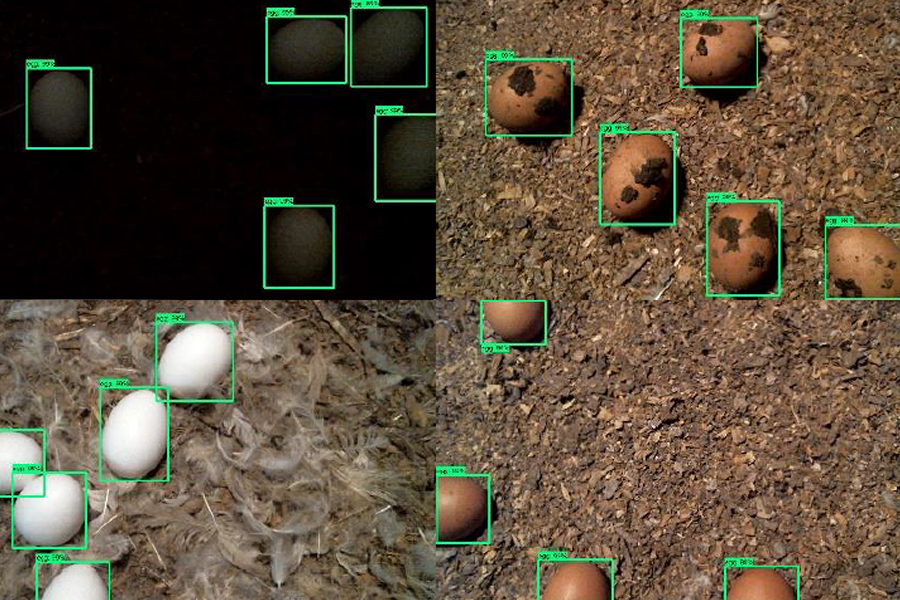
Researchers have investigated the issue of mislaid eggs in cage-free housing and the possibility of reducing the incidence of floor eggs through management of lighting, litter and bedding, and nesting space, and the use of robotics. Methods with potential for managing mislaid or floor eggs in cage-free layer houses can be summarized as follows: 1. House-lighting time management: In cage-free aviary systems, lighting management is used to help control floor-access time. According to observations in commercial cage-free layer houses, most floor eggs are laid at first light. Delaying floor access time in the morning may help reduce floor eggs by keeping the birds near the nests for the first few hours of light. 2. Light intensity and distribution: Make sure to provide sufficient light intensity evenly across the litter floor. Increasing the light intensity under the aviary system has been tested to be effective at reducing over 80% of floor eggs. 3. Bedding depth: Scratch areas covered with litter help reduce the risk of feather pecking and cannibalism, and minimize flightiness, for hens living in large flocks. However, deep litter attracts birds to lay eggs on the litter itself. According to research conducted at Iowa State University, reducing litter depth discourages hens from laying eggs on floor of commercial cage-free houses. 4. Nesting space: Nesting behavior is a key priority and important welfare indicator for egg production, so providing hens with safe and secure locations to lay eggs is critical. A good nesting design in cage-free systems facilitates egg collection, minimizes the risk of cloacal cannibalism, and assists food safety and sanitation.
|
-
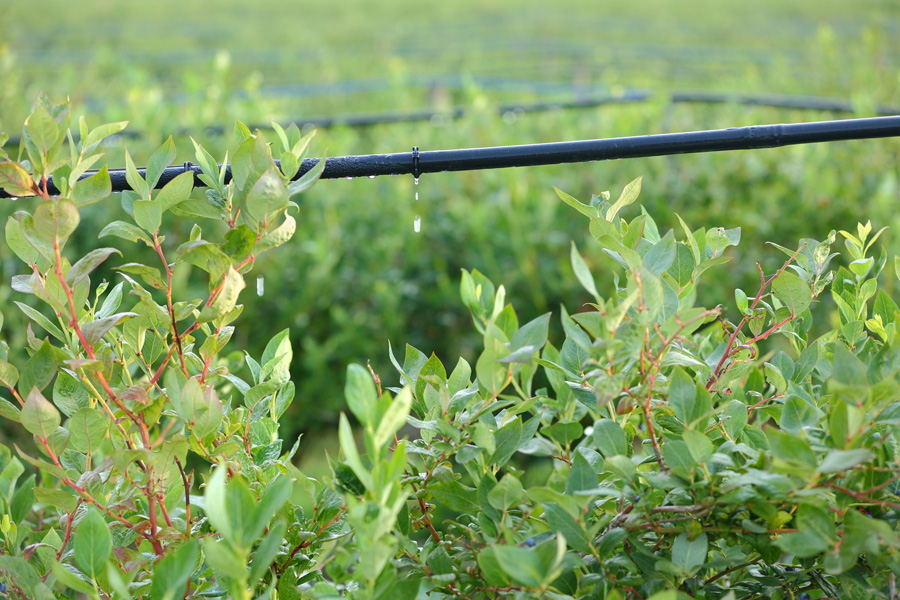
This circular is a review of water quality standards, calculations, and recommendations for water that will be used for irrigation of blueberries.
|
-
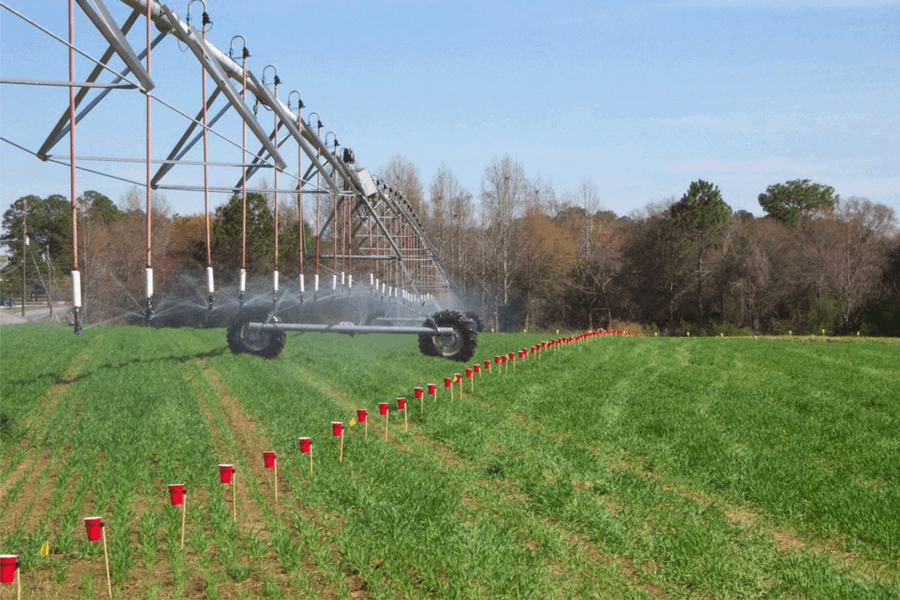
With rising fuel prices it is increasingly important that irrigation systems apply water uniformly in order to achieve maximum benefit from the water applied. The uniformity of water application under a center pivot is determined by setting out cans or rain gauges along the length of the pivot, bringing the irrigation system up to proper operating pressure, and letting the system pass over them.
|
-
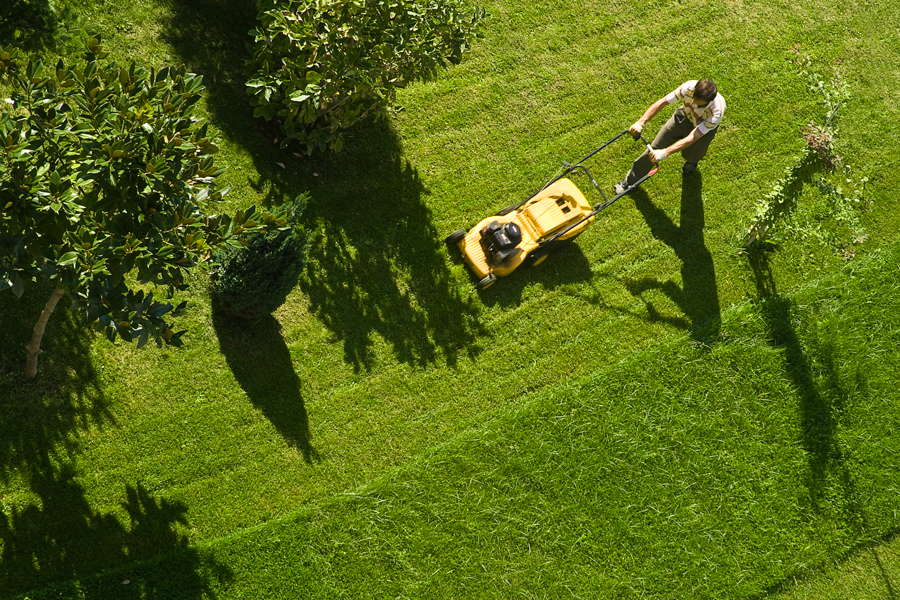
This publication covers routine maintenance and troubleshooting for common motorized equipment (small engine) that is used by small farmers and gardeners. Gardening and landscape equipment can be an expensive investment for both consumers and professionals. However, quality equipment can last a lifetime when cared for properly. Typically, you get what you pay for when it comes to equipment. Higher quality equipment certainly costs more upfront, but usually has fewer problems and will tend to outlast bargain-type tools. With name-brand equipment, parts also tend to be
more readily available. We recommend that you purchase the best equipment you can afford and learn how to take proper care of your equipment to protect your investment. For the garden and landscape, motorized equipment can include everything from a string trimmer to a full-size garden tractor. Most garden equipment is powered by either a two-cycle or four-cycle engine. Two-cycle motors mostly are found on smaller handheld equipment, such as chainsaws, tillers, and trimmers. Four-cycle motors typically are found on larger equipment such as lawnmowers, tillers, and garden tractors, which have separate reservoirs for their gas and engine oil. When properly maintained, both types of motors are quite reliable. Sometimes, very basic issues may keep motors from functioning well. All motors require three basic things to run properly: fuel, fire, and air. If any one or more of these three elements is lacking, the engine will either run poorly or not run at all.|