UGA College of Agricultural & Environmental Sciences Field Report
  • Stories
    Almanac

    Science in service of humanity and the environment

    Read our annual magazine here

    READ


    Dive into engaging stories that showcase our statewide, national and global impact.

    Check out our written stories here

    LOOK


    Browse curated photo galleries capturing the people, places and programs that bring CAES to life.

    Check out our photo galleries here

    WATCH


    Experience our stories through videos that highlight our people, projects and passions in action.

    Check out our video library here

    LISTEN


    Tune in to “Cultivating Curiosity,” our podcast featuring in-depth conversations with CAES experts.

    Check out our podcast here
  • Expert Resources

    Expert Resources


    From farms and gardens to families and finances, our expert resources empower Georgians with trustworthy, practical science.

    Gardening
    Invasive species
    Food and food safety
    Ants, termites and other pests
    Pollinators
    Livestock
    Emergency preparedness
    Home safety and maintenance
    Health, family and finances
    Nutrition
    Water quality
    Lawn maintenance and landscaping
    Turfgrass
    View all topics

    What is an Expert Resource?


    We publish unbiased, research-backed expert advice to empower Georgians with practical, trustworthy information they can trust.

    These resources are written and reviewed by experts in the UGA College of Agricultural and Environmental Sciences and the UGA College of Family and Consumer Sciences.

    Learn how we produce science you can trust
  • Events
  • Contact
  • Read
  • Look
  • Watch
  • Listen
Subscribe
  • LinkedIn
  • Facebook
  • Instagram
  • Stories
    Almanac

    Science in service of humanity and the environment

    Read our annual magazine here

    READ


    Dive into engaging stories that showcase our statewide, national and global impact.

    Check out our written stories here

    LOOK


    Browse curated photo galleries capturing the people, places and programs that bring CAES to life.

    Check out our photo galleries here

    WATCH


    Experience our stories through videos that highlight our people, projects and passions in action.

    Check out our video library here

    LISTEN


    Tune in to “Cultivating Curiosity,” our podcast featuring in-depth conversations with CAES experts.

    Check out our podcast here
  • Expert Resources

    Expert Resources


    From farms and gardens to families and finances, our expert resources empower Georgians with trustworthy, practical science.

    Gardening
    Invasive species
    Food and food safety
    Ants, termites and other pests
    Pollinators
    Livestock
    Emergency preparedness
    Home safety and maintenance
    Health, family and finances
    Nutrition
    Water quality
    Lawn maintenance and landscaping
    Turfgrass
    View all topics

    What is an Expert Resource?


    We publish unbiased, research-backed expert advice to empower Georgians with practical, trustworthy information they can trust.

    These resources are written and reviewed by experts in the UGA College of Agricultural and Environmental Sciences and the UGA College of Family and Consumer Sciences.

    Learn how we produce science you can trust
  • Events
  • Contact
  • Read
  • Look
  • Watch
  • Listen
Subscribe
  • LinkedIn
  • Facebook
  • Instagram
Subscribe
  • LinkedIn
  • Facebook
  • Instagram
  1. Home
  2. Expert Resources
  3. Topics
  4. Home

Home Resources

Use the Advanced Search
  • A woman sitting at a table drinks a glass of water with a laptop open and papers on the table in front of her

    B 1441

    Drinking Water: Interpretation and Recommendations

    An estimated 1.7 million people in Georgia rely on 640,000 private wells for their drinking water supply, and private well water users are responsible for ensuring the quality and safety of their water supplies for domestic, livestock, and irrigation use. This online tool provides interpretations and recommendations for drinking water quality.

    Uttam K. Saha

    |

    June 26, 2026
  • a woman has an unpleasant look on her face as she looks at dirty water in a glass

    B 1457

    Iron (Manganese) and Sulfur Bacteria in Your Well Water

    Bacteria in your drinking water supply do not necessarily pose a health hazard, but they can be a nuisance. The two most common types of nuisance bacteria are iron (manganese) and sulfur bacteria. Iron bacteria are generally more common than sulfur bacteria because large amounts of iron can be present in ground water. You can typically confirm the presence of iron bacteria through visual inspection. The unmistakable “rotten egg” odor of hydrogen sulfide gas is the most obvious sign of a sulfur bacteria problem. This resource includes some simple preventive measures as well as control and treatment options.

    Uttam K. Saha, John D. Parks, and Jason Lessl

    |

    June 17, 2026
  • a piggy bank with a white house on top against a blue background

    C 1041-6-SP

    La vivienda: Su mayor prioridad: Cuando disminuyen sus ingresos

    Cuando sus ingresos disminuyen o no alcanzan a cubrir sus gastos como antes, la planificación cuidadosa puede ayudarle a evitar el desalojo de su unidad de alquiler o la pérdida de su hogar.

    Ines Beltran and Andrea Scarrow

    |

    June 12, 2026
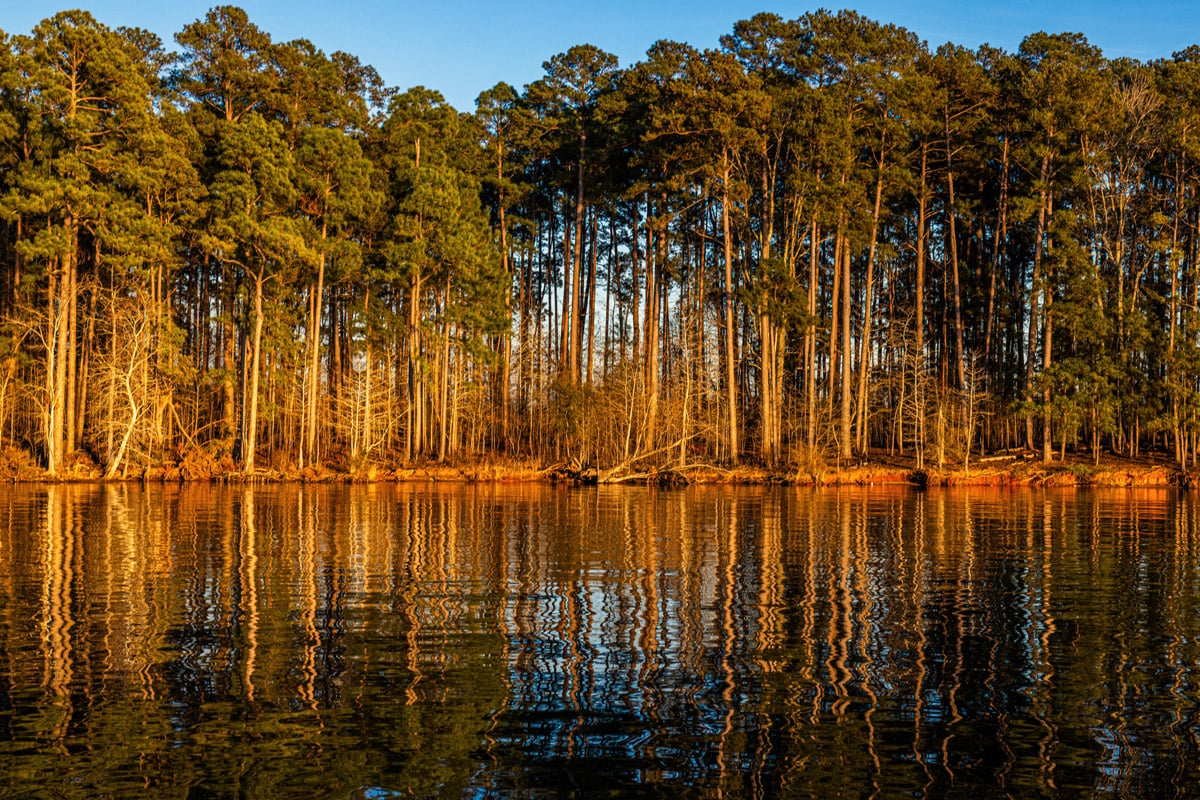
  • pine trees lit by a warm glowing low-angle sun are reflected on the surface of a lake

    TP 121

    Understanding How Data Centers Impact Surface and Ground Waters

    This resource addresses some general concerns and questions about how data center operations could alter water availability and affect the quality of our shared surface water, underground water, and public water systems. The extensive demands for cloud storage, streaming services, and artificial intelligence (AI) in today’s digital economy has sparked a massive boom in the establishment of data centers. Although the concerns and public discussion around this are primarily focused on the huge electricity demands of the data centers, they also have a significant localized impact on our water resources.

    Uttam K. Saha

    |

    June 10, 2026
  • Running water in the clean kitchen sink

    B 1487

    Water Disinfection Methods and Devices

    Pathogens in household waters pose a serious threat to human health. The CDC has recorded many drinking water microbial-associated disease outbreaks in the U.S., causing illness, hospitalization, and even death. To protect human health, disinfection is considered important in most water treatment systems. This publication provides necessary information on the various disinfection options for household water as well as important points to consider before buying disinfection equipment.

    Uttam K. Saha, Gary L. Hawkins, and Keith Mickler

    |

    May 12, 2026
  • C 858-3

    Home Water Quality and Treatment

    The quality of your water supply can have both an immediate and a prolonged effect on the health of your household. Many Americans, especially those dependent upon well water, assume that their water is safe and healthy. Unfortunately, this is not always the case. This publication contains basic information about home water quality and treatment.

    Uttam K. Saha

    |

    May 8, 2026
  • C 858-2

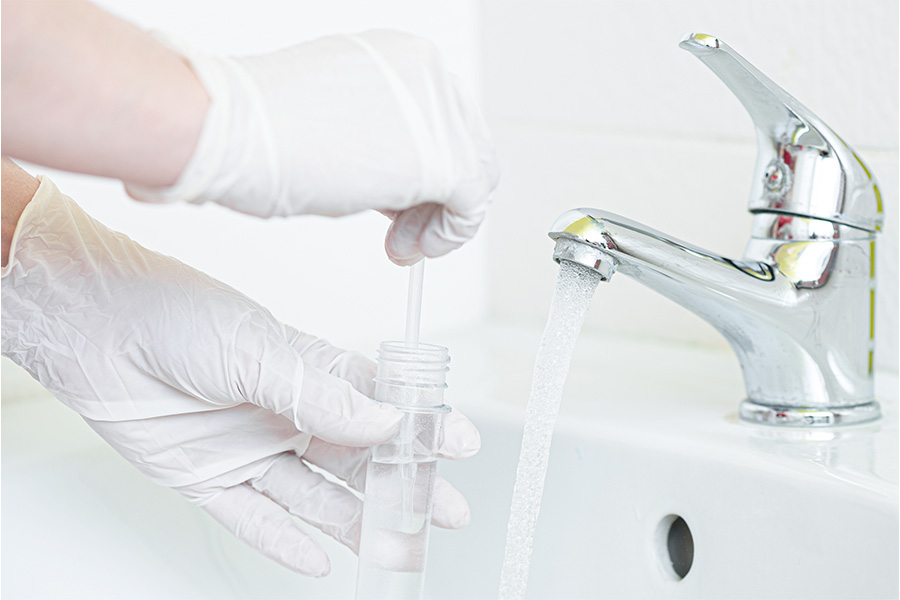
    Testing for Water Quality

    The quality and safety of drinking water is of great concern to many Americans today because of an increased interest in health and environmental quality. This new focus on water quality has led many Americans to consider testing their water. This publication is intended to help you understand water testing and to identify the tests needed.

    Uttam K. Saha

    |

    May 7, 2026
  • C 858-1

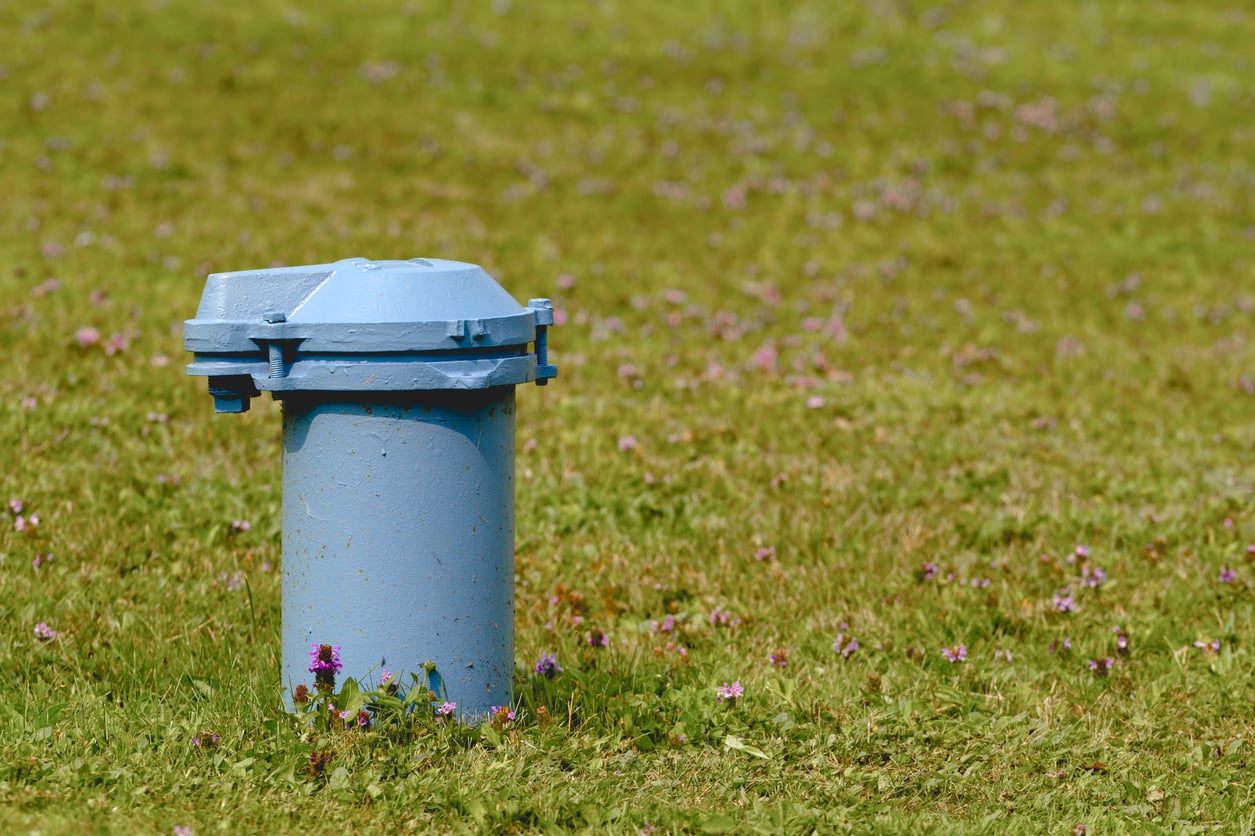
    Protecting Your Well and Wellhead

    If you are one of the many Americans who use groundwater for drinking,
    the proper protection of your well and wellhead is essential for the health of your family, yourself and your neighbors. This publication contains information about protecting your well and wellhead from contaminants.

    Uttam K. Saha

    |

    May 7, 2026
  • C 858-14

    Uranium in Your Water

    Uranium in your drinking water may be harmful to your health. If your water comes from a public system, it is routinely tested to ensure safe levels of uranium. If your source of household water is a private well, cistern or spring, you are solely responsible for the quality of your own drinking water. Private well owners are encouraged to monitor uranium through water testing.

    Uttam K. Saha

    |

    May 4, 2026
Previous Page
1 2 3 4 … 12
Next Page

About CAES

CAES Home

Overview

History

Administration

Jobs

Personnel Directory

Privacy Policy

Accessibility Policy

AI Guidelines

Affiliations

UGA Cooperative Extension

Tifton Campus

Griffin Campus

University of Georgia
  • Schools and Colleges
  • Directory
  • MyUGA
  • Employment Opportunities
  • Copyright and Trademarks
  • UGA Privacy Policy
  • Report an Accessibility Barrier
  • Submit a Student Complaint
#UGA on
© University of Georgia, Athens, GA 30602
706‑542‑3000