Irrigation Resources
-

This presentation for lawn care operators and professionals in Georgia’s green industry at the Turfgrass Research Field Day covers the setup and operation of Toro and Rain Bird irrigation systems.
|
-
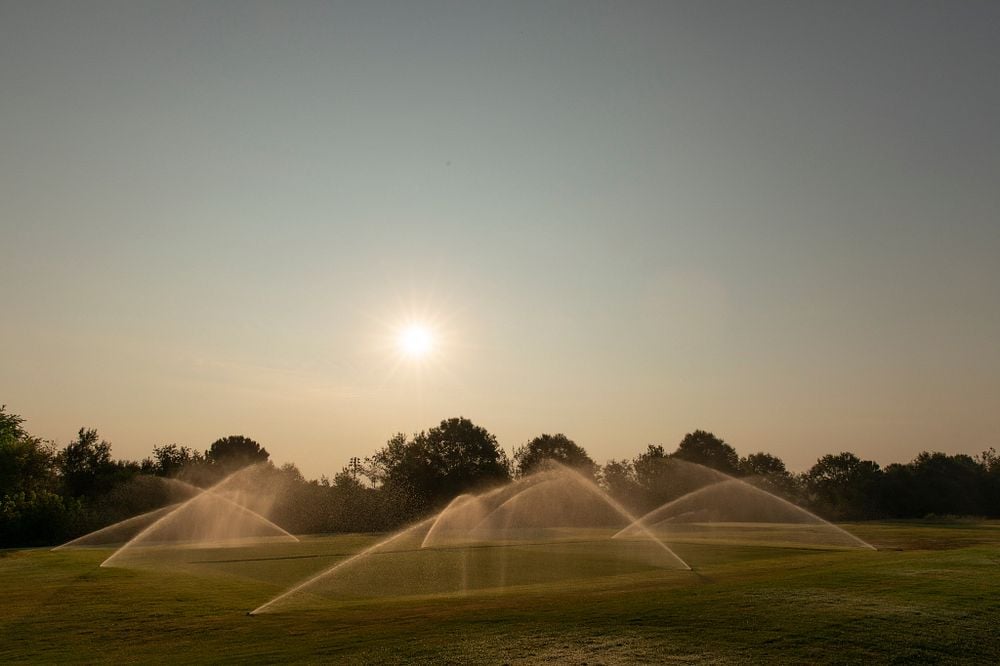
This presentation for home gardeners at the Turfgrass Research Field Day covers practical irrigation practices for the home landscape using Toro and Rain Bird irrigation technologies.
|
-

Frost protection systems tremendously benefit commercial blueberry production in Georgia. These systems are expensive and usually configured as overhead irrigation systems. For the system to provide protection, it must operate as soon as it’s needed. The best practice for maintaining a frost protection system is to perform preventative maintenance service every late fall or early winter. This publication offers blueberry growers suggestions on how to prepare their frost protection systems for future operation. Recommendations include a check-off list for maintenance and inspection of overhead irrigation systems, important considerations when preparing for freeze events.
|
-
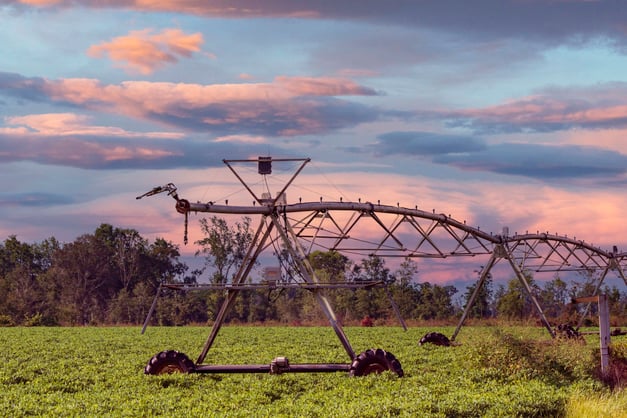
The main objective of this fact sheet is to provide a checklist of what is needed to properly prepare a center pivot or lateral irrigation system for the production season. All of the topics covered apply to both pivot and lateral irrigation systems, but for brevity, only center pivots will be referenced. By using the items in this fact sheet as a guideline for preventative maintenance, most breakdowns during the growing season should be avoided.
|
-
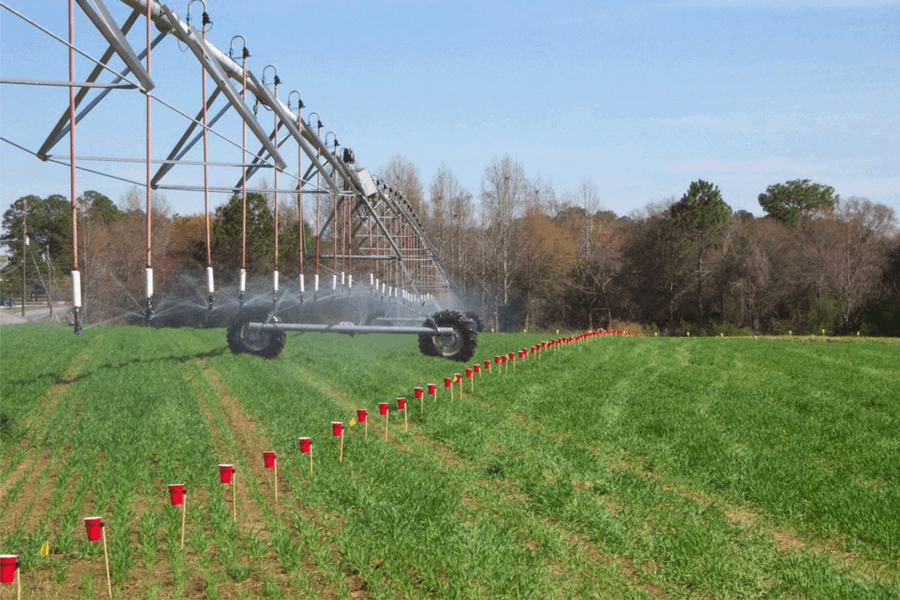
With rising fuel prices it is increasingly important that irrigation systems apply water uniformly in order to achieve maximum benefit from the water applied. The uniformity of water application under a center pivot is determined by setting out cans or rain gauges along the length of the pivot, bringing the irrigation system up to proper operating pressure, and letting the system pass over them.
|
-

With growing demands for water that is suitable for drinking (potable) and expanding irrigated acreage, there is an increased pressure on irrigated farms to consider using nonpotable alternatives. However, low quality irrigation water can adversely affect soil physical conditions and crop production. This resource provides in-depth information on the importance of irrigation water quality, water quality attributes, salts content, toxicity and the sources of toxic components, and bacteria in water sources.
|
-
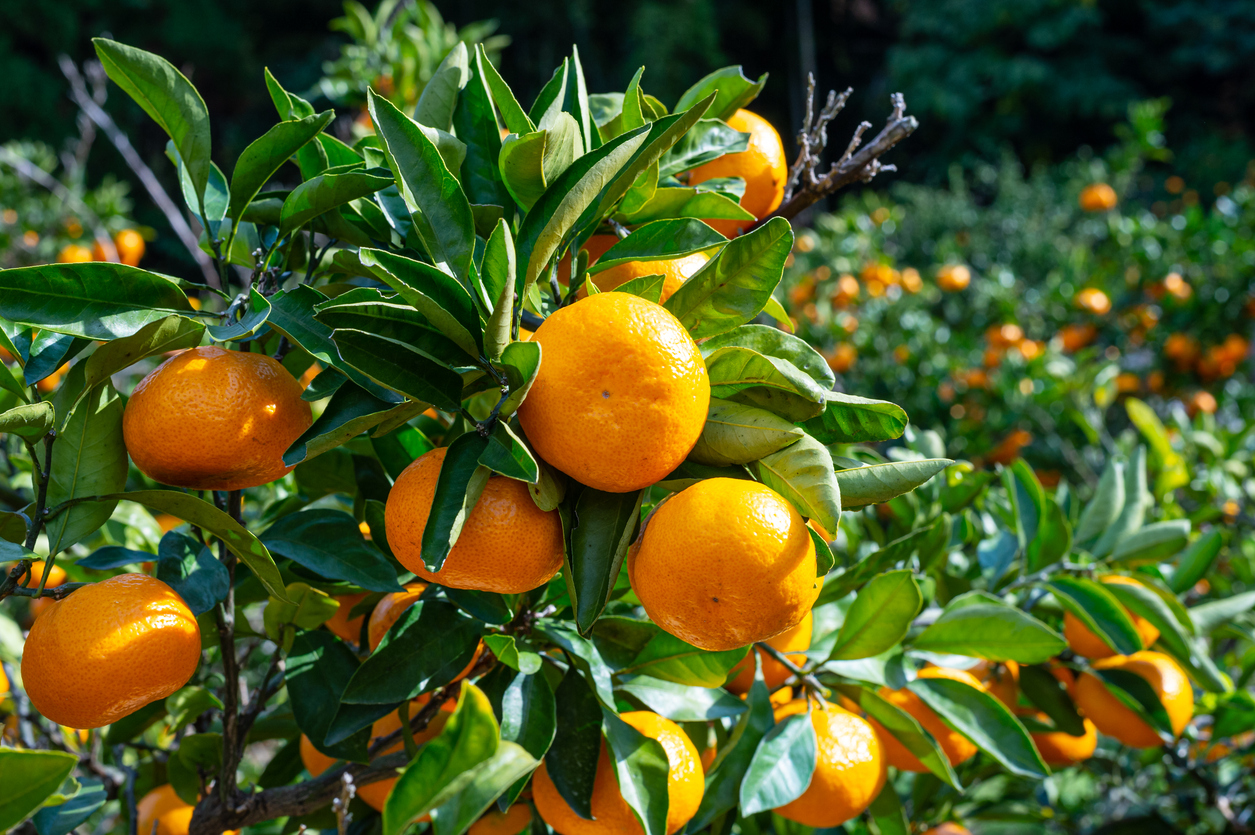
This resource provides citrus growers in Georgia with an overview of how different types of freeze events damage citrus trees, and both passive and active protection methods to protect citrus trees during freezes. Recovery from freeze events also is covered.
|
-

C 1331-01
The Bucket Method
This publication describes the Bucket Method and how someone would use this method to measure the streamflow in a stream, creek, or river to be used in developing a Low Flow Plan required for a agricultural withdrawal permit. Part of the Stream Flow Measurements series.
|
-
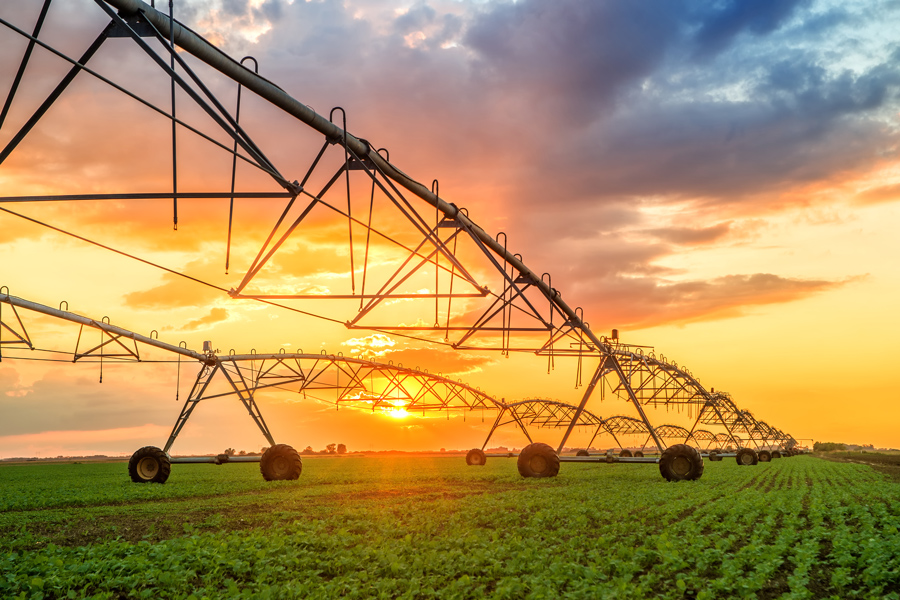
Crop water requirements are not static during the growing season. They vary with crop growth stages and environmental conditions. Advanced irrigation scheduling tools use data collected from or near the field where crops are growing to provide timely information on how much water crops need and when they need it, and generally result in optimizing irrigation water use.
|