UGA Extension Resources
-
B 1428-1
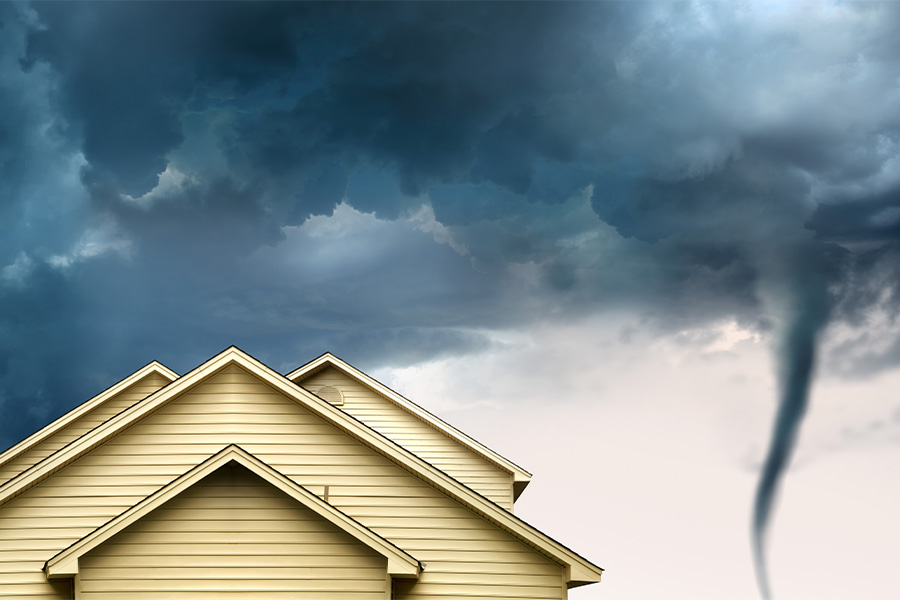
Building a Home Emergency Kit
This is a basic list of supplies you should have ready for emergencies. Keep the items you will most likely need during an evacuation in an easy-to-carry, waterproof container. Be mindful that this is a basic list of supplies. A more comprehensive list can be found in the Home Emergency Management Guide.
|
-

This report provides research and extension results for trials conducted by the University of Georgia Vegetable Team and its collaborators in the 2024-2025 growing season. The goal of this project was to find potential ways to manage wild radish in seeded greens such as mustard, turnips, collards, and others. Wild radish, a member of the mustard family, has historically been recognized as a winter annual weed mainly infesting winter crops grown across the Southeast. Contributing authors include county and regional faculty as well as specialists from UGA’s horticulture, plant pathology, crop and soil sciences, and entomology departments. All research has been supported by the Georgia Commodity Commission for Vegetables.
|
-
This report provides research and extension results for trials conducted by the University of Georgia Vegetable Team and its collaborators in the 2024-2025 growing season. Pepper weevil is a key insect pest of peppers; in Georgia, overwintering monitoring of weevil populations has demonstrated that pepper weevil now overwinters throughout southern Georgia, including all of our primary pepper production areas. Contributing authors include county and regional faculty as well as specialists from UGA’s horticulture, plant pathology, crop and soil sciences, and entomology departments. All research has been supported by the Georgia Commodity Commission for Vegetables.
|
-
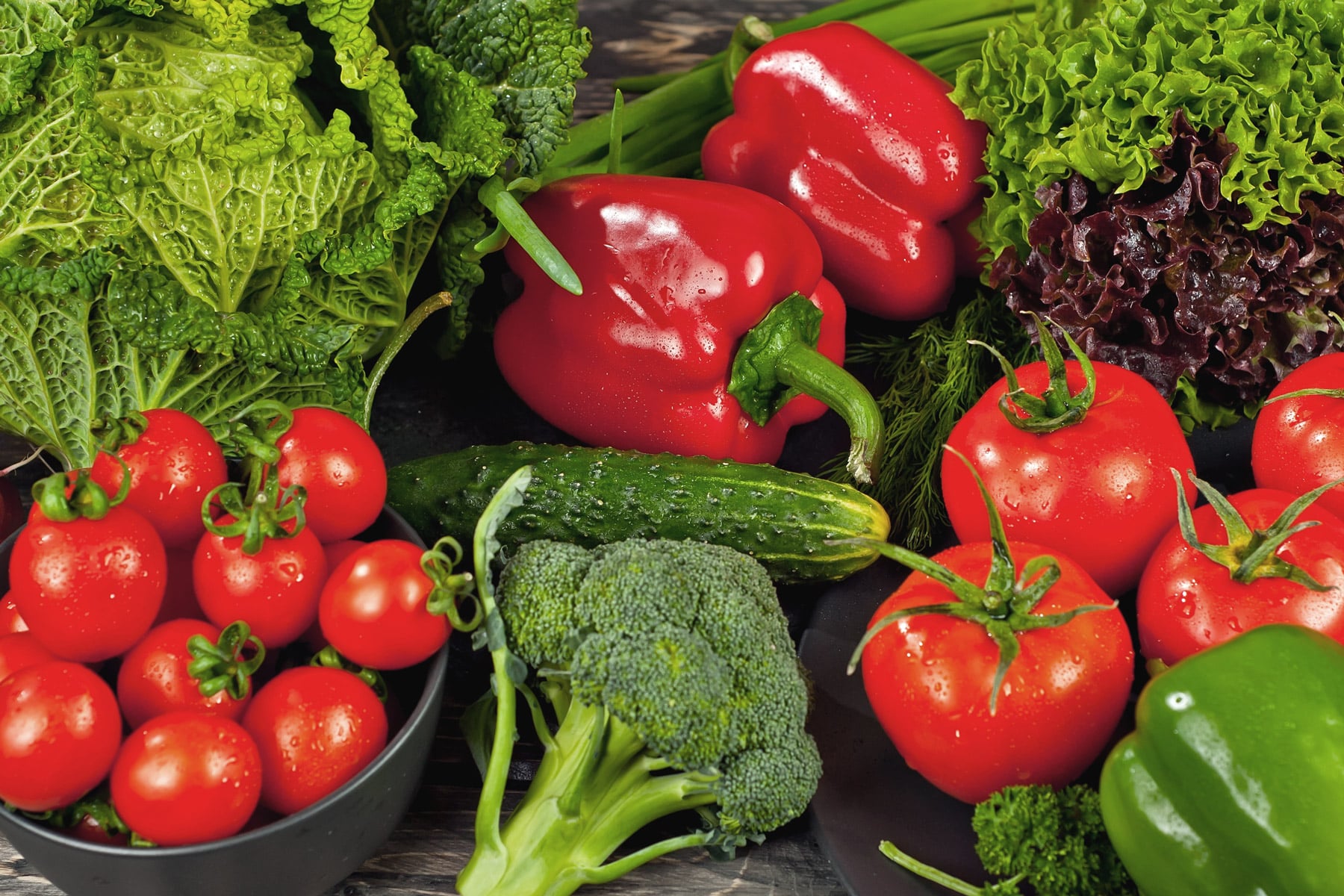
This report provides research and extension results for trials conducted by the University of Georgia Vegetable Team and its collaborators in the 2024-2025 growing season. Contributing authors include county and regional faculty as well as specialists from UGA’s horticulture, plant pathology, crop and soil sciences, and entomology departments. All research has been supported by the Georgia Commodity Commission for Vegetables.
|
-
AP 117-5-11
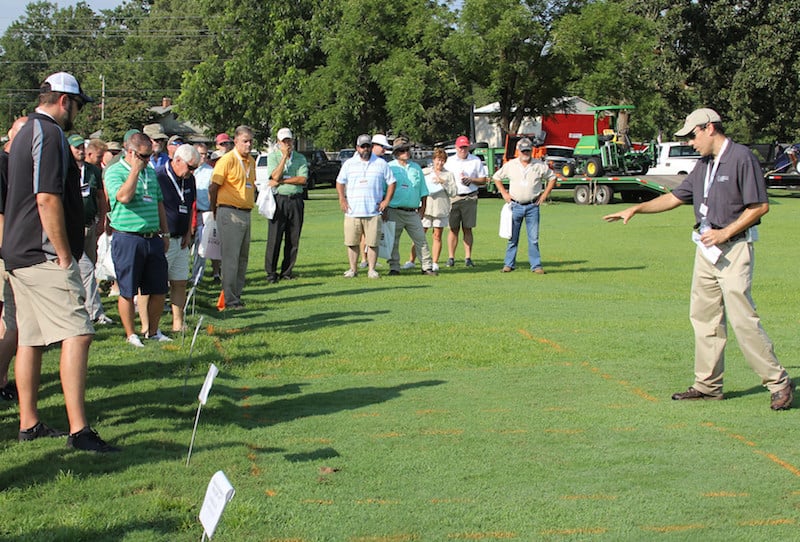
Summer Weed Control and Identification
At this stop on the Turfgrass Research Field Day tour, participants will learn how to identify the most common summer weeds found in home lawns and landscapes and discover practical strategies for controlling them.
|
-

The field is a complex environment with many factors that can interact to influence the growth of a corn plant. These factors can be living in the form of insects, diseases, nematodes and weeds; or, they can be non-living such as weather, nutrients or chemicals. In the proper combination of factors, corn can produce more than 200 bushels per acre in the Southeast; or in a totally unfavorable combination, every corn plant can die. When a problem is identified, it is important to determine the extent and severity of the problem to decide whether corrective measures are necessary or available. Use this guide and other technical information before implementing any management decision.
|
-

This resource offers practical guidance for creating pollinator-friendly habitats on balconies, porches, or patios using potted plants. Designed for those with limited outdoor space, it covers choosing the right containers, selecting native and pollinator-attracting plants, and providing essential resources like water and shelter. Readers will learn how to support bees, butterflies, and other pollinators with seasonal blooms, proper placement, and maintenance tips.
|
-
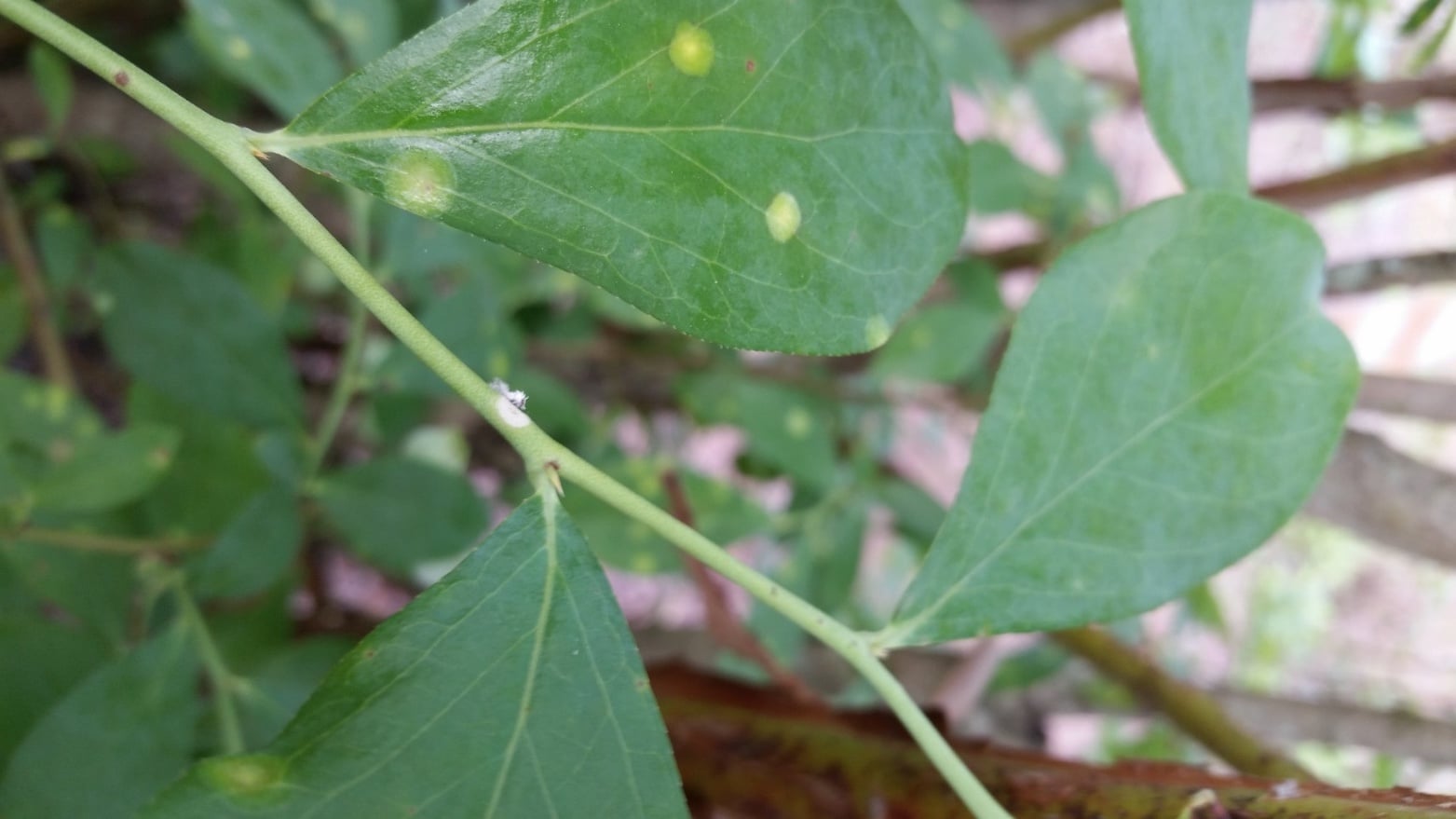
Exobasidium leaf and fruit spot, caused by the fungus Exobasidium maculosum, is an emerging disease affecting both southern highbush and rabbiteye blueberries. In addition to direct yield loss due to fruit drop, lesions on remaining fruit compromise the aesthetic qualities of the fruit as well as the taste, rendering them unmarketable. This circular provides the most current knowledge of this important pathogen/disease of blueberry and its management.
|
-

C 1041-1-SP
Seguir adelante: Cuando sus ingresos disminuyen
Sobrevivir a la economía puede ser un desafío y mucho más cuando no hay dinero. En esta publicación le presentamos y explicamos las claves para sobrevivir a la economía: piense de manera positiva, examine las posibilidades, y establezca un plan.
|