


Introduction
Insects continue to represent significant threats to the production of most, if not all, of our vegetable crops. While multiple approaches are used to manage insect pests, insecticides remain a key component for rapid response when pest populations exceed acceptable levels.
This reliance on insecticides can lead to selection for resistance, which threatens successful pest management. Thus, there is a need for continual monitoring of the efficacy of current insecticides. This can ensure adequate control and evaluation of new insecticides, identifying strengths and weaknesses to utilize these products best.
Materials and Methods
The efficacy of currently labeled new insecticides was evaluated against key pests of various vegetable crops. In some cases, this was done with replicated small plot field trials in which insecticide applications were made to the crop in the field and insect populations were monitored within these treated plots.
In other cases, efficacy was evaluated in laboratory bioassays. The bioassays generally consisted of collecting insects from the field and exposing them to treated plant material. The bioassays generally used a maximum field rate, equivalent to applying 100 gpa. The plant material was dipped in this solution, allowed to dry, and the insects were then introduced.
Results
Efficacy Against Thrips
Two small plot field trials were conducted in 2025. Results for the Tifton trial are presented. Radiant (grower standard) provided good control with no obvious indication of resistance. ISM-555 (currently labeled as Incipio) provided control equal to the grower’s standard.
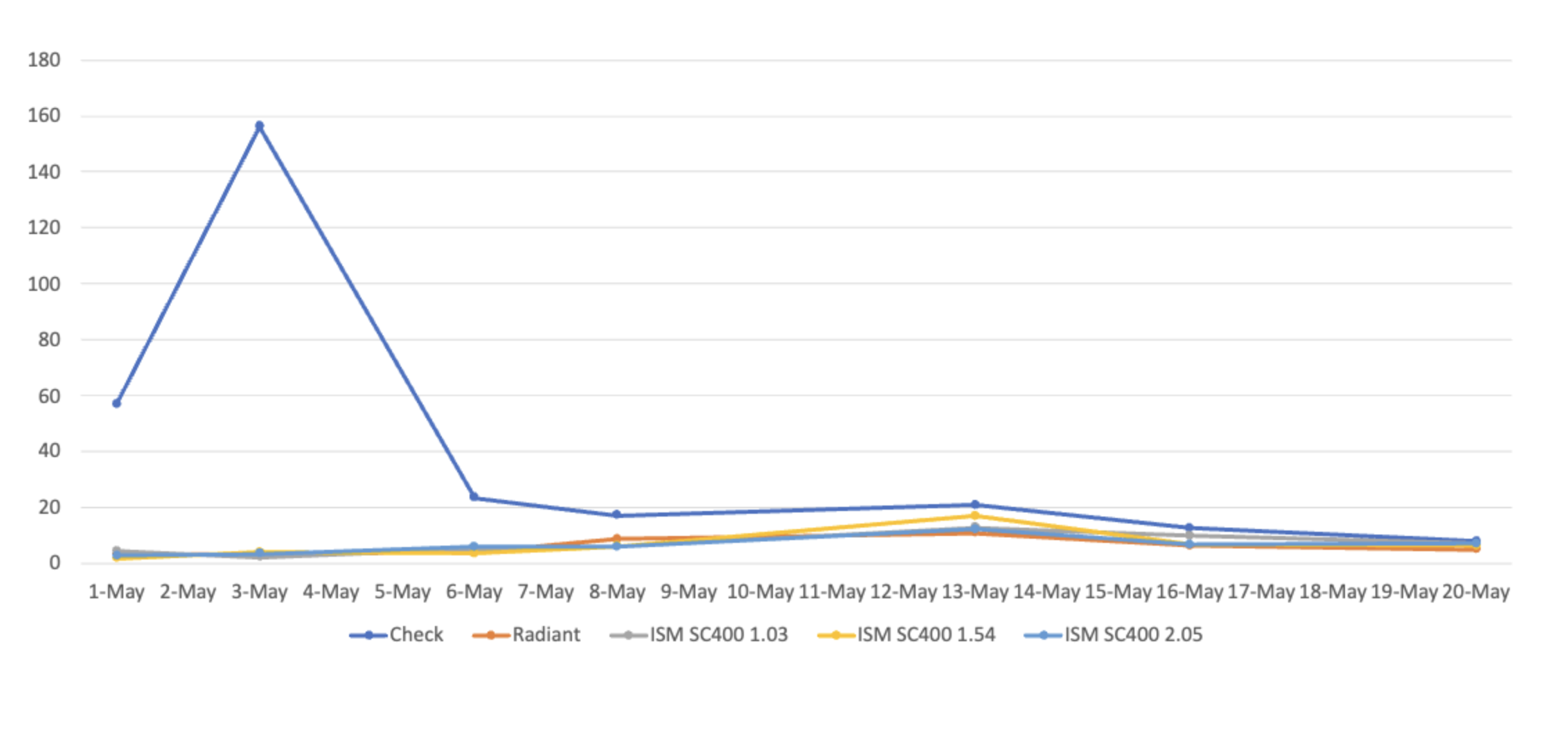
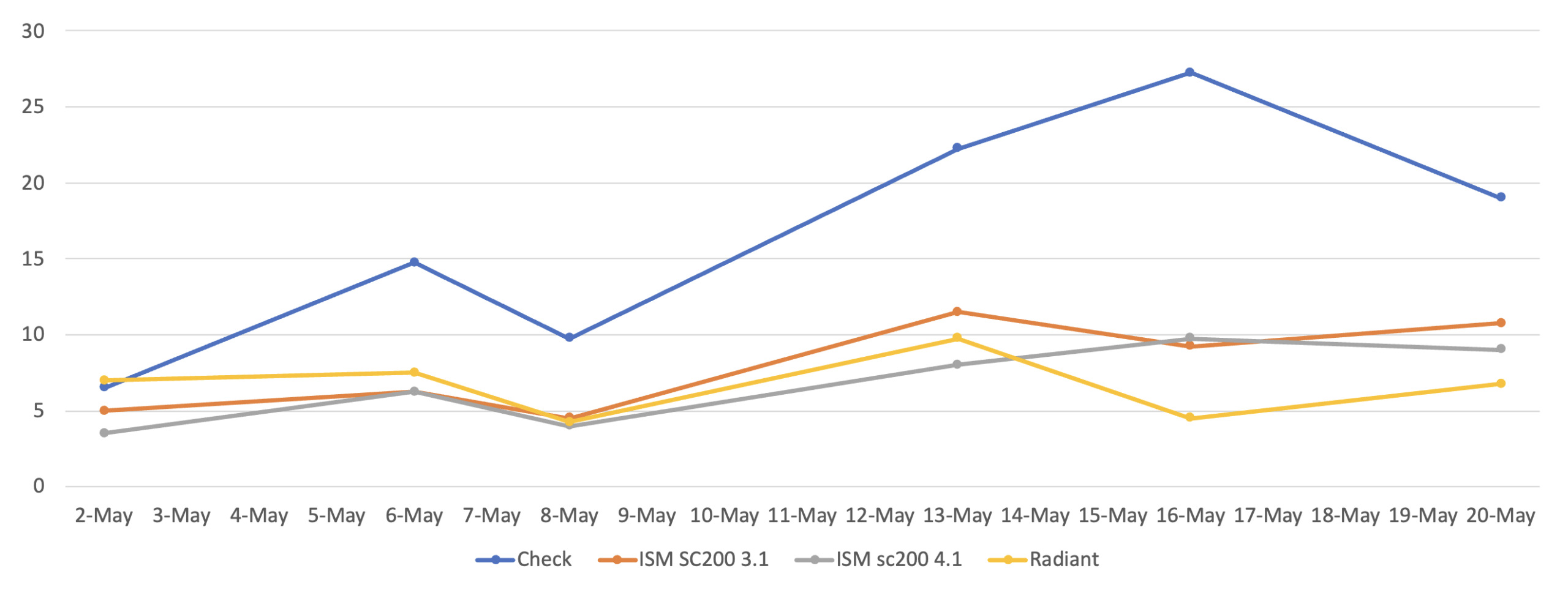
Figure 1. Thrips Densities by Treatment, Small Plot Efficacy Trial at the University of Georgia Tifton Campus. The graph on the left shows treatments compared to the non-treated control. The graph on the right shows the data without the control to emphasize insecticide comparisons.
Efficacy/Resistance in Diamondback Moth
Diamondback moth (DBM) populations were relatively low in 2024, and a single bioassay was conducted late in the year with larvae collected from Grady County. Eight currently labeled insecticides and one new insecticide were evaluated.
Mortality with labeled products was below 50% for all except Proclaim (50%) and Torac (70%). This level of resistance is not uncommon and varies greatly from field to field. Of greatest interest is the very good activity (90% mortality) detected with ISM-555. A replicated small plot field trial (data not presented) also showed excellent efficacy of ISM-555 against DBM, imported cabbageworm, and loopers.
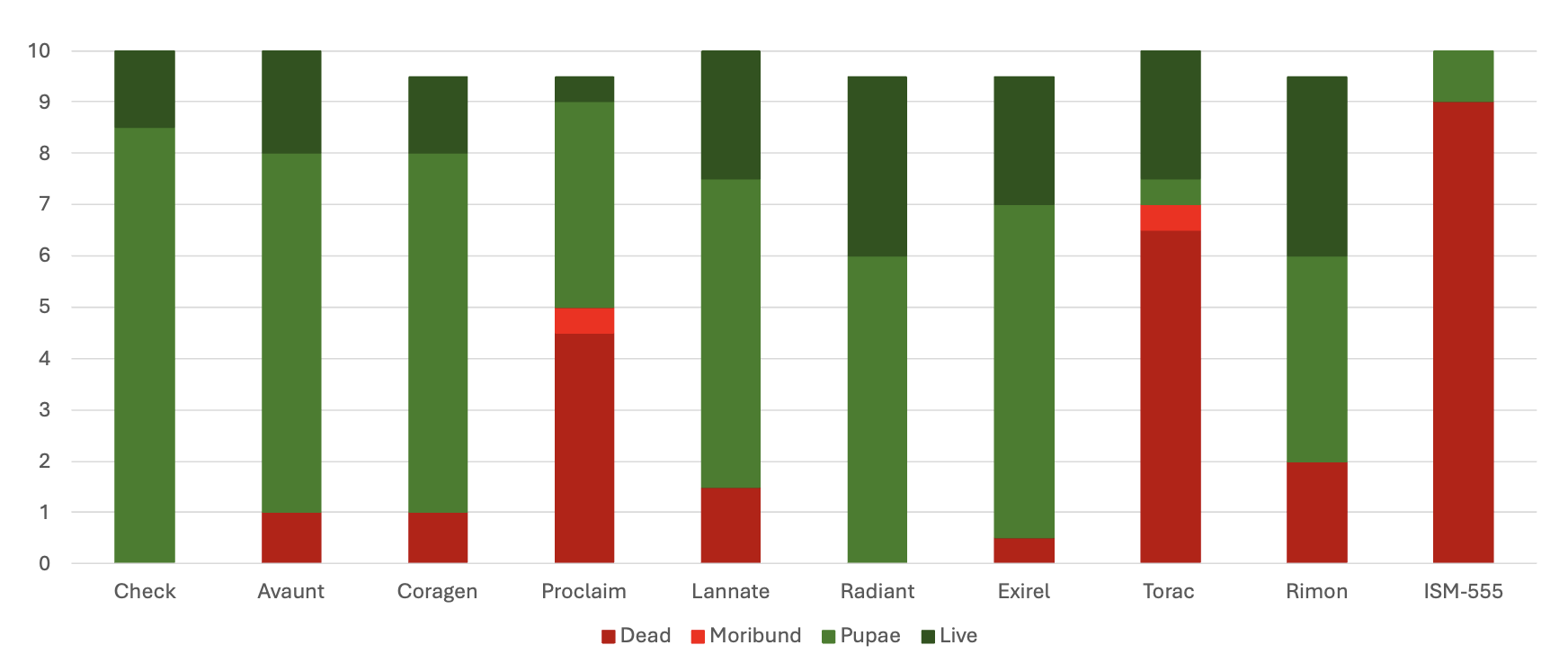
Figure 2. Diamondback Moth Bioassay, Grady County, 2024. Data show 72-hr mortality; pupation at 48 hr was low.
Potential Replacements for Chlorpyrifos in Sweet Potatoes
A small plot-replicated field trial was conducted to evaluate preplant application of soil-applied insecticides for managing root-damaging pests in sweet potatoes. Insecticides tested were applied preplant incorporated (PPI), and all plots (including the check) received a side-dress application of bifenthrin. Both Nurizma and ISM-555 reduced the number of holes in roots, increasing the number of nondamaged roots.
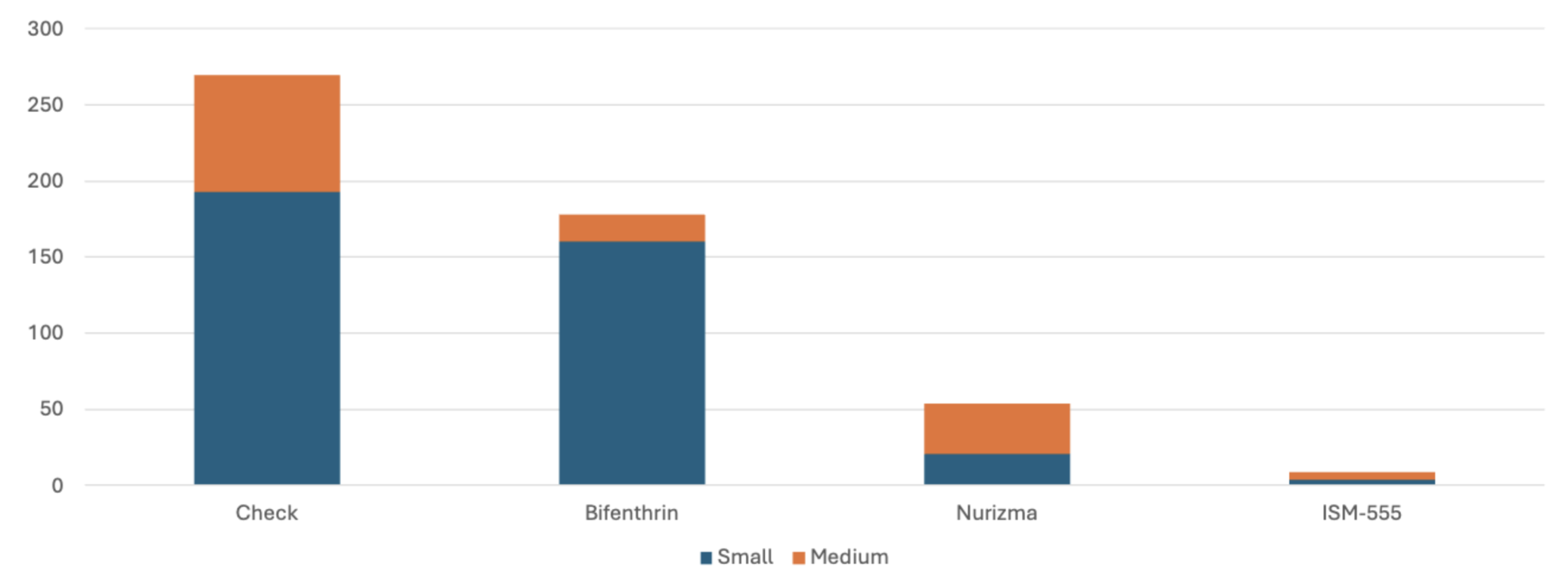
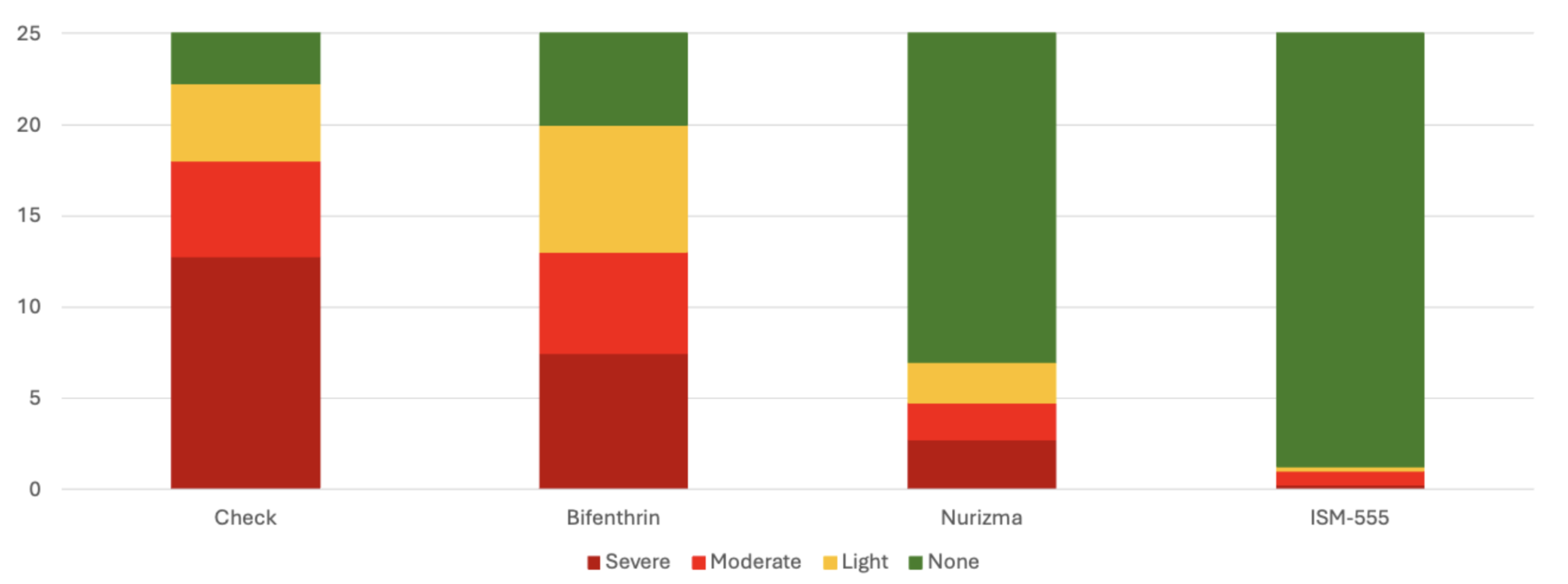
Figure 3. Sweet Potato Soil Insecticide Efficacy, 2024. Data in first chart show holes per 25 roots; data in second chart shows root damage ratings.
Insecticide Resistance in Corn Earworm
Corn earworm (CEW) larvae were collected from nontreated sweet corn plots and exposed to insecticides in laboratory bioassays to evaluate potential resistance to pyrethroid insecticides. Nine collections and bioassays were made in 2024.
Survival of a susceptible population would be expected to approach zero at the 0.5X rate and be at or very near zero at the 1X and 2X rates. In general, survival exceeded 50% in the 0.5X rate and averaged around 25%–30% in the 1X and 2X rates. These data suggest widespread severe pyrethroid resistance (eight of the nine populations with excessive survival even at the 2X rate) in corn earworm in Georgia.
Two populations tested late in the year also showed potential resistance to Group 28 insecticides developing, with survival of about 20% in both the 0.5X and 1X rates of Coragen (data not shown).
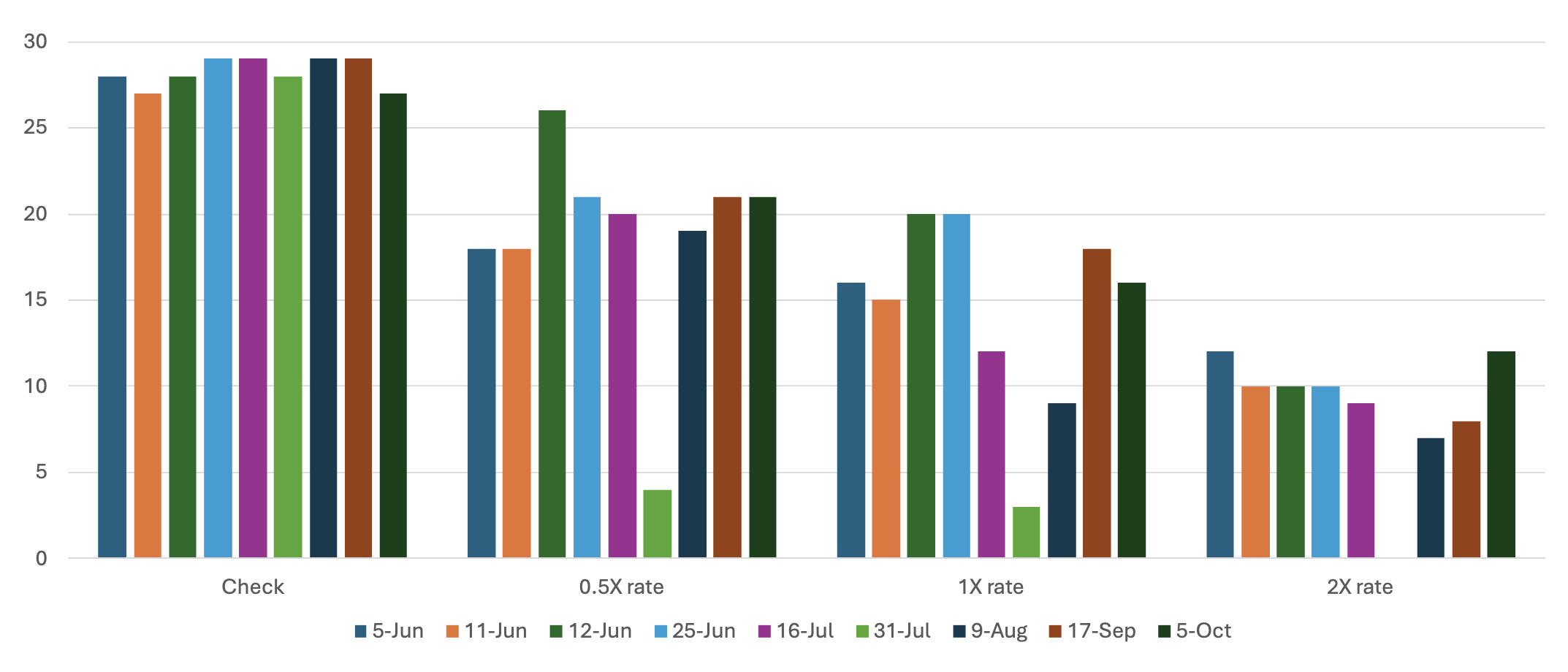
Figure 5. Corn Earworm (CEW) Bioassays, 2024. Data show 72-hr survival. Collection from Miller County was made on June 12; collection from Plains, Georgia, was on July 31.
Conclusions
Field trials and bioassays provided continued indications that registration of ISM-555 (Incipio) will provide a new tool for management of multiple key pests of several vegetable crops, including thrips across multiple crops, pepper weevil in pepper, and diamondback moth in brassica crops. This insecticide also represents a new mode of action, which is critical in resistance management. Bioassays also revealed continued issues with insecticide resistance in diamondback moth, pyrethroid resistance in corn earworm, and potential emergence of Group 28 resistance in corn earworm.