

Introduction
Our research since 2010 has focused on monitoring and evaluating management tactics for whitefly-transmitted viruses, including host resistance (when available), cultural and chemical management tactics, developing risk mitigation packages (indices), and making them readily available to growers for implementation.
One such package has already been developed for tomato yellow leaf curl virus (TYLCV) in tomatoes. The aim of this research includes monitoring whitefly populations and the virus complex, and characterizing host resistance to whiteflies and/or viruses in squash and snap beans. It also includes laying a foundation for the futuristic management of whiteflies and viruses.
Materials and Methods
Monitoring was primarily conducted with next-generation sequencing and with immunostrips. For the squash experiments, cucurbit leaf crumple virus (CuLCrV), cucurbit yellow stunting disorder virus (CYSDV), and cucurbit chlorotic yellows virus (CCYV) were maintained in a commercial squash variety, ‘Gold Star Hybrid’, through repeated whitefly inoculations. The whitefly colony was maintained on cotton plants because cotton is not a host of the viruses evaluated. The squash materials were tested for single and mixed infection using established protocols.
For the snap bean experiments, two viruses were tested both individually and via mixed infection: SiGMV was maintained in prickly sida plants, and CuLCrV was maintained in summer squash. The snap bean germplasm and other materials were tested for single and mixed infection of these two viruses using established protocols. Mixed-infection work with tomatoes, squash, and snap beans was conducted with established protocols in the laboratory.
To identify virus-interacting proteins in whiteflies, an initial yeast-two-hybrid (Y2H) screen was used. Once proteins were identified, their interactions were characterized using a series of in vivo and in vitro techniques standardized in the laboratory. They are elaborated in our recent publication. This work was conducted with partners in Israel. This year, two additional whitefly proteins were evaluated. Details are included in the section below.
Results
Monitoring
In 2025, we conducted extensive monitoring by sampling crops such as tomatoes, peppers, eggplants, and okra through next-generation sequencing using the Illumina platform. The results revealed no new whitefly-transmitted viruses in these crops.
However, the results reiterated that the viruses introduced since the introduction of the B cryptic species sweet potato whitefly have become endemic to Georgia. The virus list includes CuLCrV; CYSDV; CCYV; TYLCV; tomato chlorosis virus (ToCV); and sida golden mosaic virus (SiGMV). In addition, mixed infection of viruses in squash (yellow and zucchini), snap beans, and tomatoes remained a concern. Virus symptom severity and yield losses often are exacerbated in the presence of mixed infection. Mixed infection has been documented in squash (CYSDV, CCYV, and CuLCrV) and in snap beans (CuLCrV and SiGMV).
The whitefly virome was also sequenced in 2024 and 2025. The virome revealed the same portfolio of plant viruses. In addition, it revealed the presence of additional animal-infecting viruses (at least in two families). The relevance of these viruses is being examined.
Tomato Brown Rugose Fruit Virus in Georgia
The presence of tomato brown rugose fruit virus (ToBRFV) was tested in seedlings, open fields, and cull piles in Tift County, Lowndes County, and others from grocery stores (mostly in imported fruits) using antibody-coated immunostrips. Results did not indicate the presence of ToBRFV.
Characterizing Host Resistance
There is a considerable lack of reliable host resistance against many whitefly-transmitted viruses. Our goal has remained to assist with host screening and the development of resistant cultivars. Work continues with host resistance to tomatoes, squash, and snap beans.
In the case of tomatoes, resistance work has been focused on TYLCV. TYLCV resistance is conferred by six genes (Ty1-6) that have different functional modalities. In collaboration with Andrew Ogden and a University of Florida researcher, we were able to obtain FL 47 seeds with single gene backgrounds and evaluate them for TYLCV transmission (Figure 1).
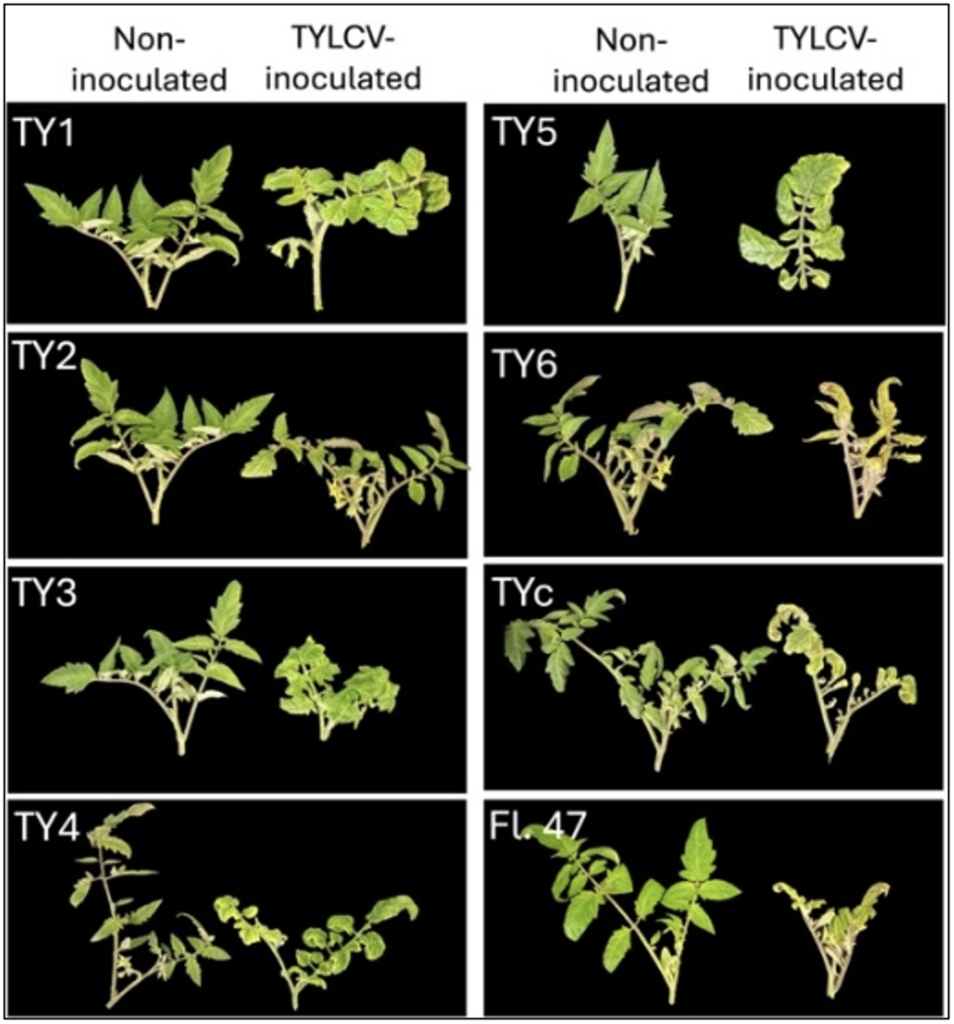
Whitefly-mediated inoculation revealed that all six gene backgrounds still got infected with TYLCV, and research is currently being conducted to examine differential gene expression patterns to examine which mechanisms are associated with gene modalities in tomatoes and what their effects are on whiteflies. This information is critical to prevent resistance breakdown and prolonged host resistance use.
Squash
With squash, research has continued to progress on examining host resistance based on response to virus inoculation and whitefly biology.


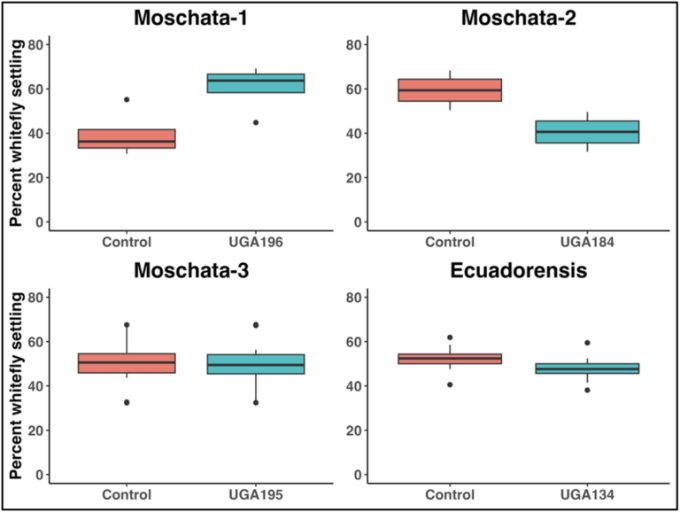
Figure 2. UGA C. pepo Lines That Show Varying Levels of Susceptibility/Resistance to Both the Begomovirus and Criniviruses Transmitted by Whiteflies.
Resistance in our laboratory has largely been focused on work with Cecilia McGregor, wherein screening centered on nonpepo species, wild species, and bridge lines (Figures 2 and 3).
Snap Bean
In snap beans, host resistance to CuLCrV and SiGMV is being evaluated in collaboration with Bhabesh Dutta. The screening has revealed significant differences among cultivars and lines tested, suggesting that some cultivars may have considerable resistance.
The same trend was seen with SiGMV, but plants were generally more susceptible to SiGMV than to CuLCrV (Figure 4). In addition to screening for the virus and insect vector, research is currently underway using transcriptomics. This will help identify mechanisms affecting resistance to CuLCrV and/or SiGMV. This approach will greatly aid in finding resistance markers and exploring ways to increase resistance.
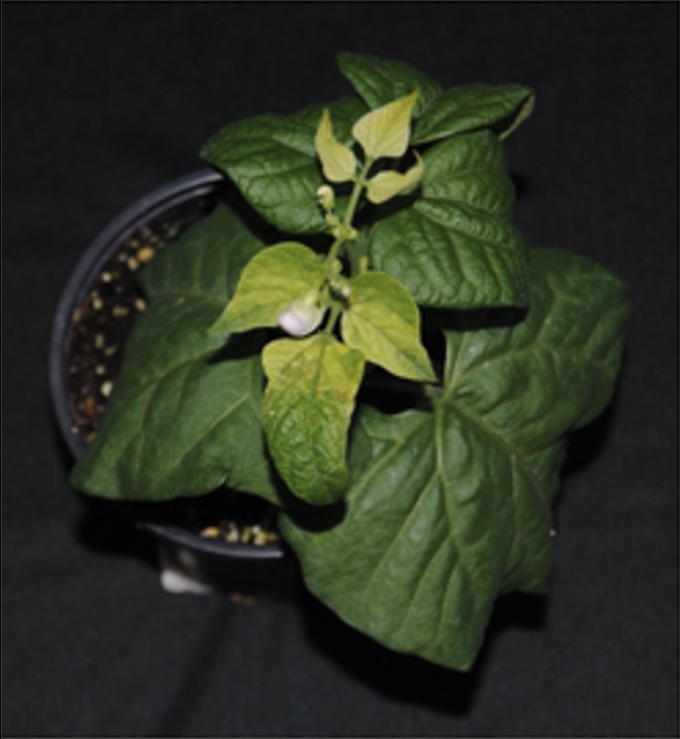
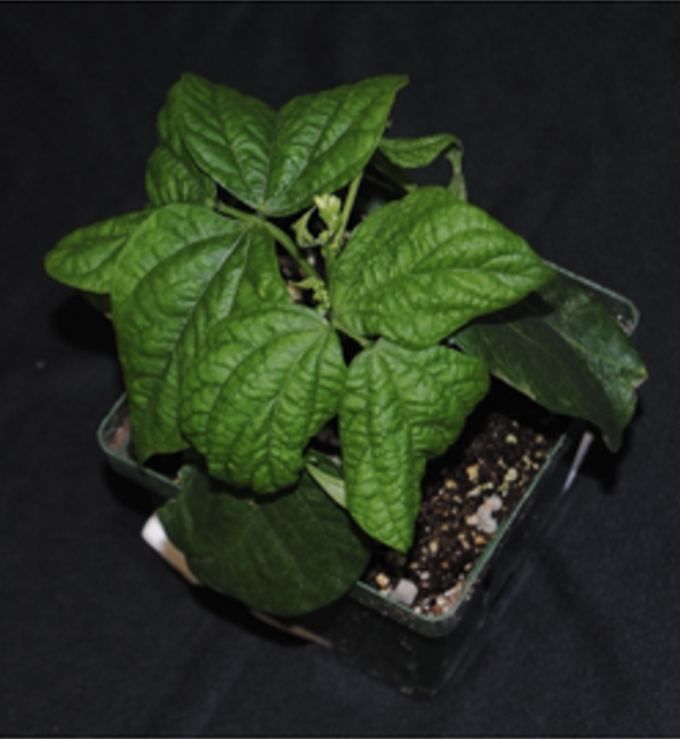
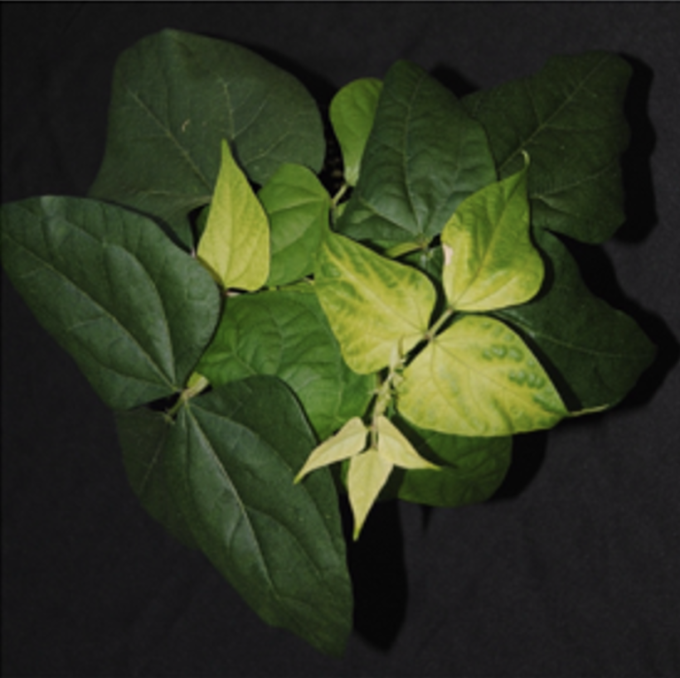
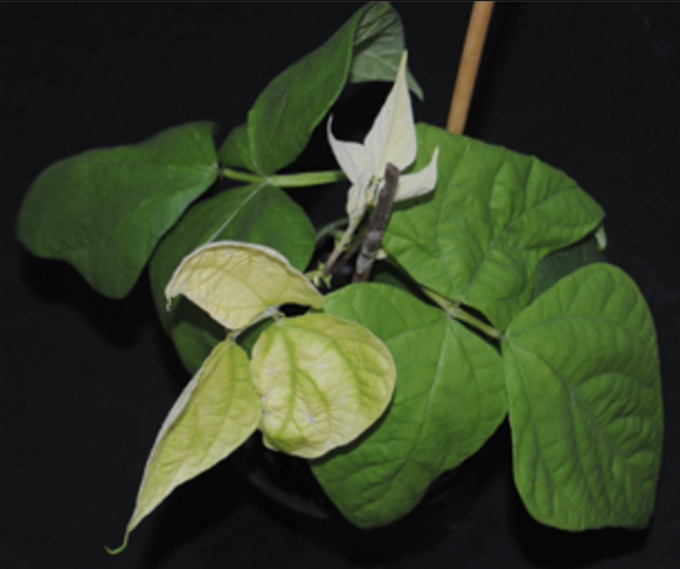
Figure 4. Snap Bean Line and Cultivars Displaying Varying Levels of Susceptibility/Resistance to Whitely-Mediated Inoculation of SiGMV.
Mixed Infection
Mixed infection in tomatoes, squash, and snap beans was evaluated. In each instance, the infection of multiple viruses in the same host seems to enhance symptom severity and virus accumulation more than single virus infection (Figure 5). In the process, it also seems likely that resistance against one virus might not hold up in the presence of other viruses. In other words, mixed infection can help overcome resistance against one and/or the other virus.


Figure 5. Snap Bean Cultivar ‘Aifi Wuriti’ Displaying Symptoms Following Whitefly-Mediated Inoculation of CuLCrV and/or SiGMV.
Lay a Foundation for the Futuristic Management of Whiteflies and Viruses
Our laboratory has been working on whitefly proteins that have a role in interacting with the capsid protein of begomoviruses such as TYLCV, CuLCrV, and SiGMV. We have been identifying such proteins that suppress either virus acquisition and/or retention.
In 2025, the relevance of a second messenger that has many critical roles in the physiology of the insect also had a robust effect on virus suppression (Figure 6). In collaboration with our partners in Israel, we are now involved in formulating carrier (nanoparticles) materials that could be used as an exogenous applicant with the desired double-stranded DNA. (Ghosh et al., 2025.) There is potential for such a technology, as it could play a major role in reducing insecticide usage in the future.
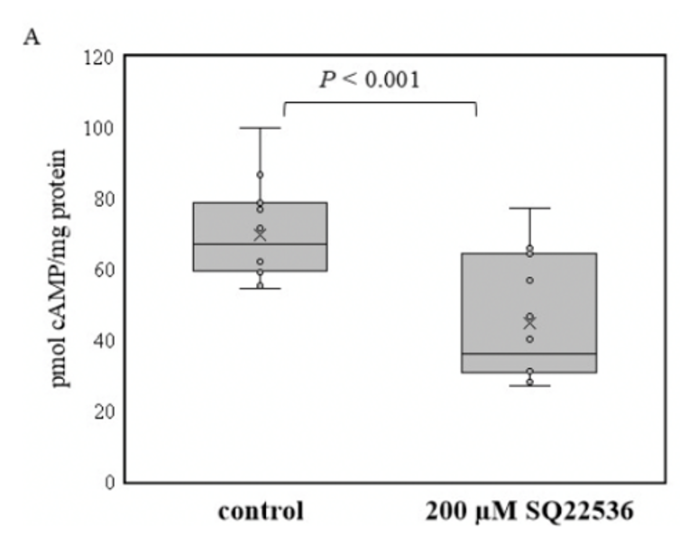
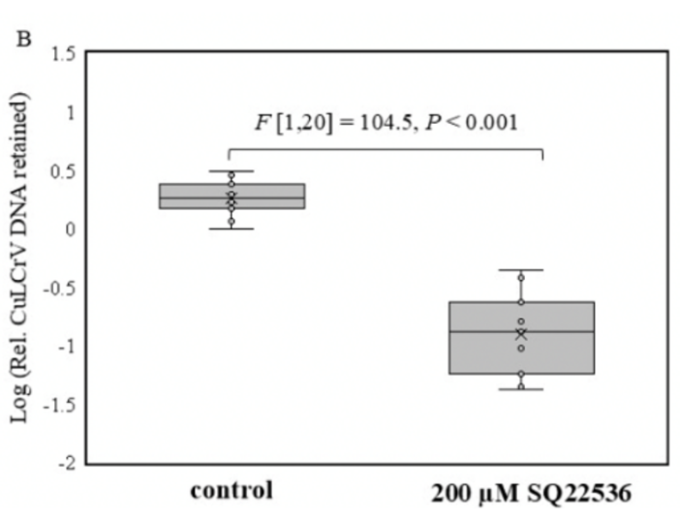
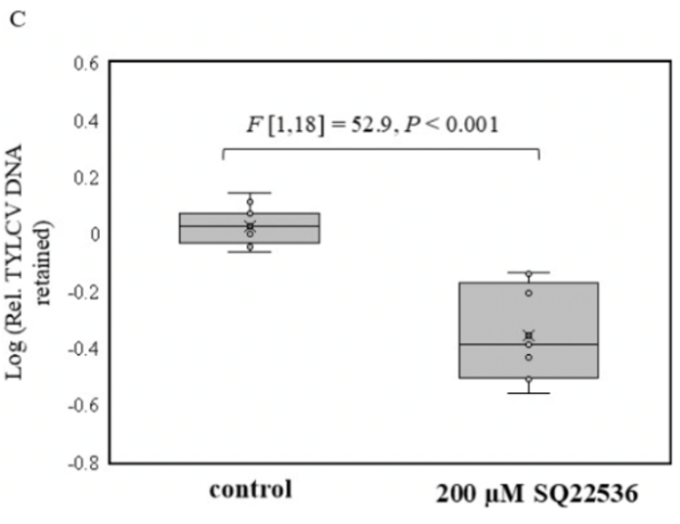
Figure 6. Suppression of Adenylyl Cyclase Associated With CAMP Using a Commercial Inhibitor Suppressed the Accumulation Levels of Both CuLCrV and SiGMV.
Conclusions
Whitefly-transmitted viruses and their management are core focus areas of our laboratory. We continue to develop both short-term and long-term management solutions based on traditional approaches such as host resistance and cultural and chemical options, as well as futuristic options.
Host plant resistance is often regarded as the gold standard when it comes to management of whitefly-transmitted viruses. However, it is often elusive. Also, there are frequent introductions resulting in mixed infection and resistance compromise. In such instances, a cocktail of approaches aimed at mitigating yield loss should be the focus.
Our laboratory is also involved in robust paradigm-shifting research aimed at combating virus acquisition and retention using state-of-the art molecular and omics approaches.
References
Ghosh, S., Mondal, B., Jassar, O., Ghanim, M., Gautam, S. Netla, V. R., Srinivasan, R. (2025). Begomovirus capsid proteins interact with cyclic adenosine monophosphate (cAMP)-specific phosphodiesterase of its whitefly vector and modulate virus retention within its vector. Journal of Virology, (99)3, e02172-24. https://doi.org/10.1128/jvi.02172-24