Departments and Units Resources
-
B 1088
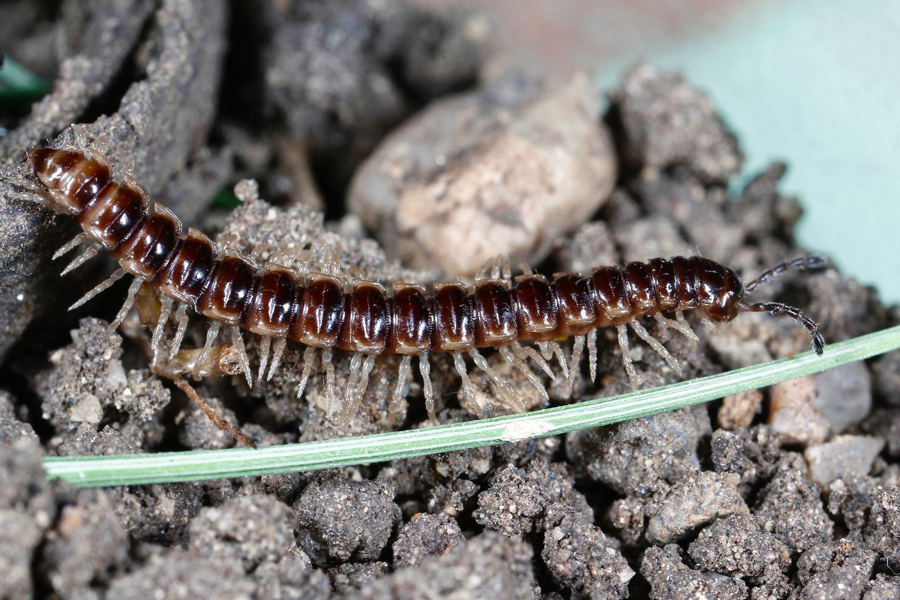
Millipedes and Centipedes
This publication gives an overview of millipedes and centipedes and gives tips on how to control them in the home.
|
-
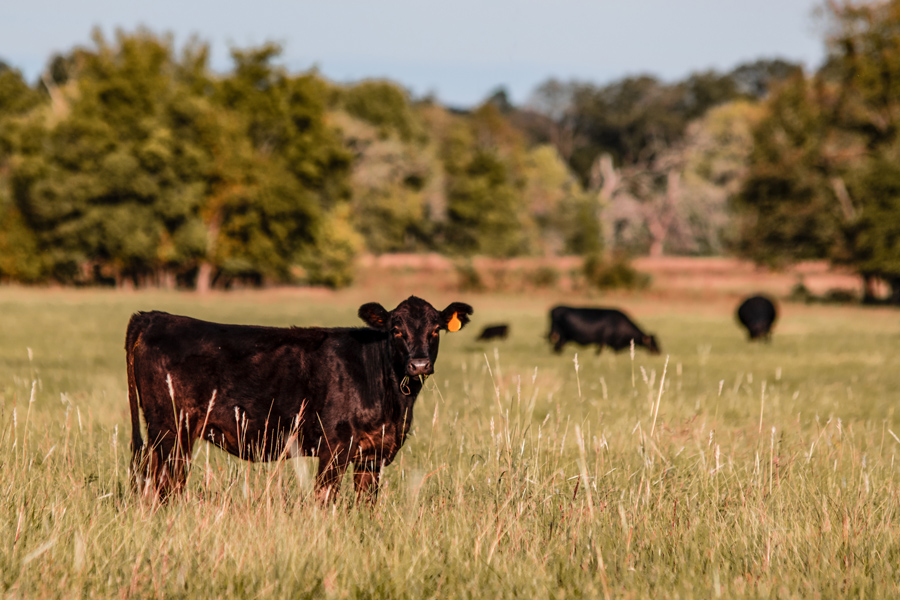
Drought can have a double impact on cattle producers. Not only is forage limited during the grazing months, but also the production of hay is limited. With the lack of forage, both grazed and conserved, many producers are looking for sources of feed for their cattle going into the fall and winter. Hay is an option, but it’s not the only option. Hay replacement rations can be an economical option to purchasing additional hay. Grains are often cheaper per unit of energy than hay, especially when hay prices increase during a drought period.
When considering these feeding options, producers should consider three major issues: 1. Cost of the potential feeds and their nutrients, 2. Which rations will meet the nutritional requirements of their cattle, and 3. How to properly feed cattle with the hay replacement ration.|
-
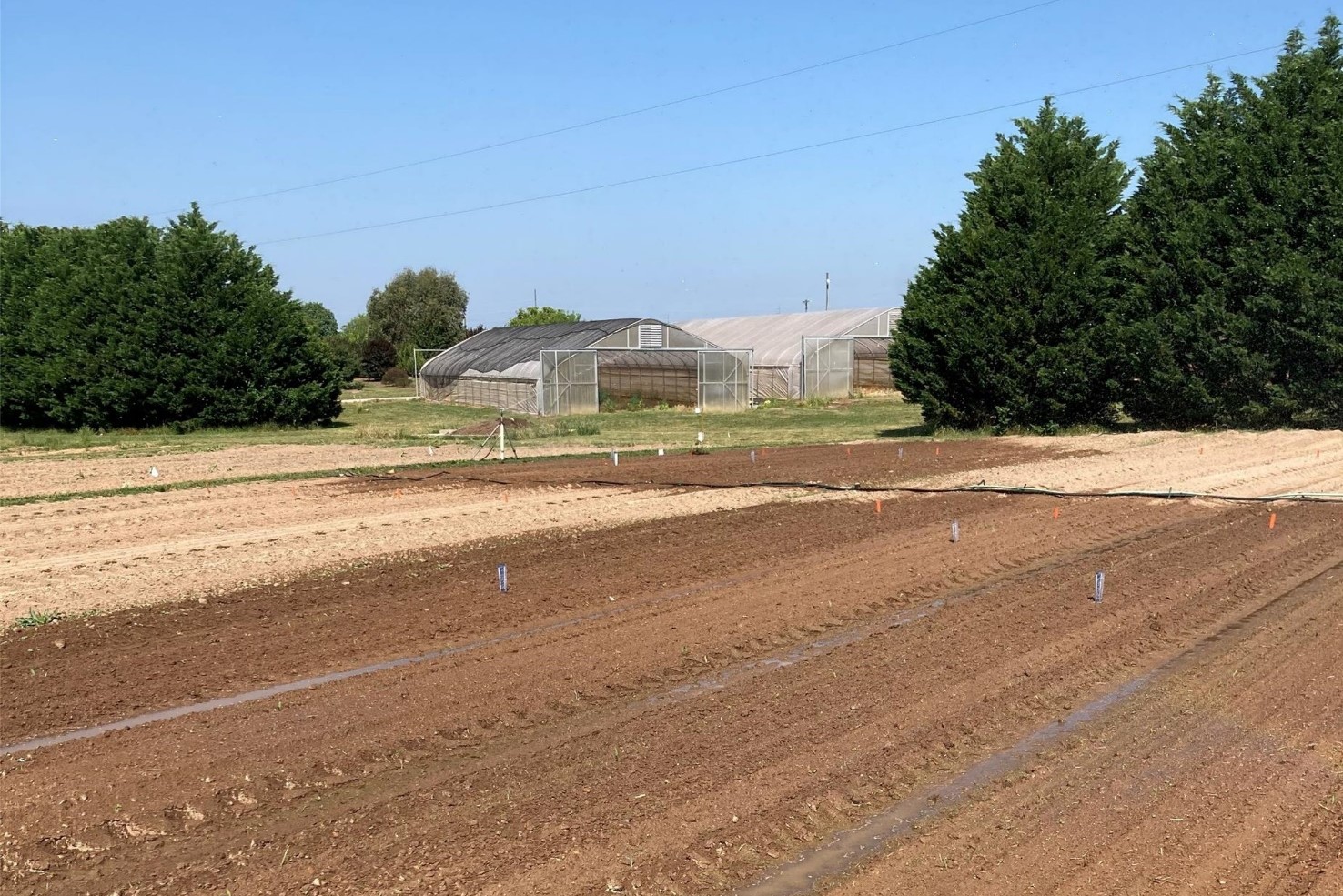
This publication highlights some of the ongoing research into using SSDI in organic vegetable crop production. SSDI facilitates cultivation without harming drip tubing and limits surface soil wetting, which may also reduce weed pressure. Prior research has shown that SSDI offers some advantages over surface-placed drip tubing in conventionally grown crops (Coolong, 2016).
|
-
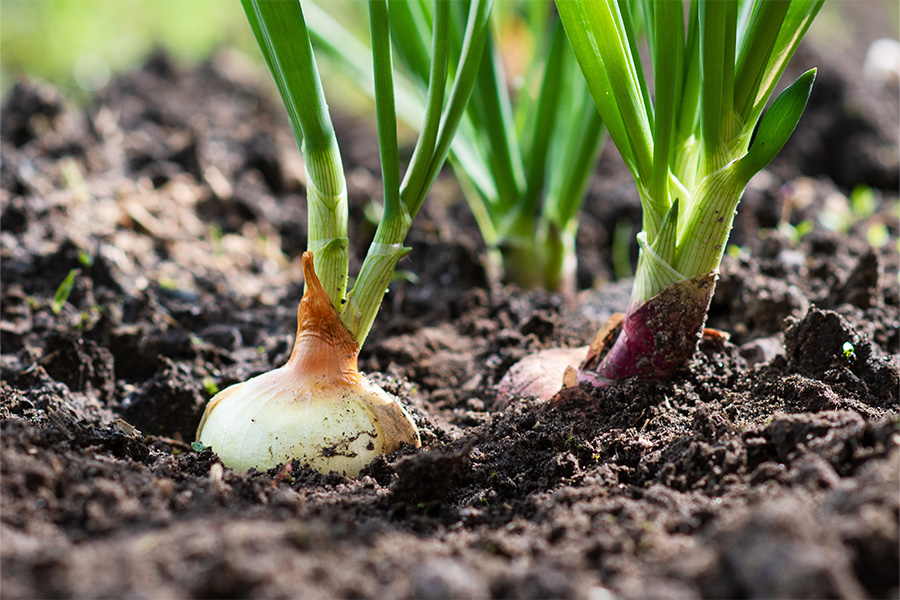
Bacterial diseases are among the major production and economic challenges that onion growers face in Georgia. There are six bacterial diseases that commonly affect onion foliage and bulbs in the state. These diseases are difficult to manage and rely mainly on cultural practices and the use of protective bactericides. Host resistance is limited with little information on pathogen biology and the infection process. This bulletin provides a comprehensive outlook on specific symptoms associated with bacterial diseases, modes of infection and spread, and potential management options.
|
-
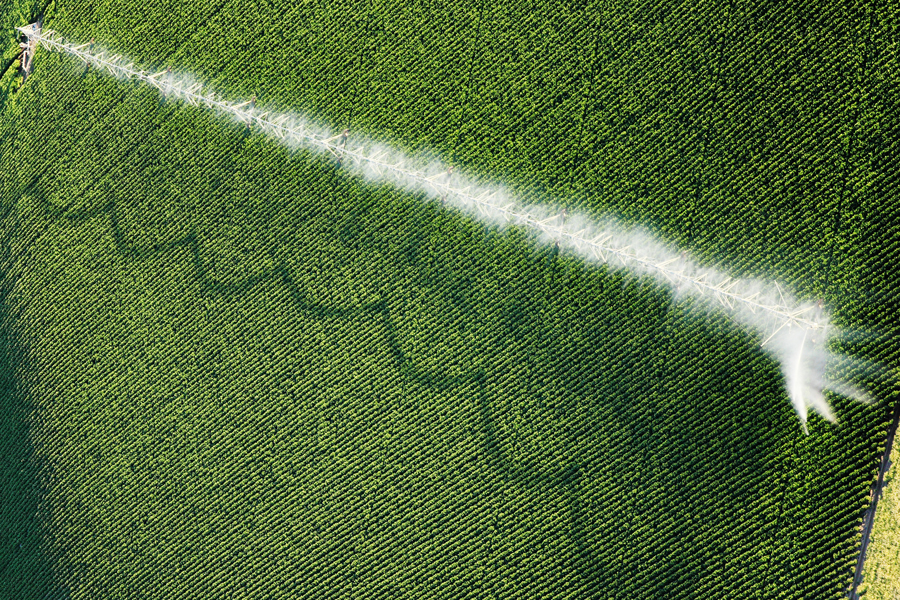
This publication was developed to provide farmers applying animal wastewater with step-by-step instructions to calibrate their center pivot irrigation systems. Within each step, the publication provides reasoning for that step and any equations to calculate the needed values. Along with instructions, the publication also provides a fillable table to collect data and charts to help determine application rates.
|
-
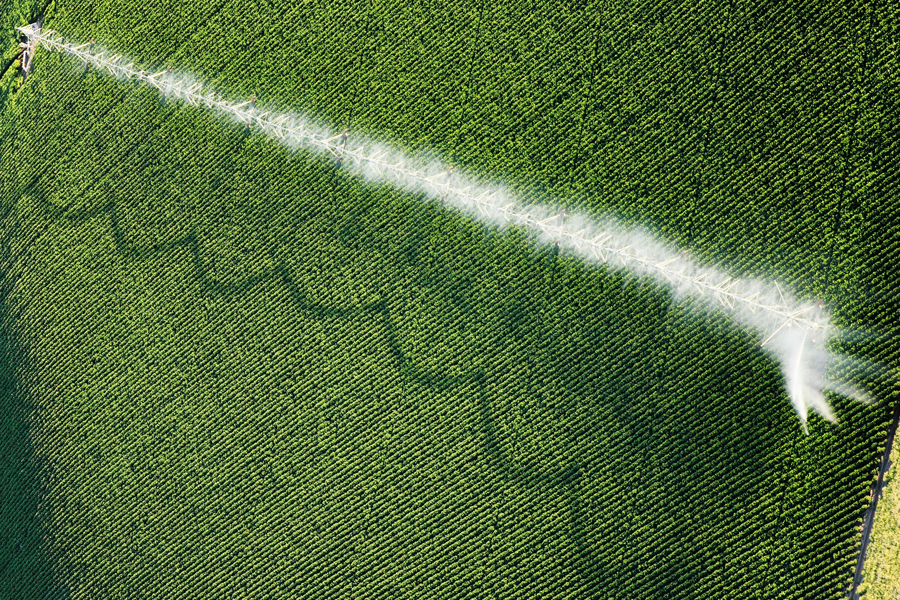
This publication is intended to be used by those familiar with calibrating a center pivot system. The circular lists the steps, calculations, and charts needed to calibrate a center pivot irrigation system pumping wastewater, without explanations of the process itself. The PDF version contains worksheets and formulas.
The step-by-step calibration procedure includes determining: the wetted diameter of your nozzle or sprinkler; spacing between collection cups; the number of cups needed to collect wastewater from all sprinklers/nozzles. Next, place collection cups in a row, equally spaced in the direction of travel, mark the starting point and then operate the pivot normally and mark the end point. Measure the time taken for the system to pass over all cups. Measure between the start and end points to determine the travel distance. Immediately record the volumes or depths of water in each collection cup and use this to calculate the average application depth (in inches, centimeters, or millimeters). Next, determine your “usable” cups and effective diameter of pivot, and then recalculate the average application depth for the “usable” collection cups. Calculate the reference travel speed and the deviation depth for each “usable” collection cup. Next, determine the average deviation depth, calculate the application uniformity and determine the calibration results.
|
-
Whether you are a seasoned griller or a beginner, this guide has you covered with the top 10 tips for a safe and delicious experience. Learn how to prevent foodborne illnesses, reduce food waste, and enhance your outdoor cooking experiences. This publication will show you how to keep your friends and family safe, promote sustainability, and ensure a worry-free and enjoyable time while grilling and chilling outdoors. Happy grilling!
|
-
Garantice la seguridad alimentaria durante sus aventuras culinarias al aire libre este verano. Ya sea que sea un asador experimentado o un principiante, esta guía lo cubre con los 10 mejores consejos para una experiencia segura y deliciosa. Desde planificar su menú y comprar ingredientes frescos hasta manipular, cocinar, servir y manejar las sobras, la publicación brinda orientación paso a paso. Aprenda cómo prevenir enfermedades transmitidas por los alimentos, reducir el desperdicio de alimentos y mejorar sus experiencias de cocina al aire libre. Esta publicación le mostrará cómo mantener seguros a sus amigos y familiares, promover la sostenibilidad y garantizar un momento agradable y sin preocupaciones mientras hace parrilladas y se relaja al aire libre. ¡Feliz parrillada! [Spanish-language version of C 1309 Grill & Chill]
|
-
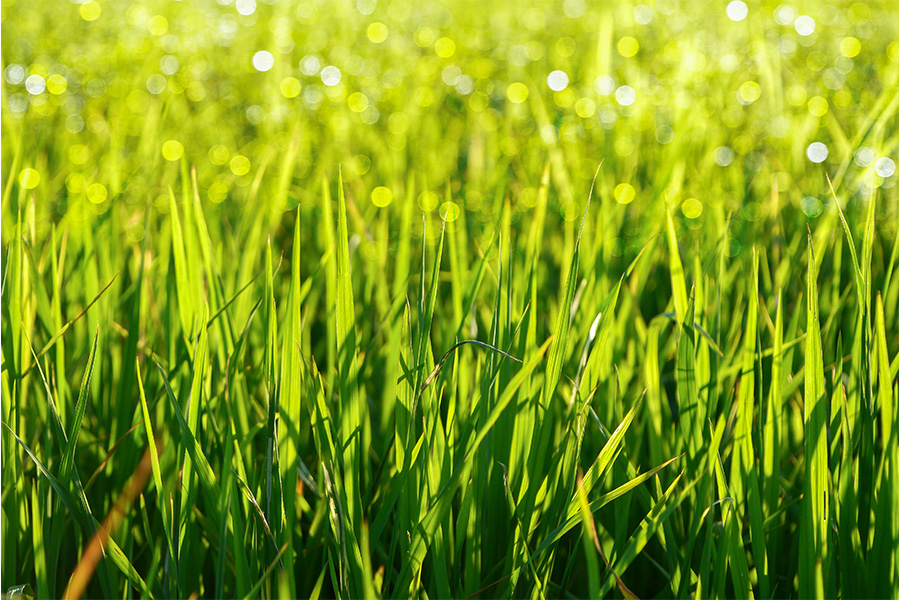
La bermuda es una planta perenne de estación cálida ampliamente utilizada para su uso como césped en el sudeste de los Estados Unidos.
[Although improved common (Cynodon dactylon (L.) Pers.) and hybrid bermudagrasses (Cynodon dactylon x C. transvaalensis Burtt-Davy) have desirable qualities as turfgrasses for heat, drought and wear tolerance, bermudagrass is a problematic weed when grown in mixed stands with other turf species. Selective control of bermudagrass is difficult but often warranted in order to maintain acceptable quality of the desired turfgrass species. This publication describes bermudagrass control methods for Southern lawns.]
|