Environment
-

This publication provides a brief overview of the major regulatory agencies and highlights the rules that Georgia farmers should be aware of concerning storage tanks on their farms.
|
-
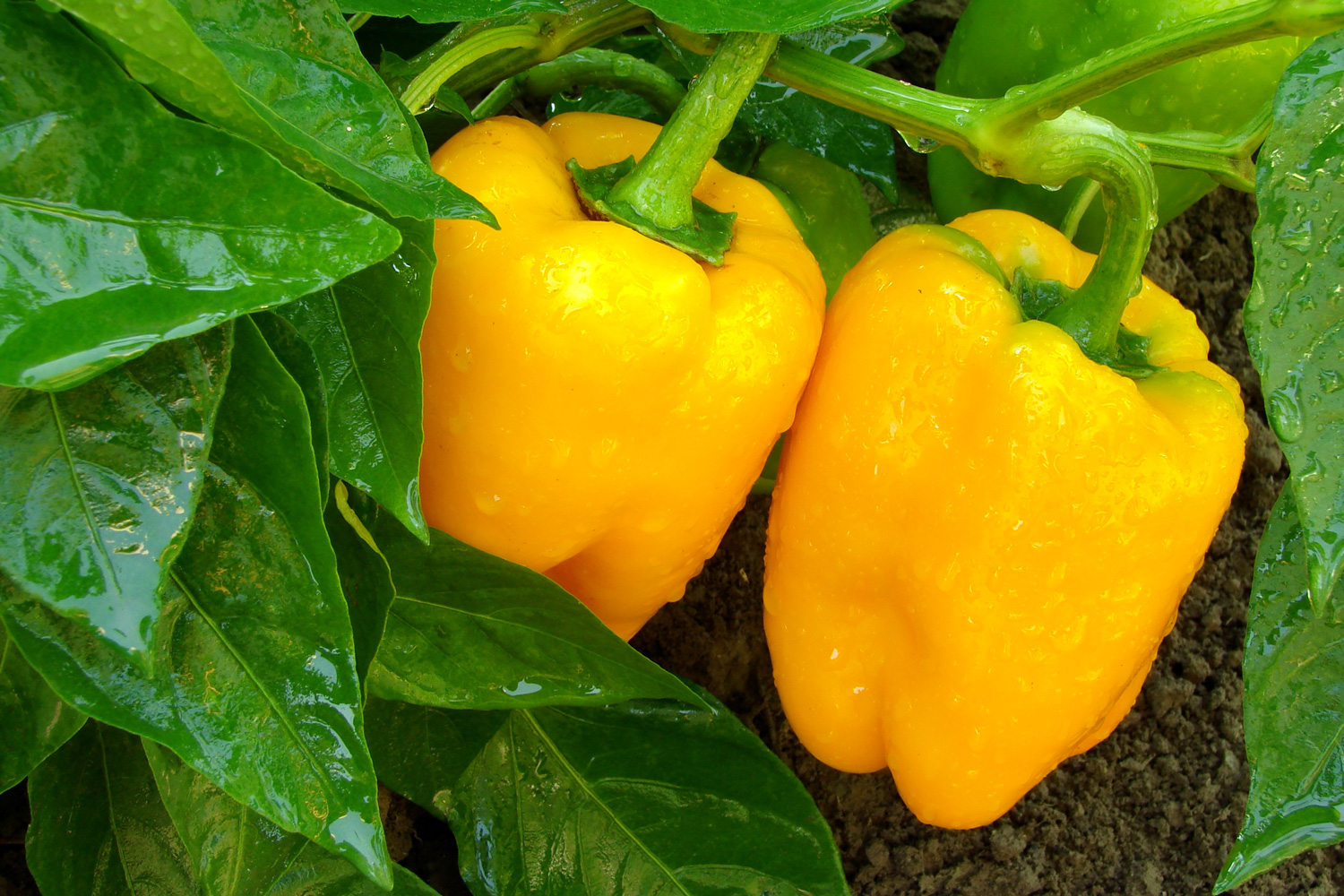
This publication is part of a series focusing on irrigation scheduling for vegetable crops. It contains basic information on water use and irrigation management using the crop water demand method for Solanaceae crops such as bell peppers, tomatoes, and eggplants.
|
-
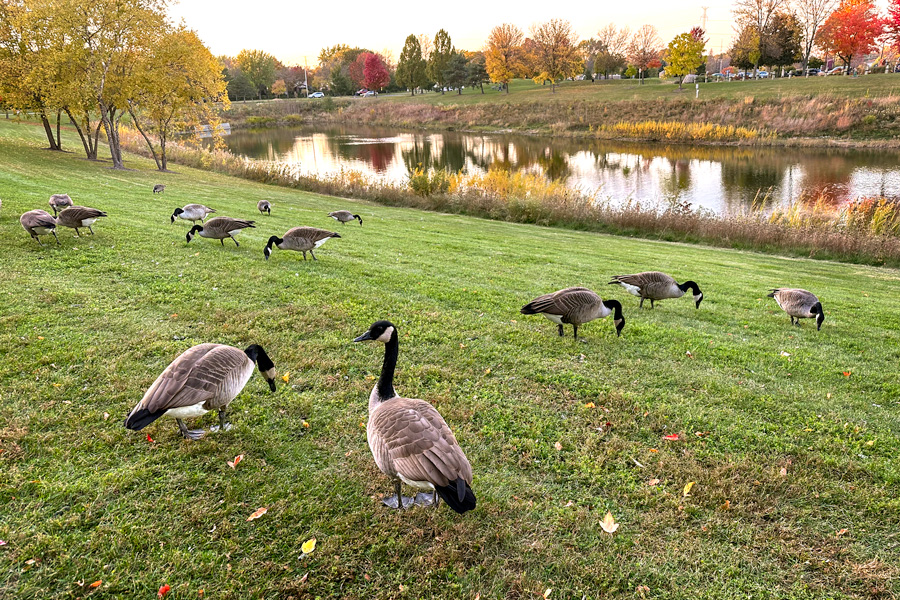
When wildlife populate a place where they are unwanted or cause damage to valuable plants or structures, they become a nuisance. This publication discusses some basic principles for dealing humanely with nuisance wildlife.
|
-
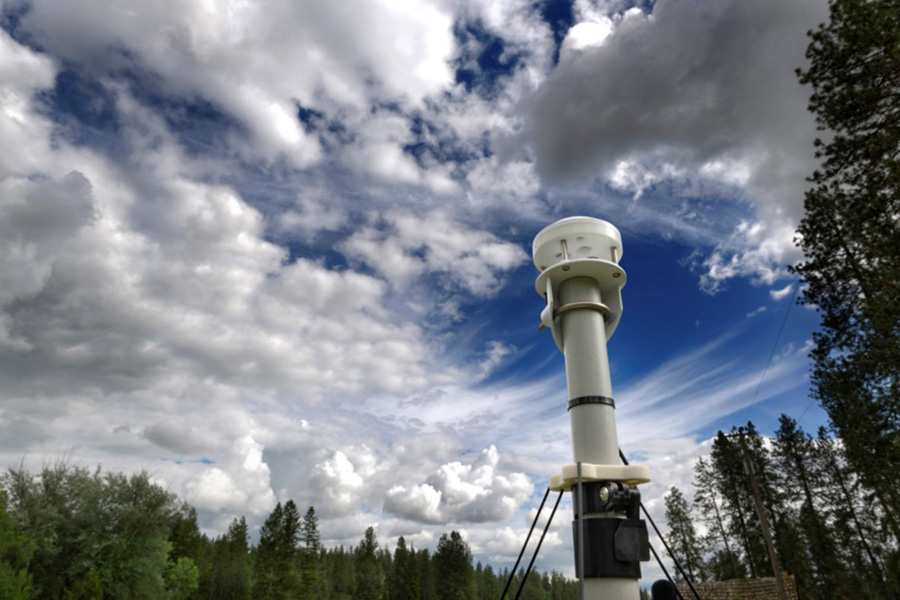
A weather station is a collection of instruments and sensors measuring atmospheric and soil conditions. Commonly measured environmental variables include light, temperature, relative humidity, rain, wind, and soil conditions (soil moisture, soil temperature, and/or soil bulk electrical conductivity). An on-site weather station allows growers to monitor the microclimate in a growing area. Weather conditions can vary over short distances, especially for measurements such as rainfall, which means that off-site measurements—often taken miles away as part of a public weather network—may not be accurate enough for irrigation and/or temperature scheduling purposes. Additionally, cold pockets created by elevation changes can create temperature variability, making local (adjacent to growing areas) weather stations a valuable tool in monitoring and use for irrigation scheduling and freeze protection.
|
-
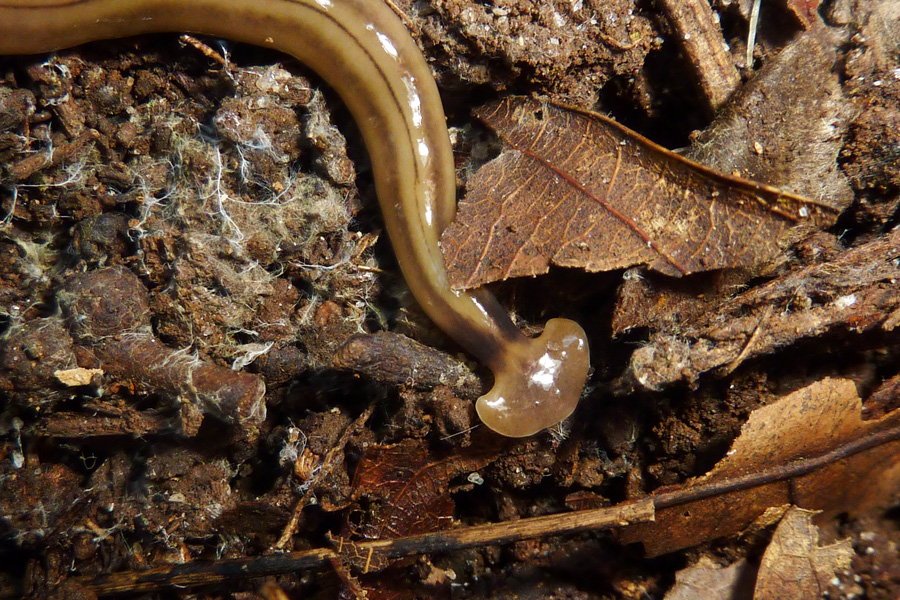
This publication is a guide to 110 common pest insects found in and around the home, including prevention and treatment options.
|
-
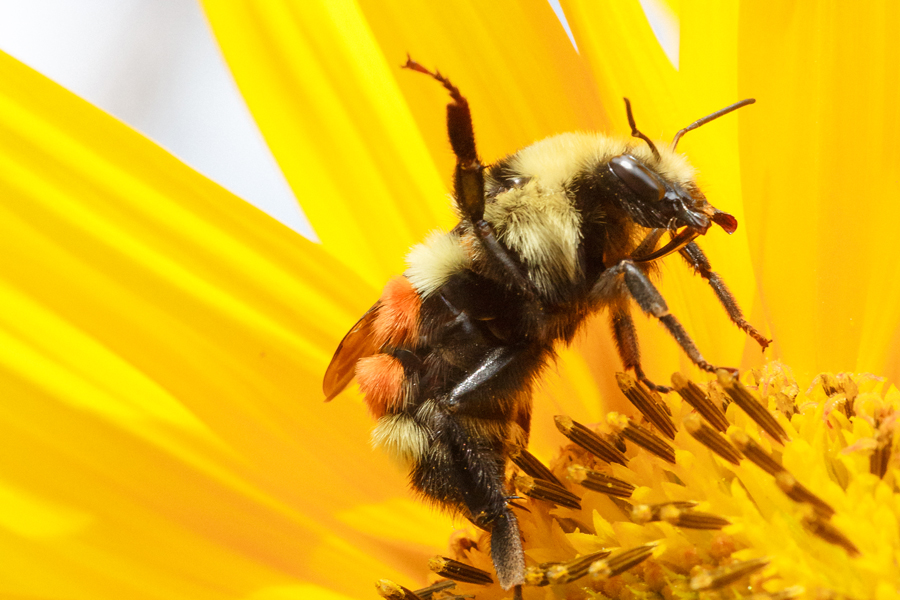
Bumblebees are prone to catch your attention with their sonicating buzz or conspicuous and colorful appearance. They are robust, fuzzy-looking insects, with varying bands of coloration and a hairy abdomen.
This characteristic differentiates them from the look-alike carpenter bees. Carpenter bees have bald abdomens.
Similar to honeybees, bumblebees are in the family Apidae; they are social bees but survive or just one season,
unlike honeybees. Bumblebees usually are active from early spring through fall, visiting and collecting pollen
and nectar from flowers.
Bumblebees are distributed worldwide, with up to 260 species all over the globe. Most species are encountered in
the Northern Hemisphere, while others are located in Central and South America and northern Africa. Forty-nine
bumblebee species in the United States are known, and 17 of them are found in Georgia.|
-

We can positively affect pollinator populations in our region by providing plants that help sustain them. Pollinators face the increasing challenges of habitat loss, parasite and disease pressure, and the unintended consequences of pesticide misuse. Bee forage plants can bloom season-long with careful plant selection appropriate to the region. A combination of herbaceous perennial and annual plants, trees, and shrubs can provide valuable resources to bees and other pollinators. Even grasses can be used by bees as a pollen source, while crape myrtles can provide a later season resource for pollinators. Anyone—from individual home gardeners to commercial and agricultural property managers—can promote pollinator health by selecting and planting appropriate plants. This guide provides options for selecting flowering woody plants that are attractive to bees and butterflies and sometimes have additional wildlife benefits.
|
-
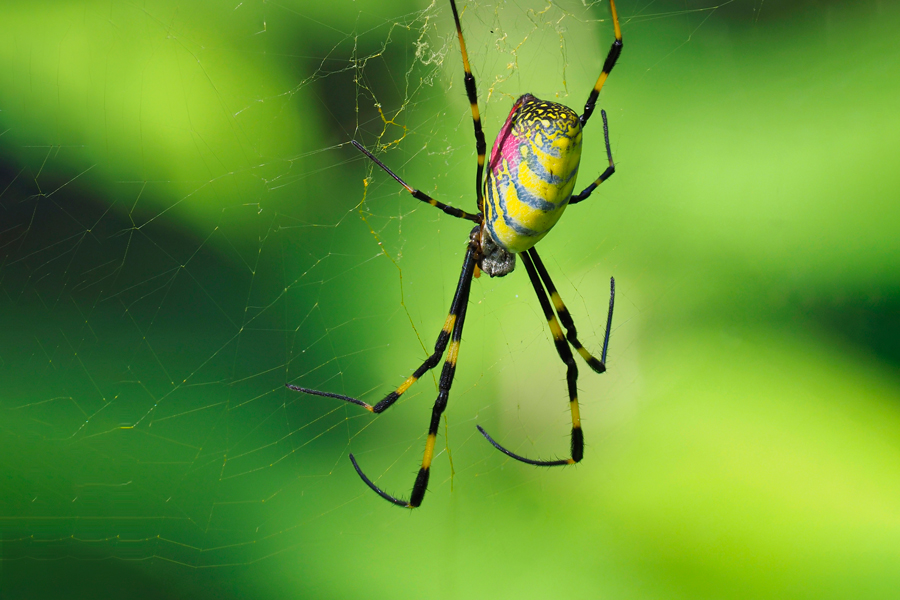
The publication gives basic biology and description, with images, of the spider’s immature and adult forms, along with recommendations for managing them around the home. The Joro spider is a native of Japan and East Asia that was first documented in the United States in 2014 in northeast Georgia. The initial population appeared to be centered around Braselton and Hoschton, GA, along I-85. By 2022, the spiders had spread about 75 miles in all directions from that initial detection. The native range of these spiders in Asia extends from southeast Asia northward through a swath of eastern China, the Korean peninsula, and all but the northernmost island of Japan, and westward to India and the foothills of the Himalayas. Given that distribution, there seems to be no obstacle to the Joro eventually expanding its range to include all of Georgia, the Southeast, and most of the rest of the eastern U.S. as well.
|
-
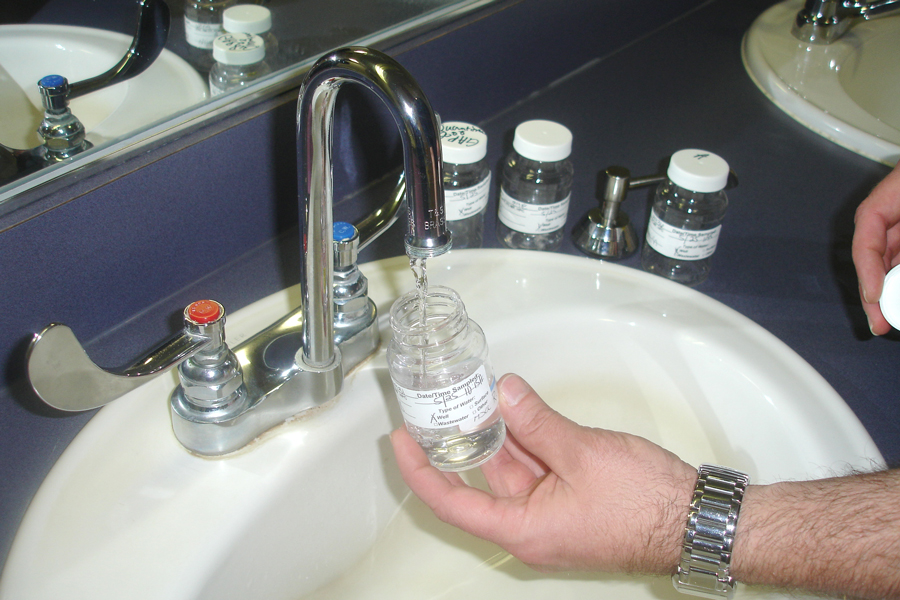
An abundant supply of clean, safe drinking water is essential for human and animal health. Water from municipal or public water systems is treated and monitored to ensure that it is safe for human consumption. Many Georgia residents, especially in rural areas, rely on private water systems for human and livestock consumption. Most private water systems are supplied by wells. Water from wells in Georgia is generally safe for consumption without treatment. Some waters, however, may contain disease-causing organisms that make them unsafe to drink. Well waters may also contain large amounts of minerals, making them too “hard” for uses such as laundering, bathing or cooking. Some contaminants may cause human health hazards and others can stain clothing and fixtures, cause objectionable tastes and odors, or corrode pipes and other system components.
|