Fruit and Vegetable Production Resources
-
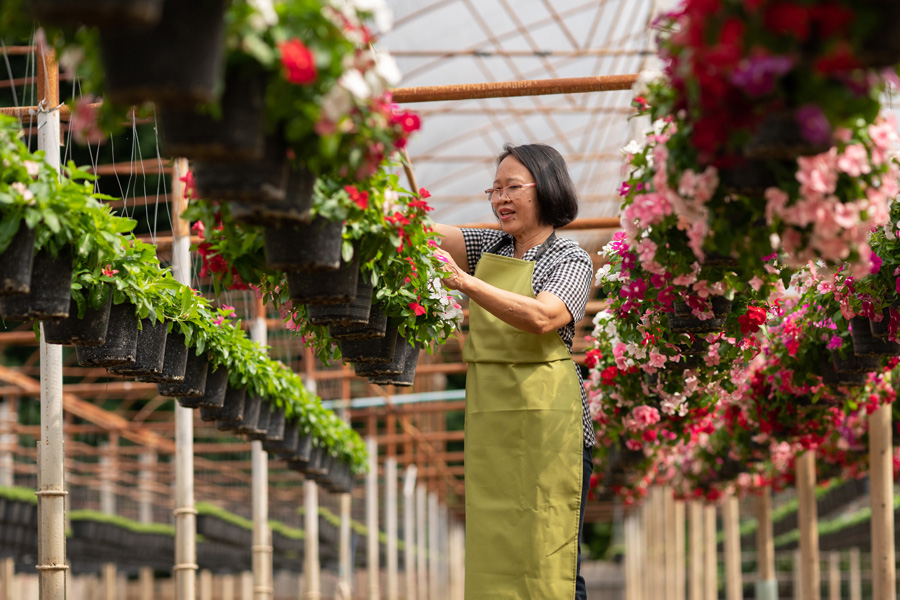
The idea of producing your own food in a clean, controlled environment is very appealing. While dreams may be big, careful research and planning should be done prior to jumping into any farm venture. Important items such as desire, capital, feasibility, labor, demographics, and marketing all need to be considered.
|
-

AP 130-1-05
2023 Vegetables and Pulses Outlook
1. Although the total U.S. fresh vegetable and harvested area decreased by 7% in 2021 compared to 2020, the harvested area is expected to improve in 2023—but not enough to offset 2021. 2. Total vegetables and pulses imports were $18.6 billion in 2021, an increase of 10.2% compared to 2020. This import trend is expected in 2023 despite the supply chain disruption. 3. Production input prices will continue to fluctuate depending on the situation in the Ukraine and Russia war. It’s likely that prices will continue to escalate if the U.S. government does not come up with a contingency plan.
|
-

AP 130-1-04
2023 Fruits and Tree Nuts Outlook
1. The three major U.S. peach-producing states experienced a significant fall in production which cumulatively reduced our 2022 production by 15%. Since it is difficult to predict whether the weather and water shortage that contributed to the decrease in production will persist, chances are that the situation may improve in 2023, but not by much. 2. The significantly high price received by peach and orange producers was instrumental in maintaining a strong consumer price index in 2022. The producer price index is expected to stay strong in 2023. 3. In 2023, blueberry imports from Chile, Peru, and Mexico will continue to increase—domestic harvests only get into the market beginning mid-March, and total production is not enough to satisfy high domestic demand. 4. Georgia pecans will continue to dominate the tree-nut industry in the 2023 crop year and prices are expected to improve, especially if China increases it imports of U.S. pecans.
|
-

AP 130-1-06
2023 Corn, Soybean, and Wheat Outlook
1. The Russia-Ukraine war and Mexico’s plan to ban genetically modified corn from the United States will increase uncertainty regarding corn prices. 2. The United States and the world will continue to have a tight wheat supply in 2023, supporting higher than average wheat prices. 3. The low ending stocks of U.S. soybeans indicate the need for more soybeans. Ending stocks might improve in 2023, leading to softer soybean prices.
|
-
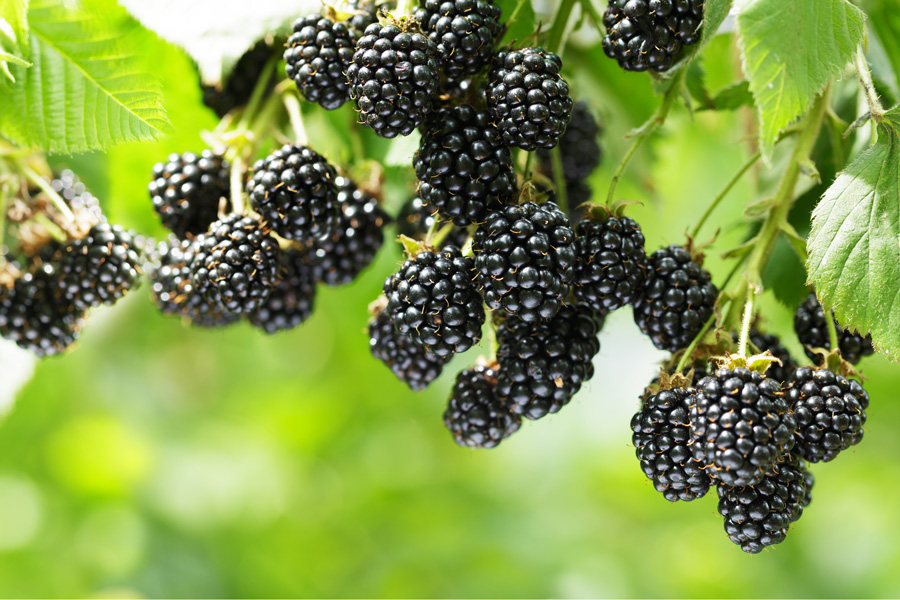
This resource covers basic harvesting, postharvest handling, and cold storage principles for fresh-market blackberries to ensure the highest possible shelf-life and quality while minimizing postharvest losses. Blackberries are harvested in Georgia from mid-May to August, and they are a highly perishable fruit.
|
-
C 1212
Grape Sour Rot
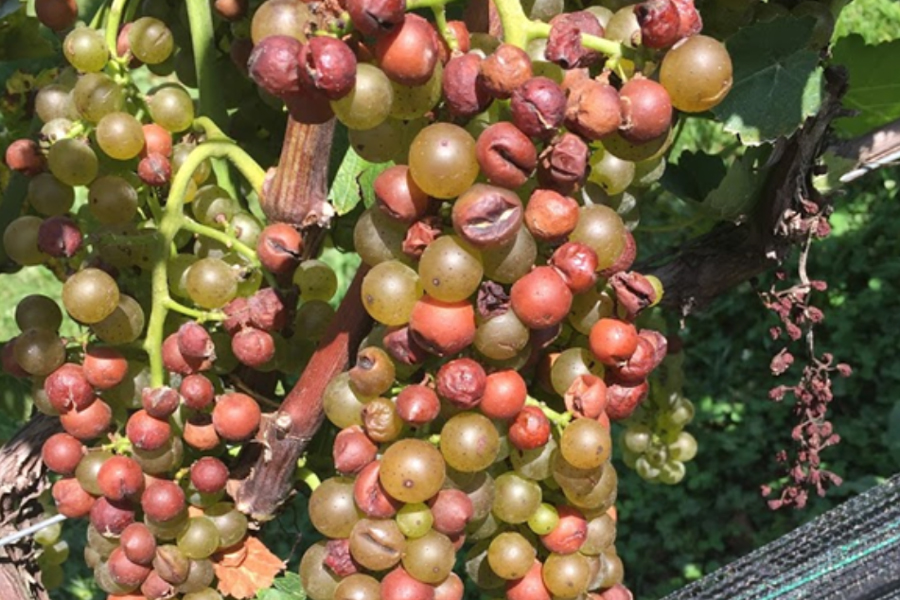
Although grape sour rot can occur in drier climates, the disease complex tends to be especially problematic during wine grape ripening in wet, humid regions. Browning and disintegrating berries and the aroma of vinegar (acetic acid) are a few symptoms that characterize grape sour rot. Sour rot ultimately results in crop yield reduction as damaged berries often “shatter,” or fall off the clusters. Sorting out clusters with sour rot that are not suitable for winemaking causes a further reduction in return revenues as less wine is produced. Although it has only recently been a topic of defined research, sour rot is a prominent concern in Eastern U.S. vineyards as: (1) it is consistently observed in vineyards, particularly in white-berried cultivars; and (2) questions remain about how to best manage it, particularly with the threat of insecticide resistance development in targeted fruit flies.
|
-

Note: This publication contains data from an average of the 2020-21 and 2021-22 orange harvest seasons (exceptions noted in the chart). The commercial citrus industry in Georgia has only recently been established, with most groves planted after 2014. As of 2022, approximately 75% of the 3,300 acres of citrus planted in Georgia are satsumas, but that proportion is trending downward. To strengthen the new Georgia citrus industry, growers recently have begun to diversify their citrus varieties. Research is being conducted to determine how these varieties will perform under Georgia weather and soil conditions: which varieties can best tolerate Georgia’s winter weather, and what are the cultural norms such as maturation time, fruit quality, and insect and disease tolerance. This publication is associated with Circular 1275, the initial publication containing reference photos for the varieties tested.
|
-
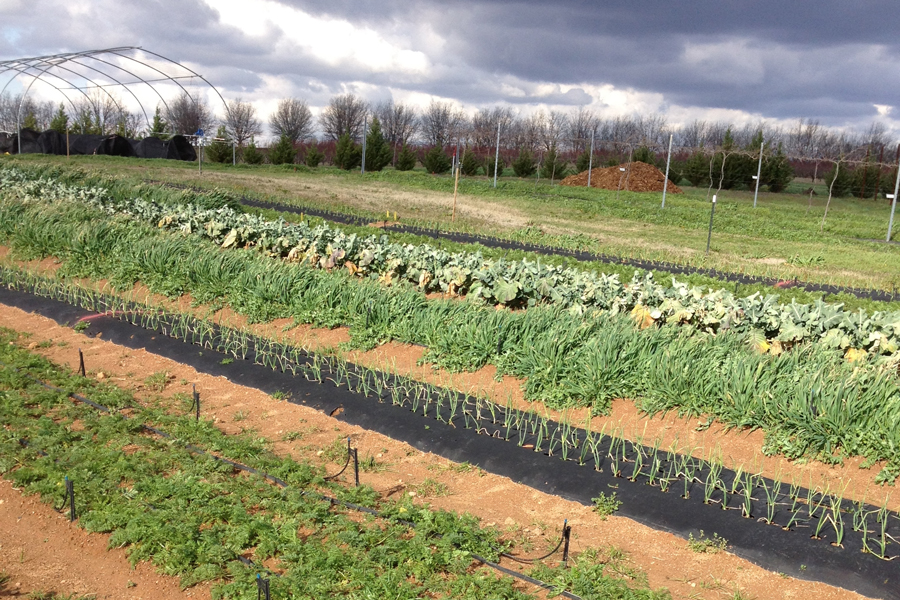
Interest in organic food has been growing over the past twenty years. In Georgia, growing conditions during the summer are particularly difficult for organic producers due to high insect, disease, and weed pressure. However, pest pressures are much reduced when the weather cools. The moderate conditions of late fall to spring are ideal for production of many cool-season crops in the Southeast, including many crops that are traditionally grown as summer crops in other parts of the country. Shifting cash crop production to the fall through spring season may allow farmers to produce high-value crops more efficiently. This strategy may be particularly effective for those interested in wholesale production. This also leaves a window in the summer for cover crops that have many benefits. This bulletin discusses organic cool-season vegetable production and gives guidance for maintaining both soil health and successful production.
|
-
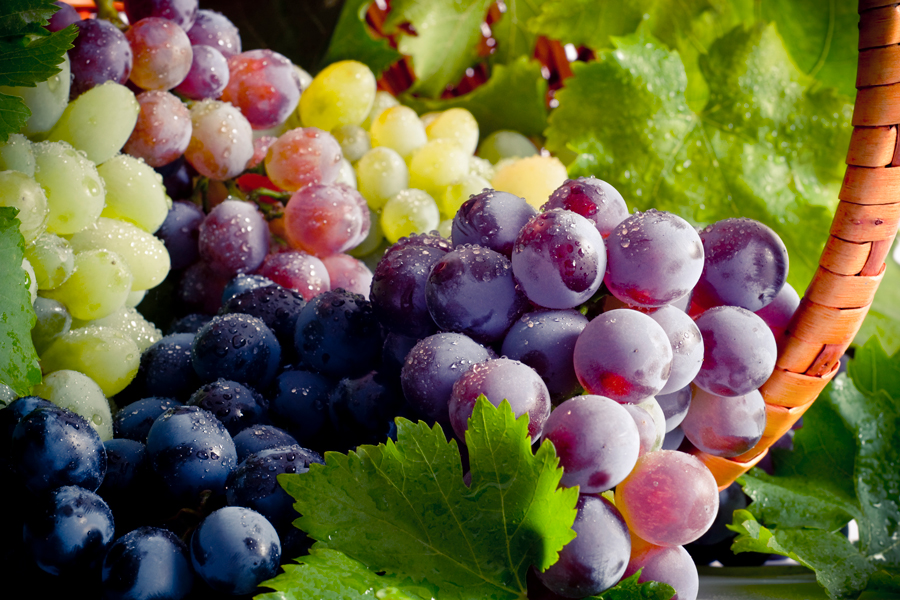
This is a new annual guide for managing diseases, insects, weeds, and wildlife in bunch grapes in the Southeast. This regional integrated pest management guide provides recommendations based on information from the manufacturer’s label and performance data from research and Extension field tests. This publication is intended for use only as a guide. Specific rates and application methods are on the pesticide label, and these are subject to change at any time. This publication is a product of the Southern Region Small Fruit Consortium.
|