Home Resources
-
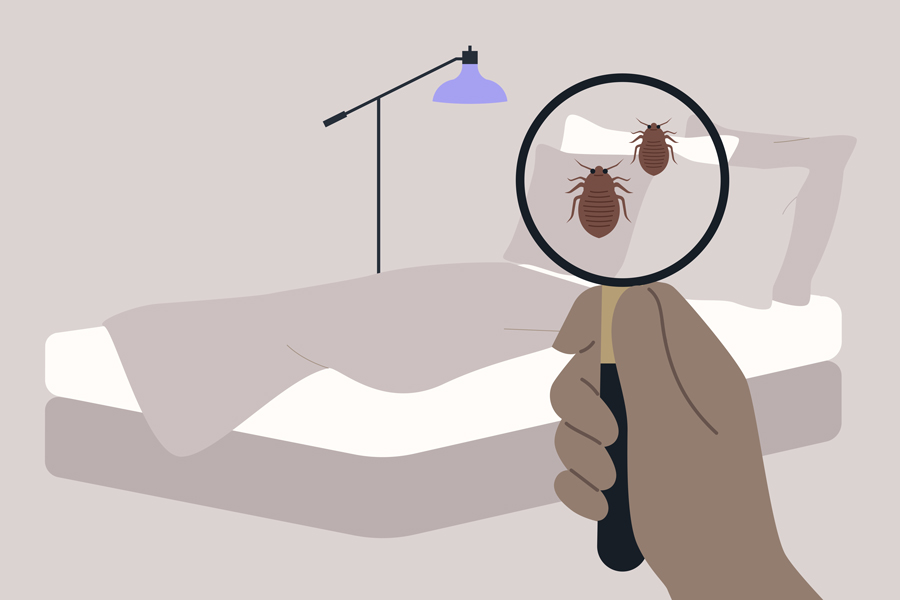
This publication presents helpful information about bed bugs and ways to reduce the risk of bringing them into your home. The circular includes a helpful guide to shopping for secondhand items.
For a handy quick-reference guide, download the two-page version of Circular 1108, Don’t let the bed bugs bite.
|
-
C 2579
Be Aware of Your Indoor Air
Did you know the air inside buildings is nearly always more polluted than outside air? Learn the types of indoor air pollution and what you can do.
This publication was originally published by the LSU AgCenter and released for use in the state of Georgia by UGA Extension Housing & Environment Specialist Pamela Turner.
|
-
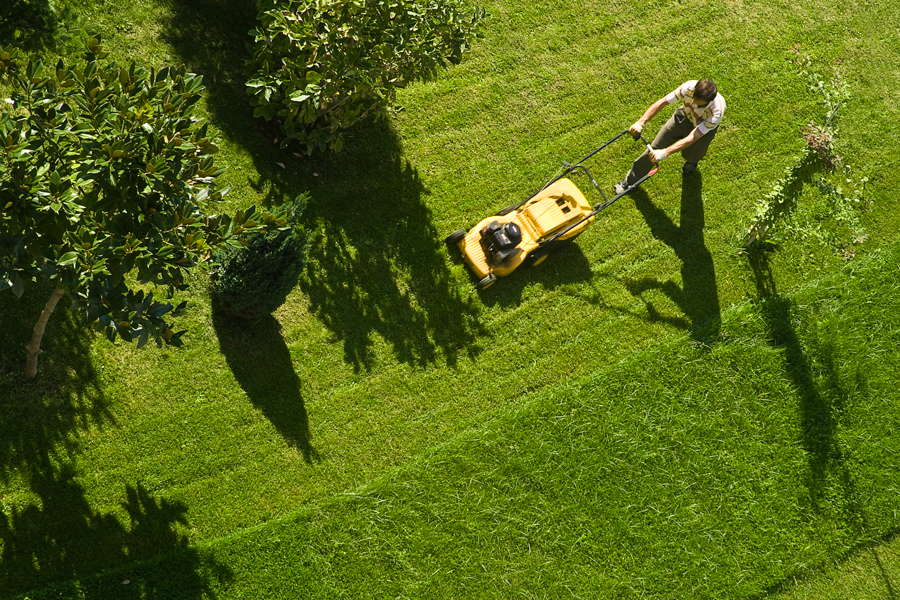
This publication covers routine maintenance and troubleshooting for common motorized equipment (small engine) that is used by small farmers and gardeners. Gardening and landscape equipment can be an expensive investment for both consumers and professionals. However, quality equipment can last a lifetime when cared for properly. Typically, you get what you pay for when it comes to equipment. Higher quality equipment certainly costs more upfront, but usually has fewer problems and will tend to outlast bargain-type tools. With name-brand equipment, parts also tend to be
more readily available. We recommend that you purchase the best equipment you can afford and learn how to take proper care of your equipment to protect your investment. For the garden and landscape, motorized equipment can include everything from a string trimmer to a full-size garden tractor. Most garden equipment is powered by either a two-cycle or four-cycle engine. Two-cycle motors mostly are found on smaller handheld equipment, such as chainsaws, tillers, and trimmers. Four-cycle motors typically are found on larger equipment such as lawnmowers, tillers, and garden tractors, which have separate reservoirs for their gas and engine oil. When properly maintained, both types of motors are quite reliable. Sometimes, very basic issues may keep motors from functioning well. All motors require three basic things to run properly: fuel, fire, and air. If any one or more of these three elements is lacking, the engine will either run poorly or not run at all.|
-

C 1027-11
Sources of Water for the Garden
This publication discusses the advantages and disadvantages of various sources of water for a community or school garden, including municipal water, rivers or creeks, ponds, wells and rainwater.
|
-

C 858-12
Arsenic in Your Water
Arsenic in your drinking water poses a threat to your health. Since private systems are more susceptible to arsenic than public water systems, private well owners should take steps to guard their health. Measures include routine water supply testing and wellhead maintenance and protection.
|
-

Plant diseases can be a significant problem in home gardens. Most vegetables are susceptible to a number of diseases. Home gardeners can reduce the occurrence of many diseases with sound cultural practices. This publication discusses managing diseases in the home vegetable garden.
|
-
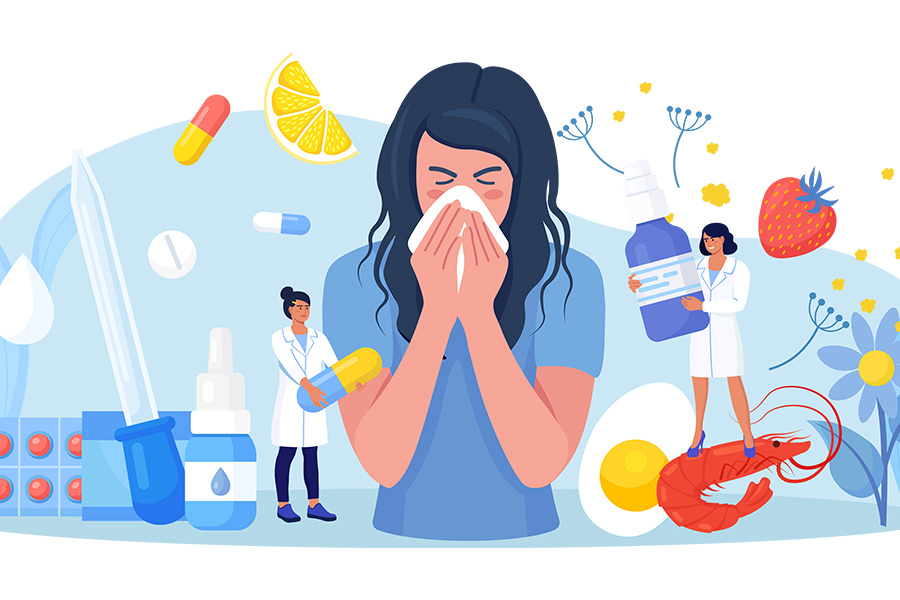
Asthma is a lung disease that affects millions of adults and children, and can be triggered by numerous indoor pollutants such as mold, cockroaches, dust mites, pet dander, and secondhand smoke. There is no cure for asthma, but it can be managed through medication and avoiding allergens that can trigger an attack.
|
-

Accidents are common when felling a tree with a chainsaw. Fortunately, most of them can be prevented. Tips for preventing kickback, barber chair, entanglement, setback, and stump jump are presented in this publication, along with techniques for safely releasing spring poles.
|
-
This publication explains how to identify and remove hydrogen sulfide and sulfate from household water.
|