Fruit and Vegetable Production Resources
-

Learn about irrigation scheduling methods for commercial vegetable production in Georgia through this video resource.
|
-
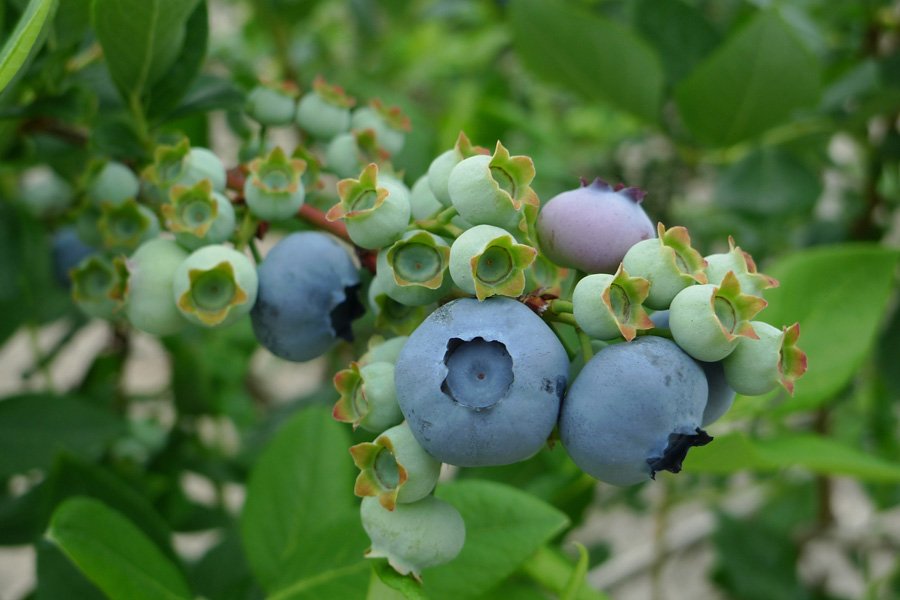
C 1278
Blueberry Production
This publication covers a brief history of the development of blueberries, plus general production requirements such as varieties, chill hours, soil considerations, etc. The southern highbush blueberry is a hybrid that requires fewer chill units compared to northern highbush types, allowing the state of Florida, southern areas, and Georgia to produce fruits in the U.S. market during March, April, and May. The development of southern highbush also has allowed the production of blueberries in countries such as Mexico and Peru.
|
-
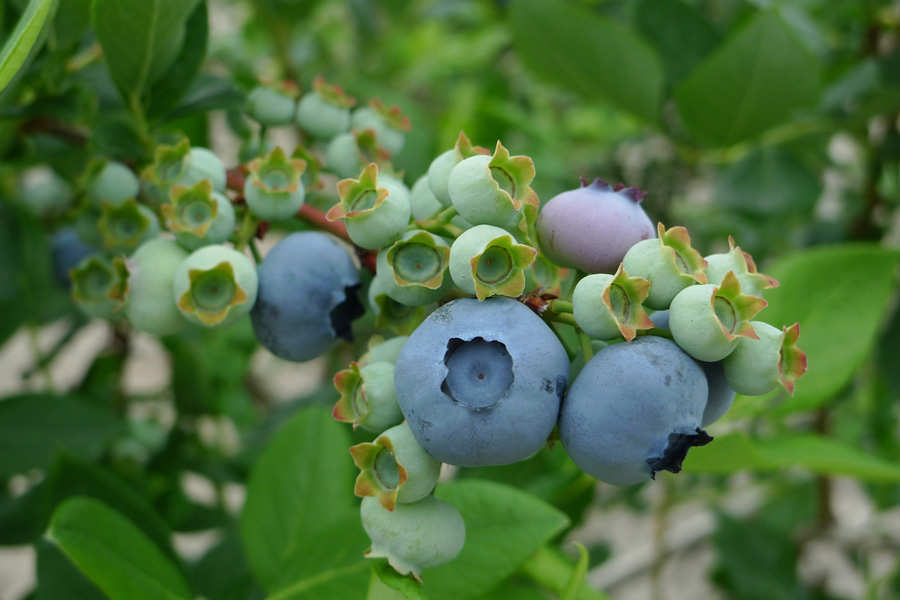
C 1278-SP
Los Arándanos y Su Producción
El arándano alto del sur, es un híbrido que requiere pocas horas de frio—una aproximación de cuantas horas la planta requiere estar expuesta a temperaturas de entre 32 a 45 °F para romper la dormancia y empezar iniciación floral—comparado con el arándano alto del norte. Por lo que permite al estado de Florida y áreas del Sur de Georgia posicionarse en el mercado estadounidense en los meses de Marzo, Abril y Mayo, y es el que ha permitido la producción de arándanos para exportación en países como México y Perú.
|
-

This brief video describes how, when, and where to collect a postharvest water sample intended for generic E. coli testing, as required by the Produce Safety Rule for produce wash water.
|
-

This is an annual report highlighting research conducted during 2021 and 2022 for Vidalia onions. Research topics include: variety trials, irrigation and fertilizer strategies, sulfur content in soils, effect of fertilizers on yield, thrips, factors affecting postharvest incidence of bacterial bulb rot, and Botrytis leaf blight.
|
-
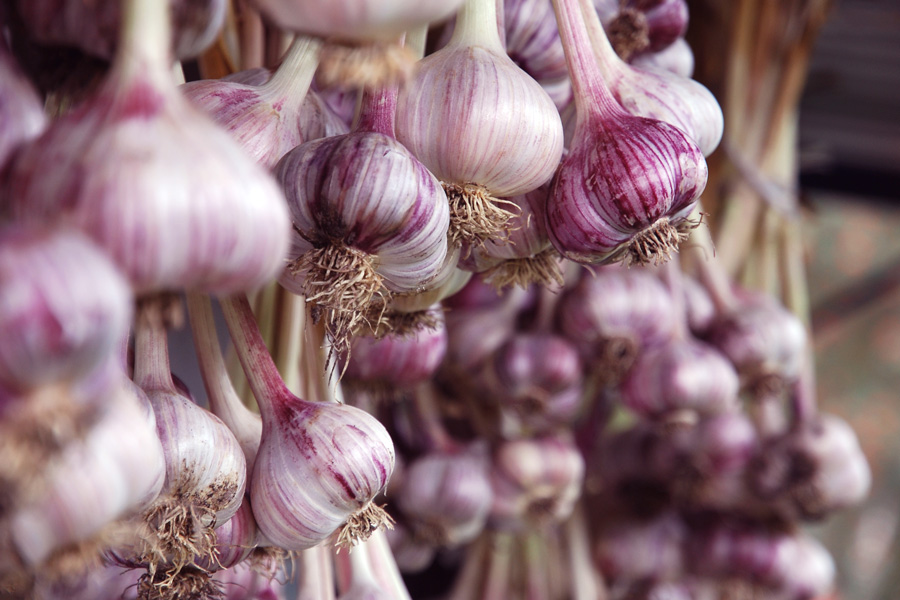
This publication discusses how garlic, elephant garlic, and leek can be grown successfully in South Georgia.
|
-
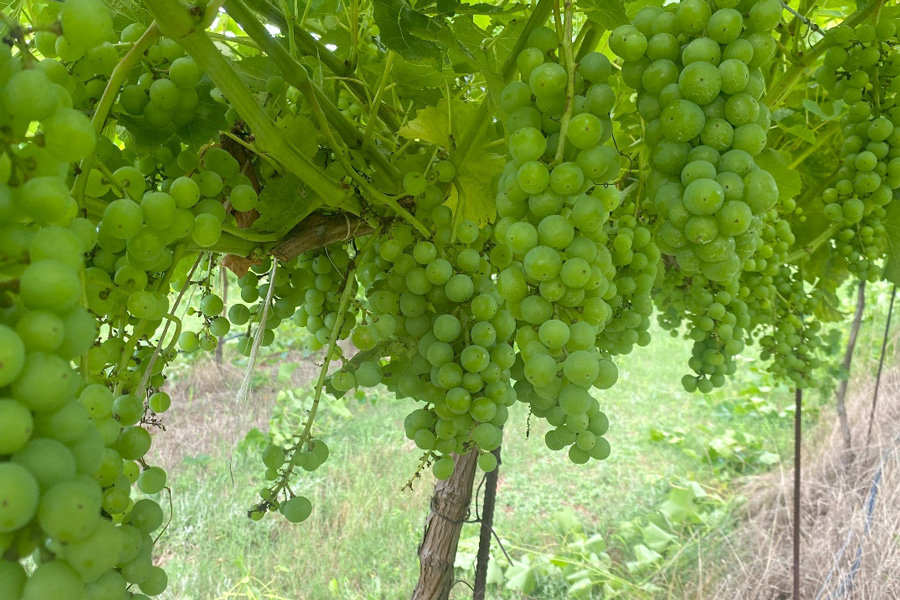
C 1274
Blanc du Bois
‘Blanc du Bois’ has made a significant contribution to wine production in southeastern regions where Pierce’s disease is prevalent. Though possessing resistance or tolerance to Pierce’s disease, Phylloxera, and powdery mildew, this cultivar is not without fault, and it does require an intensive integrated pest management (IPM) program. We cover here the major issues observed with this cultivar.
|
-
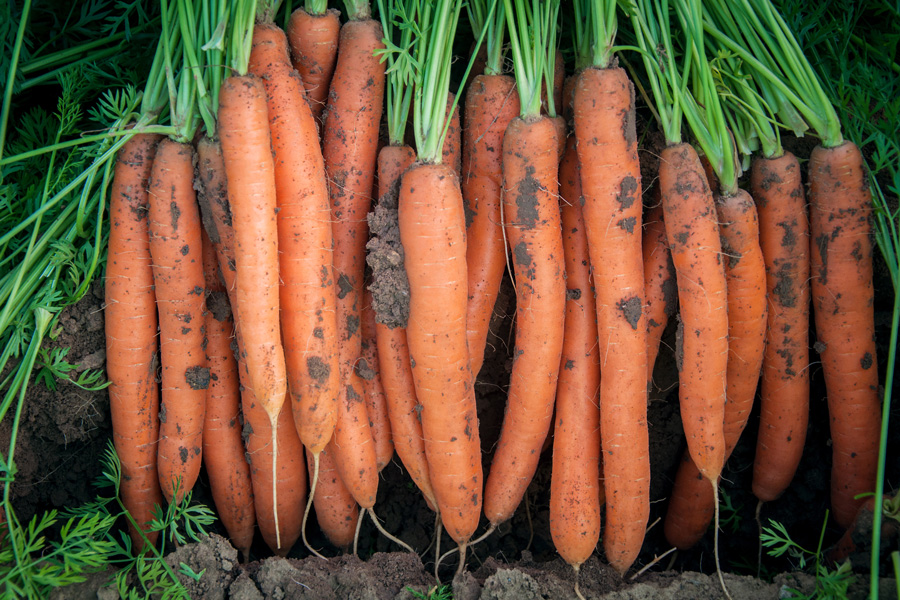
Carrots suffer significant yield losses from nematode pests because the harvested edible product (taproot) is directly affected by nematode infection, resulting in reduced marketable yield and quality. Root-knot nematodes (Meloidogyne spp.) are widespread in several counties in South Georgia and cause serious damage to carrots. Stubby-root (Paratrichodorus or Nanidorus spp.) and root-lesion (Pratylenchus spp.) nematodes are also common in these regions, though, their damage potential to carrots has not yet been established. This publication reports information on nematode detection, biology, and different control practices for the proper production of carrots.
|